Table of Contents
Spiral Bevel Gear: Boost Your Machine Efficiency Today
1. Introduction to Gear Systems and Their Industrial Importance
1.1 What Are Gear Systems
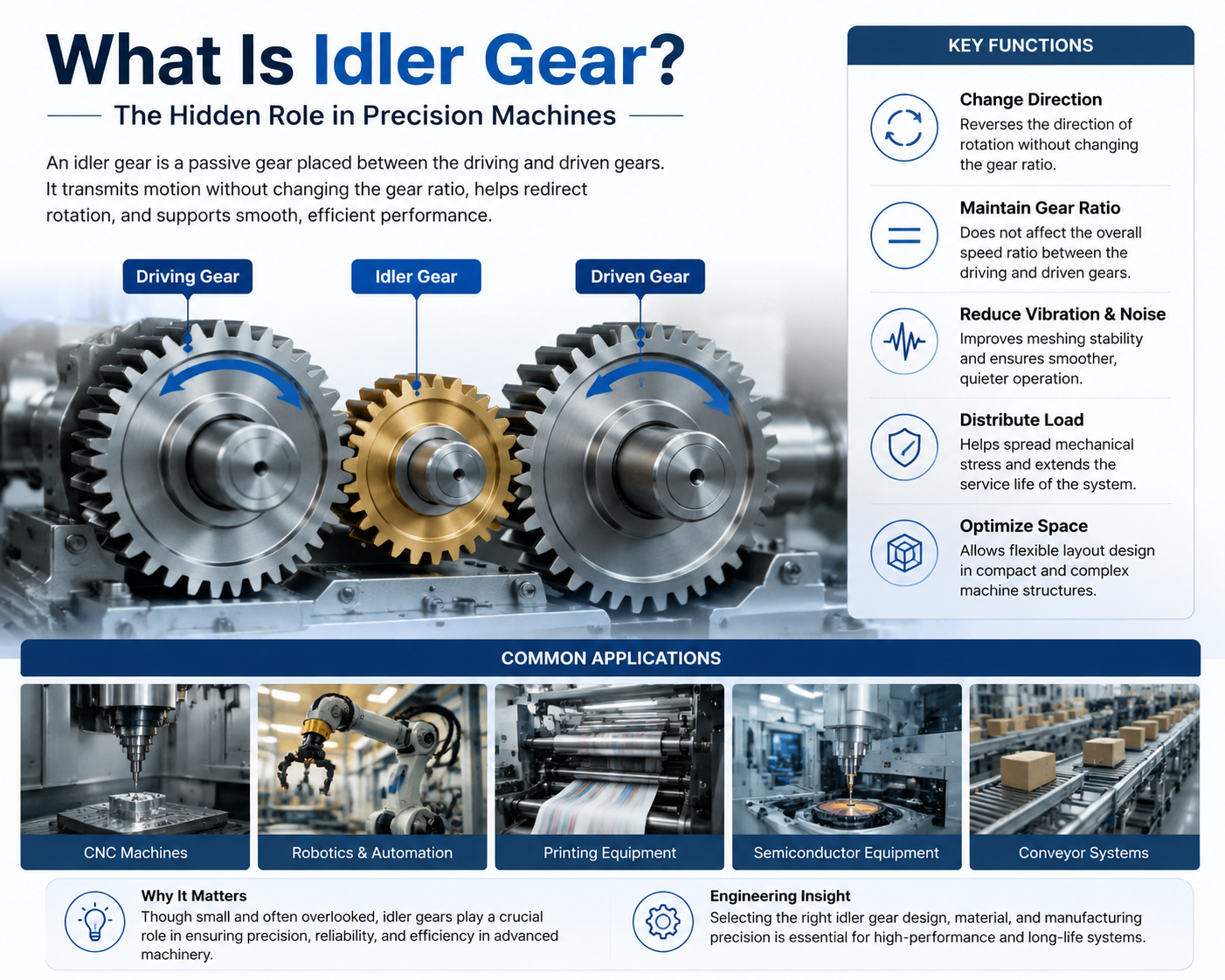
Gear systems are among the most fundamental mechanical power transmission mechanisms used throughout modern industry. They consist of two or more meshing gears designed to transfer rotational motion, torque, and power from one shaft to another while maintaining a predetermined speed ratio. Whether found in industrial gearboxes, automotive transmissions, robotics, mining equipment, aerospace systems, or packaging machinery, gear systems serve as the backbone of countless mechanical operations.
At their core, gears convert input energy into controlled mechanical output. Unlike belt drives or chain systems, gears provide positive engagement between mating teeth, eliminating slippage and ensuring precise motion transmission. This characteristic makes them indispensable in applications where accuracy, repeatability, and reliability are paramount.
From a procurement perspective, gear systems are not simply components purchased based on price. They are long-term performance assets that directly influence equipment productivity, maintenance requirements, and operational efficiency. A low-cost gear system that fails prematurely often becomes significantly more expensive than a premium solution due to downtime, replacement costs, and lost production.
In today's highly competitive manufacturing environment, many engineers refer to gear systems as the "silent workhorses" of industrial machinery because they continuously perform critical functions while often receiving little attention until a failure occurs.
1.2 Why Precision Matters in Modern Machinery
Precision has become one of the defining requirements of modern manufacturing. As automation levels continue to rise and product tolerances become increasingly stringent, even minor deviations in motion transmission can lead to quality defects, production interruptions, and customer dissatisfaction.
Precision gear systems ensure exact positioning, synchronized movement, and predictable performance. In robotic assembly lines, for example, a positioning error of only a fraction of a millimeter may result in defective products or failed assembly operations. Similarly, CNC machining centers rely heavily on high-precision gear systems to maintain dimensional accuracy throughout complex machining cycles.
The importance of precision extends beyond product quality. Accurate gear operation also minimizes vibration, reduces noise levels, and decreases wear on associated mechanical components. When gears mesh correctly, forces are distributed uniformly across tooth surfaces, creating smoother operation and extending equipment lifespan.
For purchasing professionals evaluating suppliers, gear precision often represents a critical differentiator. Manufacturers capable of maintaining tight tolerances through advanced machining and quality control processes typically deliver superior long-term performance and reliability.
1.3 The Connection Between Energy Efficiency and Gear Performance
Energy efficiency and gear performance are intrinsically linked. Every inefficiency within a gear system results in energy losses that ultimately manifest as heat, noise, vibration, or unnecessary wear.
In an ideal scenario, 100 percent of input power would be transferred to the output shaft. However, real-world conditions introduce frictional losses, lubrication drag, bearing resistance, and tooth engagement inefficiencies. The cumulative effect can significantly impact overall equipment efficiency.
High-performance gear systems are engineered to minimize these losses through optimized tooth geometry, precision manufacturing, advanced materials, and proper lubrication strategies. Even a seemingly small improvement in gearbox efficiency can generate substantial energy savings when equipment operates continuously over many years.
For large manufacturing facilities, improving gear transmission efficiency by just a few percentage points can translate into thousands of dollars in annual energy cost reductions. As energy prices continue to rise globally, efficient gear systems are increasingly viewed not merely as engineering components but as strategic investments in operational sustainability.
2. Understanding the Fundamentals of Gear Systems
2.1 Core Components of a Gear System
A gear system comprises several interconnected components working together to transmit power effectively. The primary elements include gears, shafts, bearings, housings, seals, and lubrication systems.
Gears themselves serve as the central power-transmitting elements. Their teeth engage with mating gears to transfer rotational motion. Shafts support and rotate the gears, while bearings reduce friction and maintain alignment during operation.
The gearbox housing protects internal components from contamination while providing structural rigidity. Seals prevent lubricant leakage and block the ingress of dust, moisture, and debris. Meanwhile, the lubrication system ensures smooth operation by minimizing friction and dissipating heat.
Each component contributes to overall system performance. A premium-quality gear installed alongside poor bearings or inadequate lubrication will still experience reduced efficiency and premature failure. Successful gear system design therefore requires a holistic engineering approach.
2.2 How Power and Motion Are Transmitted
Power transmission begins when an input shaft receives rotational energy from a motor or engine. This energy is transferred through gear tooth engagement to one or more driven gears, producing a corresponding output motion.
As gear teeth mesh, force is transmitted through the contact surfaces. Depending on gear ratios, the system may increase torque, reduce speed, increase speed, or alter rotational direction.
The mechanical advantage generated by gear ratios makes gear systems exceptionally versatile. A small input gear driving a larger output gear increases torque while reducing rotational speed. Conversely, a larger input gear driving a smaller output gear increases speed while reducing torque.
This capability enables engineers to tailor machinery performance to specific operational requirements, making gear systems essential across virtually every industrial sector. For more details on mechanical power transmission, see Wikipedia: Gear.
2.3 Common Terminology Engineers Should Know
Understanding gear terminology is critical for both engineers and procurement specialists.
- Pitch Circle Diameter (PCD): The theoretical circle where gear teeth engage.
- Module: A metric measurement defining tooth size.
- Pressure Angle: The angle between tooth contact forces.
- Backlash: The clearance between mating gear teeth.
- Gear Ratio: The relationship between input and output rotational speeds.
- Tooth Profile: The geometric shape of gear teeth.
- Center Distance: The distance between gear shaft centers.
- Efficiency: The percentage of input power successfully transmitted.
Familiarity with these terms facilitates more effective communication between buyers, designers, and suppliers while reducing the risk of specification errors during procurement. Additional guidance on industrial gear standards can be found at industrialgears.org.
3. The Role of Precision in Mechanical Applications
3.1 Accuracy in Motion Control
Motion control systems demand exceptional precision. Whether controlling robotic arms, semiconductor manufacturing equipment, or automated packaging lines, precise motion transmission directly impacts operational success.
High-precision gear systems eliminate positioning errors and improve repeatability. This allows machinery to perform identical movements consistently across thousands or even millions of operating cycles.
Modern industries increasingly rely on servo-driven systems where minute deviations can compromise entire production processes. Precision gears ensure commanded movements are translated accurately into physical motion.
3.2 Maintaining Consistent Torque Transmission
Torque fluctuations create instability within mechanical systems. Uneven torque delivery can cause vibration, premature wear, and inconsistent process outcomes.
Precision-manufactured gears maintain uniform tooth engagement, resulting in smoother torque transmission. The load is distributed evenly across tooth surfaces, reducing stress concentrations and improving operational stability.
For applications involving heavy loads or continuous operation, consistent torque transmission is often the difference between reliable performance and frequent maintenance interruptions.
3.3 Impact on Product Quality and Process Stability
Manufacturing quality is closely tied to machine precision. Gear systems influence positioning accuracy, speed consistency, and synchronization among moving components.
In industries such as automotive manufacturing, electronics assembly, and pharmaceutical packaging, even minor variations can lead to product defects. Precision gear systems help maintain process consistency and improve overall production yield.
As many production managers like to say, "You can't manufacture precision products with imprecise machinery."
4. How Gear Systems Minimize Energy Loss
4.1 Sources of Energy Loss in Mechanical Systems
Mechanical systems lose energy through several mechanisms including friction, misalignment, vibration, heat generation, and aerodynamic drag.
Within gear systems, tooth sliding friction often represents one of the largest contributors to efficiency losses. Poor lubrication, manufacturing inaccuracies, and excessive backlash further increase these losses.
Additionally, bearing resistance and shaft misalignment can create parasitic energy consumption that reduces overall system performance.
4.2 Friction Reduction Through Proper Gear Design
Modern gear design focuses heavily on minimizing frictional losses. Advanced tooth profiles optimize contact patterns, reducing sliding motion and improving rolling action between mating teeth.
Helical gears, for example, typically provide smoother engagement and lower vibration compared to spur gears, improving both efficiency and noise levels. Surface treatments such as polishing, coatings, or shot peening further reduce friction and wear.
Properly designed gears maintain high contact ratios, ensuring continuous load sharing and minimizing localized stresses that increase frictional losses.
4.3 Optimizing Power Transfer Efficiency
Power transfer efficiency depends on several interrelated factors: precise tooth geometry, tight manufacturing tolerances, correct material selection, and adequate lubrication.
High-quality gear systems achieve efficiency ratings of 95–98% or higher, compared to suboptimal systems that may operate at only 85–90%. Maximizing efficiency not only reduces energy consumption but also lowers heat generation and improves reliability.
For additional insights on energy-efficient mechanical systems, see U.S. Department of Energy – Gear Systems Efficiency.
5. Types of Gear Systems and Their Performance Characteristics
5.1 Spur Gear Systems
Spur gears are the simplest type of gear, featuring straight teeth mounted parallel to the shaft axis. They offer high efficiency, simplicity, and low manufacturing cost but can generate significant noise at high speeds. Spur gears are ideal for moderate-speed applications requiring precise torque transmission.
5.2 Helical Gear Systems
Helical gears have teeth cut at an angle to the axis, providing gradual tooth engagement, smoother operation, and higher load capacity compared to spur gears. They are widely used in automotive transmissions, industrial machinery, and high-speed applications. Helical designs reduce vibration and extend gear life.
5.3 Bevel and Worm Gear Systems
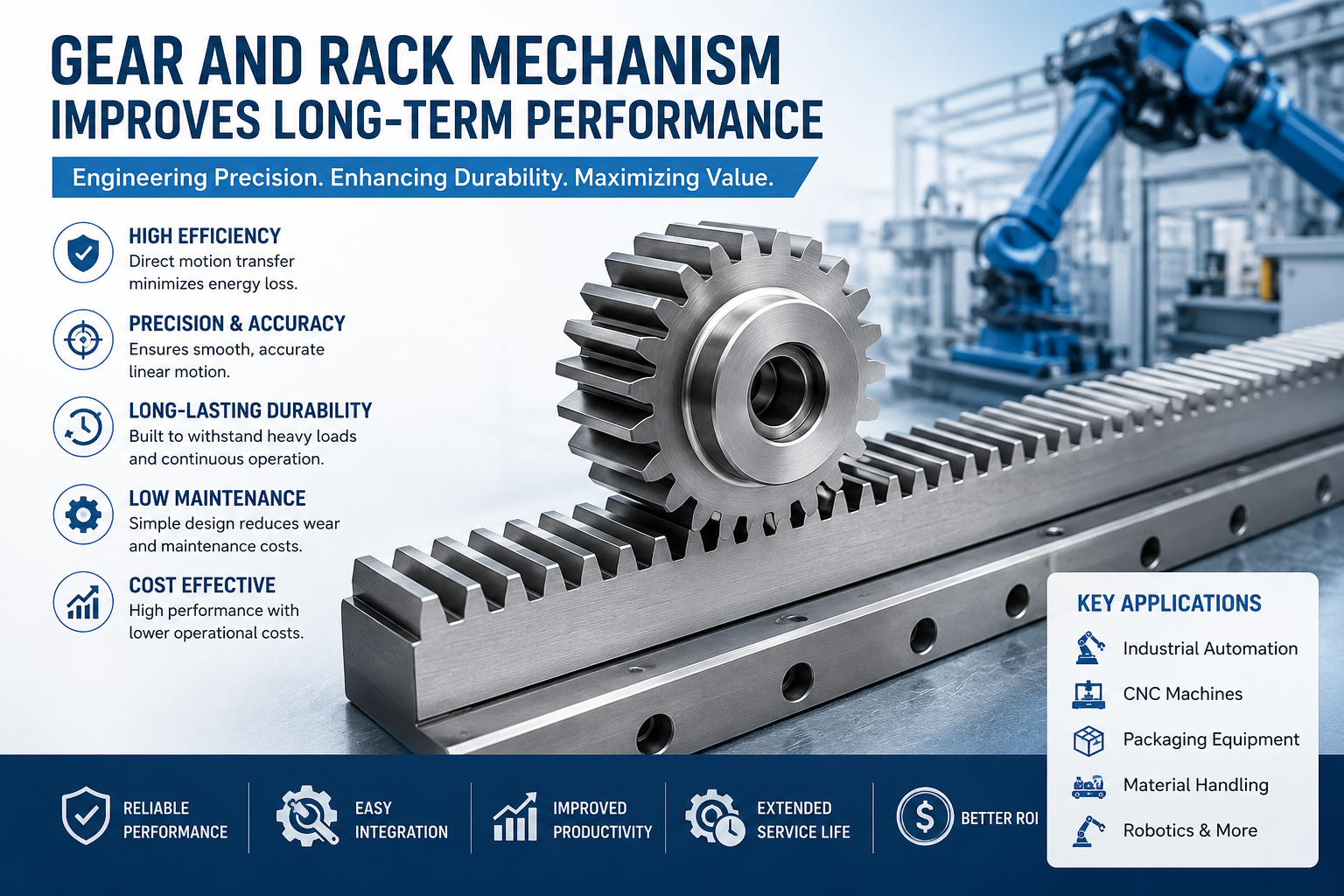
Bevel gears transmit motion between intersecting shafts, typically at right angles. They are used in differential drives, conveyor systems, and power tools. Worm gears, on the other hand, provide high reduction ratios and self-locking properties, making them suitable for lifting applications, hoists, and precision motion control systems. Both types trade some efficiency for specialized torque or directional advantages.
6. Planetary Gear Systems for High Efficiency
6.1 Structure and Working Principle
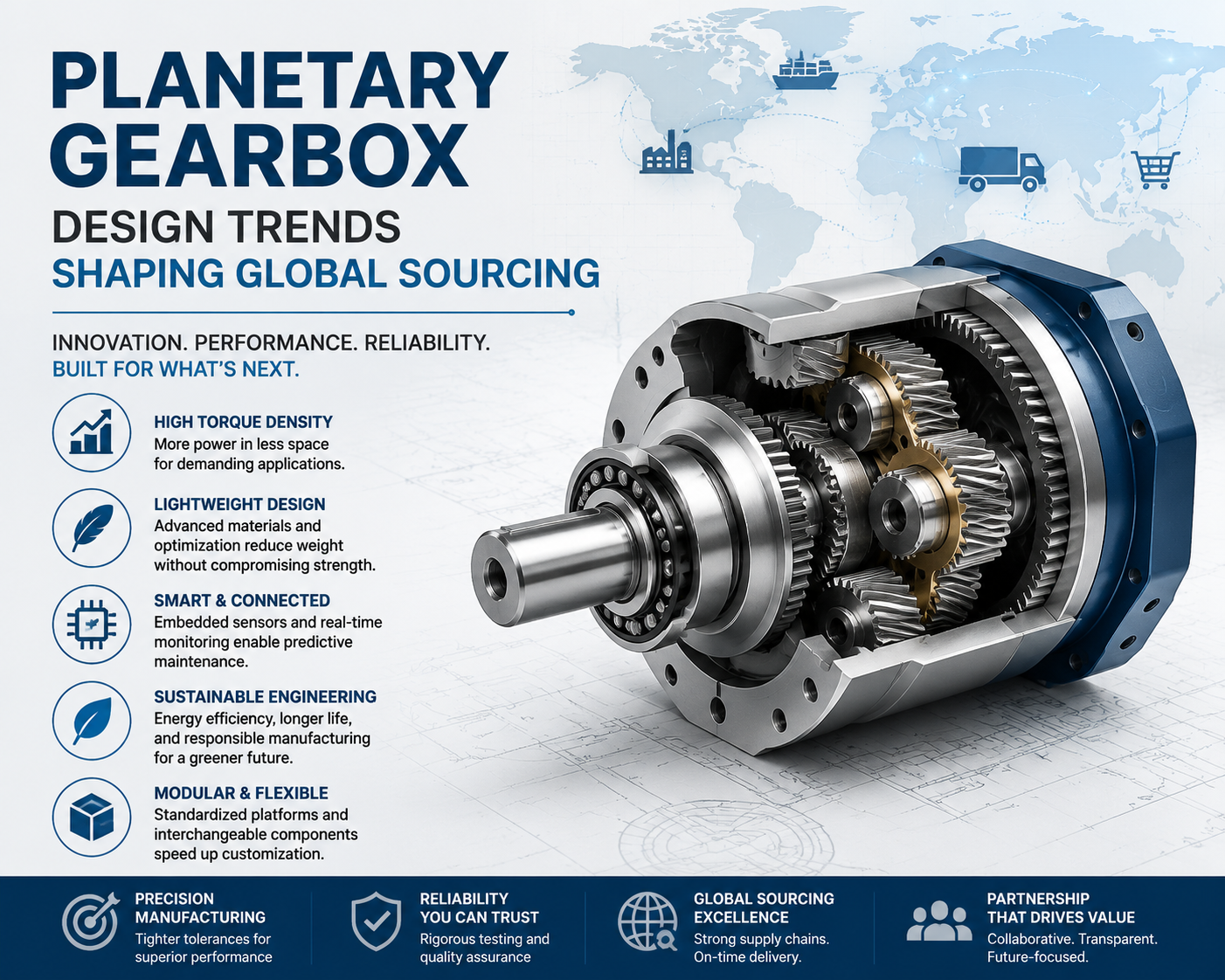
Planetary gear systems, also known as epicyclic gears, consist of a central sun gear, multiple planet gears, and an outer ring gear. The planet gears rotate around the sun gear while simultaneously revolving inside the ring gear. This configuration allows torque to be distributed across multiple contact points, resulting in compact design and high load capacity.
Planetary systems provide a combination of high torque density, smooth operation, and efficient power transmission, making them ideal for applications where space is limited but high performance is required. Their unique configuration allows for multiple reduction ratios without increasing the gearbox size.
6.2 Advantages in Torque Distribution
The distribution of torque among multiple planet gears reduces individual gear load, minimizing stress and wear. This enables planetary systems to handle higher torque levels while maintaining reliability.
Even under heavy load conditions, planetary gears maintain uniform power transmission, reducing the risk of localized gear failure. For high-precision applications like robotics or CNC equipment, this characteristic is critical for both performance and longevity.
6.3 Applications Requiring Precision Positioning
Planetary gear systems are widely used in robotics, aerospace, automotive transmissions, and industrial machinery requiring precise positioning and high repeatability. Their compact form factor allows integration into tight spaces, while their high efficiency ensures minimal energy loss.
For more technical details, see Wikipedia: Planetary Gear.
7. Key Design Factors That Influence Precision
7.1 Gear Tooth Geometry
Tooth geometry determines contact ratio, load distribution, and engagement quality. Optimizing tooth profile reduces friction, vibration, and noise while improving load carrying capacity.
Parameters such as pressure angle, helix angle, and tooth depth must be carefully selected to balance efficiency and strength. High-precision machining ensures consistent tooth form across all gears in the system.
7.2 Module and Pitch Selection
The module defines the size of the gear teeth in metric systems, while pitch governs the spacing between teeth. Selecting the correct module and pitch ensures smooth meshing, consistent torque transmission, and minimal backlash.
Incorrect module or pitch selection can lead to premature wear, noise, and energy loss. Engineering calculations combined with simulation software often guide these decisions.
7.3 Backlash Optimization
Backlash refers to the slight clearance between mating teeth. While necessary to prevent binding and thermal expansion issues, excessive backlash reduces precision and can create oscillations under load.
Optimizing backlash is a critical step in high-precision gear system design. It requires balancing sufficient clearance with minimal loss in positioning accuracy.
8. Material Selection for Enhanced Gear Performance
8.1 Common Materials Used in Gear Manufacturing
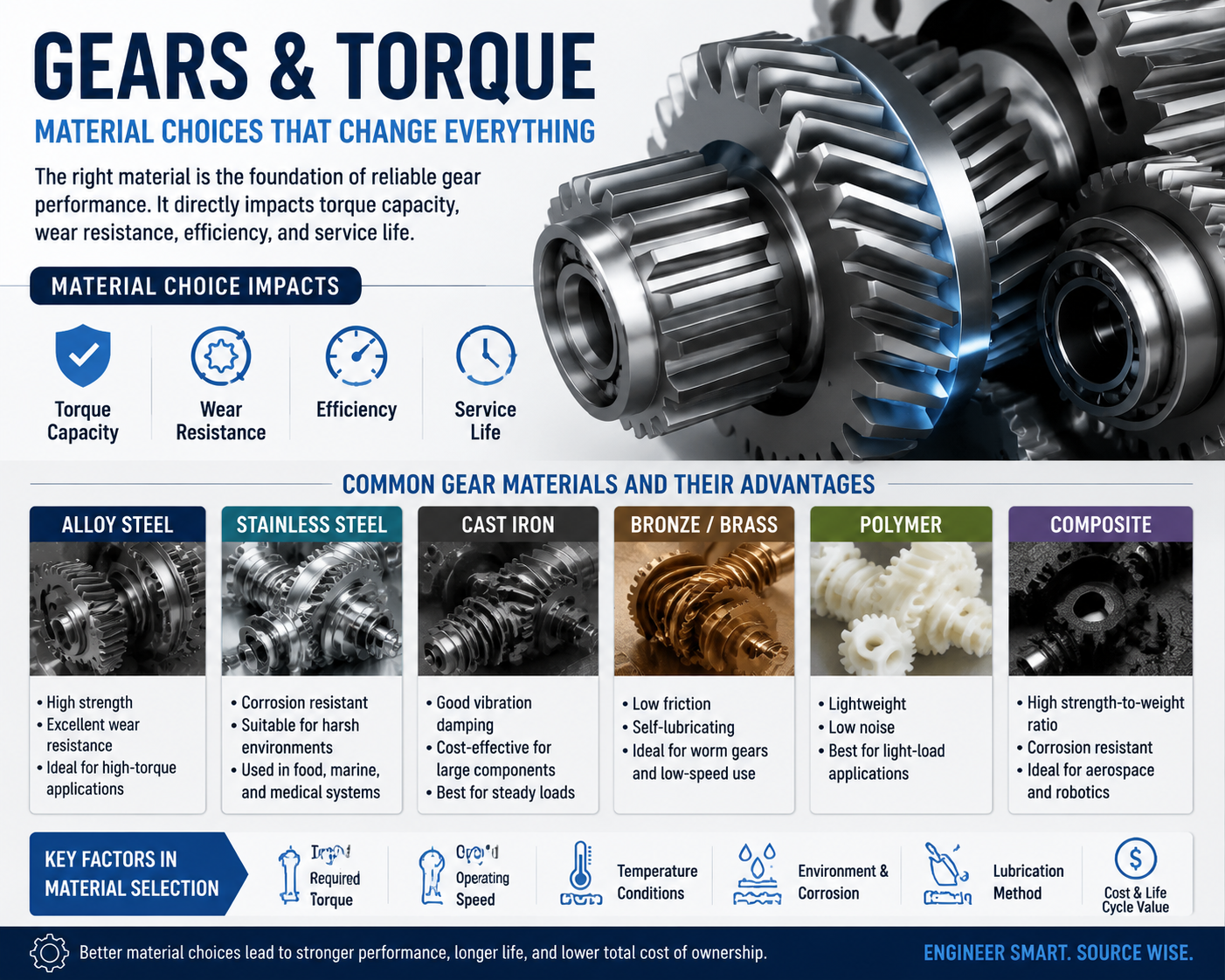
Gears are commonly made from alloy steels, carbon steels, stainless steels, and engineering plastics. Each material offers different advantages in strength, wear resistance, machinability, and cost.
Advanced applications may use powder metallurgy, titanium alloys, or composite materials to achieve high strength-to-weight ratios while maintaining durability.
8.2 Strength Versus Weight Considerations
High-strength materials allow thinner teeth or lighter components, reducing inertia and improving efficiency. Lightweight gears are particularly valuable in robotics, aerospace, and electric vehicles where energy efficiency and rapid acceleration are priorities.
8.3 Wear Resistance and Longevity
Surface treatments such as carburizing, nitriding, or coating can enhance wear resistance and extend gear lifespan. Proper material selection combined with surface engineering reduces maintenance frequency and energy losses over time.
9. Manufacturing Processes That Improve Accuracy
9.1 Precision Gear Cutting Methods
Gear cutting methods include hobbing, shaping, broaching, and milling. Each technique offers different levels of precision, surface finish, and efficiency.
High-precision applications often require CNC hobbing or shaping to maintain tight tolerances and consistent tooth geometry.
9.2 Gear Grinding and Finishing Techniques
Grinding, lapping, and honing are finishing techniques that improve tooth surface quality and dimensional accuracy. These processes reduce noise, vibration, and friction, directly enhancing efficiency and longevity.
9.3 Heat Treatment and Dimensional Stability
Heat treatments such as quenching, tempering, carburizing, and induction hardening enhance material hardness and wear resistance. Proper thermal processing also stabilizes dimensions to prevent distortion under load or temperature variations.
10. The Impact of Gear Quality on Energy Efficiency
10.1 Surface Finish and Friction Reduction
Smoother tooth surfaces reduce sliding friction, improving energy transfer efficiency. Polished or coated surfaces minimize heat generation, vibration, and wear.
10.2 Precision Tolerances and Performance
Tight manufacturing tolerances ensure consistent engagement, reduce backlash, and optimize power transmission. High-quality gears perform closer to theoretical efficiency limits, reducing operational energy consumption.
10.3 Minimizing Mechanical Losses
Mechanical losses arise from friction, misalignment, and vibration. High-precision manufacturing, proper lubrication, and accurate assembly minimize these losses, allowing machinery to operate efficiently and reliably over long periods.
11. Lubrication Strategies for Maximum Efficiency
11.1 Selecting the Right Lubricant
Choosing the appropriate lubricant is essential for minimizing friction, wear, and energy losses. Options include mineral oils, synthetic oils, grease, and specialty additives designed to withstand high loads, temperatures, and operating conditions.
The lubricant must be compatible with gear material, operating speed, and environmental conditions. Synthetic oils often provide superior thermal stability and longer service life in high-performance systems.
11.2 Reducing Wear and Heat Generation
Proper lubrication forms a protective film between meshing teeth, preventing direct metal-to-metal contact. This reduces friction, heat generation, and wear, extending gear life and maintaining efficiency over time.
Lubrication systems such as splash, forced circulation, or oil mist ensure consistent coverage and cooling of gear teeth, bearings, and shafts.
11.3 Maintenance Best Practices
Regular lubrication checks, timely oil changes, and monitoring lubricant condition prevent premature gear failure. Advanced monitoring systems can detect contamination, viscosity changes, or inadequate flow to allow proactive maintenance.
12. Common Causes of Precision Loss in Gear Systems
12.1 Gear Wear and Tooth Damage
Over time, repeated stress, misalignment, and inadequate lubrication can cause wear or tooth breakage. Even minor surface degradation reduces mesh accuracy and increases backlash, affecting precision and efficiency.
12.2 Misalignment and Assembly Errors
Incorrect installation or shaft misalignment leads to uneven load distribution, premature wear, vibration, and energy losses. Precision gear systems require meticulous assembly and alignment procedures to maintain performance.
12.3 Excessive Vibration and Noise
Vibration and noise are indicators of reduced gear accuracy and potential energy loss. They often result from poor gear meshing, inadequate lubrication, or worn components. Reducing vibration not only preserves energy efficiency but also protects connected machinery.
13. Advanced Technologies Transforming Gear Systems
13.1 Smart Monitoring Solutions
Modern gear systems integrate sensors to monitor temperature, vibration, torque, and rotational speed in real-time. Smart monitoring enables predictive maintenance and minimizes downtime, ensuring consistent precision.
13.2 Digital Twin Applications
Digital twin technology creates a virtual replica of the gear system, allowing engineers to simulate operation, predict wear, and optimize performance before implementing physical changes. This reduces trial-and-error adjustments and enhances system reliability.
13.3 AI-Driven Predictive Maintenance
Artificial intelligence analyzes sensor data to detect anomalies and forecast potential failures. AI-driven maintenance strategies extend gear life, improve energy efficiency, and reduce unplanned downtime.
14. Industry Applications Where Precision Is Critical
14.1 Industrial Automation Equipment
High-precision gear systems are crucial in automated assembly lines, material handling, and packaging machinery. Accurate motion control ensures high throughput and consistent product quality.
14.2 Robotics and Motion Control Systems
Robotic arms and CNC machines rely on precise gear systems for smooth, accurate, and repeatable movements. Any deviation in motion can result in defective products or misalignment of assembly components.
14.3 Aerospace and High-Performance Machinery
Aerospace applications demand lightweight, high-strength, and low-backlash gear systems. High efficiency, precision, and reliability are essential to meet stringent safety and performance standards.
More details on aerospace gear standards can be found at NASA.gov.
15. Cost Benefits of High-Efficiency Gear Systems
15.1 Lower Energy Consumption
High-efficiency gear systems reduce energy losses, decreasing operational costs. Improved power transmission ensures that more input energy contributes to productive work, lowering electricity consumption and environmental impact.
15.2 Reduced Maintenance Expenses
Precision gears with proper lubrication and high-quality materials require less frequent maintenance. Lower wear rates and extended component life reduce spare part costs and downtime, translating into significant long-term savings.
15.3 Longer Equipment Service Life
Reliable gear systems enhance overall equipment longevity. By minimizing energy loss, wear, and operational stress, high-performance gears contribute to longer intervals between overhauls, improving total return on investment.
16. How Procurement Professionals Evaluate Gear Systems
16.1 Supplier Qualification Criteria
Selecting a gear system supplier extends far beyond comparing quotations. Experienced procurement professionals evaluate suppliers based on manufacturing capabilities, engineering expertise, quality management systems, production consistency, and long-term support capabilities.
A qualified supplier should possess advanced manufacturing equipment, robust quality control procedures, and proven experience serving demanding industries. Factors such as CNC machining capacity, gear grinding capabilities, heat treatment facilities, and metrology equipment often reveal a supplier's true technical competence.
Many purchasing engineers also conduct supplier audits to assess process control, traceability systems, workforce expertise, and continuous improvement initiatives. As the saying goes, "The bitterness of poor quality remains long after the sweetness of a low price is forgotten."
In highly competitive industries, partnering with a technically capable supplier often delivers greater long-term value than focusing solely on the lowest purchase price.
16.2 Quality Certifications and Compliance Standards
Quality certifications provide objective evidence of a manufacturer's commitment to consistency and reliability. Certifications such as ISO 9001 demonstrate that standardized quality management procedures are in place throughout the organization.
For specialized industries, additional certifications may be required, including:
- IATF 16949 for automotive applications
- AS9100 for aerospace manufacturing
- ISO 14001 for environmental management
- ISO 45001 for occupational safety
Beyond certifications, procurement teams often review inspection reports, material certificates, process validation records, and dimensional measurement data.
Compliance with international standards helps reduce supply chain risks while ensuring products meet customer expectations and regulatory requirements. Additional information can be found at ISO.org.
16.3 Total Cost of Ownership Analysis
Sophisticated procurement decisions focus on Total Cost of Ownership (TCO) rather than initial acquisition cost alone.
TCO analysis typically includes:
- Purchase price
- Installation costs
- Energy consumption
- Maintenance expenses
- Spare parts requirements
- Downtime costs
- Expected service life
- Disposal or replacement costs
A premium gear system may initially cost 20% more than a competing option but deliver significantly lower operating costs over a decade of service.
For large industrial operations, TCO analysis frequently reveals that investing in higher-quality gear systems generates the greatest return on investment.
17. OEM and ODM Considerations When Sourcing Gear Systems
17.1 Customization Requirements
Every industrial application presents unique performance requirements. OEM and ODM gear manufacturers must possess the engineering flexibility to customize products according to customer specifications.
Customization may involve:
- Specialized gear ratios
- Custom shaft configurations
- Unique housing designs
- Special surface treatments
- Enhanced corrosion resistance
- Reduced backlash requirements
- Lightweight construction
The ability to tailor solutions allows equipment manufacturers to optimize machine performance while maintaining competitive advantages in their target markets.
A supplier capable of providing engineering collaboration during product development often becomes a strategic partner rather than merely a component vendor.
17.2 Production Capacity and Scalability
Production scalability becomes increasingly important as product demand grows. Procurement teams must ensure suppliers can support both current requirements and future expansion plans.
Key evaluation factors include:
- Monthly production capacity
- Equipment utilization rates
- Workforce availability
- Automation levels
- Lead time stability
- Expansion capabilities
A supplier may perform exceptionally during prototype development yet struggle to support high-volume production.
Assessing scalability early in the sourcing process helps avoid supply chain bottlenecks and production disruptions later.
17.3 Global Supply Chain Reliability
Modern manufacturing operates within increasingly complex global supply networks. Consequently, supply chain reliability has become a major procurement priority.
Critical considerations include:
- Raw material sourcing stability
- Geographic diversification
- Logistics capabilities
- Inventory management systems
- Risk mitigation strategies
- Business continuity planning
Reliable suppliers maintain strong relationships with upstream vendors and implement contingency plans to minimize disruptions caused by geopolitical events, transportation challenges, or material shortages.
For multinational equipment manufacturers, supply continuity often carries equal importance to product quality.
18. Performance Testing and Quality Assurance
18.1 Gear Accuracy Testing Methods
Precision gear systems require rigorous testing before deployment. Accuracy testing verifies compliance with design specifications and industry standards.
Common testing methods include:
- Gear measuring centers
- Coordinate measuring machines (CMM)
- Tooth profile analysis
- Lead measurement
- Pitch inspection
- Runout testing
Advanced metrology equipment can detect micron-level deviations that may affect performance.
Comprehensive inspection procedures ensure consistent quality and reduce the risk of field failures.
18.2 Efficiency Measurement Techniques
Efficiency testing determines how effectively a gear system converts input power into useful output power.
Typical measurement methods evaluate:
- Torque input and output
- Rotational speed
- Thermal losses
- Frictional resistance
- Power transmission efficiency
Engineers frequently utilize dynamometers and specialized test benches to simulate real operating conditions.
Accurate efficiency measurements provide valuable data for optimizing designs and validating performance claims.
18.3 Reliability and Durability Validation
Reliability testing evaluates a gear system's ability to perform consistently throughout its intended service life.
Validation programs often include:
- Accelerated life testing
- Fatigue testing
- Shock load testing
- Thermal cycling
- Endurance testing
- Environmental exposure testing
These assessments identify potential weaknesses before products enter commercial service.
Robust validation programs significantly reduce warranty risks and improve customer confidence. For testing and measurement best practices, refer to NIST.gov.
19. Future Trends in Precision Gear Technology
19.1 Lightweight High-Strength Materials
The demand for improved efficiency continues driving innovation in advanced materials.
Emerging materials include:
- High-strength alloy steels
- Powder metallurgy components
- Titanium alloys
- Advanced composites
- Hybrid metal-polymer structures
These materials provide superior strength-to-weight ratios while maintaining durability and performance.
Lighter gear systems reduce inertia, improve responsiveness, and contribute to overall energy savings.
19.2 Sustainable Manufacturing Practices
Sustainability is rapidly becoming a central focus across the manufacturing sector.
Gear manufacturers are increasingly implementing:
- Energy-efficient production equipment
- Closed-loop recycling systems
- Reduced waste initiatives
- Eco-friendly lubricants
- Carbon footprint reduction programs
These practices not only support environmental objectives but also improve operational efficiency and cost competitiveness.
Many global OEMs now incorporate sustainability criteria into supplier evaluation processes. Learn more about sustainable manufacturing through EPA Sustainability Resources.
19.3 Next-Generation High-Efficiency Gear Designs
Advancements in computational engineering continue transforming gear design methodologies.
Future innovations include:
- AI-assisted design optimization
- Topology-optimized gear structures
- Advanced surface engineering
- Intelligent lubrication systems
- Integrated condition monitoring technologies
These developments aim to maximize efficiency while minimizing weight, noise, vibration, and maintenance requirements.
The next generation of gear systems will likely combine mechanical excellence with digital intelligence, creating smarter and more efficient power transmission solutions.
20. Conclusion
20.1 Key Takeaways on Precision Enhancement
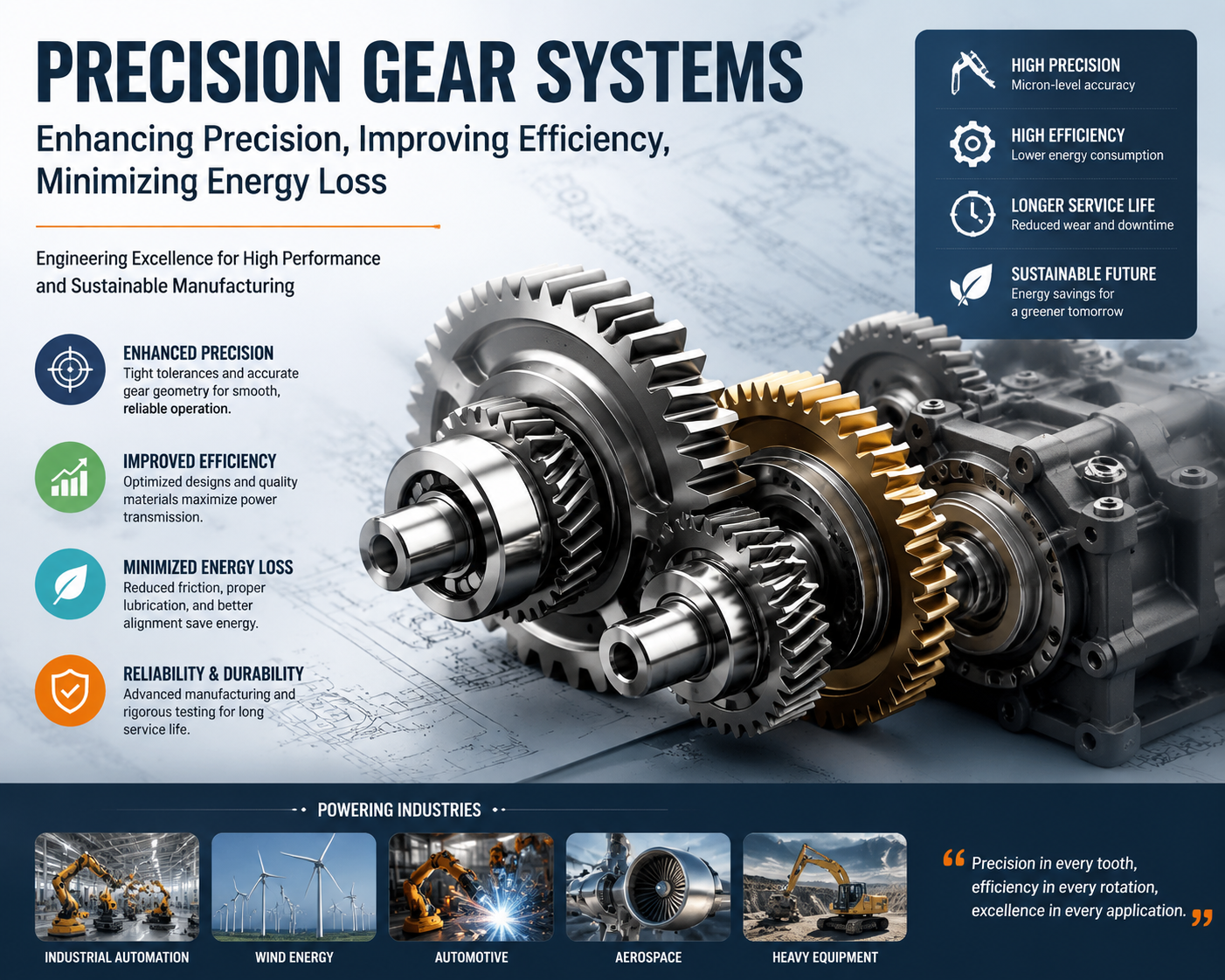
Precision remains one of the most influential factors affecting gear system performance. Accurate tooth geometry, controlled backlash, advanced manufacturing processes, and proper assembly practices collectively determine operational reliability and efficiency.
Organizations that prioritize precision benefit from improved machine performance, reduced downtime, enhanced product quality, and lower lifecycle costs.
20.2 Strategies for Minimizing Energy Loss
Minimizing energy loss requires a comprehensive engineering approach involving:
- Optimized gear geometry
- High-quality materials
- Precision manufacturing
- Proper lubrication
- Accurate alignment
- Preventive maintenance
- Continuous performance monitoring
When these elements work together, gear systems achieve maximum efficiency while reducing operating costs and environmental impact.
In today's energy-conscious industrial landscape, efficiency improvements are no longer optional—they are competitive necessities.
20.3 Choosing the Right Gear System for Long-Term Success
Selecting the appropriate gear system requires balancing performance, reliability, efficiency, and total ownership costs.
Mechanical engineers must evaluate technical requirements, while procurement professionals assess supplier capabilities, quality systems, scalability, and long-term support.
The most successful sourcing decisions are those that view gear systems not as simple components but as strategic assets that directly influence productivity, profitability, and customer satisfaction.
As industrial automation, electrification, and digital manufacturing continue to evolve, high-precision, energy-efficient gear systems will remain indispensable to achieving sustainable operational excellence. Companies that invest in superior gear technology today will be better positioned to meet the performance demands and competitive challenges of tomorrow.