Picture of Mark

Mark

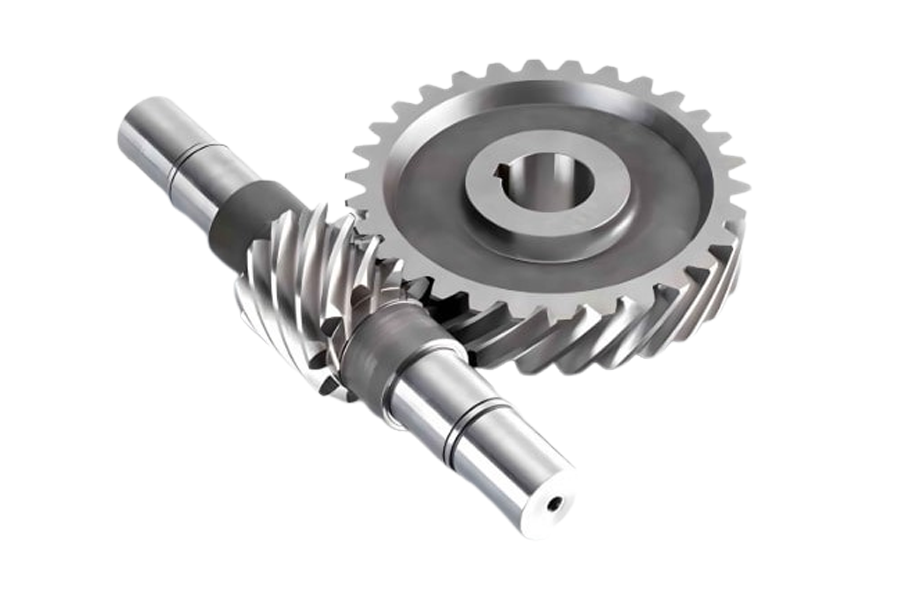
spiral bevel gear.webp

Spiral Bevel Gear: Boost Your Machine Efficiency Today

1. Introduction: Understanding Spiral Bevel Gears

What are Spiral Bevel Gears?

Spiral bevel gears are an essential component of mechanical systems, designed to transmit rotational motion between two intersecting shafts, typically at a 90-degree angle. These gears are known for their unique spiral tooth design, which makes them more efficient than traditional straight bevel gears. The spiral nature of the teeth enables smoother and quieter operation, enhancing overall system performance. In the world of precision machinery, these gears are favored for their ability to handle high torque loads and offer more reliable power transmission in heavy-duty applications.

Importance in Mechanical Systems

In mechanical systems, spiral bevel gears play a crucial role in ensuring that power is transmitted effectively and with minimal loss. Their use is integral to machines that require precise torque transmission, like those found in automotive differentials, aerospace propulsion systems, and industrial machines. Without these gears, the reliability and performance of machinery would be severely compromised. In addition, their ability to operate efficiently in tight spaces makes them indispensable in compact machinery designs.

How They Contribute to Machine Efficiency

The spiral bevel gear’s ability to transmit power with reduced friction is a key factor in improving machine efficiency. Thanks to the spiral shape of their teeth, these gears mesh more smoothly, resulting in less heat generation and lower energy loss. This translates directly into higher operational efficiency, longer equipment life, and reduced maintenance needs. By using spiral bevel gears, businesses can optimize their machines’ performance, which not only boosts productivity but also contributes to a greener, more sustainable manufacturing process.

2. The Basics of Gear Technology

Definition of Bevel Gears

Bevel gears are mechanical components used to transfer rotational motion and torque between two intersecting shafts. Typically, these gears are conical in shape, with teeth that are cut along the surface of the cone. They are used when shafts need to be aligned at angles other than parallel, particularly at right angles. Bevel gears are commonly used in automotive, industrial, and marine applications, where the need for efficient power transmission between angled shafts is paramount.

Types of Bevel Gears

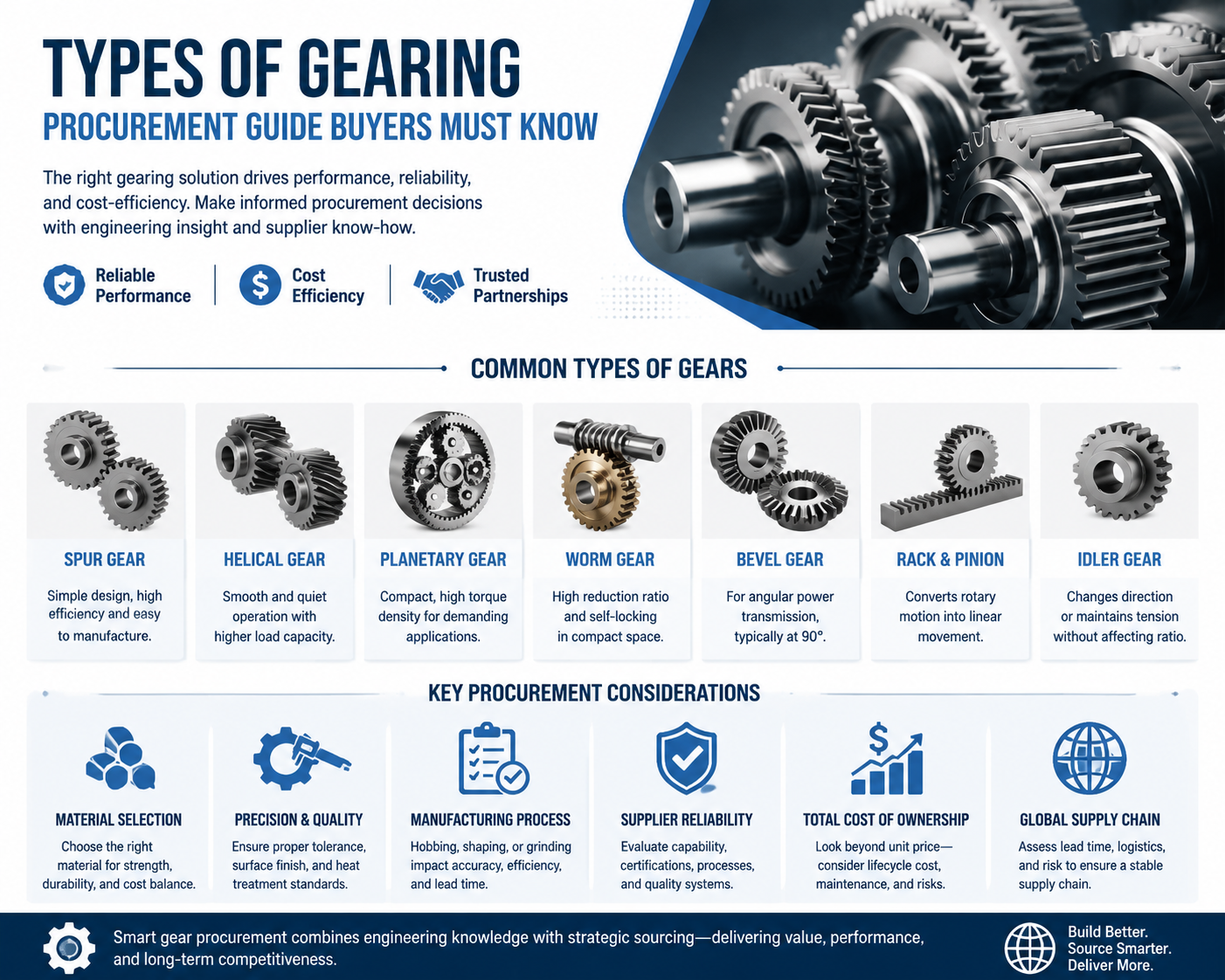
There are several types of bevel gears, with the most common being straight, spiral, and hypoid bevel gears. Straight bevel gears have teeth that are cut along a straight line, making them simpler to design but less efficient at transmitting power. Spiral bevel gears, on the other hand, have angled teeth that create a smoother meshing process, reducing noise and improving efficiency. Hypoid bevel gears, often used in vehicles, have their axes offset, allowing for smoother operation and higher torque transmission at lower speeds.

Key Differences Between Spiral and Straight Bevel Gears

The main difference between spiral and straight bevel gears lies in their tooth design. Spiral bevel gears feature curved teeth that mesh more gradually, resulting in quieter operation and higher efficiency. Straight bevel gears, with their teeth cut along straight lines, tend to produce more noise and vibrations. While straight bevel gears are simpler to manufacture, they are less efficient than spiral bevel gears, which are better suited for high-performance applications that require reduced noise and long-lasting durability.

3. How Spiral Bevel Gears Work

Geometry of Spiral Bevel Gears

The geometry of spiral bevel gears is designed to ensure smooth and consistent engagement between the teeth. The spiral angle of the teeth means that they do not come into contact all at once, but gradually, allowing for a more fluid transfer of torque. This gradual engagement reduces shock loads and distributes forces more evenly across the gear teeth, which ultimately leads to greater efficiency and longevity of the gear.

The Role of Angle and Tooth Design

The angle of the spiral and the shape of the teeth are vital in determining the performance of spiral bevel gears. The spiral angle controls how the teeth come into contact, influencing the gear’s efficiency, noise levels, and ability to handle high loads. The tooth design also affects the contact pattern and the way forces are transmitted through the gear. A carefully calculated tooth profile ensures that the gears will mesh properly and operate smoothly, even under heavy load conditions.

How They Transfer Motion and Torque

Spiral bevel gears transfer motion and torque by meshing their spiral teeth with those of a corresponding gear. As one gear rotates, the teeth engage with those on the other gear, transmitting rotational motion and torque from one shaft to another. The spiral teeth allow for a more even and constant contact, which helps to maintain a continuous motion, reducing the chances of slipping or losing torque. This makes spiral bevel gears ideal for applications requiring consistent and reliable power transmission.

4. Advantages of Spiral Bevel Gears Over Other Gear Types

Reduced Noise and Vibration

One of the standout benefits of spiral bevel gears is their ability to reduce noise and vibration. Unlike straight bevel gears, whose teeth make abrupt contact with one another, the spiral teeth of spiral bevel gears mesh more gradually. This smoother engagement reduces the impact forces that cause noise and vibration, making them the preferred choice in applications where quiet operation is critical, such as in aerospace and automotive industries.

Higher Load Capacity

Spiral bevel gears are designed to handle higher loads compared to their straight bevel counterparts. The spiral tooth design allows for more even distribution of the forces acting on the teeth, preventing localized wear and tear. This not only increases the gear’s load-carrying capacity but also extends its operational lifespan, making spiral bevel gears ideal for heavy-duty machinery that requires continuous high-performance operation.

Improved Durability and Longevity

Due to their smoother operation and better distribution of forces, spiral bevel gears tend to experience less wear and tear than other types of gears. This increased durability translates to longer gear life, reducing the frequency of repairs and replacements. In turn, this results in lower maintenance costs and increased uptime for machines, ultimately improving the overall reliability and efficiency of the system.

5. Applications of Spiral Bevel Gears

Automotive Industry

In the automotive industry, spiral bevel gears are used in differentials to transfer power from the engine to the wheels. Their smooth operation and high load capacity are crucial for handling the torque demands of vehicles. Whether in passenger cars or heavy-duty trucks, spiral bevel gears provide efficient power transmission, contributing to better fuel efficiency, smoother driving experiences, and enhanced vehicle performance.

Industrial Machinery

Spiral bevel gears are also widely used in industrial machinery, where their ability to handle high torque loads and operate efficiently at various speeds is invaluable. From conveyor systems to manufacturing equipment, these gears ensure that machines run smoothly and consistently, even under heavy-duty conditions. Their reliability is crucial in reducing downtime and maintaining high production standards.

Aerospace and Defense

In the aerospace and defense sectors, the precision and durability of spiral bevel gears make them a key component in a wide range of applications. Whether in jet engines, landing gear systems, or military equipment, these gears provide the necessary strength and efficiency to handle extreme operating conditions. Their ability to operate reliably under varying temperatures and pressures makes them indispensable in these high-stakes industries.

6. How Spiral Bevel Gears Improve Machine Efficiency

Enhancing Power Transmission

By using spiral bevel gears, machines experience more efficient power transmission due to the gradual meshing of teeth. This results in less energy lost to friction and heat, allowing the system to run more smoothly and effectively. The efficient transfer of power means that machines require less energy to operate, improving their overall efficiency and reducing operating costs.

Reducing Power Loss

Spiral bevel gears are designed to reduce power loss by minimizing friction during the meshing process. The spiral tooth design ensures that contact between the gears occurs gradually, which lowers the chances of energy being wasted as heat. This reduction in power loss translates to better energy efficiency, which can make a significant difference in industries where energy consumption is a major concern, like manufacturing and transportation.

Increasing System Longevity

The smooth operation of spiral bevel gears helps reduce the wear and tear on other components in the system. By transmitting power more efficiently and with less friction, these gears put less strain on the rest of the machinery. This means that the entire system benefits from longer operational lifespans and reduced maintenance requirements, leading to more reliable and cost-effective operations over time.


7. Material Considerations for Spiral Bevel Gears

Common Materials Used in Manufacturing

Spiral bevel gears are typically made from high-strength materials such as alloy steels, carbon steels, and stainless steels. The choice of material depends on the intended application, with materials like hardened steel offering higher strength and durability for heavy-duty applications. Other materials, such as aluminum alloys or composites, may be used in lighter-duty applications where weight reduction is a priority.

Material Selection Based on Application

When selecting the appropriate material for spiral bevel gears, engineers must consider the operating conditions, such as the expected load, speed, and temperature. For high-performance applications that require exceptional strength and wear resistance, hardened alloy steels are often the material of choice. However, for applications where weight is a concern, lightweight materials like aluminum or composite polymers may be preferred.

How Material Affects Performance

The material of a spiral bevel gear directly affects its performance in terms of strength, wear resistance, and thermal conductivity. For example, materials with higher hardness will perform better under heavy loads and high-stress conditions, but they may be more prone to cracking under extreme temperatures. On the other hand, materials with better thermal conductivity can dissipate heat more effectively, preventing overheating during continuous operation.


8. Manufacturing Process of Spiral Bevel Gears

Overview of the Production Process

The manufacturing of spiral bevel gears involves several complex steps, including material selection, gear cutting, and heat treatment. The process begins with the precise cutting of the gear teeth, which is often done using a method known as face milling or generating. This step requires high-precision machines to ensure the accuracy of the tooth profiles, which is crucial for smooth operation.

Precision Machining Techniques

Precision machining techniques, such as gear hobbing and CNC milling, are employed to create the intricate tooth patterns required for spiral bevel gears. These techniques ensure that the gears meet the tight tolerances required for high-performance applications. The use of advanced machinery guarantees that the teeth are cut to the correct angle, resulting in optimal meshing and reduced wear over time.

The Role of Heat Treatment in Gear Durability

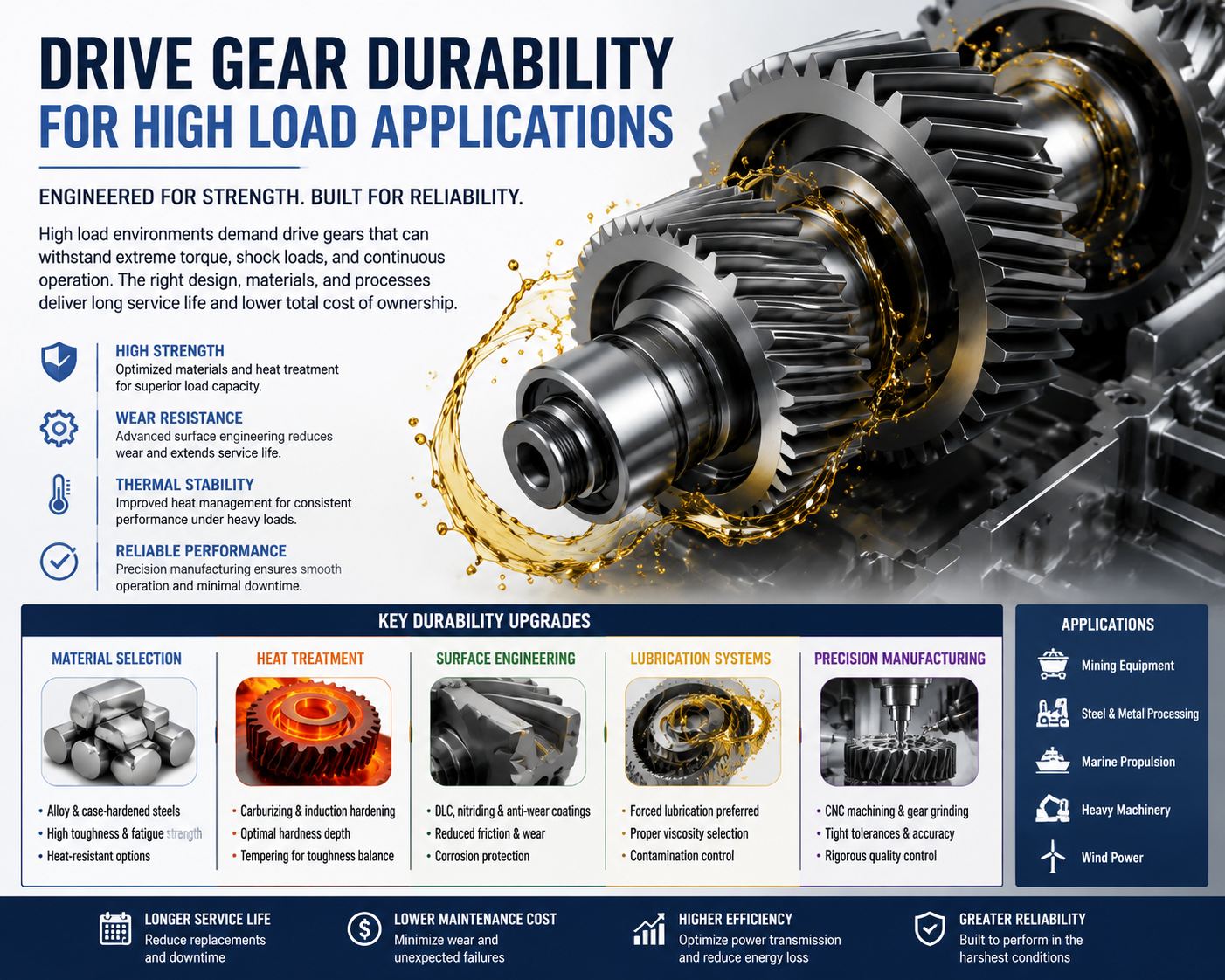
After the gears are machined, they undergo heat treatment processes, such as carburizing or induction hardening, to improve their hardness and wear resistance. Heat treatment helps to strengthen the gear material, ensuring that it can withstand the stresses and loads it will encounter in operation. This step is critical for ensuring the longevity and durability of the gears, especially in applications where high loads and harsh operating conditions are the norm.


9. Key Factors to Consider When Selecting Spiral Bevel Gears

Load and Speed Requirements

When selecting spiral bevel gears, it’s essential to consider the load and speed requirements of the application. The gears must be able to handle the torque and rotational speeds they will encounter without experiencing premature failure. Engineers must calculate the appropriate gear ratios and tooth designs to ensure optimal performance under the expected loads and speeds.

Gear Ratio and Efficiency

The gear ratio plays a significant role in the efficiency of spiral bevel gears. A higher gear ratio can provide more torque, but it may also result in more energy loss due to friction. Balancing the gear ratio to achieve optimal efficiency while still meeting performance requirements is a crucial aspect of the selection process. The goal is to minimize energy loss while maximizing power transmission.

Environmental Factors (Temperature, Lubrication)

Environmental factors, such as temperature fluctuations and lubrication, can significantly impact the performance of spiral bevel gears. High operating temperatures can lead to thermal expansion and increased friction, potentially causing gear wear. Proper lubrication is essential to reduce friction and prevent excessive heat buildup. Engineers must select gears that are capable of operating within the temperature range of their intended environment while ensuring proper lubrication systems are in place.


10. Spiral Bevel Gear Design Considerations

Tooth Geometry and Contact Patterns

The geometry of the teeth and their contact patterns are key factors in ensuring that spiral bevel gears mesh smoothly. The tooth design must be optimized to create a consistent, gradual engagement between the teeth, minimizing friction and wear. Small changes in the tooth profile can make a significant difference in the gear’s performance, affecting efficiency, noise levels, and durability.

Tooth Strength and Durability

Tooth strength is one of the most critical factors in the design of spiral bevel gears. The teeth must be able to withstand the high loads and stresses placed upon them without failing or wearing prematurely. This requires careful selection of materials, as well as precise control of tooth geometry to ensure that the gears can handle the expected load cycles over their lifespan.

Customization for Specific Applications

In many cases, spiral bevel gears need to be customized to meet the specific requirements of an application. Customization can involve adjustments to the tooth geometry, material selection, or manufacturing techniques to ensure the gears perform optimally in their intended environment. Custom-designed gears can provide significant performance benefits, improving the efficiency and reliability of the machine.


11. The Role of Spiral Bevel Gears in Reducing Maintenance Costs

Lower Wear and Tear

Spiral bevel gears help reduce wear and tear on machinery by providing smoother power transmission. The gradual engagement of the teeth results in less friction, leading to lower rates of wear. This not only extends the lifespan of the gears themselves but also reduces the stress placed on surrounding components, which can help decrease the need for maintenance and repairs.

Reduced Need for Frequent Replacements

Because of their durability and efficient operation, spiral bevel gears often require fewer replacements compared to other types of gears. The smoother operation of spiral bevel gears means that they experience less wear, resulting in fewer breakdowns and maintenance interventions. This can lead to substantial cost savings over time, as companies don’t need to replace gears as frequently.

Improved Operational Reliability

The increased reliability of spiral bevel gears translates directly into reduced downtime for machinery. When gears operate smoothly and efficiently, there are fewer chances of failure, which means less time spent on repairs. This reliability is especially important in industries where downtime can lead to significant losses, such as manufacturing and transportation.


12. How Spiral Bevel Gears Contribute to Energy Efficiency

Minimizing Energy Loss in Transmission

One of the primary advantages of spiral bevel gears is their ability to minimize energy loss during power transmission. The gradual engagement of the teeth reduces friction, which in turn lowers the amount of energy lost as heat. This enhanced efficiency means that machines require less energy to operate, contributing to overall energy savings and lower operational costs.

Optimizing Power Conversion

Spiral bevel gears are highly effective at optimizing power conversion in machinery. By efficiently transmitting power between angled shafts, they ensure that more of the input energy is converted into useful output power, rather than being lost to friction or heat. This optimization is crucial in applications where maintaining high efficiency is key to profitability.

The Role in Green Manufacturing Practices

In today’s world, energy efficiency is not just about cutting costs; it’s also about reducing the environmental impact of manufacturing processes. Spiral bevel gears play a significant role in green manufacturing practices by helping to lower energy consumption. Their ability to reduce friction and optimize power transmission directly contributes to the sustainability of manufacturing operations.


13. Challenges in Using Spiral Bevel Gears

Design and Manufacturing Complexity

Designing and manufacturing spiral bevel gears can be more complex than other gear types due to the intricate tooth geometry and high precision required. The manufacturing process demands specialized equipment and expertise to ensure that the gears are cut to the correct specifications. This complexity can lead to higher production costs and longer lead times for manufacturing.

Cost Factors and Budget Constraints

While spiral bevel gears offer superior performance, they can also be more expensive than other gear types, both in terms of raw materials and manufacturing costs. For companies working with tight budgets, balancing performance with cost considerations can be challenging. However, the long-term savings in maintenance and operational efficiency often justify the initial investment.

Addressing Alignment and Installation Issues

The precision required in spiral bevel gears means that any misalignment during installation can lead to significant performance issues. Proper alignment is critical to ensuring that the gears mesh smoothly and operate efficiently. Installation errors can cause increased wear, reduced performance, and even gear failure, so careful attention must be paid during the setup phase.


14. How to Choose the Right Spiral Bevel Gear Supplier

Evaluating OEM/ODM Manufacturers

When selecting a supplier for spiral bevel gears, it’s crucial to evaluate both OEM (Original Equipment Manufacturer) and ODM (Original Design Manufacturer) options. OEM manufacturers specialize in producing gears according to existing designs, while ODM manufacturers can offer custom solutions. Choosing the right manufacturer depends on whether customization is required and the specific needs of the application.

The Importance of Quality Certifications

Quality certifications, such as ISO 9001, are a critical factor when selecting a supplier for spiral bevel gears. These certifications ensure that the manufacturer adheres to strict quality control processes and produces gears that meet high-performance standards. A reputable supplier with proper certifications can help ensure that the gears will function reliably and efficiently in demanding applications.

Understanding Lead Times and Delivery Performance

Lead times and delivery performance are vital considerations when choosing a supplier for spiral bevel gears. Companies should evaluate the supplier’s ability to deliver high-quality gears within the required time frame. Reliable delivery schedules ensure that production lines remain operational and that there are no delays in the supply chain.


15. Cost vs. Quality: What Brand Procurement Professionals Need to Know

Balancing Performance with Budget

Brand procurement professionals are often faced with the challenge of balancing high performance with budgetary constraints. While spiral bevel gears may come at a higher upfront cost, the improved efficiency and reduced maintenance requirements can lead to significant long-term savings. Striking the right balance between cost and performance is key to ensuring that both the brand’s operational goals and budget are met.

Long-Term Value of Investing in High-Quality Gears

Investing in high-quality spiral bevel gears offers long-term value that outweighs the initial cost. These gears are more durable, efficient, and reliable, reducing the frequency of replacements and maintenance. Over time, the cost savings from fewer repairs and higher operational efficiency can more than make up for the initial investment, making them a smart choice for businesses focused on long-term performance.

How to Calculate ROI on Gear Upgrades

Calculating the return on investment (ROI) for gear upgrades involves considering factors like increased efficiency, reduced maintenance costs, and extended operational lifespan. Procurement professionals can use these metrics to evaluate the potential benefits of upgrading to spiral bevel gears. By comparing the upfront costs with the projected savings, companies can make informed decisions on gear upgrades that maximize ROI.


16. Future Trends in Spiral Bevel Gear Technology

Advancements in Gear Materials

The future of spiral bevel gears lies in advancements in materials science, which will lead to even stronger, lighter, and more durable gears. New alloys and composite materials will further enhance the gears’ performance, making them capable of handling higher loads and operating in more demanding environments. These advancements will also allow for greater customization to meet the specific needs of modern machinery.

The Role of Automation and AI in Gear Design

Automation and AI are increasingly playing a role in the design and manufacturing of spiral bevel gears. Advanced software tools can simulate gear performance under various conditions, optimizing tooth geometry and material selection before production even begins. AI can also improve the manufacturing process by automating precise cutting and inspection techniques, leading to more efficient production and higher-quality gears.

How New Innovations Will Shape Machine Efficiency

The ongoing development of spiral bevel gears will continue to shape machine efficiency across industries. As technology advances, gears will become even more efficient at transferring power with minimal energy loss. New innovations will also focus on reducing manufacturing costs, making high-performance gears more accessible to a wider range of industries, and enabling even greater improvements in operational efficiency and sustainability.

发表回复

您的邮箱地址不会被公开。 必填项已用 * 标注

Consult