Gear Rack – High-Performance Industrial Applications
Custom-engineered for mechanical efficiency, durability, and reliability
definition of Our Gear Rack
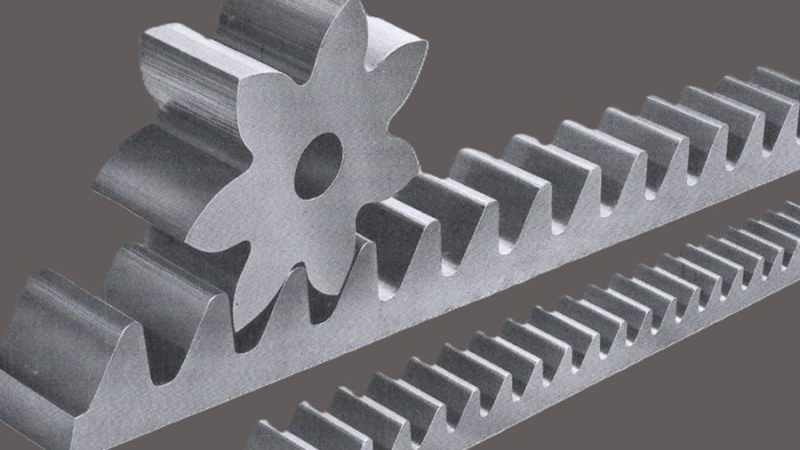
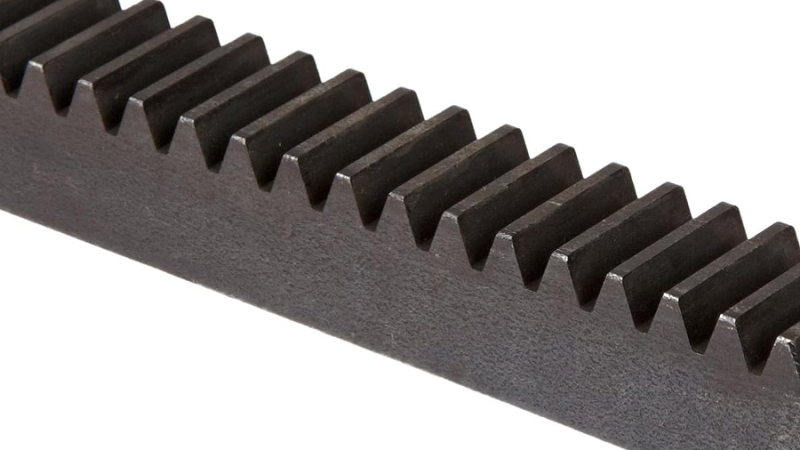
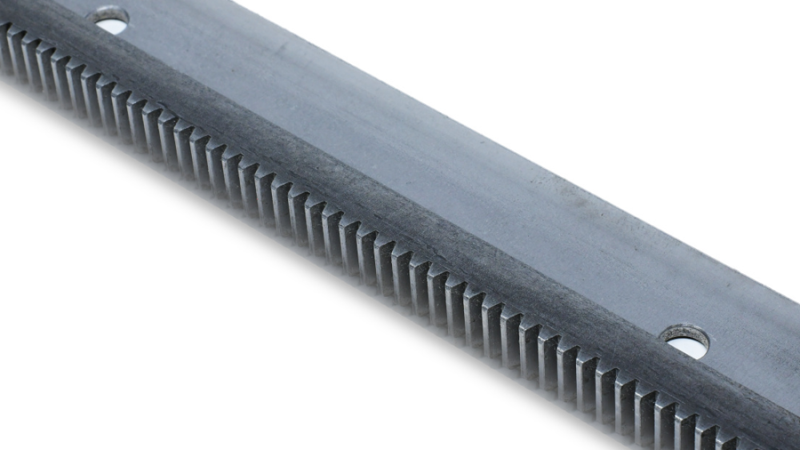
As a mechanical element to transfer rotary into linear motion, gear racks are often compared to ball screws. There are pros and cons for using racks in place of ball screws. The advantages of a gear rack are its mechanical simplicity, large load carrying capacity, and no limit to the length, etc. One disadvantage though is the backlash. The advantages of a ball screw are the high precision and lower backlash while its shortcomings include the limit in length due to deflection.
Rack and pinions are used for lifting mechanisms (vertical movement), horizontal movement, positioning mechanisms, stoppers and to permit the synchronous rotation of several shafts in general industrial machinery. On the other hand, they are also used in steering systems to change the direction of cars. The characteristics of rack and pinion systems in steering are as follows: simple structure, high rigidity, small and lightweight, and excellent responsiveness. With this mechanism, the pinion, mounted to the steering shaft, is meshed with a steering rack to transmit rotary motion laterlly (converting it to linear motion) so that you can control the wheel. In addition, rack and pinions are used for various other purposes, such as toys and lateral slide gates.
Features of Our Gear Rack
Features
- No particle generation caused by tooth surface wear
- Lubrication-free operation
- Barrier transmission enables seal-less structures
- Low noise and vibration through non-contact power transmission
- Easier assembly with high angular and eccentric misalignment tolerance
- Natural magnetic slipping under overload improves safety
Applications of Our Gear Rack

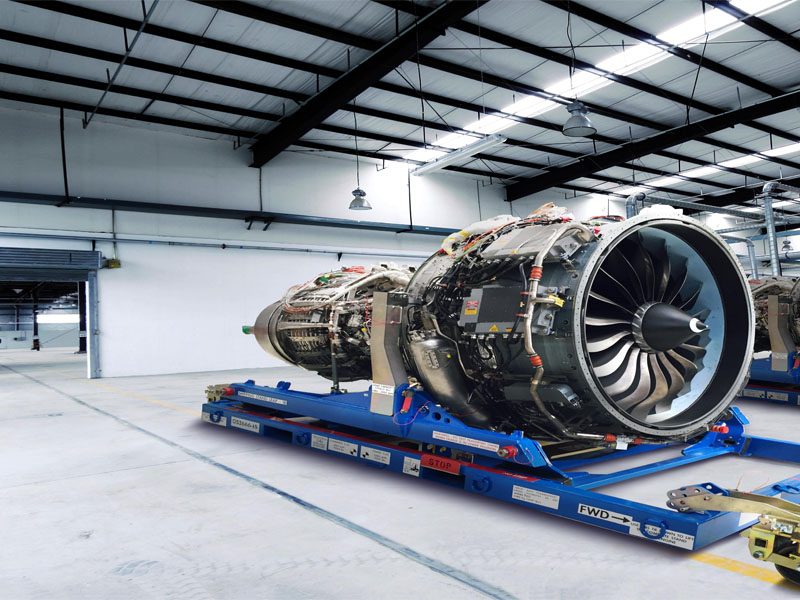
Aerospace Equipment

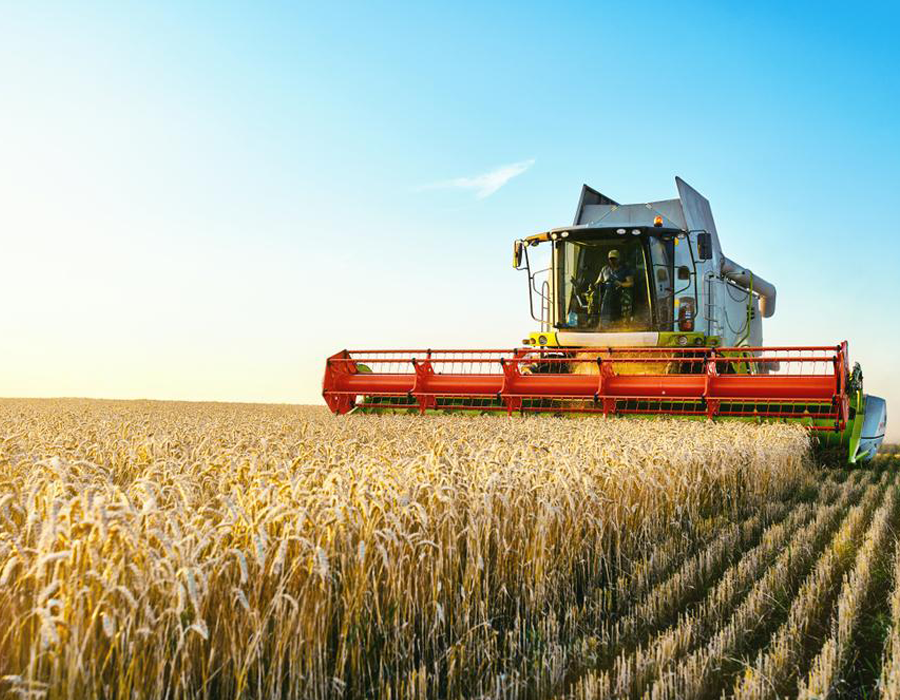
Agricultural Machinery

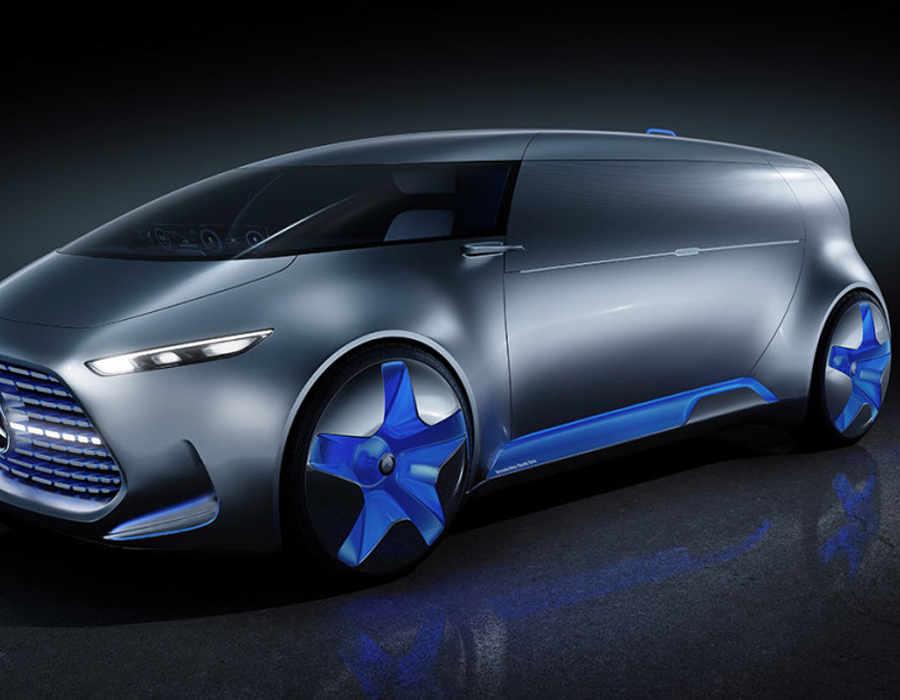
Automotive

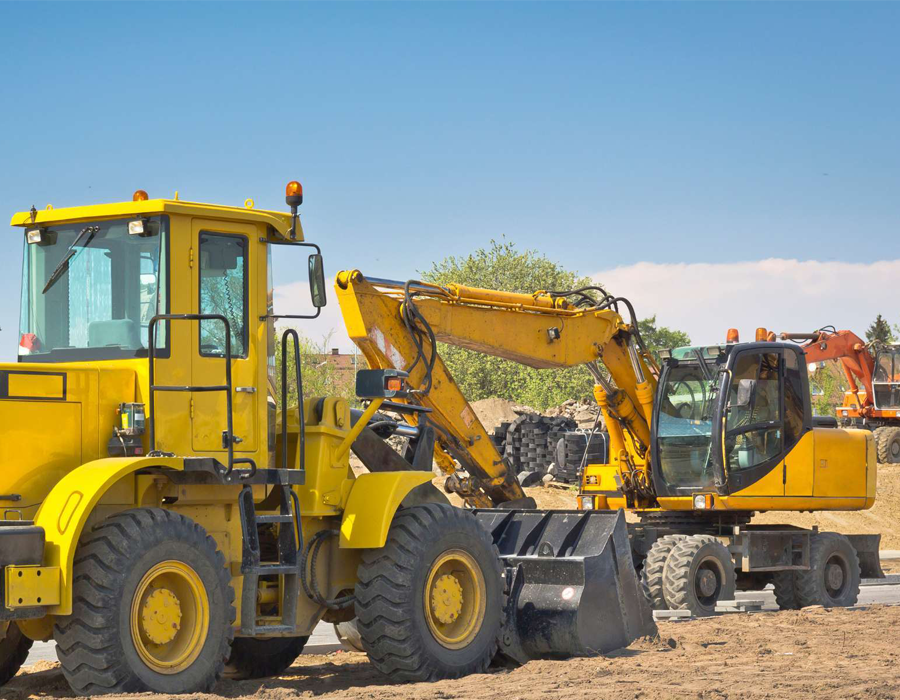
Construction Equipment

Power Transmission

Machine Tools

Robotics

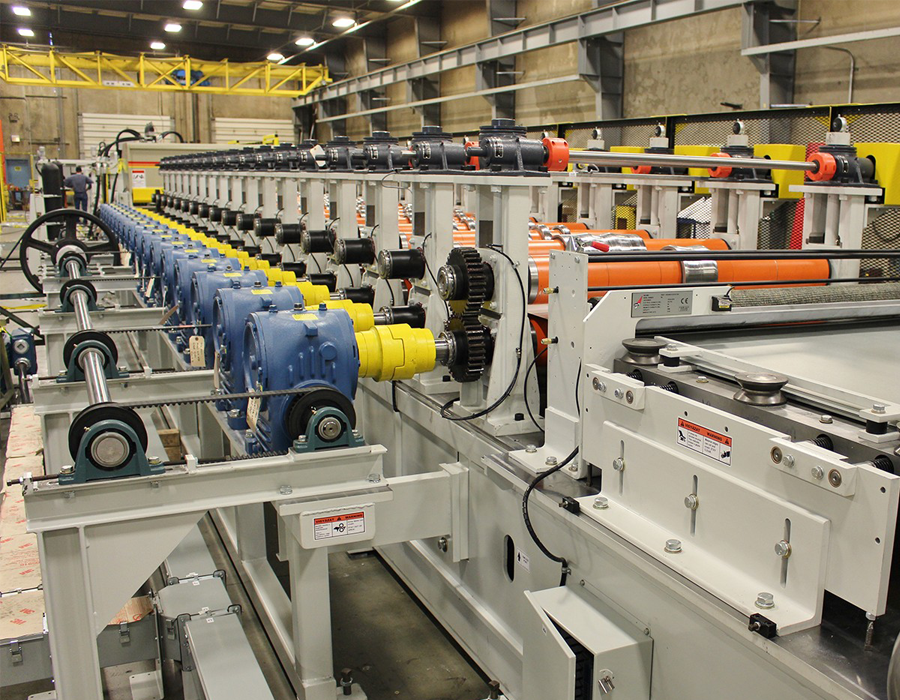
Industrial Equipment
Custom Gear Rack Service
Custom Gear Rack Services
HiMaxGear offers extensive manufacturing services for gears, gear parts and assemblies. With highly skilled technicians, manufacturing expertise and a fully equipped facility, we can perform the precision service you need for your custom gear project.
- Hobbing – Worm Gears, Helical Gears, Shafts, Spur Gears, Splined Shafts, Sprockets
- Shaping – Spur Gears, Segments, Internal, External, and Splines
- Gear Grinding – Profile and Generating, Spur Gears, Helical Gears, and Crown Gears
- Thread Milling – Single- and Multi-Start Worms
- Thread Grinding – CNC, Single-Start, Multi-Start, External Worms and Threads
- Broaching
- CNC Machining – Drilling, Milling, and Tapping
- CNC Turning – Vertical and Horizontal
- Grinding – OD, ID, and Surface
- Inspection – Gear Analyzers, 3D Scanners, CMM and Manual Capabilities.
- Assembly
- Protoyping
Ten quality control processes

Incoming material inspection

First inspection of the process

Operator self-inspection

In-process inspection

Specialized inspection

End-of-process inspection

Finished product inspection

package

qa re inspection

Customer feedback improvement
Frequently Asked Questions - FAQ
What is a gear rack and how does it work with a pinion?
Gear racks convert rotational motion of a pinion into linear motion with high precision.
What materials are best suited for industrial gear racks?
Alloy steel, carbon steel, and stainless steel are standard, with optional coatings for wear and corrosion resistance.
What tolerances can you achieve on gear racks?
Our gear racks comply with DIN and ISO standards, with high precision suitable for heavy-duty applications.
Can gear racks be customized for specific machine layouts?
Yes, we provide custom modules, lengths, and pitch to match OEM requirements.
What is the maximum load capacity of your gear racks?
Load depends on module, material, and design; we provide technical calculations to ensure safe operation.
Do you offer helical gear racks for smoother operation?
Yes, helical gear racks are available for applications requiring reduced noise and higher torque transfer.
What surface treatments are available?
Options include case hardening, nitriding, chrome plating, and anti-corrosion coatings.
How do you ensure quality and precision?
Every gear rack is inspected with advanced measurement equipment and tested for dimensional accuracy and hardness.
Can you provide CAD drawings for integration?
We offer spur gears with various gear ratios, from simple 1:1 to complex multi-stage ratios, tailored to the requirements of your machinery.
What industries commonly use your gear racks?
CNC machinery, robotics, automated material handling, heavy equipment, and industrial automation systems.