Planetary Gears – Precision & Efficiency for Industrial Applications
Precision Engineered Planetary Gears for Your Application
definition of Our Planetary Gears
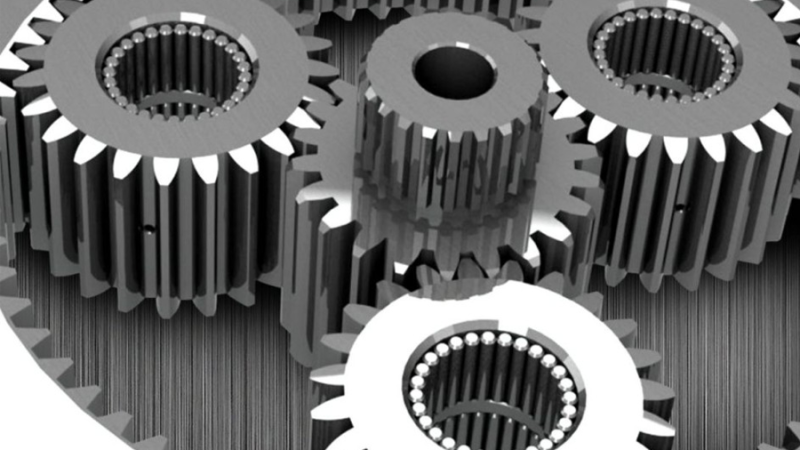
Our Planetary Gears are precision-engineered mechanical components designed to transmit rotary motion and power between parallel shafts. Manufactured using high-quality materials such as carbon steel, alloy steel, and cast iron, these gears are produced with utmost accuracy to ensure efficient performance, minimal wear, and long-lasting durability. Ideal for a wide range of industrial applications, our spur gears are custom-made to meet the specific requirements of each client, offering tailored solutions in terms of size, material, tooth profiles, and more. Whether for high-torque or high-speed applications, our spur gears are built to deliver reliable and optimal power transmission in diverse mechanical systems.
Features of Our Spur Gears
Features
- Planetary gears can transmit a large amount of torque in a relatively small package
- The design of planetary gears is inherently compact, making them suitable for systems with size and weight constraints
- In a planetary gear system, the load is distributed across multiple gears (sun, planet, and ring gears), which helps reduce wear and tear on individual components
- Planetary gears are known for their high mechanical efficiency due to their design, which minimizes friction and energy loss
- Planetary gears can be customized to meet specific performance requirements
- Because of the multiple contact points between gears and the even load distribution, planetary gears operate smoothly with reduced noise and vibration
Applications of Our Spur Gears
Custom Spur Gears Service
Custom Planetary Gears Services
HiMaxGear offers extensive manufacturing services for gears, gear parts and assemblies. With highly skilled technicians, manufacturing expertise and a fully equipped facility, we can perform the precision service you need for your custom gear project.
- Hobbing – Worm Gears, Helical Gears, Shafts, Spur Gears, Splined Shafts, Sprockets
- Shaping – Spur Gears, Segments, Internal, External, and Splines
- Gear Grinding – Profile and Generating, Spur Gears, Helical Gears, and Crown Gears
- Thread Milling – Single- and Multi-Start Worms
- Thread Grinding – CNC, Single-Start, Multi-Start, External Worms and Threads
- Broaching
- CNC Machining – Drilling, Milling, and Tapping
- CNC Turning – Vertical and Horizontal
- Grinding – OD, ID, and Surface
- Inspection – Gear Analyzers, 3D Scanners, CMM and Manual Capabilities.
- Assembly
- Protoyping
Ten quality control processes

Incoming material inspection

First inspection of the process

Operator self-inspection

In-process inspection

Specialized inspection

End-of-process inspection

Finished product inspection

package

qa re inspection

Customer feedback improvement
Frequently Asked Questions - FAQ
What is a planetary gear system and how does it work?
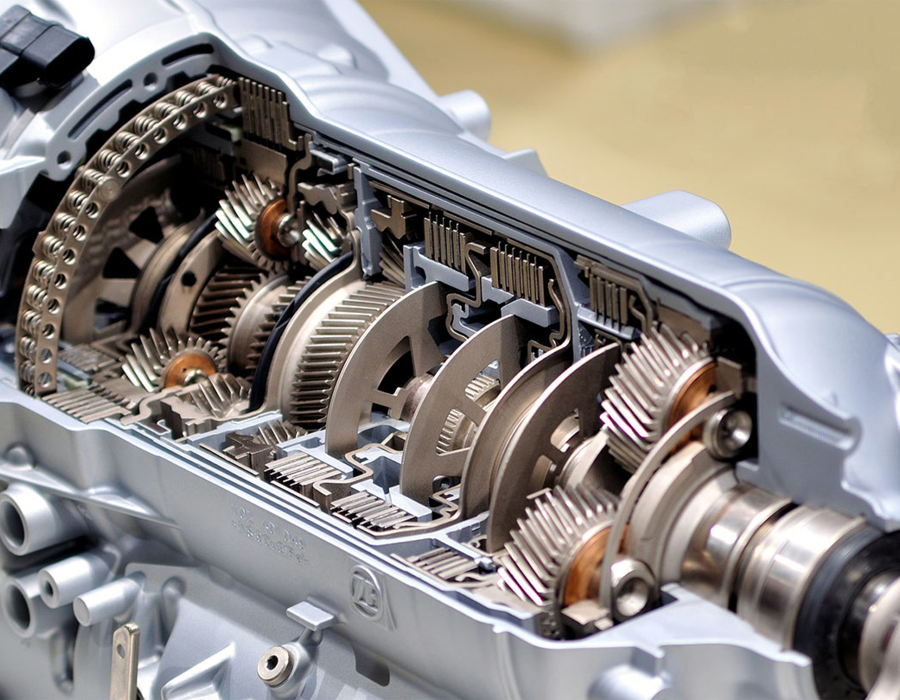
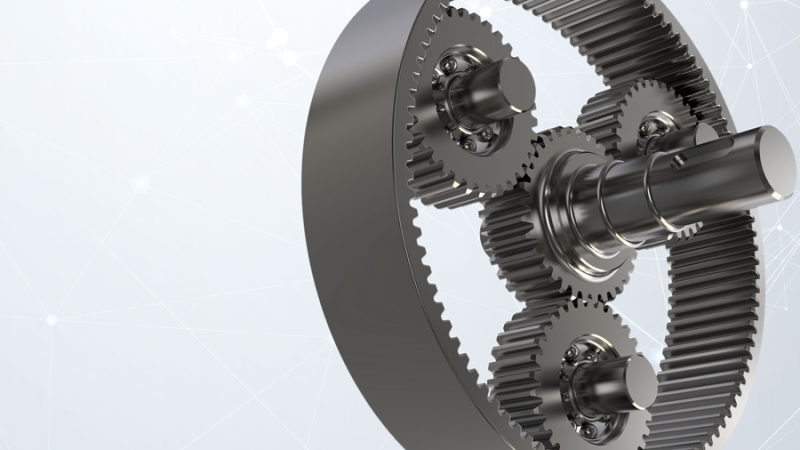
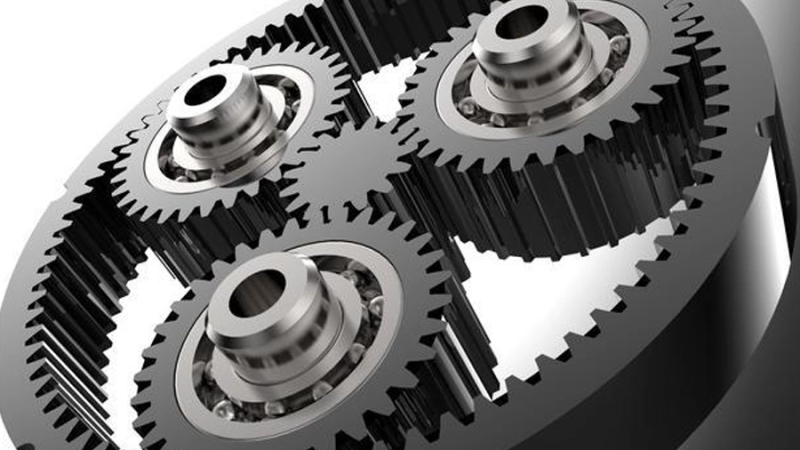
: A planetary gear system consists of a central sun gear, planetary gears, and a ring gear. The planetary gears rotate around the sun gear, distributing the load evenly and allowing for high torque transmission in a compact package.
What are the benefits of using planetary gears over other gear types?
Planetary gears offer higher torque density, greater efficiency, reduced noise, and a more compact design compared to traditional gear systems. They are ideal for applications requiring high power in small spaces.
Can planetary gears be customized for specific applications?
Yes, planetary gears can be customized in terms of size, gear ratio, material, and performance characteristics to suit unique industrial requirements.
What industries use planetary gears?
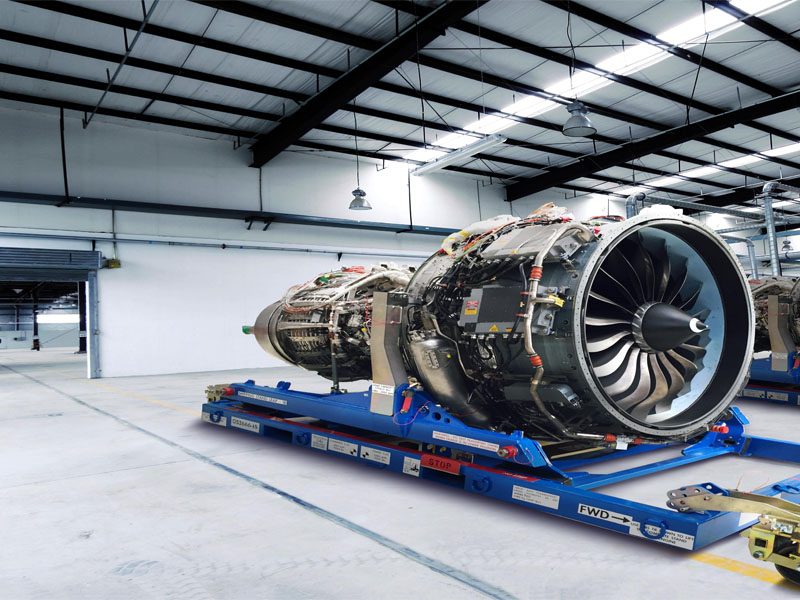
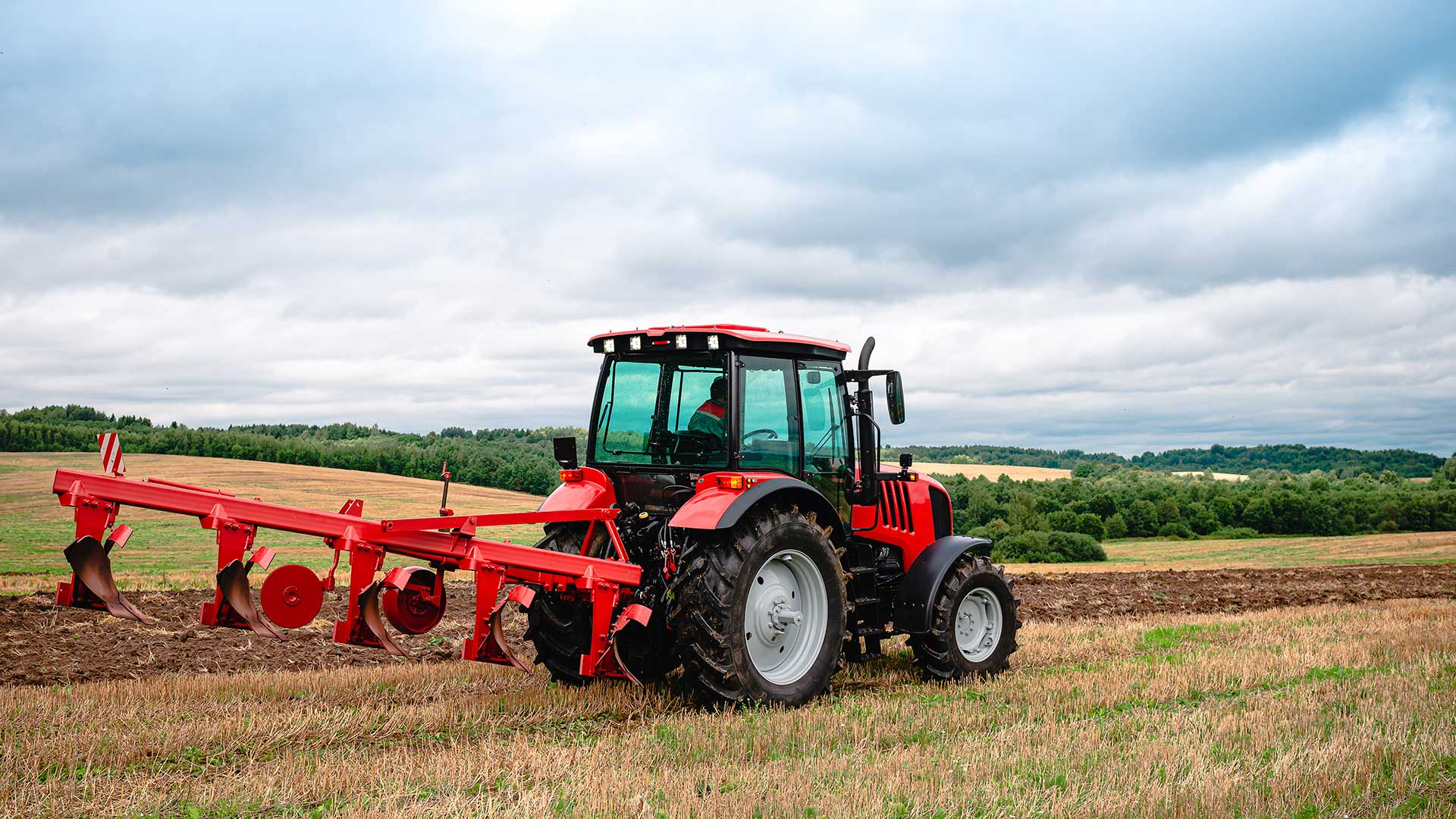
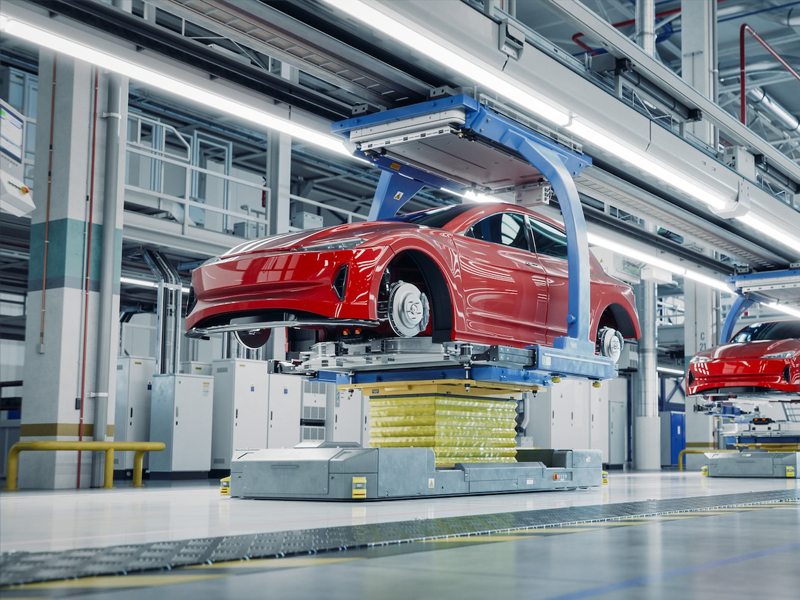
Common industries include automotive, aerospace, robotics, renewable energy, and heavy machinery.
What is the maximum diameter of spur gears that you can produce?
Planetary gears are typically made from high-strength materials such as steel, stainless steel, and special alloys to ensure durability and reliability under heavy loads.
What are the typical gear ratios available for planetary gears?
Planetary gears can be designed with a wide range of gear ratios, typically from 3:1 to 100:1, depending on the application and required torque.
How do planetary gears reduce noise and vibration?
The load distribution across multiple planetary gears helps reduce the overall stress on the system, which leads to quieter and more stable operation.
What are the main factors to consider when selecting planetary gears?
Key factors include the required torque, gear ratio, space constraints, noise levels, and environmental conditions (such as temperature or exposure to chemicals).
What are the advantages of using precision planetary gears?
Precision planetary gears offer higher accuracy, improved efficiency, and longer service life, making them ideal for high-performance applications like robotics and CNC machinery.
How do I maintain planetary gears?
Regular lubrication, proper alignment, and inspection for wear are essential to maintaining planetary gears. It’s also important to ensure that the gears are operated within their specified load limits.