1. Why Choosing a Reliable Industrial Gear Manufacturer Matters
1.1 The Role of Industrial Gears in Machine Efficiency
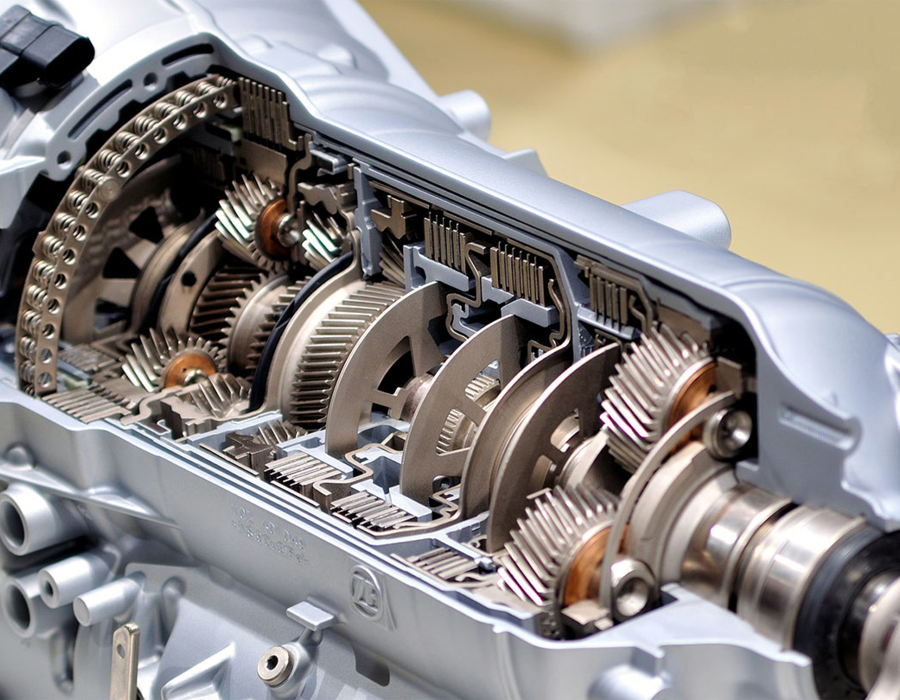
Industrial gears are the unsung heroes of manufacturing, silently translating torque and rotational motion into precise mechanical performance that can make or break production efficiency. Without high-caliber gears, even the most cutting-edge machines will groan under stress, sputter, or worse, fail catastrophically. Picture your assembly line as a pickleball match: if your paddle—or in this case, your gear—doesn’t transfer energy efficiently, every swing is wasted, and performance tanks. Reliable gears streamline motion, reduce energy loss, and ultimately save operators from dealing with expensive downtime.
1.2 Common Challenges with Unreliable Suppliers
Working with a sketchy gear supplier is like showing up to a tournament without a paddle—you’re asking for trouble. Common pitfalls include inconsistent tolerances, delivery delays, and substandard materials that wear faster than a cheap pickleball court line. Such inconsistencies ripple through your production, causing unscheduled maintenance, equipment breakdowns, and supply chain headaches. Suppliers who cut corners or exaggerate capabilities may look good on paper, but their products often fail when the pressure is on, creating costly disruptions that no engineer wants to face.
1.3 The Impact of Gear Quality on Operational Costs
High-quality gears aren’t just about avoiding breakdowns; they directly influence your operational expenditure. Precision-machined gears reduce vibration, minimize friction, and extend machine life, which translates into lower maintenance bills and energy consumption. On the flip side, poorly manufactured gears require frequent replacements and downtime, increasing overhead and eating into margins. Investing in reliable gear manufacturing upfront is like choosing a high-end pickleball paddle—you pay more initially, but the performance payoff lasts for years.
2. Understanding Your Production Needs
2.1 Assessing the Types of Gears Required
Before even talking to manufacturers, map out the specific gear types your machines demand—spur, helical, bevel, or worm gears each have unique stress tolerances and applications. Misidentifying your needs can result in misfits that grind your machinery to a halt, so consider torque requirements, rotation speed, and operational environment when evaluating gear types.
2.2 Evaluating Volume and Scale Requirements
Your supplier needs to match not just the type of gears but also your production scale. Are you looking at a one-off prototype run or high-volume mass production? Understanding whether you need batch precision or continuous manufacturing ensures the supplier can deliver without hiccups, preventing bottlenecks down the line.
2.3 Determining Precision and Tolerance Standards
Precision isn’t negotiable. Even a slight deviation in gear tolerance can lead to uneven load distribution, excessive noise, and accelerated wear. Establishing clear tolerance thresholds—micron-level if necessary—ensures the manufacturer can meet or exceed your standards, keeping your equipment humming along smoothly.
3. Key Factors of Reliability in Gear Manufacturers
3.1 Manufacturing Technology and Equipment
A reliable manufacturer invests in top-tier machinery: CNC machines, gear hobbing systems, and surface finishing equipment capable of delivering consistent precision. Cutting-edge technology enables tighter tolerances, repeatable performance, and minimal defects.
3.2 Quality Control and Testing Processes
Inspection protocols like coordinate measuring machines (CMM), hardness testing, and runout analysis are non-negotiable. These processes catch issues before they leave the factory floor, preventing your team from scrambling to troubleshoot poor-quality gears after installation.
3.3 Industry Certifications and Compliance
ISO certifications, RoHS compliance, and other industry standards are not just badges—they’re assurances that a manufacturer follows rigorous procedures and adheres to global best practices, instilling confidence that your gears will perform reliably.
4. OEM vs ODM: Which Approach Fits Your Brand
4.1 Differences Between OEM and ODM Services
OEM (Original Equipment Manufacturer) focuses on producing your design with fidelity, while ODM (Original Design Manufacturer) brings their engineering and design expertise to create customized solutions. Choosing between the two hinges on whether you want full design control or a partner to co-engineer solutions.
4.2 Pros and Cons of Each Model for Reliability
OEM ensures your exact specifications are respected, reducing risk of design errors but may limit innovative improvements. ODM can optimize performance and materials but requires trust in the manufacturer’s engineering judgment. Both have implications for gear reliability and consistency.
4.3 Choosing the Best Model for Your Production Goals
Match your strategy to your brand’s priorities: stick with OEM if precision and repeatability are non-negotiable, or leverage ODM if you need customized solutions and flexibility, balancing risk and innovation.
5. Evaluating Manufacturing Experience and Track Record
5.1 Years of Experience and Industry Reputation
A veteran manufacturer has seen every problem under the sun, from material defects to machining bottlenecks. Longevity often correlates with refined processes and institutional knowledge that newer players may lack.
5.2 Case Studies of Successful Client Partnerships
Concrete examples of past successes highlight a manufacturer’s ability to handle complex gear requirements and tight deadlines. These case studies provide insight into how they adapt to unforeseen challenges while maintaining quality.
5.3 References and Customer Testimonials
Nothing beats hearing directly from other brand procurement professionals. Positive references confirm reliability claims and illuminate real-world service levels, helping you separate marketing hype from reality.
6. Material Selection and Gear Longevity
6.1 Common Materials Used in Industrial Gears
From hardened steel and alloyed metals to advanced composites, the choice of material defines durability, weight, and performance under stress. Each material carries trade-offs in cost, machinability, and wear resistance.
6.2 How Material Choice Impacts Durability
Gears made from high-strength alloys resist fatigue and deformation, especially in high-torque applications. Material selection directly affects lifespan, maintenance frequency, and the likelihood of unexpected failures.
6.3 Custom Material Solutions for Specialized Machines
For niche applications, manufacturers may offer proprietary blends or heat treatments to optimize performance. These tailored materials ensure gears can withstand unique operating conditions without compromise.
7. Precision Engineering and Machining Capabilities
7.1 CNC and Advanced Machining Technologies
Computer Numerical Control (CNC) and multi-axis machining allow for intricate gear geometries and consistent tolerances. Advanced software tools integrate with production lines, streamlining design-to-manufacture workflows.
7.2 Accuracy Standards and Tolerance Metrics
Specifying acceptable runout, backlash, and surface finish parameters ensures predictable gear performance. Manufacturers who can consistently meet these metrics minimize vibration and wear in your machines.
7.3 Prototype and Small-Batch Production Options
Before committing to large-scale orders, reliable manufacturers offer prototypes or limited runs to validate performance, allowing engineers to fine-tune specifications without risking full production.
8. Supply Chain Stability and Lead Times
8.1 Understanding Production Capacity and Scheduling
Ensure the manufacturer has capacity to meet your demands, especially during peak production periods. Capacity planning avoids delays and prevents costly interruptions in your assembly line.
8.2 Managing Risks in Raw Material Supply
Manufacturers with diversified sourcing strategies mitigate risks like material shortages, shipping delays, or price spikes. This stability is critical to maintaining consistent delivery schedules.
8.3 Strategies for Ensuring Timely Delivery
Clear agreements, safety stock levels, and transparent lead times allow procurement teams to plan effectively, ensuring your production schedules stay intact.
9. Cost Considerations Without Compromising Reliability
9.1 Comparing Pricing Models Across Manufacturers
Don’t just look at per-unit cost; factor in setup fees, tooling charges, and shipping. A seemingly cheap quote can balloon into hidden expenses if reliability isn’t guaranteed.
9.2 Hidden Costs and Total Cost of Ownership
Consider maintenance frequency, energy efficiency, and potential downtime costs. Investing slightly more upfront for high-quality gears often yields significant savings over time.
9.3 Balancing Cost with Long-Term Performance
Striking the right balance between price and reliability ensures your brand delivers consistent product quality without breaking the budget. Think of it as choosing a premium pickleball paddle over the bargain model—it pays off in longevity and performance.
10. Communication, Support, and After-Sales Service
10.1 Importance of Transparent Communication Channels
Clear and responsive communication reduces misunderstandings, streamlines design iterations, and ensures deadlines are met. A manufacturer that communicates proactively is a partner, not just a vendor.
10.2 Technical Support During Production and Installation
Hands-on support during setup, calibration, or troubleshooting ensures gears integrate seamlessly into your machinery, preventing costly errors.
10.3 Warranty, Maintenance, and Service Agreements
Reliable manufacturers back their products with warranties and service commitments, offering peace of mind and predictable maintenance schedules for long-term efficiency.
11. Red Flags to Avoid When Choosing a Gear Manufacturer
11.1 Signs of Inconsistent Product Quality
Frequent defects, inconsistent tolerances, or lack of test reports are glaring warning signs. Avoid manufacturers that can’t guarantee repeatable precision.
11.2 Lack of Certifications or Industry Standards
A manufacturer without recognized certifications may cut corners in critical processes. This oversight can jeopardize both performance and compliance with industry regulations.
11.3 Poor Customer Feedback and Support
Negative reviews, unresolved complaints, or unresponsive service teams indicate potential risks for procurement professionals. Prioritize vendors with a strong track record of client satisfaction.
12. Final Checklist: Selecting a Reliable Industrial Gear Manufacturer
12.1 Prioritizing Critical Reliability Factors