Table of Contents
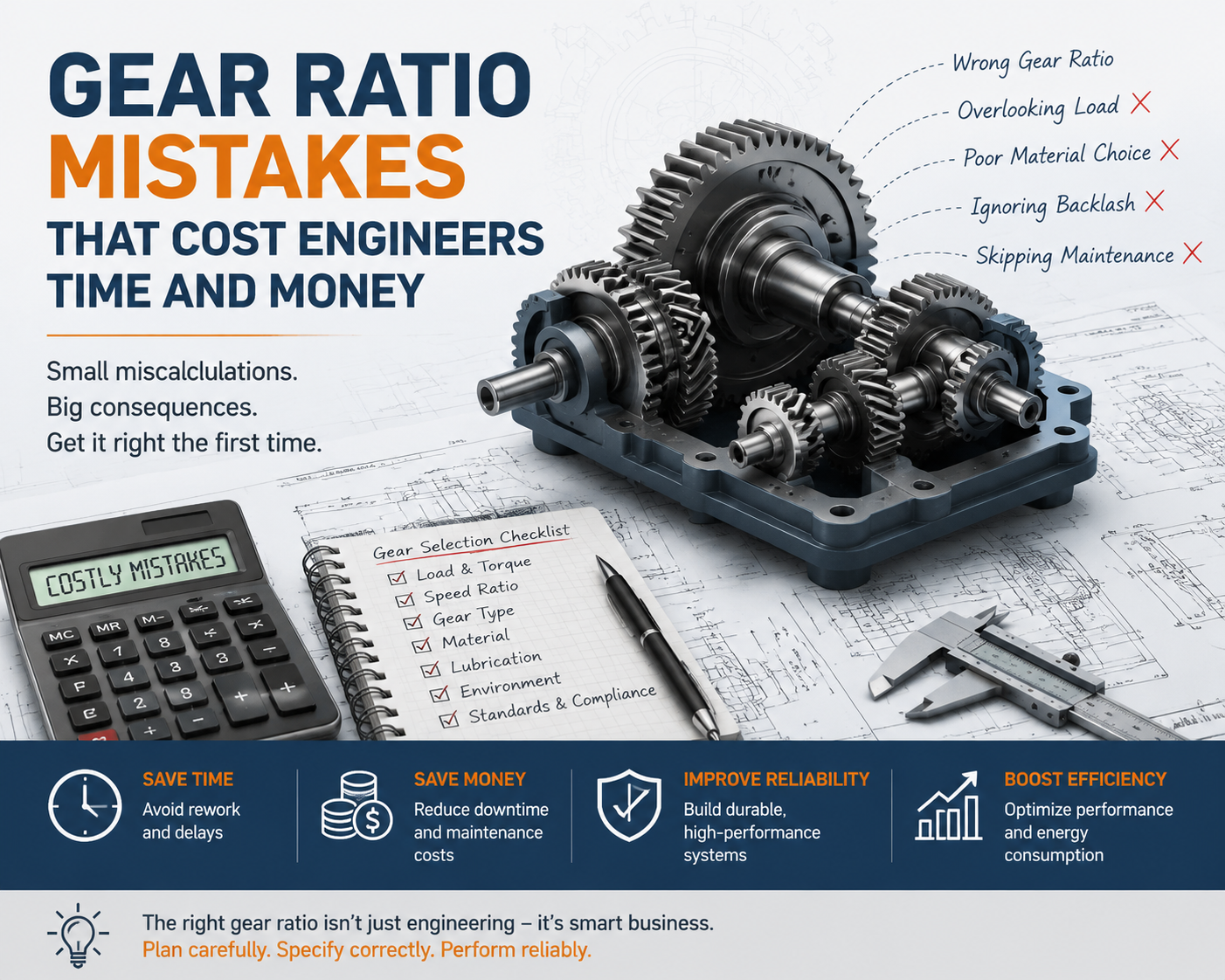
Gear Ratio Mistakes That Cost Engineers Time
Gear Ratio Mistakes That Cost Engineers Time and Money
1. Introduction to Gear Ratios
1.1 What Gear Ratios Are and How They Work
Gear ratios are essentially the secret sauce of mechanical systems, dictating how rotational force, or torque, is transferred from one gear to another. Put simply, it’s the ratio of the number of teeth on two meshing gears, and it determines how fast or slow the driven gear will spin relative to the driver. Engineers know that this isn’t just about speed; it’s about control, efficiency, and ultimately, the smooth dance of mechanical components working in perfect harmony. Understanding the nuances of gear ratios is like understanding the rhythm in a symphony—get it wrong, and the whole system grinds to a discordant halt.
1.2 Importance of Gear Ratios in Mechanical Systems
Gear ratios dictate performance metrics, from torque multiplication to energy efficiency, and even vibration control. In high-precision machinery, the slightest miscalculation can ripple across the system, causing wear, inefficiencies, and even catastrophic failures. For procurement professionals, a well-calculated gear ratio isn’t just an engineering necessity—it’s a cost-saving measure, ensuring that every dollar spent on components delivers the expected mechanical performance.
1.3 Common Misconceptions About Gear Ratios
A prevalent misconception is that a higher gear ratio always translates to more speed or more power. In reality, it’s a balancing act; too aggressive a ratio can overload components, while too conservative a ratio can sap efficiency. Some engineers also assume that gear ratios are one-size-fits-all, ignoring that each application—from conveyors to CNC machines—demands bespoke calculations tailored to load, speed, and operational conditions.
2. The Financial Impact of Gear Ratio Errors
2.1 Costs of Incorrect Gear Selection
Choosing the wrong gear ratio can result in immediate financial consequences, from scrapped parts to expensive redesigns. In large-scale systems, even a minor miscalculation can cascade into multi-thousand-dollar losses, particularly if the misalignment causes premature wear or component failure.
2.2 Downtime and Production Delays
The hidden cost often overlooked is downtime. A mismatched gear ratio can halt production lines, forcing engineers and maintenance teams to troubleshoot and replace parts. Time lost on the factory floor translates directly into lost revenue, not to mention potential contractual penalties if delivery timelines are missed.
2.3 Long-Term Maintenance Expenses
Incorrect gear ratios accelerate wear, leading to frequent replacements, bearing failures, and increased lubrication demands. Over the lifespan of a machine, these hidden expenses can far outstrip the initial cost savings from choosing cheaper or off-the-shelf gears, turning a small procurement decision into a long-term financial headache.
3. Understanding Gear Ratio Calculations
3.1 Basic Formulas and Principles
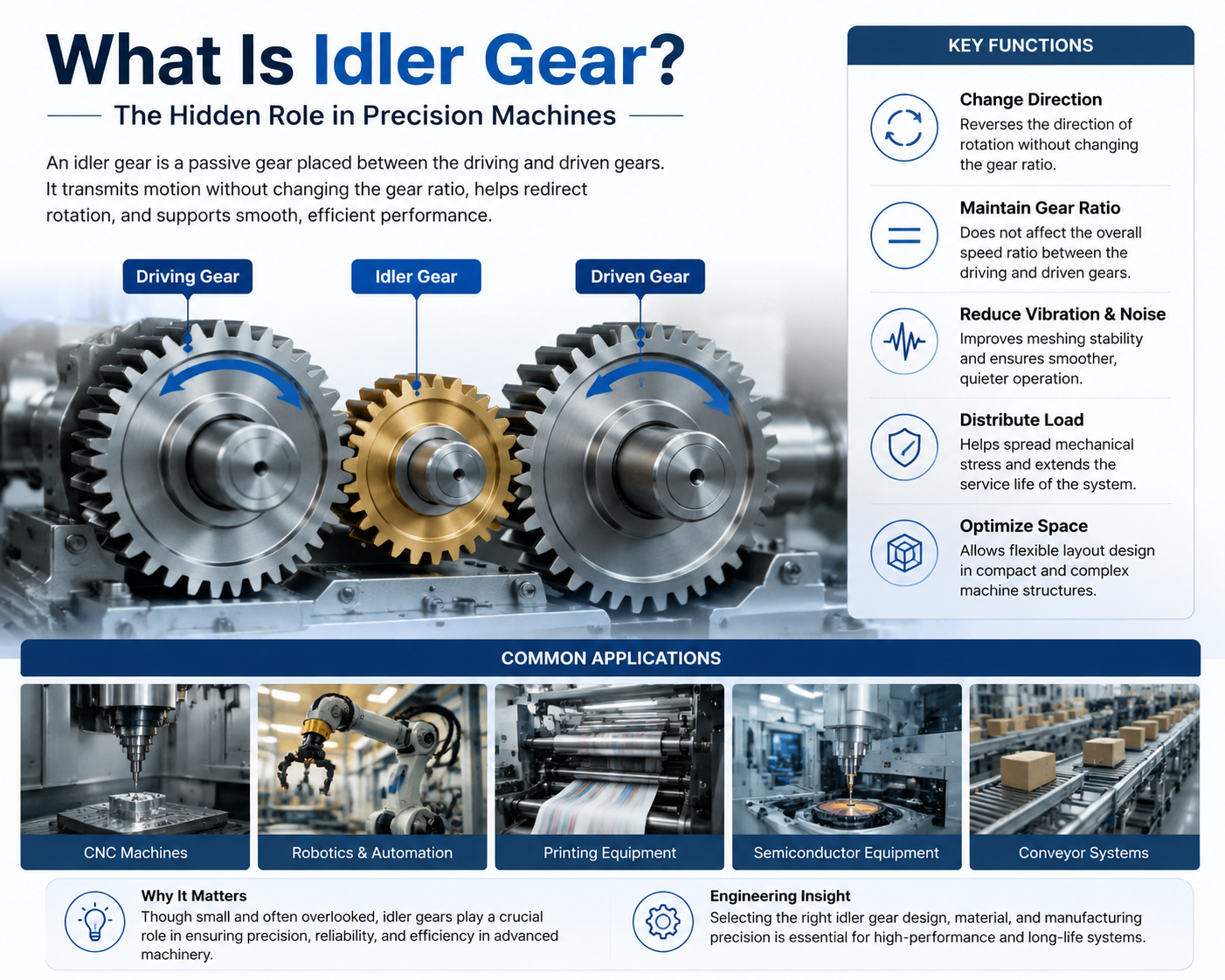
The foundational formula—gear ratio equals the number of teeth on the driven gear divided by the number of teeth on the driver—is deceptively simple. However, factors like compound gearing, planetary systems, and idler gears add layers of complexity that must be accounted for to avoid miscalculations. Learn more about gear fundamentals on Wikipedia.
3.2 Impact of Incorrect Calculations
A miscalculated gear ratio can cause underperformance, overloading, or outright mechanical failure. The consequences aren’t always immediate; sometimes, stress accumulates subtly, producing vibration, noise, and gradual component degradation.
3.3 Tools and Software for Accurate Computation
Modern CAD software and simulation tools allow engineers to model gear interactions under varying loads and speeds. These digital twins help preempt costly mistakes by revealing inefficiencies before any metal is cut or assembled. Industry examples include AGMA software tools found at AGMA.org.
4. Overlooking Load Requirements
4.1 Misjudging Torque and Speed Needs
A common pitfall is assuming that a gear ratio that works for one application will automatically suffice for another. Torque requirements vary widely depending on load, acceleration, and operational cycles, and ignoring these nuances is a recipe for overworked motors and stressed gears.
4.2 Consequences of Overloading
Overloading gears leads to tooth shearing, increased friction, and excessive heat generation. In extreme cases, the damage can propagate to bearings, shafts, and other connected components, forcing full system shutdowns.
4.3 Balancing Efficiency with Load Capacity
Procurement engineers must collaborate closely with design teams to ensure gear ratios meet both efficiency and durability criteria. It’s not just about brute force; optimal ratios preserve energy, extend component life, and reduce operational costs.
5. Ignoring Material Properties
5.1 How Material Strength Affects Gear Performance
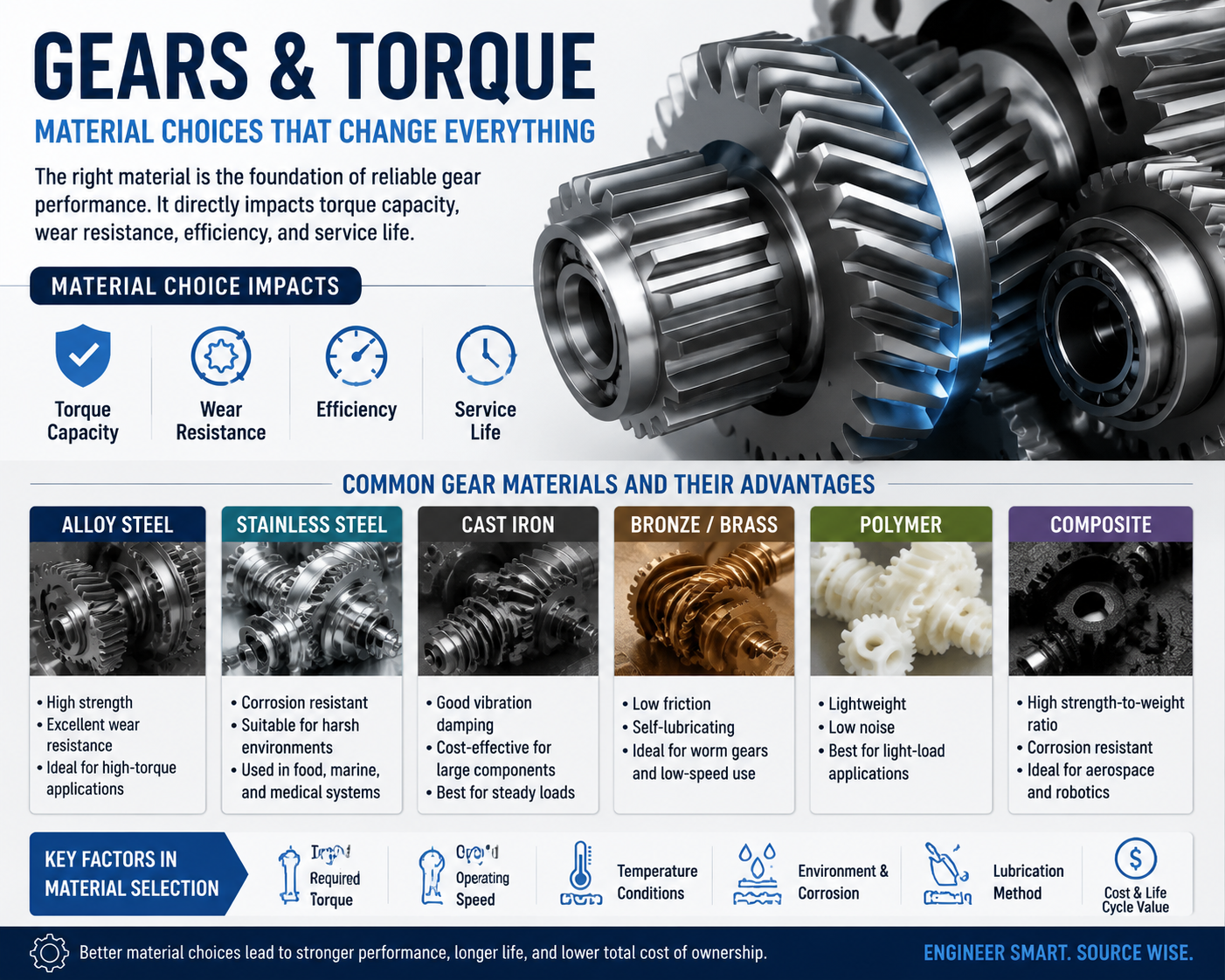
Gears aren’t just about teeth—they’re about metallurgy. Different materials respond differently to stress, temperature, and wear. For instance, hardened steel gears offer high durability but can transmit more vibration, whereas polymer gears reduce noise but have lower load capacity.
5.2 Common Material Mistakes in Procurement
Choosing a material purely based on price can backfire spectacularly. Cheap alloys may fail under operational stress, causing unplanned downtime, while overly exotic materials inflate costs without delivering proportional benefits.
5.3 Selecting Materials for Longevity and Reliability
The sweet spot is identifying materials that balance tensile strength, wear resistance, and machinability. This ensures that the gear maintains its ratio integrity over the machine’s expected lifespan, protecting both operational efficiency and financial investment. Learn more about material properties at MaterialsInfo.org.
6. Misaligning Gear Types and Applications
6.1 Choosing the Wrong Gear Type
Spur, helical, bevel, or planetary—each gear type has specific load-handling, speed, and directional characteristics. Using the wrong type can cause excessive noise, uneven wear, and mechanical inefficiency.
6.2 Compatibility Issues Between Gears
Even if individual gears are correctly designed, mismatched meshing can generate backlash, vibration, or premature wear. Proper alignment and matching of pitch, pressure angle, and tooth profile are critical.
6.3 Case Studies of Misaligned Gear Systems
Real-world examples demonstrate how a simple mismatch—like pairing a spur gear with an ill-suited helical companion—can force entire production lines offline, costing companies thousands in lost output and emergency maintenance.
7. Overcomplicating Gear Systems
7.1 Adding Unnecessary Stages
Over-engineering often stems from trying to optimize ratios through additional gear stages. While it might seem like a clever tweak, extra stages introduce more points of failure, increase frictional losses, and complicate maintenance.
7.2 Cost and Maintenance Implications
Each added gear increases the cost of both initial procurement and ongoing maintenance. More moving parts mean more lubrication, higher inspection frequency, and longer downtime in case of failure.
7.3 Streamlining for Efficiency
Simpler gear trains with carefully calculated ratios often outperform overly complex setups. Fewer stages mean less energy loss, easier assembly, and reduced probability of catastrophic failure.
8. Neglecting Backlash and Tolerances
8.1 Understanding Gear Backlash
Backlash—the slight gap between meshing teeth—is necessary for thermal expansion and lubrication flow, but too much or too little can wreak havoc on precision applications, causing noise, vibration, and misalignment.
8.2 Risks of Ignoring Tolerances
Tight tolerances improve accuracy but increase wear if the system is not properly lubricated, while loose tolerances reduce precision and may result in slippage under high loads.
8.3 Adjusting Systems to Reduce Errors
Fine-tuning gear placement, tooth profile, and mounting tolerances mitigates these issues. Precision alignment tools and periodic checks are indispensable in maintaining system integrity.
9. Failing to Factor in Environmental Conditions
9.1 Temperature Effects on Gear Performance
Heat can expand gear teeth, reduce lubrication efficiency, and even alter material properties. Engineers must factor in both operating temperatures and ambient conditions to prevent ratio drift.
9.2 Humidity and Corrosion Considerations
High humidity and corrosive environments accelerate wear, pitting, and surface degradation, reducing gear life. Coatings, sealants, and material selection are critical preventive measures.
9.3 Designing for Harsh Operating Conditions
Gears in mining, marine, or chemical processing applications require specialized design considerations, from corrosion-resistant alloys to enhanced lubrication channels, ensuring consistent performance under extreme conditions.
10. Overlooking Lubrication Needs
10.1 Role of Lubricants in Gear Life
Lubricants reduce friction, carry away heat, and protect against wear and corrosion. A well-lubricated gear system can operate efficiently for years, while neglecting lubrication invites catastrophic failure.
10.2 Common Lubrication Mistakes
Under-lubrication, over-lubrication, or using incompatible oils can all lead to premature gear degradation. Some engineers underestimate the impact of thermal cycling and load variation on lubricant viscosity.
10.3 Choosing the Right Lubricant
Selection should consider load, speed, temperature, and material compatibility. Synthetic oils, greases, and specialty additives can significantly extend gear life when matched correctly to the application.
11. Misjudging Speed Ratios
11.1 High-Speed vs Low-Speed Requirements
High-speed gears face centrifugal forces and thermal challenges, while low-speed gears must withstand high torque. Misjudging the required speed ratio can result in inefficiency, vibration, and premature wear.
11.2 Consequences of Incorrect Ratios
Wrong speed ratios reduce system efficiency, increase energy consumption, and generate excessive noise, ultimately leading to dissatisfied clients and elevated maintenance costs.
11.3 Optimizing for Performance and Safety
Procurement engineers must ensure that speed ratios align with motor capabilities, load conditions, and intended operational cycles, striking a balance between safety, efficiency, and performance.
12. Ignoring Maintenance Accessibility
12.1 Planning for Easy Inspection
Gears hidden behind panels or encased in complex housings are harder to inspect, delaying preventive maintenance and increasing the risk of unnoticed wear.
12.2 Reducing Downtime Through Design
Designing gear assemblies for quick disassembly, visual inspection, and lubrication access reduces downtime and maintenance costs, keeping production lines humming along.
12.3 Tools for Simplified Maintenance
Modular components, inspection ports, and diagnostic sensors allow engineers to monitor gear health without invasive procedures, minimizing disruption and operational risk.
13. Poor Communication Between Design and Procurement Teams
13.1 Misunderstanding Technical Specifications
Procurement teams often lack complete understanding of nuanced gear specs like tooth profile, pressure angle, or hardness, leading to incorrect ordering and mismatched parts.
13.2 Procurement Risks From Incomplete Data
Incomplete data can cause delays, rework, and budget overruns. Missing specifications for tolerance, coating, or heat treatment may seem minor but have major operational consequences.
13.3 Solutions for Effective Collaboration
Cross-functional collaboration, standardized spec sheets, and digital workflows ensure engineers and procurement professionals are aligned, preventing costly mistakes and miscommunications.
14. Overreliance on Standard Gear Sizes
14.1 When Customization Is Necessary
Off-the-shelf gears are convenient but may not meet unique load, speed, or spatial requirements. Custom gears provide tailored performance but require careful cost-benefit analysis.
14.2 Limitations of Off-the-Shelf Options
Standard gears can compromise efficiency, introduce unnecessary friction, or fail under high-stress conditions. Blind reliance on them can undermine system longevity.
14.3 Balancing Cost and Performance
A strategic approach balances the affordability of standard gears with the performance gains of custom solutions, ensuring the best return on investment for both OEMs and end-users.
15. Ignoring Industry Standards and Compliance
15.1 Key Standards Every Engineer Should Know
ISO, AGMA, and DIN standards dictate gear design, tolerances, and testing procedures, ensuring interoperability and reliability across applications. Additional guidance can be found through the International Organization for Standardization (ISO) and the American Gear Manufacturers Association (AGMA).
15.2 Risks of Non-Compliance
Ignoring standards can lead to legal ramifications, warranty issues, and reduced resale value, as well as increased failure rates in critical systems.
15.3 Ensuring Certifications and Quality Checks
Thorough verification, third-party testing, and adherence to standardized protocols protect against compliance risks and safeguard operational performance.
16. Case Studies of Gear Ratio Failures
16.1 Small-Scale Manufacturing Examples
Even in small workshops, incorrect ratios can stall production, force rework, and erode client trust, highlighting that gear miscalculations are never a trivial matter.
16.2 Large Industrial System Failures
In massive industrial plants, misaligned ratios can halt entire production lines, costing millions and requiring emergency engineering interventions to restore operations.
16.3 Lessons Learned and Best Practices
Analyzing failures reveals recurring themes: miscommunication, poor calculation, and material misselection. Implementing robust design verification and procurement protocols mitigates these risks.
17. Preventing Gear Ratio Mistakes
17.1 Checklist for Accurate Gear Selection
A comprehensive checklist includes load, torque, speed, material, lubrication, environmental conditions, and compliance standards, providing a structured approach to procurement.
17.2 Using Simulation and Testing Tools
Digital twins, finite element analysis, and gear testing rigs allow engineers to model stresses and efficiency, catching potential errors before manufacturing begins. For additional engineering resources, visit NIST and explore engineering references related to Finite Element Analysis.
17.3 Continuous Improvement Strategies
Regular reviews, post-mortem analysis of failures, and feedback loops between engineering and procurement teams drive iterative improvements, ensuring each new project learns from past missteps.
18. Conclusion
18.1 Recap of Common Gear Ratio Mistakes
Common pitfalls—miscalculations, material errors, misalignment, and poor communication—can dramatically affect efficiency, cost, and system reliability.
18.2 Financial and Operational Benefits of Correct Design
Getting gear ratios right from the start reduces downtime, extends gear life, lowers energy consumption, and safeguards the bottom line, delivering tangible benefits across the production lifecycle.
18.3 Next Steps for Engineers and Procurement Professionals
Collaboration, adherence to standards, rigorous testing, and thoughtful material selection are the pillars of success. By integrating these practices, teams can ensure gear systems operate seamlessly, profitably, and reliably for years to come.