
Mark
Gear Prices & B2B Procurement Cost Analysis
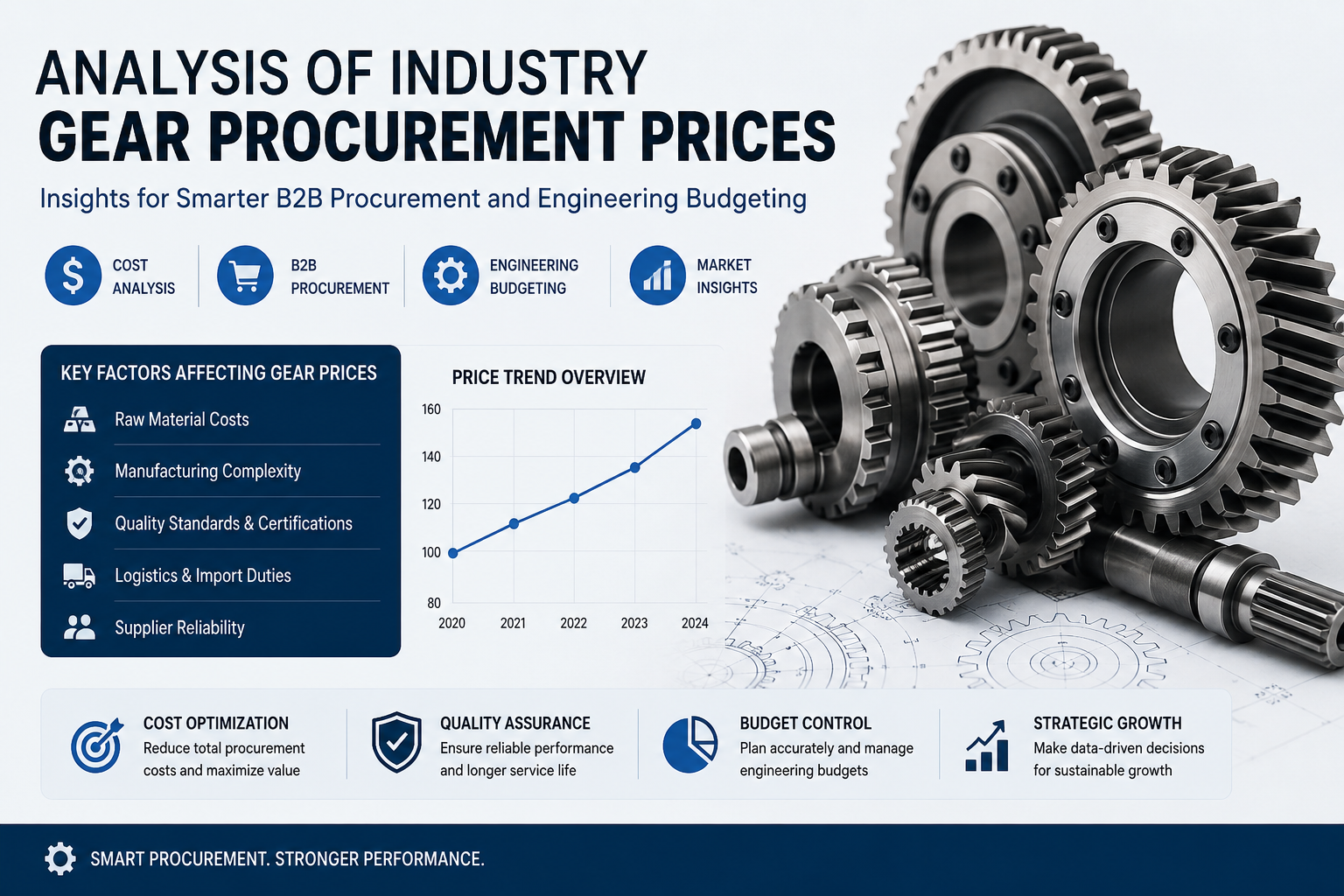
Analysis of Industry Gear Procurement Prices
Industrial gear procurement has become a highly scrutinized discipline within modern manufacturing ecosystems, especially as global competition intensifies and engineering budgeting becomes increasingly tethered to operational efficiency, supply chain resilience, and lifecycle cost analysis. In today’s industrial climate, procurement managers and mechanical engineers are no longer simply purchasing gears; they are orchestrating long-term capital allocation strategies that directly influence plant reliability, production throughput, and maintenance economics.
For additional technical background on industrial gearing systems, readers may reference Wikipedia – Gear, American Gear Manufacturers Association (AGMA), and International Organization for Standardization (ISO).
1. Introduction to Industry Gear Procurement Pricing
1.1 Why Gear Pricing Matters in Industrial Operations
Gear pricing exerts a profound influence on industrial operations because gears remain the silent workhorses behind conveyors, crushers, turbines, mixers, mining equipment, robotics, and heavy manufacturing systems. A seemingly modest increase in gear prices can ripple through an entire operation like a domino effect, elevating maintenance budgets, delaying capital expenditure plans, and compressing operational margins. In large manufacturing plants, even a 5% increase in transmission component costs may represent hundreds of thousands of dollars annually.
Mechanical engineers often say, “Cheap gears become expensive headaches,” and that old shop-floor saying carries a great deal of truth. Inferior gear components can trigger vibration anomalies, premature pitting, excessive backlash, and catastrophic gearbox failure, all of which translate into unplanned downtime. In sectors such as steel production or mining, downtime is not merely inconvenient—it burns cash at an alarming pace.
1.2 The Connection Between Gear Prices and Engineering Budget Planning
Engineering budgeting and gear procurement are intrinsically interconnected because drivetrain systems often constitute a substantial percentage of machinery capital expenditures. Procurement departments must evaluate not only unit pricing but also lifecycle operating costs, lubrication requirements, replacement intervals, and maintenance accessibility.
A prudent engineering budget does not chase the cheapest quotation on the table. Instead, it balances durability, reliability, supplier credibility, and operational longevity. Long-term budgeting models frequently include predictive maintenance assumptions, spare inventory allocations, and inflationary steel pricing indexes. Procurement specialists who neglect these variables frequently discover that initial savings evaporate faster than coolant on a hot gearbox housing.
1.3 Procurement Challenges Faced by B2B Buyers
B2B procurement professionals face a labyrinth of challenges in the industrial gear market. Lead time instability, fluctuating alloy prices, inconsistent quality standards, and geopolitical shipping disruptions all complicate sourcing decisions. One quarter, suppliers may quote aggressively to secure contracts; the next quarter, raw material volatility sends prices through the roof.
Another persistent issue involves technical specification mismatches. Many buyers underestimate the significance of tooth geometry, hardness depth, surface finish, and precision tolerances. When procurement teams purchase without adequate engineering consultation, things can go sideways in a hurry.
2. Overview of the Global Industrial Gear Market
2.1 Current Market Size and Growth Trends
The global industrial gear market has expanded steadily due to accelerating automation, renewable energy investments, and infrastructure modernization projects. Demand for high-performance gear systems continues to increase across robotics, electric vehicles, heavy machinery, and industrial automation sectors.
Advanced manufacturing economies are aggressively upgrading production facilities to improve efficiency and reduce carbon footprints, thereby stimulating demand for energy-efficient transmission systems. Planetary gears, precision helical gears, and high-load reduction systems are experiencing especially robust growth trajectories.
2.2 Major Manufacturing Regions and Supply Bases
China remains one of the dominant manufacturing hubs for industrial gears due to extensive machining infrastructure, vertically integrated supply chains, and comparatively lower labor costs. Europe continues to lead in ultra-high precision engineering, particularly in Germany and Italy, where manufacturers emphasize stringent tolerances and premium metallurgy.
North America maintains a strong presence in heavy-duty industrial applications, aerospace gearing, and mining equipment transmission systems. Emerging economies throughout Southeast Asia are also gaining traction as alternative procurement destinations.
2.3 Key Industrial Sectors Driving Gear Demand
Industrial gears are indispensable in sectors such as mining, cement manufacturing, renewable energy, automotive production, marine propulsion, and oil & gas processing. Wind turbine gearboxes alone account for substantial demand growth, especially as countries pursue aggressive renewable energy targets.
Automation and robotics have further intensified demand for compact precision gear systems capable of operating under high-speed, low-noise conditions. Factories today are chasing efficiency like a pit crew at a championship race, and gear systems sit right at the center of that pursuit.
3. Main Categories of Industrial Gears
3.1 Spur Gears, Helical Gears, and Bevel Gears
Spur gears remain among the most economical and widely utilized gear types due to their straightforward geometry and ease of manufacturing. However, their operational noise profile makes them less suitable for high-speed applications.
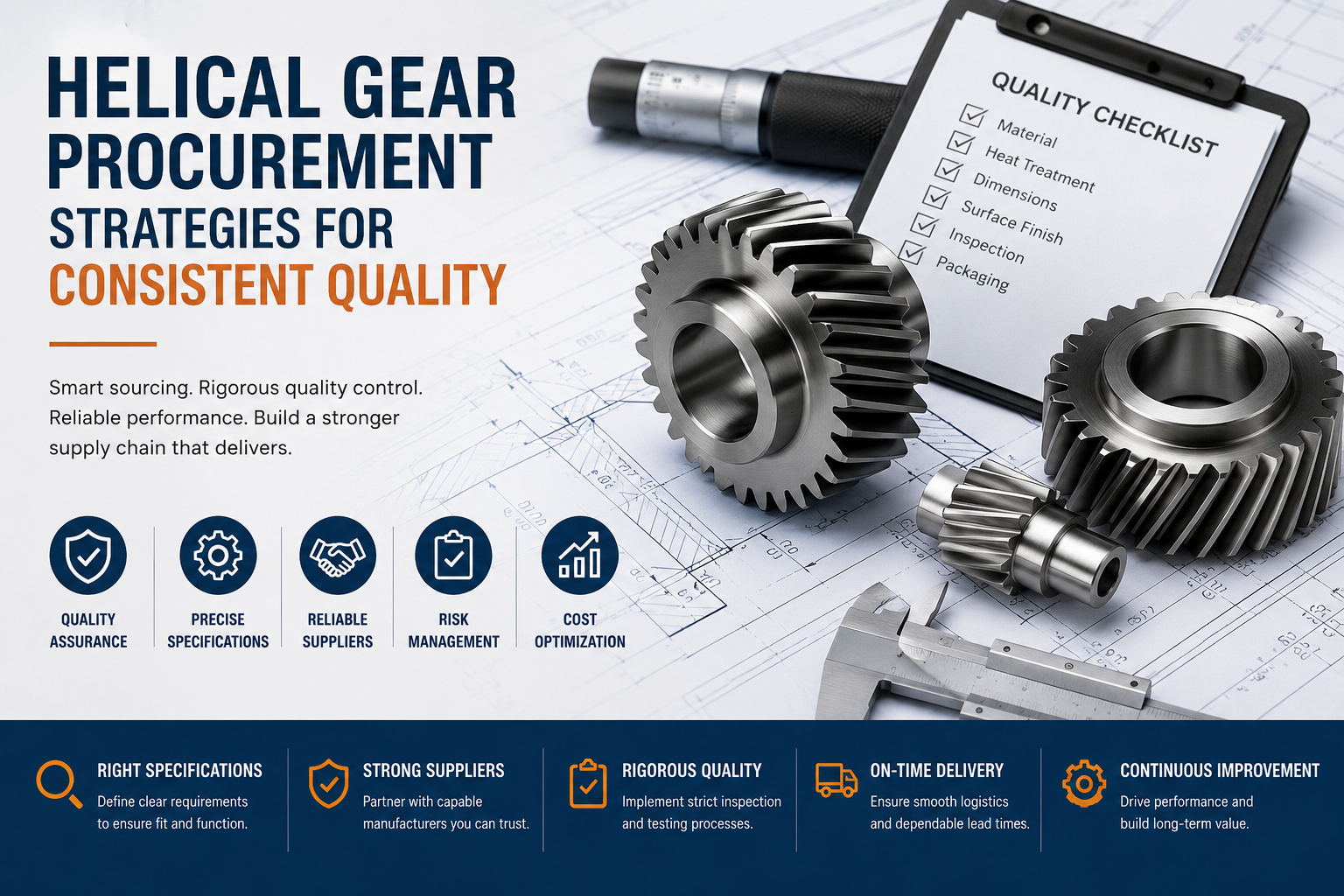
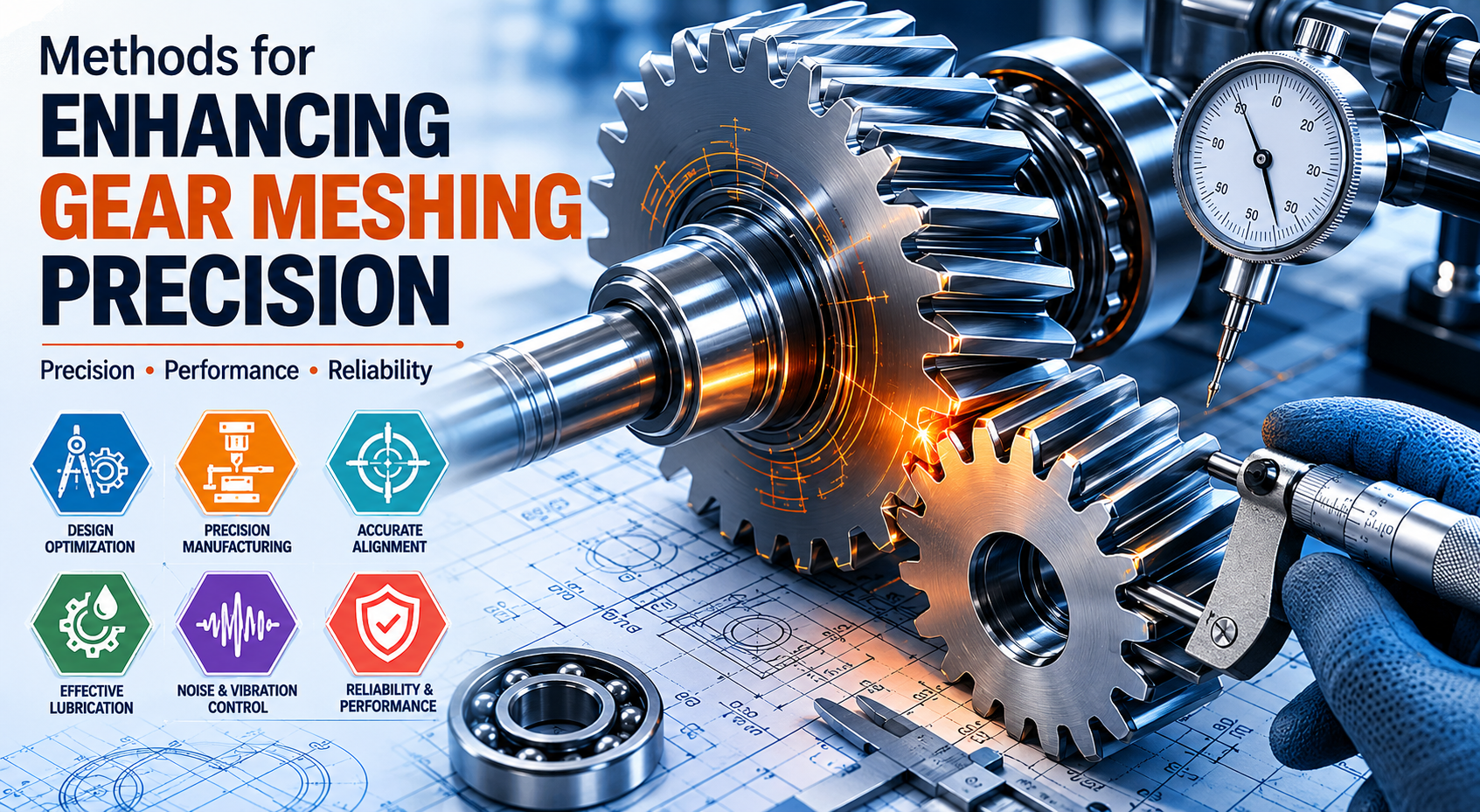
Helical gears offer smoother meshing characteristics and improved load distribution, though their angled teeth introduce axial thrust forces requiring additional bearing considerations. Bevel gears, meanwhile, excel in angular power transmission applications and are frequently deployed in differential systems and heavy machinery.
3.2 Worm Gears and Planetary Gear Systems
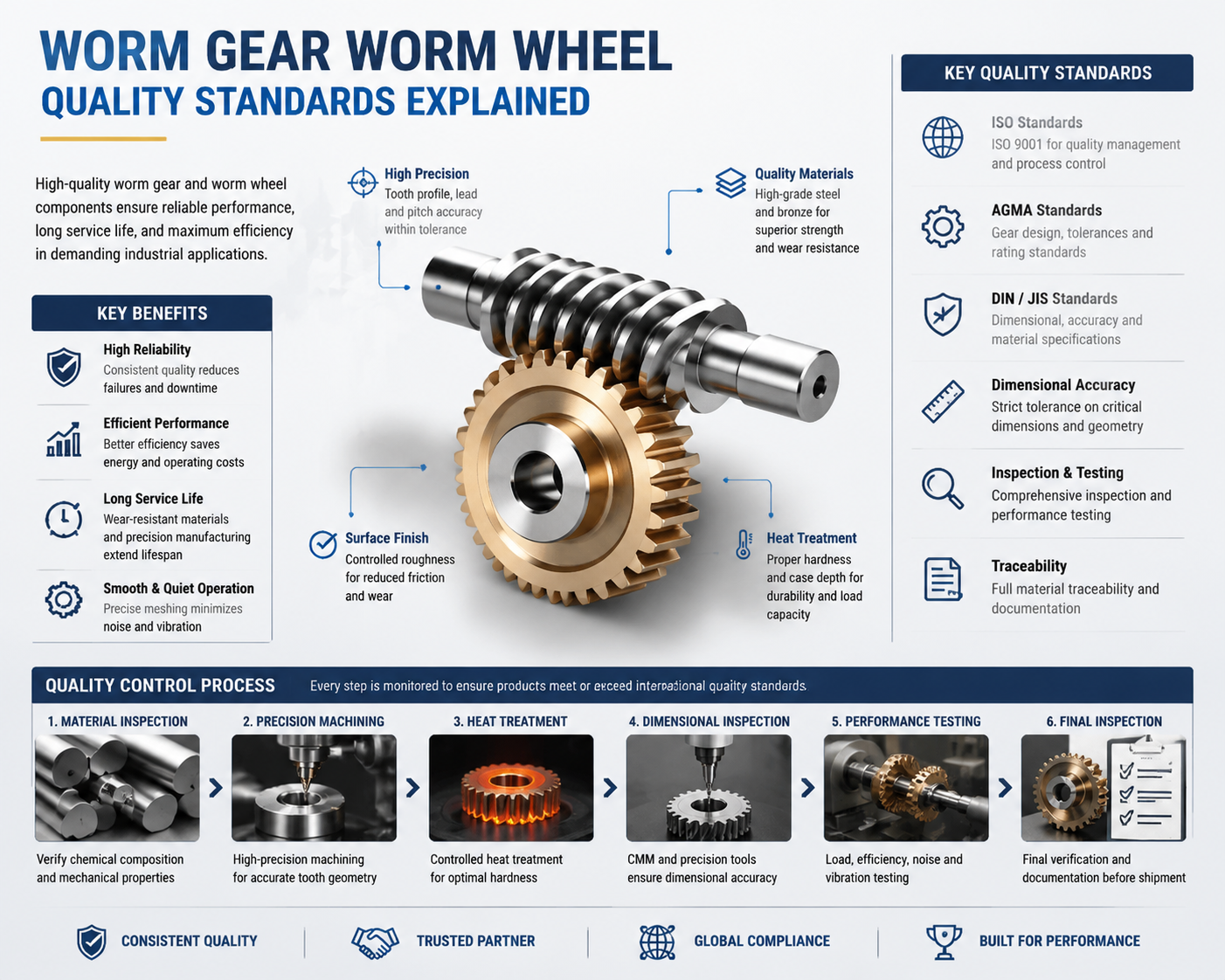
Worm gears provide substantial reduction ratios within compact assemblies and are particularly advantageous where self-locking functionality is required. However, their sliding contact geometry often generates higher friction losses compared to other gear configurations.
Planetary gear systems represent the pinnacle of torque density and compact power transmission. Their intricate arrangement distributes loads across multiple contact points, making them exceptionally efficient for high-torque industrial applications.
3.3 Customized Heavy-Duty Industrial Gears
Heavy-duty custom gears are engineered for punishing operating conditions involving extreme torque, shock loading, and abrasive environments. Industries such as mining and steel manufacturing routinely require bespoke gear solutions tailored to unique operational parameters.
Custom engineering inevitably increases procurement costs due to specialized tooling, finite production runs, and rigorous testing requirements. Nevertheless, for mission-critical systems, tailored solutions frequently deliver superior long-term economic value.
4. Core Factors Influencing Gear Prices
4.1 Raw Material Costs and Steel Price Volatility
Raw material pricing remains one of the most influential variables affecting industrial gear costs. Alloy steels such as 20CrMnTi, 42CrMo, and SAE 8620 are highly sensitive to global commodity market fluctuations.
When steel markets become turbulent, procurement teams often scramble to renegotiate contracts or adjust inventory strategies. Volatility in nickel, chromium, and molybdenum prices can significantly affect manufacturing economics.
4.2 Manufacturing Complexity and Machining Precision
Precision machining dramatically influences gear pricing. Tight tolerance requirements necessitate advanced CNC equipment, specialized grinding operations, and comprehensive quality inspections.
The tighter the tolerance band, the steeper the manufacturing cost curve becomes. Ultra-precision gears used in aerospace or robotics applications require extraordinary craftsmanship and metrological verification.
4.3 Production Volume and Economies of Scale
High-volume production substantially reduces per-unit gear costs through optimized machine utilization, reduced setup frequency, and bulk material purchasing advantages.
Low-volume or prototype manufacturing, by contrast, incurs elevated costs because tooling, programming, and setup expenditures are distributed across fewer units. That’s where procurement folks often mutter, “Small batches bite hard.”
5. Raw Material Impact on Gear Procurement Costs
5.1 Alloy Steel Grades and Pricing Differences
Different alloy steel grades exhibit distinct mechanical properties, fatigue resistance characteristics, and heat treatment responses. Premium grades capable of withstanding severe loading conditions command considerably higher prices.
Procurement teams must balance material performance with budgetary constraints while considering operating environment variables such as corrosion exposure and impact loading.
5.2 Heat Treatment Requirements and Cost Effects
Heat treatment processes such as carburizing, nitriding, induction hardening, and quenching significantly influence gear durability and wear resistance. However, these processes also increase manufacturing costs due to energy consumption and process control requirements.
Inadequate heat treatment can destroy an otherwise perfectly machined gear. A gearbox may look pristine on the outside while harboring metallurgical weaknesses beneath the surface.
5.3 Material Certification and Compliance Expenses
Industrial buyers increasingly require comprehensive material traceability and certification documentation. Compliance with international standards adds administrative and testing costs to procurement processes.
Material certification expenses may appear minor individually, but across large procurement programs they accumulate substantially.
6. Manufacturing Processes and Their Pricing Effects
6.1 CNC Machining and Precision Grinding Costs
Advanced CNC machining and gear grinding technologies provide exceptional dimensional accuracy and surface finishes. These processes enhance operational performance but also increase production expenditures.
Precision grinding particularly affects high-speed gear systems where vibration reduction and noise minimization are paramount operational considerations.
6.2 Forging, Casting, and Fabrication Comparisons
Forged gears generally exhibit superior grain structure integrity and mechanical strength compared to cast alternatives. However, forging operations demand substantial capital investment and tooling expenses.
Cast gears may offer economical advantages for lower-load applications, while fabricated assemblies provide flexibility for oversized industrial systems.
6.3 Automation Levels in Gear Production Facilities
Highly automated factories achieve greater consistency, reduced labor dependency, and improved production efficiency. Robotics and automated inspection systems reduce human error and increase throughput capacity.
Facilities embracing Industry 4.0 technologies often provide more competitive long-term pricing despite higher initial infrastructure investment.
7. Custom Gear Design and Engineering Expenses
7.1 Non-Standard Specifications and Cost Increases
Custom specifications significantly elevate engineering and manufacturing expenses. Specialized tooth profiles, unconventional dimensions, and unique operating requirements require extensive technical evaluation.
Non-standard gears frequently necessitate custom tooling, limited production runs, and additional inspection protocols.
7.2 Prototype Development and Testing Fees
Prototype development introduces engineering risk mitigation but also increases project expenditures. Finite element analysis, load testing, and durability validation require specialized expertise and laboratory resources.
Still, spending upfront on validation can prevent catastrophic operational failures later. Nobody wants to discover a design flaw after installation day.
7.3 CAD Engineering and Technical Consultation Costs
Computer-aided design services and engineering consultations contribute significantly to custom gear procurement budgets. Detailed modeling, stress simulations, and manufacturability assessments demand skilled engineering labor.
Complex drivetrain systems often require multidisciplinary collaboration involving mechanical engineers, metallurgists, and vibration analysts.
8. Supplier Selection in B2B Procurement
8.1 Evaluating Domestic vs Overseas Suppliers
Domestic suppliers typically offer shorter lead times and simplified communication channels, while overseas manufacturers often provide lower production costs. However, offshore procurement introduces shipping risks, customs complexities, and currency exposure.
The “cheapest factory” is not always the cheapest total solution once logistics and quality risks are factored into the equation.
8.2 Supplier Certifications and Quality Standards
Certifications such as ISO 9001 and AGMA compliance demonstrate supplier commitment to process control and quality assurance. Buyers increasingly scrutinize supplier audit histories and traceability systems.
Additional information on gear standards may be found at AGMA and ISO Standards.
8.3 Long-Term Vendor Partnerships and Pricing Stability
Long-term procurement partnerships frequently deliver pricing stability, priority production scheduling, and improved technical collaboration. Trusted suppliers are often more willing to absorb temporary raw material volatility during strategic partnerships.
Strong supplier relationships can be worth their weight in hardened steel when markets become chaotic.
9. Regional Price Analysis of Industrial Gears
9.1 Gear Manufacturing Costs in China
China continues to dominate large-scale gear manufacturing due to mature industrial infrastructure, integrated steel supply chains, and high-volume production capacity. Chinese manufacturers are increasingly moving up the value chain into precision engineering sectors.
9.2 European and North American Pricing Structures
European and North American manufacturers generally operate with higher labor and compliance costs but deliver exceptional precision, advanced engineering support, and superior documentation practices.
These regions remain highly competitive for aerospace, defense, and ultra-precision industrial applications.
9.3 Emerging Manufacturing Markets in Asia
Countries such as Vietnam, India, and Thailand are gradually becoming viable alternatives for industrial gear sourcing. Lower labor costs and expanding industrial investment continue attracting international procurement attention.
10. Logistics and Transportation Cost Analysis
10.1 Shipping Methods for Heavy Industrial Gears
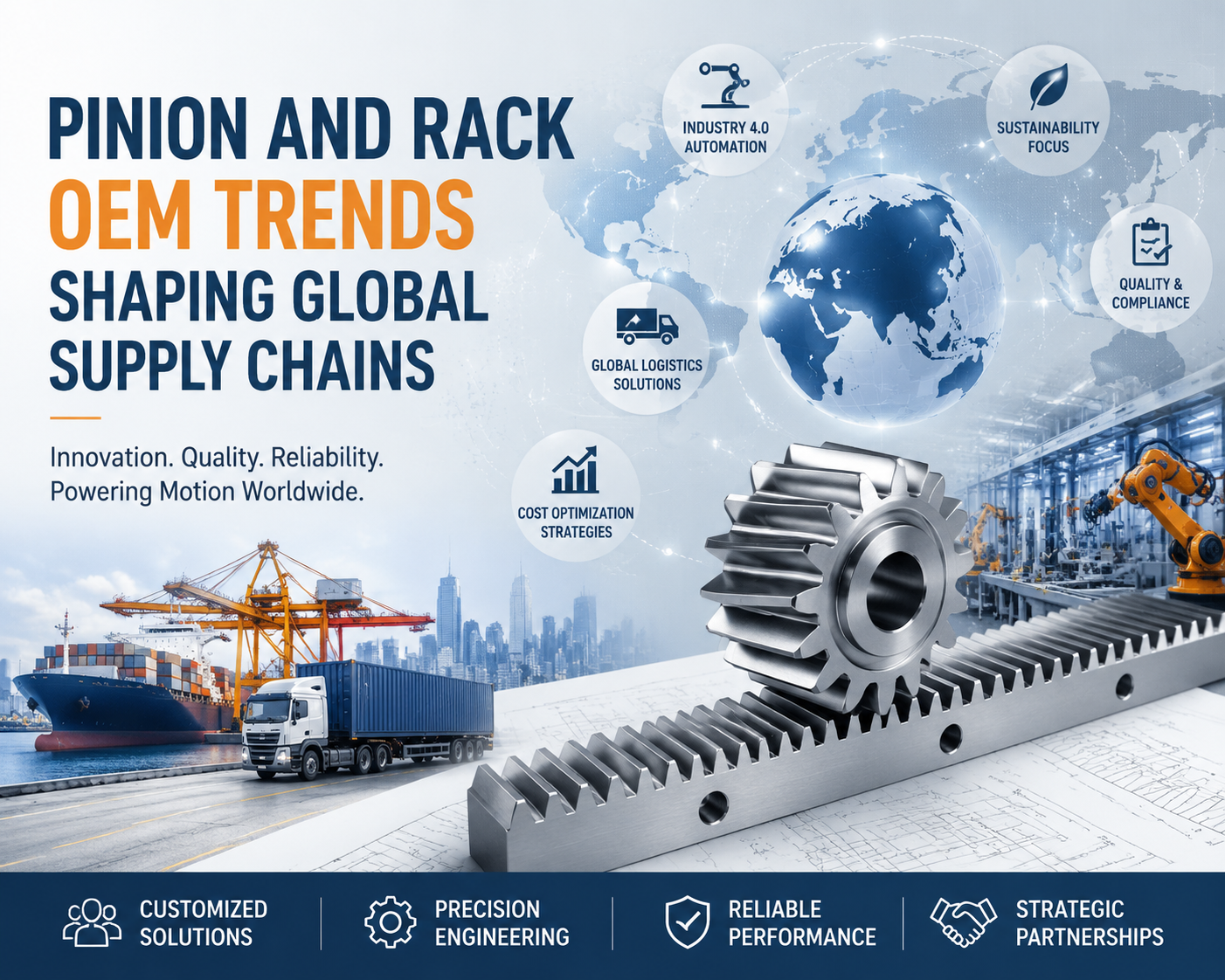
Heavy industrial gears frequently require ocean freight transportation due to their substantial weight and dimensional characteristics. Air freight remains prohibitively expensive for most large transmission components.
Proper packaging, corrosion protection, and vibration isolation are essential during international transit.
10.2 Freight Cost Fluctuations and Fuel Surcharges
Global freight markets remain highly volatile due to fuel price changes, port congestion, and geopolitical disruptions. Freight surcharges can dramatically alter procurement economics within short periods.
Procurement teams ignoring freight volatility are basically flying blind in today’s supply chain environment.
10.3 Import Duties, Taxes, and Customs Expenses
Import duties, VAT obligations, customs brokerage fees, and regulatory inspections add substantial hidden costs to international gear procurement.
Additional trade compliance guidance is available through U.S. International Trade Administration.
11. Quality Standards and Their Influence on Gear Prices
11.1 ISO, AGMA, and DIN Compliance Requirements
Compliance with international standards significantly affects manufacturing complexity and inspection requirements. AGMA and DIN classifications establish rigorous performance benchmarks for industrial gearing systems.
11.2 Precision Grades and Tolerance Specifications
Higher precision grades necessitate tighter manufacturing controls, advanced grinding operations, and extensive dimensional verification procedures.
In high-speed industrial environments, microscopic inaccuracies can generate macroscopic operational consequences.
11.3 Inspection, Testing, and Documentation Costs
Comprehensive testing protocols such as ultrasonic inspection, hardness verification, and gear tooth profile analysis increase production costs but reduce operational risk.
Documentation packages also consume engineering resources, particularly for export-oriented projects.
12. Procurement Strategies for Cost Optimization
12.1 Bulk Purchasing and Volume Discounts
Bulk procurement strategies leverage economies of scale to reduce unit pricing and improve negotiation leverage. Consolidated purchasing schedules also minimize logistical fragmentation.
12.2 Strategic Sourcing and Supplier Negotiation
Strategic sourcing requires balancing price competitiveness with supplier reliability, technical capability, and long-term operational compatibility.
Seasoned procurement engineers know that negotiation is not merely about squeezing prices—it is about creating sustainable value chains.
12.3 Multi-Year Procurement Contracts
Multi-year agreements provide predictability for both suppliers and buyers, stabilizing production planning and reducing exposure to sudden market fluctuations.
13. Hidden Costs in Gear Procurement
13.1 Maintenance and Lifecycle Expenses
Lifecycle maintenance expenses frequently exceed initial procurement costs over extended operating periods. Lubrication requirements, inspection schedules, and replacement intervals must be incorporated into total cost analyses.
13.2 Downtime Caused by Low-Quality Gears
Inferior gears can trigger catastrophic downtime events that dwarf initial purchasing savings. Production interruptions often cascade across entire manufacturing systems.
That bargain-bin gear can become a million-dollar mistake in the blink of an eye.
13.3 Replacement and After-Sales Service Costs
After-sales support quality significantly affects long-term operational economics. Suppliers offering rapid spare availability and technical assistance reduce maintenance disruptions.
14. Price Comparison Between Standard and Custom Gears
14.1 Cost Advantages of Standardized Products
Standardized gears benefit from high-volume manufacturing efficiencies and readily available tooling infrastructure. Lead times are generally shorter and pricing more predictable.
14.2 Flexibility Benefits of Custom Gear Solutions
Custom gears provide operational optimization tailored to unique machinery configurations and performance requirements.
While more expensive upfront, they often improve efficiency, reliability, and equipment lifespan.
14.3 ROI Evaluation for Customized Engineering Projects
Return on investment analyses should incorporate maintenance reductions, productivity improvements, and operational longevity benefits associated with custom engineering.
15. Technology Trends Affecting Future Gear Prices
15.1 Smart Manufacturing and Industry 4.0
Industry 4.0 technologies are transforming gear production through real-time monitoring, automated inspection, and predictive analytics.
Smart factories are tightening quality consistency while reducing waste and labor inefficiencies.
15.2 Advanced Materials and Lightweight Gear Systems
Advanced composites, powder metallurgy alloys, and lightweight materials are reshaping modern gear engineering. These innovations improve efficiency while reducing rotational inertia.
15.3 AI-Driven Predictive Maintenance Technologies
Artificial intelligence systems increasingly monitor vibration signatures, thermal patterns, and lubrication conditions to predict gearbox failures before they occur.
Predictive maintenance is turning traditional maintenance philosophy upside down—in a good way.
16. Engineering Budget Planning for Gear Procurement
16.1 Building Accurate Procurement Forecasts
Accurate forecasting requires integrating production schedules, maintenance histories, and commodity pricing trends into procurement planning models.
16.2 Budget Allocation Across Equipment Categories
Engineering budgets should prioritize mission-critical transmission systems where reliability directly affects production continuity.
16.3 Risk Management for Price Fluctuations
Risk mitigation strategies include diversified sourcing, inventory buffering, and long-term supplier agreements.
In volatile markets, contingency planning separates disciplined procurement teams from reactive fire-fighting operations.
17. Case Studies in Industrial Gear Procurement
17.1 Large Manufacturing Plant Procurement Analysis
Large-scale manufacturing facilities often centralize procurement activities to leverage bulk purchasing power and improve supplier coordination.
17.2 Mining and Heavy Equipment Gear Purchasing Trends
Mining operations prioritize durability, shock resistance, and rapid spare availability due to the punishing nature of extraction environments.
17.3 Energy Sector Gear Procurement Strategies
Energy sector buyers increasingly emphasize reliability, predictive monitoring compatibility, and lifecycle sustainability metrics.
18. Common Procurement Mistakes in B2B Gear Purchasing
18.1 Choosing Suppliers Based Solely on Price
Focusing exclusively on low pricing often leads to compromised quality, delayed deliveries, and elevated maintenance costs.
18.2 Ignoring Technical Specifications and Certifications
Failure to validate engineering specifications can result in incompatible installations, reduced efficiency, and premature failures.
18.3 Underestimating Lead Time and Logistics Risks
Lead time miscalculations can disrupt production schedules and create expensive operational bottlenecks.
A delayed gearbox shipment can jam up an entire production calendar faster than anyone expects.
19. Future Outlook of the Industrial Gear Market
19.1 Forecasted Changes in Gear Prices
Future gear pricing trends will likely remain influenced by energy costs, steel availability, automation investments, and global trade conditions.
19.2 Supply Chain Resilience and Market Adaptation
Manufacturers are increasingly diversifying sourcing networks and regionalizing production capabilities to reduce supply chain vulnerabilities.
19.3 Sustainability and Green Manufacturing Impact
Sustainability initiatives are driving investment in energy-efficient manufacturing technologies and recyclable material systems.
Environmental regulations are no longer optional considerations—they are becoming central procurement determinants.
20. Conclusion
20.1 Key Takeaways for B2B Procurement Teams
Industrial gear procurement requires balancing technical performance, supplier reliability, lifecycle economics, and operational resilience.
20.2 Best Practices for Managing Engineering Budget
Successful engineering budgeting integrates long-term maintenance planning, risk assessment, and supplier collaboration into procurement strategies.
20.3 Final Thoughts on Long-Term Procurement Success
Long-term procurement success depends on disciplined analysis, strategic supplier relationships, and comprehensive lifecycle cost evaluation. In the industrial world, gears may appear to be simple rotating components, yet they quietly dictate the rhythm of modern manufacturing. Smart procurement teams understand that every gear purchase is ultimately an investment in operational continuity, production efficiency, and competitive advantage.