Table of Contents
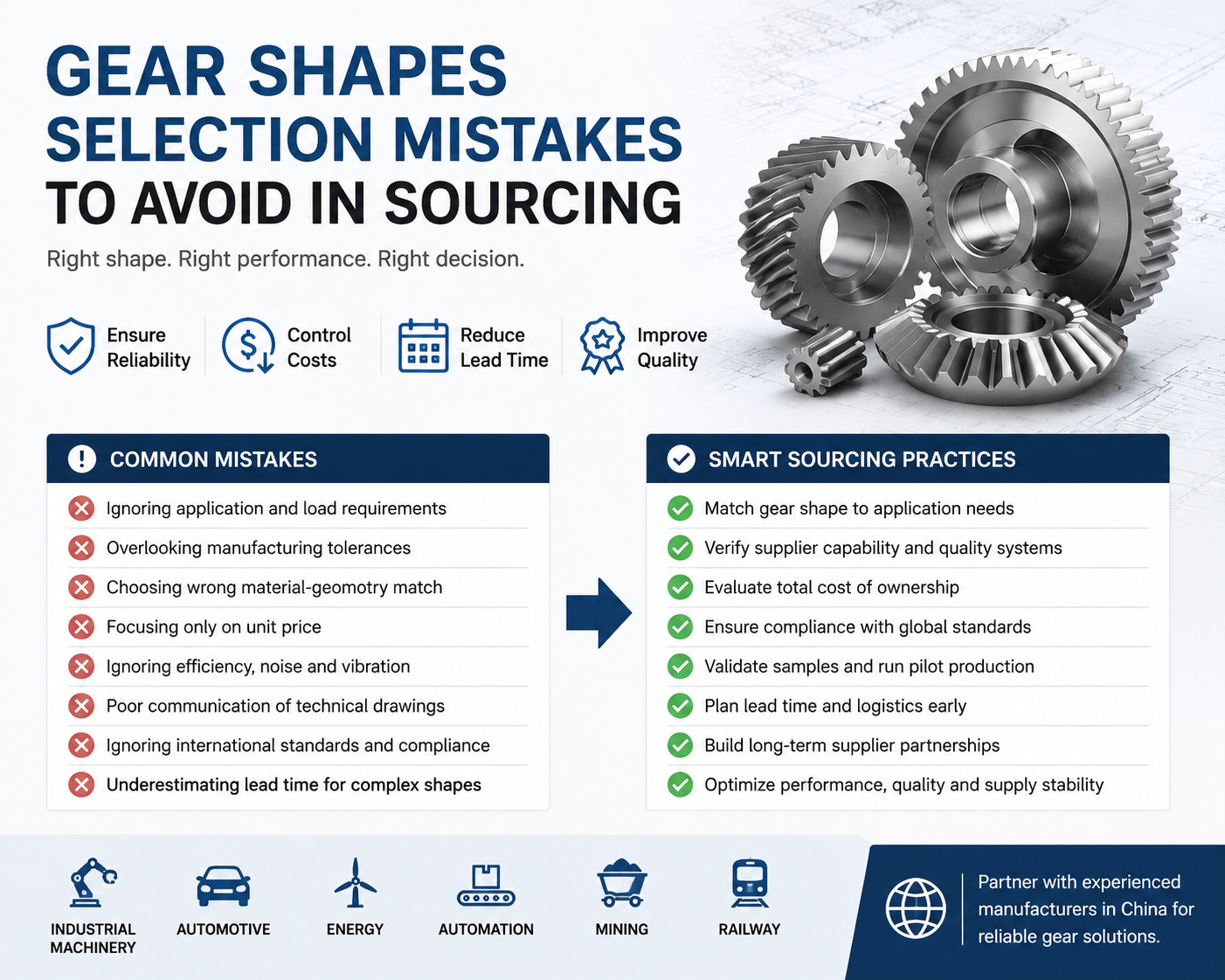
The Geometry of Procurement: A Mechanical Engineer's Guide to Sourcing Gear Shapes That Don't Come Back to Haunt You
Introduction to Gear Shape Selection in Sourcing
In the high-stakes arena of industrial procurement, the geometry of a gear is far more than a drawing exercise—it is the fulcrum upon which mechanical performance, operational longevity, and fiscal sanity pivot. The intricate interplay between tooth profile, pressure angle, and helix orientation dictates not merely how power is transmitted, but how reliably a system will perform under duress, and ultimately, how much it will cost to own over its operational lifespan. For the discerning purchase engineer, understanding these geometric nuances is the difference between a sourcing triumph and a catastrophic failure that reverberates through the supply chain.
The importance of gear geometry in mechanical performance cannot be overstated; it governs load distribution, contact stress, and the dynamic behavior of rotating assemblies. When procurement decisions are made in a vacuum—devoid of engineering rigor—the consequences manifest as premature wear, catastrophic tooth fracture, and insidious efficiency losses that bleed profitability. Key industries ranging from automotive drivetrains and aerospace actuation to heavy mining equipment and renewable energy turbines rely on precision gear sourcing to maintain their competitive edge, and they do so by treating geometry not as an afterthought, but as the primary specification around which all other decisions orbit.
Why Gear Shape Decisions Impact Procurement Cost
The relationship between design complexity and unit price is a direct correlation that many buyers naively underestimate, believing that a gear is simply a gear. In reality, the transition from a straightforward spur gear to a helical or bevel configuration introduces a cascade of manufacturing challenges that exponentially inflate production costs. This is not merely about the volume of material removed, but the sophistication of the machine tools required, the cycle time necessary to achieve the desired finish, and the specialized expertise demanded of the machinist.
Tooling and mold cost implications are particularly pronounced when sourcing through powder metallurgy, forging, or investment casting, where the initial capital outlay for dies and molds can rival the cost of the entire production run. Furthermore, there are insidious hidden cost drivers lurking in manufacturing variations—such as the need for specialized cutting fluids, extended setup times for gear hobbing machines, and the increased scrap rates associated with complex tooth forms—all of which conspire to erode the purchasing power of a seemingly favorable quotation. These factors compel the savvy procurement professional to look beyond the surface-level cost breakdown and engage in a holistic cost analysis that encompasses the entire manufacturing ecosystem.
Common Gear Shape Categories in Industrial Sourcing
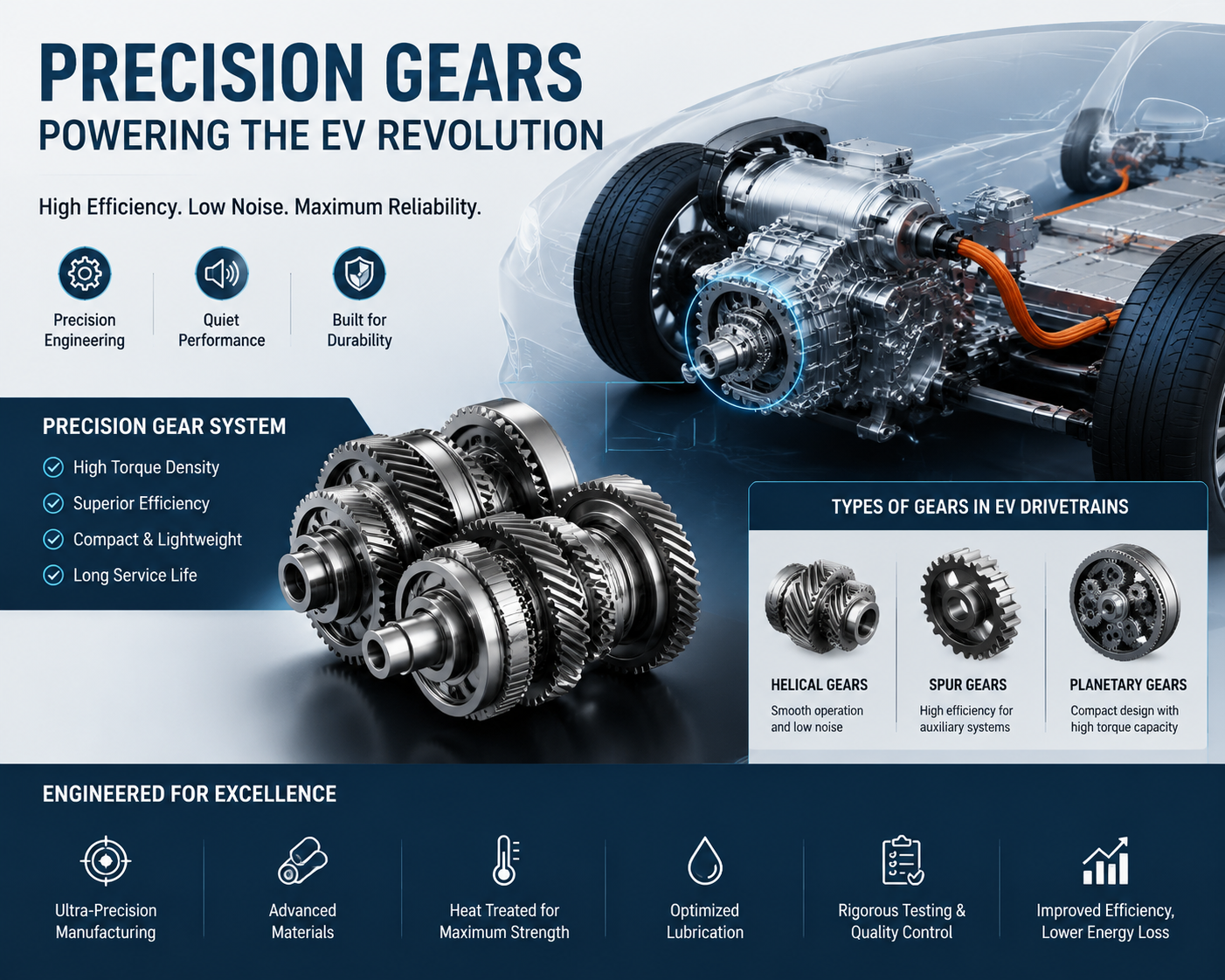
A comprehensive understanding of the primary gear shape categories is the bedrock of effective industrial sourcing, and any engineer worth their salt must be intimately familiar with the inherent advantages and limitations of each. Spur gears, with their straight, parallel teeth and simple geometry, are the workhorses of the industry, offering high efficiency and ease of manufacture at a relatively low cost, yet they pay the price in operational noise and limited load-carrying capacity at high speeds. Conversely, helical gears, characterized by their angled teeth that engage gradually, provide superior smoothness, higher load capacity, and quieter operation, but introduce axial thrust forces that complicate bearing arrangements and significantly increase manufacturing complexity and cost.
Bevel gears, which transmit power between intersecting shafts, represent an even more sophisticated tier of engineering, encompassing straight, spiral, and hypoid configurations, each with its own sourcing challenges. The application differences across industries are stark: the aerospace sector demands the lightweight precision of spiral bevel gears, while heavy-duty mining applications often favor the rugged simplicity of large-module spur gears. Typical sourcing challenges for each category include managing the tight tolerances required for helical gear tooth alignment, ensuring the surface integrity of bevel gear teeth that are notoriously difficult to inspect, and navigating the limited supplier base capable of producing high-quality hypoid gears with the requisite crown and lengthwise curvature. For a foundational understanding of gear types, the Wikipedia entry on gears provides an excellent starting point.
Mistake 1: Ignoring Application Load Requirements
One of the most egregious oversights in gear procurement is the willful ignorance of application load requirements, a cardinal sin that inevitably leads to a catastrophic mismatch between torque demand and gear design. When buyers fail to differentiate between steady-state loads, shock loads, and reversing torque conditions, they often select gear shapes that are inadequately robust for the operational reality, resulting in premature fatigue failure and unplanned downtime. The consequences of under-specified load capacity are not merely inconvenient; they are financially ruinous, manifesting in snapped teeth, pitted flanks, and a cascading failure of downstream components that transforms a routine maintenance event into a full-scale industrial crisis.
The engineering data that is so often overlooked by buyers—including dynamic load factors, service factors, and bending stress numbers—is precisely the information required to select a gear shape that will withstand the rigors of its intended service environment. By neglecting these critical parameters, procurement teams effectively gamble with the operational integrity of their equipment, a gamble that rarely pays off in the long run. The prudent engineer must insist on a thorough load analysis before committing to a gear geometry, ensuring that the selected tooth profile and material specification are conservatively matched to the worst-case operational scenario.
Mistake 2: Overlooking Manufacturing Tolerances
The subtle but profound impact of tolerance deviation on performance stability is a domain where procurement engineers often find themselves navigating treacherous waters, oblivious to the microscopic dimensional variations that can spell disaster for gear train performance. Gear tooth geometry is defined by an intricate web of tolerances—including runout, pitch error, lead variation, and profile deviation—each of which exerts a synergistic influence on transmission error, load distribution, and dynamic excitation. The chasm between standard and precision grades, as delineated by ISO and AGMA standards, is not merely academic; it represents a tangible difference in manufacturing capability and, consequently, in the reliability of the finished component.
When suppliers lack the high-precision production capacity to maintain these stringent tolerances, the results are immediately apparent in the form of unacceptable noise, vibration, and premature wear. Supplier capability gaps in high-precision production are often masked by ambiguous quality certificates, leaving the unwary buyer to inherit a legacy of performance issues that are difficult to diagnose and expensive to rectify. To avoid this pitfall, procurement teams must demand robust inspection data, perform statistical process control analysis, and conduct on-site supplier audits to verify that manufacturing processes are capable of consistently delivering the specified tolerance grades. The AGMA (American Gear Manufacturers Association) provides comprehensive standards that are essential references for tolerance classification.
Mistake 3: Choosing Wrong Material-Geometry Match
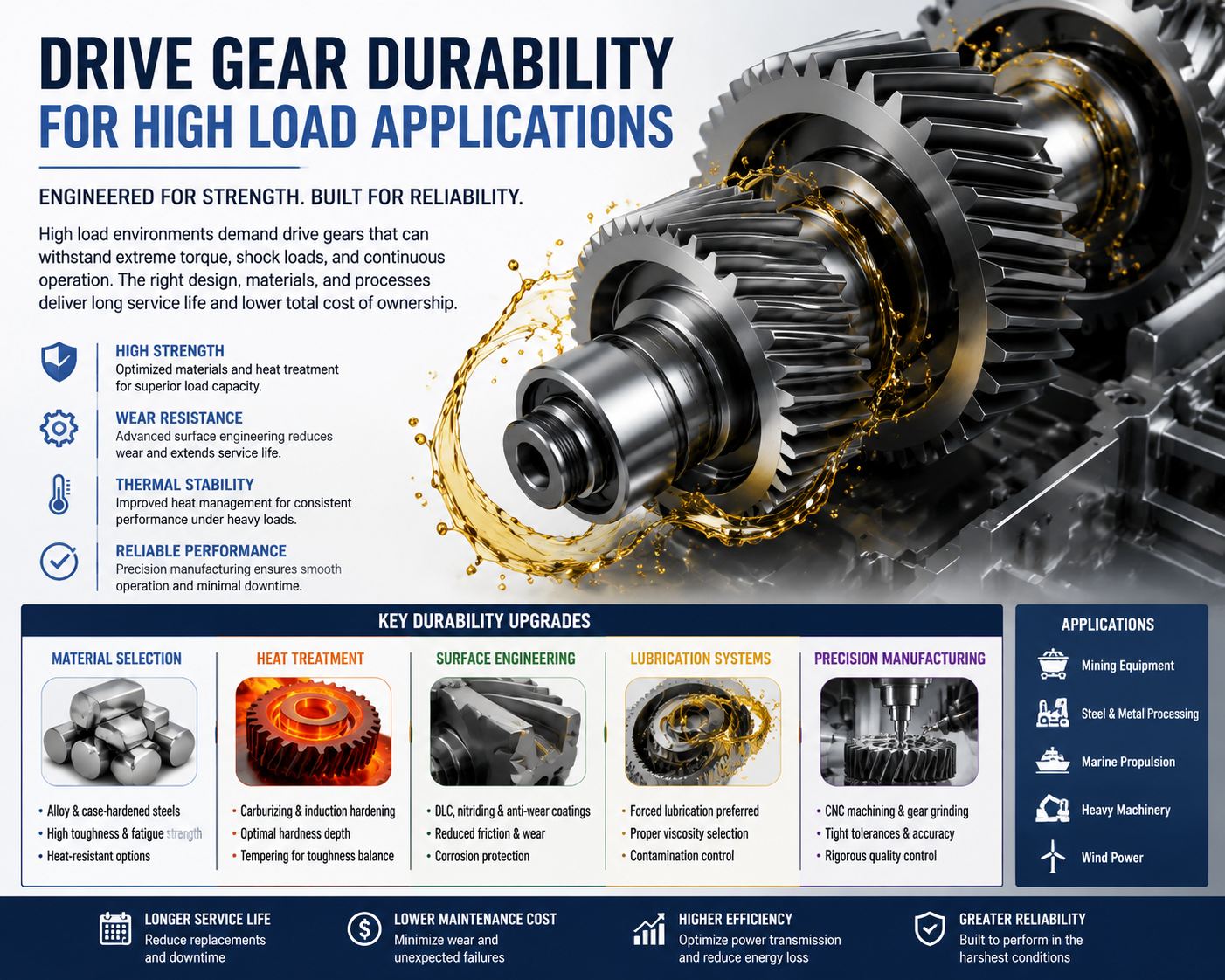
The selection of an appropriate material for a given gear shape is a decision that transcends simple material availability or cost; it is a complex optimization problem involving thermal properties, hardenability, and the specific stress regimes imposed by the gear geometry. Certain materials exhibit a remarkable synergy with particular gear shapes: case-hardened steels, for instance, deliver exceptional performance when paired with helical gears that require high surface durability to withstand the Hertzian contact stresses inherent in their operation. However, when buyers inadvertently specify a material that is incompatible with the design complexity—such as using a free-machining steel for a highly stressed bevel gear—they invite a host of failure mechanisms, including severe plastic deformation and tooth bending fatigue.
Heat treatment compatibility with design complexity is another critical factor that is often given short shrift during the procurement process; complex geometries are particularly susceptible to distortion during heat treatment, and the necessary allowances for grinding stock must be carefully engineered to prevent excessive material removal that would compromise case depth. The cost-performance trade-offs in material selection are further complicated by the need to balance upfront material costs against the long-term benefits of improved wear resistance and fatigue strength, a balancing act that demands a sophisticated understanding of both material science and financial analysis.
Mistake 4: Underestimating Supplier Capability Differences
In the globalized marketplace for precision gears, the capability gap between suppliers is a chasm that can swallow even the most meticulously crafted procurement strategy. The distinction between suppliers who rely solely on CNC milling and those who have invested in advanced gear hobbing, shaping, and profile grinding equipment is not merely a matter of sophistication; it is a fundamental determinant of the geometric accuracy, surface finish, and metallurgical integrity of the finished gear. These process disparities directly influence the achievable tooth profile accuracy, lead modification, and surface roughness—parameters that are non-negotiable for high-performance applications.
Quality consistency across different factory tiers is another dimension where significant disparities emerge, with Tier 1 suppliers often exhibiting rigorous quality management systems that are absent in lower-tier factories. Audit indicators that procurement teams should check for include the supplier's SPC capabilities, their measurement equipment calibration records, and their demonstrated ability to maintain tight process capability indices (Cp and Cpk). It is essential to scrutinize the supplier's scrap and rework rates, their employee training programs, and their investment in environmental controls, as these factors collectively paint a picture of a manufacturer's long-term viability and commitment to quality excellence.
Mistake 5: Focusing Only on Unit Price
The myopic fixation on unit price is a classic procurement fallacy that consistently leads to suboptimal sourcing decisions, masking the true cost implications of inferior gear quality. The total cost of ownership (TCO) framework provides a far more accurate representation of procurement value, encompassing not only the purchase price but also the costs of installation, maintenance, downtime, and eventual replacement. When low bids conceal a multitude of sins—including rework, defect costs, and the operational inefficiencies arising from poorly manufactured gears—the initial price advantage evaporates, leaving the buyer with a costly and unreliable component.
Long-term procurement risk accumulation is another insidious consequence of the unit price mentality; suppliers who compete solely on price are often compelled to cut corners in quality control, material sourcing, and process validation, leading to a gradual erosion of their product quality over time. The cumulative effect of these compromises is a steady increase in field failures, warranty claims, and customer dissatisfaction, which can irreparably damage the buyer's reputation and market position. A strategic procurement approach, therefore, must prioritize TCO analysis and supplier performance metrics over the superficial allure of a low initial price.
Mistake 6: Ignoring Gear Efficiency and Energy Loss
The often-overlooked relationship between gear geometry and transmission efficiency is a critical factor that has a direct and measurable impact on operational cost, particularly in large-scale industrial equipment where power losses are magnified many times over. The sliding friction between meshing gear teeth, which varies significantly with the involute profile and contact ratio, generates heat and dissipates energy that is essentially wasted from a mechanical perspective. Helical gears, for example, generally offer higher efficiency than spur gears due to their higher contact ratio and smoother engagement, but this comes at the cost of increased axial thrust and bearing losses.
Operational cost impact in large-scale equipment, such as wind turbines, mining conveyors, and marine propulsion systems, is substantial, with even a fractional improvement in efficiency translating to significant annual energy savings. Engineering benchmarks for efficiency evaluation, including the DIN and ISO gear efficiency standards, provide a structured methodology for assessing the performance of different gear shapes and configurations. By incorporating these benchmarks into the procurement specification, engineers can ensure that the selected gear design is optimized for energy efficiency, reducing both the carbon footprint and the operating expenses associated with the equipment. The ISO (International Organization for Standardization) offers globally recognized guidelines for gear efficiency testing.
Mistake 7: Misjudging Noise and Vibration Requirements
The acoustic performance of a gear train is inextricably linked to its geometry, and a misjudgment in this domain can lead to end-user dissatisfaction and the imposition of costly mitigation measures. Gear geometry influences noise generation primarily through transmission error, which is the deviation between the ideal and actual angular positions of the driven gear, and this error is exacerbated by manufacturing inaccuracies, misalignment, and tooth deflection. The characteristic whine of a helical gear, while generally quieter than the abrupt clatter of a spur gear, can still be problematic if the helix angle is not optimized or if the contact pattern is poorly distributed.
End-user experience in industrial applications, such as heavy machinery used in construction or agriculture, is heavily influenced by the perceived quality associated with quiet operation; excessive noise is often interpreted as an indicator of poor quality or impending failure. Testing methods for vibration compliance, including vibration signature analysis and sound pressure level measurements, provide the quantitative data necessary to validate a gear design against the required noise and vibration specifications. The procurement engineer must ensure that these requirements are clearly defined in the technical specifications and that the supplier's manufacturing processes are capable of achieving the necessary acoustic performance.
Mistake 8: Poor Communication of Technical Drawings
The effective communication of technical requirements through engineering drawings is a sine qua non of successful gear sourcing, yet it is an area where many procurement endeavors falter due to ambiguous or incomplete documentation. Missing tolerance and datum references in drawings are a perennial problem, leading to a wide range of interpretations among suppliers and a correspondingly wide range of product quality. The selection of appropriate datums is particularly critical for gear inspection, as it establishes the reference framework against which all geometric tolerances are evaluated.
Translation errors in cross-border sourcing further complicate the communication process, with subtle linguistic and cultural differences sometimes causing the intended geometric specifications to be misinterpreted or ignored. Best practices for engineering documentation clarity include the use of standardized GD&T symbols, comprehensive notes on material specifications and heat treatment requirements, and clear identification of all critical dimensions and surfaces. The inclusion of a comprehensive drawing package, complete with inspection checklists and acceptance criteria, is essential for ensuring that the supplier's manufacturing and quality teams fully understand the design intent and can reliably produce the required components. For a deeper dive into geometric dimensioning and tolerancing, the National Institute of Standards and Technology (NIST) provides valuable reference materials.
Mistake 9: Ignoring International Quality Standards
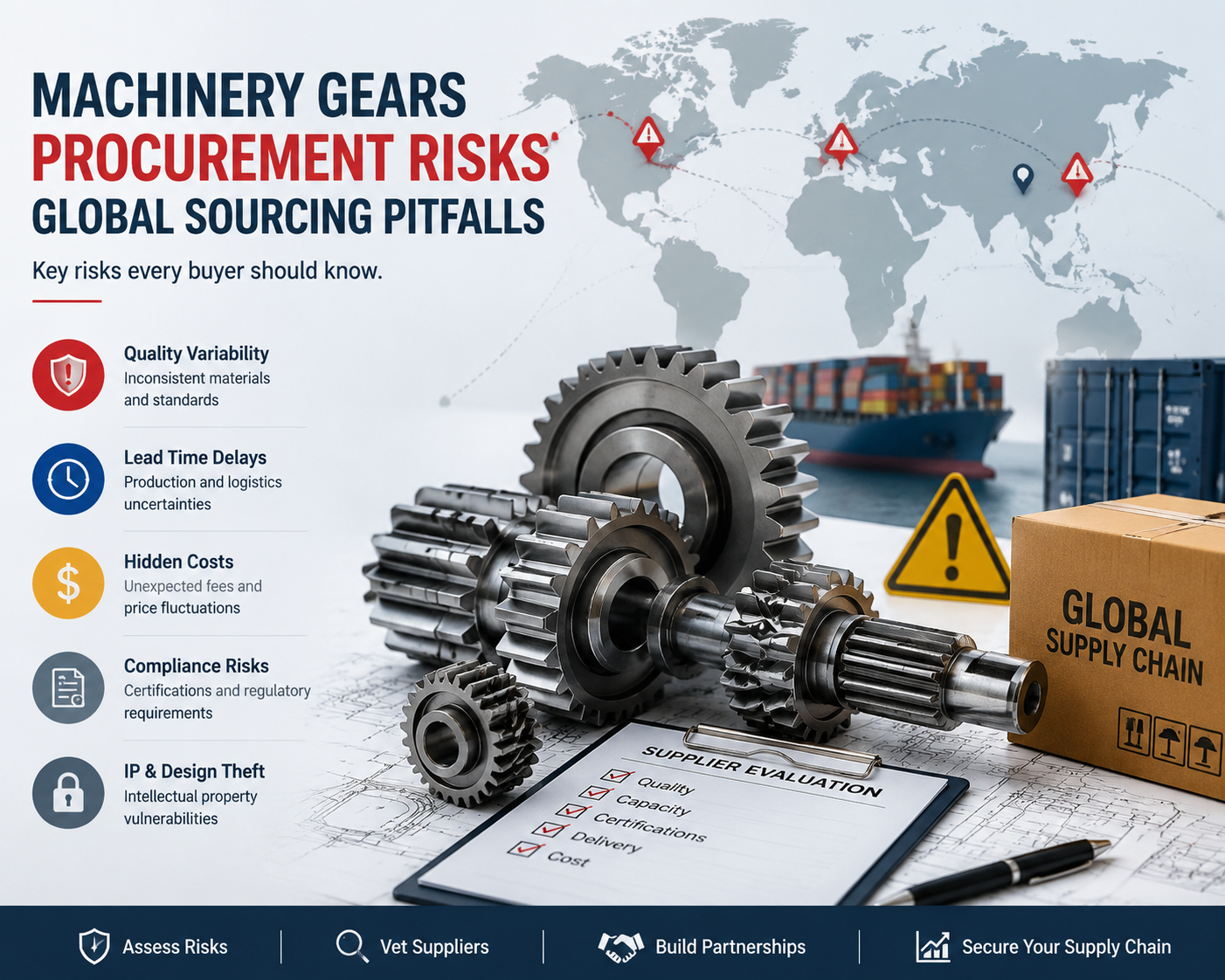
The importation of gear components from overseas suppliers is fraught with risks, not the least of which is the potential for non-compliance with internationally recognized quality standards. ISO and AGMA standards are the lingua franca of gear quality, providing a common basis for defining gear accuracy, material quality, and inspection methodologies. When procurement teams ignore the relevance of these standards, they expose themselves to the risk of receiving products that are substandard or functionally incompatible with their intended applications.
Certification gaps in overseas suppliers are a particular concern, as the certification processes in some countries may be less rigorous or less transparent than those in the buyer's home market. Compliance risks in global procurement contracts include the possibility of legal liability, product recall costs, and the erosion of brand reputation. To mitigate these risks, procurement professionals should require documentation of compliance with relevant standards, conduct periodic audits of supplier quality systems, and include clear quality clauses in the contract that specify the required standards and the consequences of non-compliance.
Mistake 10: Overlooking Lead Time Impacts of Complex Shapes
The manufacturing cycle for a gear is not a constant; it varies significantly depending on the complexity of the gear geometry, the chosen manufacturing process, and the availability of raw materials and specialized tooling. Complex shapes, such as those required for spiral bevel gears or hypoid gears, involve extended manufacturing cycles due to the need for multiple setups, specialized CNC programming, and extended grinding operations. Tooling delays in customized geometry orders are a frequent source of project delays, as the design and fabrication of specialized hobs, shaper cutters, and grinding wheels can consume weeks or even months.
Planning risks in global supply chains are exacerbated by these extended lead times, which may be further inflated by transportation delays, customs clearance, and the general unpredictability of international logistics. To avoid project disruptions, procurement teams must develop realistic lead time estimates based on input from the supplier's manufacturing engineers, build appropriate buffers into the project schedule, and maintain open lines of communication with the supplier to track progress and identify potential bottlenecks early.
Mistake 11: Failing to Evaluate Lifecycle Cost
The wear rate differences between gear shapes are a fundamental aspect of lifecycle cost analysis that is frequently overlooked in the procurement decision-making process. Spur gears, while simpler to manufacture, often exhibit higher rates of tooth wear due to the concentrated contact stresses and sliding friction inherent in their operation. Helical gears, by virtue of their more gradual engagement and higher contact ratio, generally distribute loads more evenly and experience lower wear rates, thus extending the service life of the gear train.
Maintenance frequency and replacement cycles are directly influenced by the wear characteristics of the gear geometry, with some shapes requiring more frequent inspection, lubrication, and adjustment than others. Total operational cost assessment methods, such as lifecycle cost analysis (LCCA), provide a framework for quantifying the full cost of gear ownership, including the initial procurement cost, the cost of preventive maintenance, the cost of unscheduled downtime, and the cost of eventual replacement. By incorporating this data into the procurement decision, engineers can select gear shapes that offer the lowest total cost of ownership, rather than merely the lowest initial price.
Mistake 12: Not Considering Logistics and Packaging Risks
The global transportation of precision gears presents a unique set of logistical challenges that are often underestimated by procurement professionals focused on the technical aspects of the gear itself. Damage risks from improper gear protection are significant, as the delicate tooth surfaces and precise geometries of high-quality gears are susceptible to damage from impact, vibration, and moisture. Export packaging standards for precision parts, such as those prescribed by military standards or industry-specific guidelines, must be adhered to in order to ensure the safe delivery of the gear to its final destination.
Transportation impacts on alignment and accuracy are another concern, as rough handling or excessive stacking pressures during transit can cause subtle distortions in the gear's geometry. The procurement engineer should specify packaging requirements that include appropriate cushioning, desiccant, and protective coatings, as well as clear handling and storage instructions. A collaborative approach with the supplier to develop a customized packaging plan is often the most effective strategy for mitigating logistics-related risks.
Mistake 13: Lack of Sample Validation and Prototyping
The importance of first article inspection (FAI) in the gear sourcing process cannot be overemphasized, as it is the critical step that bridges the gap between the engineering drawing and the production-ready component. FAI provides the opportunity to verify the dimensional accuracy, material integrity, and functional performance of the gear before committing to full-scale production, thereby preventing costly rework and redesign efforts. Pilot production before mass sourcing is another essential risk mitigation strategy, allowing procurement teams to evaluate the supplier's production process capability, identify any process instabilities, and make necessary adjustments to the manufacturing parameters.
Feedback loop between engineering and suppliers is the mechanism that facilitates continuous improvement, ensuring that lessons learned from sample validation are incorporated into future production runs. By establishing a robust feedback loop, procurement teams can foster a collaborative relationship with suppliers that is focused on driving quality improvement and achieving mutual success.
Conclusion and Sourcing Best Practices
The procurement of precision gears is a strategic endeavor that demands a holistic approach, integrating engineering rigor, financial analysis, and a deep understanding of the manufacturing capabilities of potential suppliers. A strategic checklist for procurement teams should encompass a thorough evaluation of the application load requirements, a rigorous assessment of manufacturing tolerances, and a comprehensive analysis of material-geometry compatibility. Balancing cost, quality, and supply stability requires a nuanced understanding of the total cost of ownership, a commitment to supplier development, and a willingness to invest in sample validation and prototyping.
Long-term supplier partnership optimization is the ultimate objective of the strategic sourcing process, as it creates a resilient supply chain that is capable of adapting to changing market conditions and technological advancements. By treating gear sourcing as a collaborative, long-term partnership rather than a transactional exchange, procurement teams can achieve superior quality, reduced costs, and enhanced operational performance, thereby securing a sustainable competitive advantage in the marketplace. The geometry of the gear is, in the final analysis, not just a specification—it is a reflection of the engineering discipline and strategic foresight that will ultimately determine the success of the entire enterprise. For ongoing insights into industrial sourcing and supply chain management, industry blogs such as Supply Chain Dive frequently cover best practices in procurement and logistics.