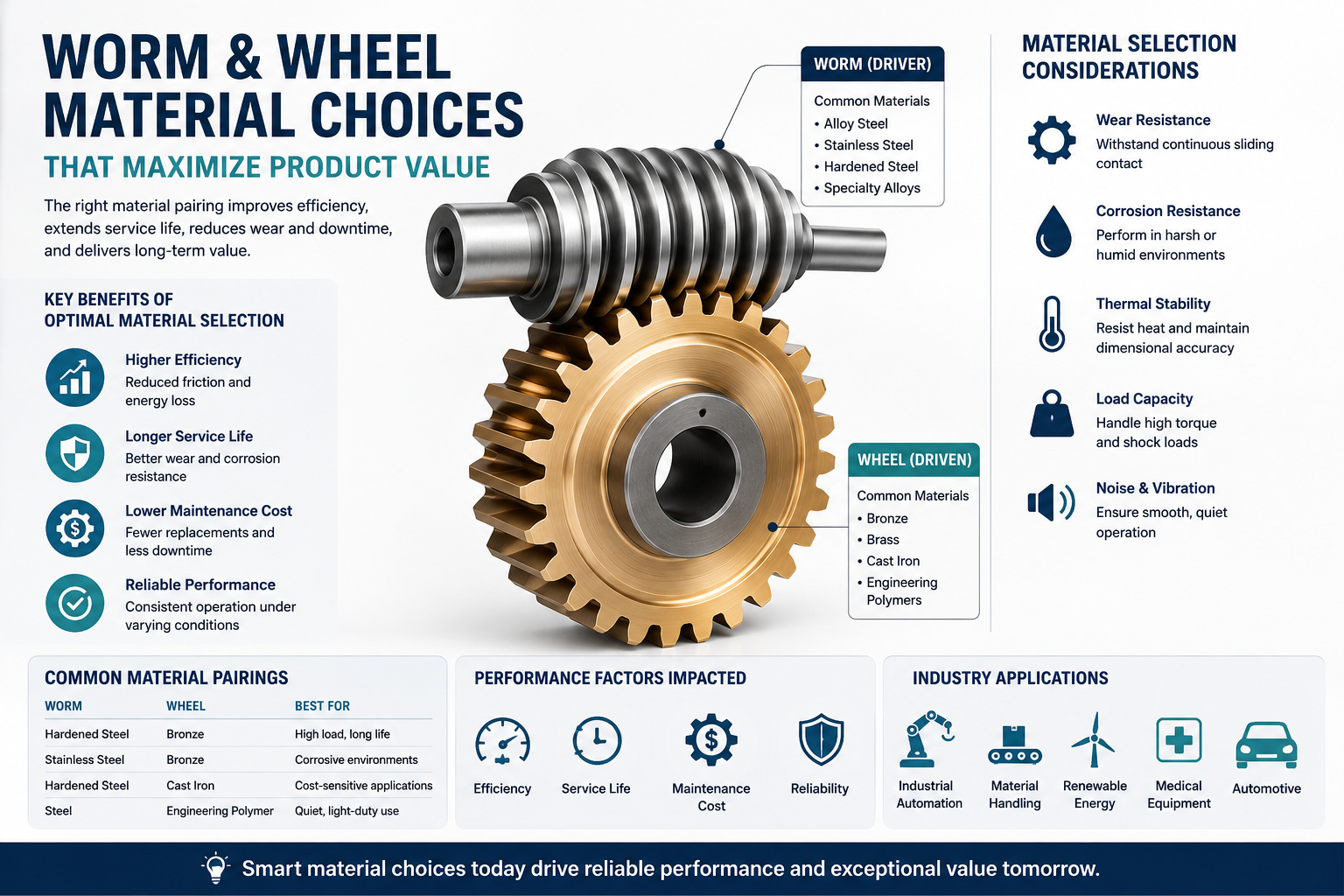
The Impact of Gear Assembly Accuracy on Equipment Performance
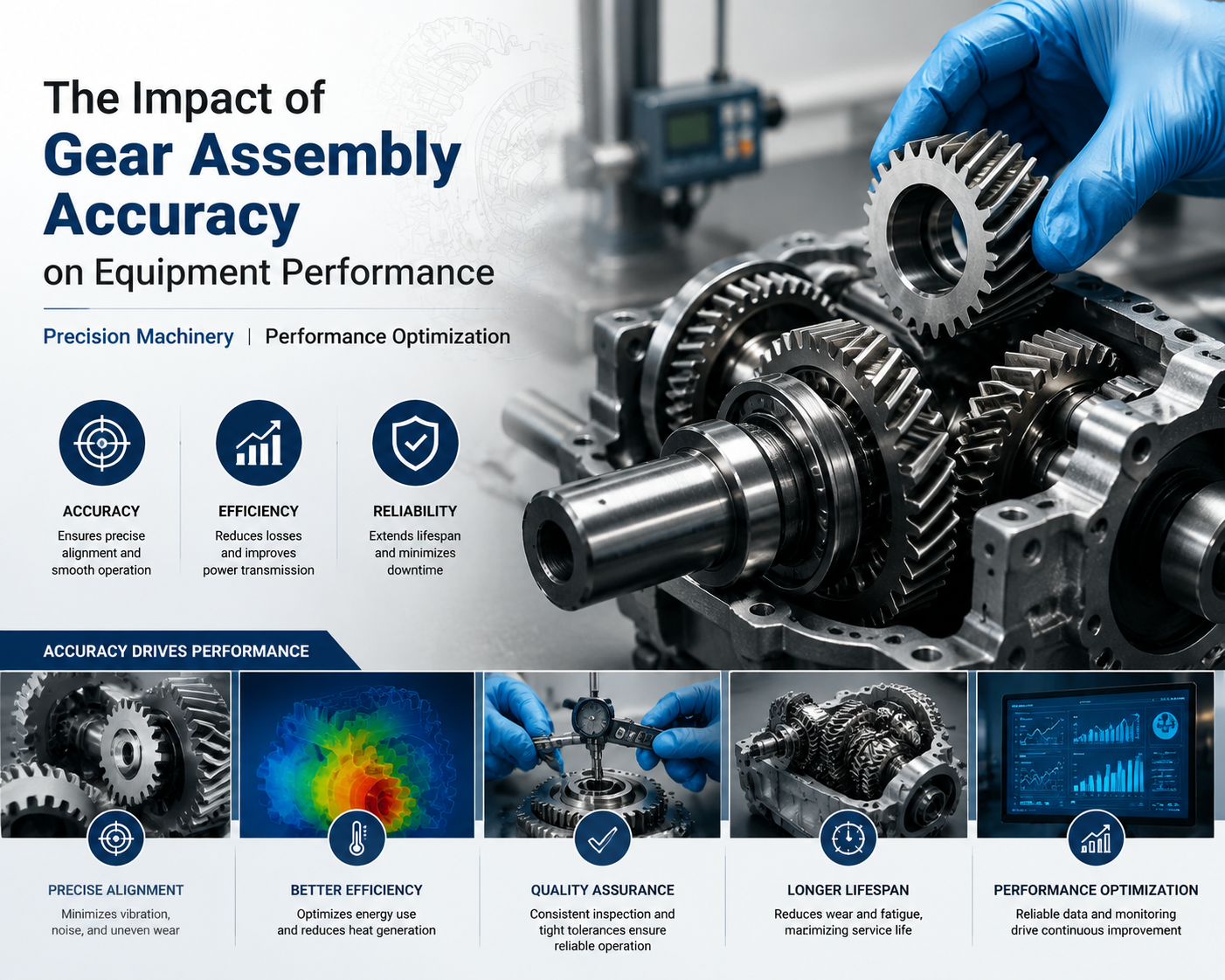
Gear assembly accuracy plays a decisive role in the operational efficiency, reliability, and longevity of industrial equipment. In modern precision machinery, even microscopic deviations during gear assembly can create cumulative mechanical inefficiencies that eventually affect torque transmission, vibration control, thermal stability, and overall performance optimization.
Learn more about gear fundamentals from Wikipedia – Gear, gear manufacturing standards from AGMA.org, and industrial engineering references from NIST.gov.
1. Introduction to Gear Assembly Accuracy
Definition of Gear Assembly Accuracy
Gear assembly accuracy refers to the meticulous alignment and meshing of gears within a mechanical system, ensuring that each tooth engages precisely as designed. Even minute deviations can cascade into cumulative errors, significantly affecting system reliability and long-term performance. It is not just about “fits and clearances”—we’re talking about micrometer-level precision where a hair’s breadth can define operational excellence or disaster.
Importance in Precision Machinery
In precision machinery, whether high-speed turbines or industrial CNCs, accuracy isn’t optional—it’s the cornerstone of operational fidelity. A poorly aligned gear assembly can produce erratic movement, increased wear, and energy losses. In practice, maintaining gear assembly accuracy is what separates a machine that hums like a Swiss watch from one that groans under load.
Overview of Performance Optimization Impacts
Performance optimization hinges on a synergy between design intent and real-world assembly. Accurate gear assembly enhances torque transmission, minimizes vibratory noise, and extends the lifecycle of critical components, ultimately translating into measurable gains in operational uptime and reduced maintenance cycles.
2. Types of Gear Assemblies
Spur Gears and Their Applications
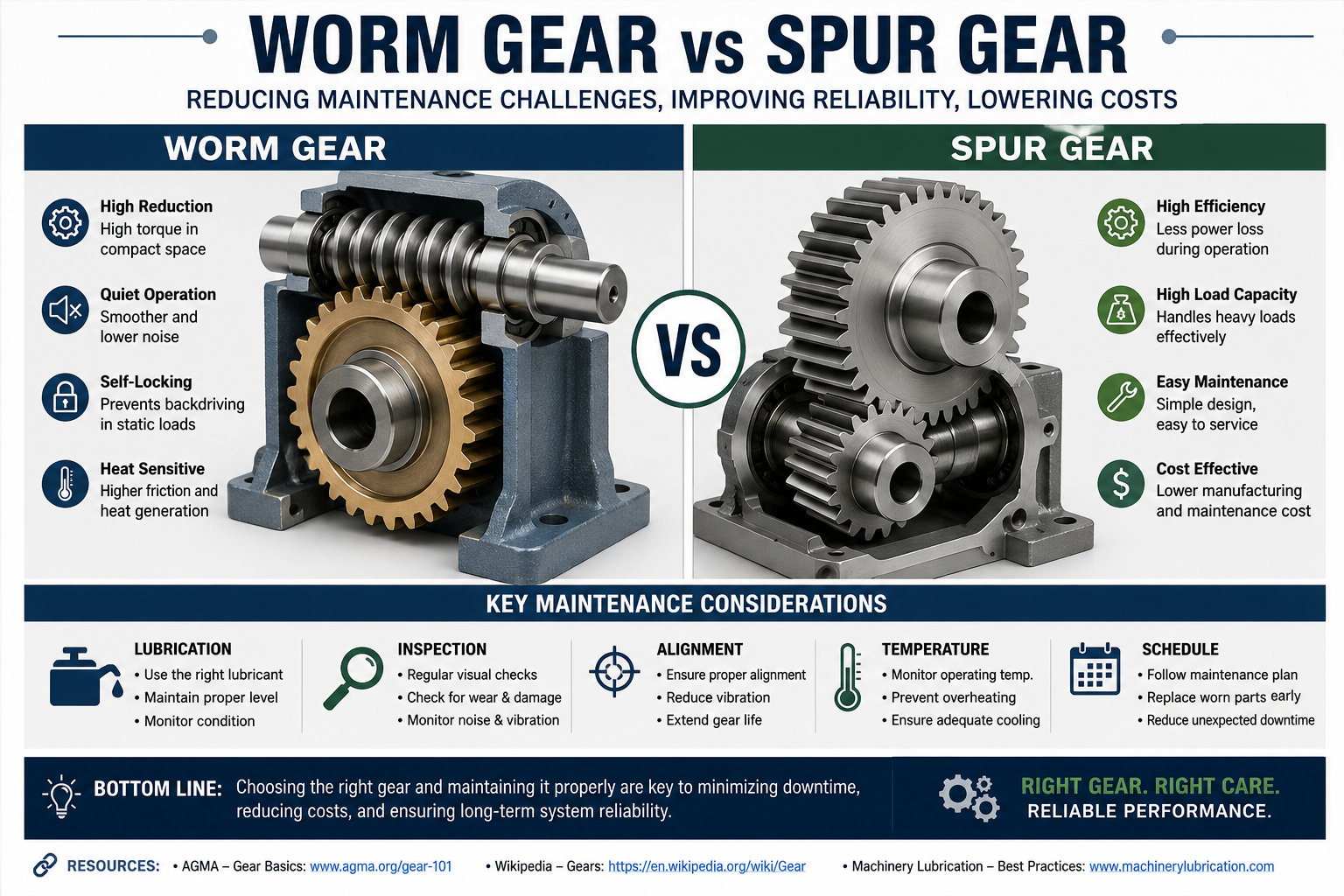
Spur gears, with their straight-cut teeth, are the stalwarts of industrial machinery, providing predictable performance and easy manufacturability. They excel in applications where simplicity and cost-efficiency matter but require strict alignment to avoid tooth interference and premature wear.
Helical Gears and Alignment Considerations
Helical gears, angled for smoother engagement, offer quieter operation and superior load distribution, particularly in high-speed applications. The diagonal teeth necessitate exact axial alignment to prevent thrust-induced stresses that can compromise bearings and housing integrity.
Planetary Gear Systems and Precision Requirements
Planetary gear systems are intricate beasts where multiple gears orbit a central sun gear, delivering high torque density in compact footprints. Their precision demands are uncompromising: even minor eccentricity can induce vibration harmonics, causing inefficiencies that ripple through the entire drivetrain.
3. Fundamentals of Gear Meshing
Gear Tooth Contact Mechanics
Understanding the contact mechanics of gear teeth is essential. The pressure angle, contact ratio, and tooth geometry dictate load sharing. Any deviation alters the stress pattern, creating localized fatigue points and increasing the likelihood of micro-pitting.
Backlash and Its Effects
Backlash—the intentional clearance between mating teeth—can be both a friend and a foe. While necessary to accommodate thermal expansion and lubricant film, excessive backlash leads to lost motion, clatter, and reduced torque transmission, particularly under dynamic loads.
Load Distribution Across Gear Teeth
Uniform load distribution is the holy grail of precision gear operation. Misalignment or manufacturing errors concentrate stress on specific teeth, accelerating wear, increasing noise, and potentially triggering catastrophic failures if left uncorrected.
4. Tolerance and Precision Standards
ISO and AGMA Standards for Gear Accuracy
International standards such as ISO 1328 and AGMA 2101 outline tolerances for pitch, runout, and tooth profile deviations. Adhering to these standards ensures interoperability and consistency across assemblies, providing engineers a benchmark for quality.
Measuring Gear Tolerances
Precision measurement tools, including coordinate measuring machines (CMMs) and laser interferometers, quantify tolerances with micrometer-level fidelity. The process often includes checking tooth thickness, concentricity, and axial alignment, essential for high-performance gear assemblies.
Acceptable Deviation Thresholds
Acceptable deviation thresholds vary with gear class and application; aerospace and robotics tolerate significantly less deviation than low-speed industrial conveyors. Exceeding these thresholds is akin to playing Russian roulette with equipment longevity.
5. Manufacturing Impacts on Gear Accuracy
Machining Precision and Gear Quality
The fidelity of gear profiles starts at the machine tool. Gear hobbing, shaping, and grinding must maintain tight dimensional control to ensure predictable meshing, especially in high-torque, high-speed applications.
Heat Treatment Effects on Gear Dimensions
Heat treatment, while critical for hardness and wear resistance, introduces dimensional shifts. Distortion control, quenching uniformity, and post-heat-treatment finishing are essential to prevent misalignment during assembly.
Surface Finishing and Its Role in Assembly
Surface roughness directly affects the lubricant film’s ability to protect the teeth and reduce friction. Polished, accurately finished teeth support smoother operation and are less prone to micro-pitting and noise generation.
6. Assembly Techniques for High Accuracy
Manual Assembly Methods
Traditional hand assembly relies on technician skill and tactile feedback, often supported by dial indicators and feeler gauges. This method is suitable for low-volume, highly specialized machinery where human intuition complements measurement tools.
Automated and Robotic Assembly
For high-volume precision machinery, automated assembly ensures repeatability. Robotic systems, guided by optical sensors, torque-controlled screwdrivers, and precision fixtures, minimize human error while optimizing gear engagement.
Alignment Verification Procedures
Post-assembly verification employs laser alignment, endoscopic inspection, and runout testing to ensure that gears are within specified tolerances. This step is non-negotiable in mission-critical systems.
7. Impact on Rotational Efficiency
Friction Losses in Misaligned Gears
Misalignment increases frictional forces at the tooth interface, generating heat and reducing efficiency. This phenomenon not only consumes excess energy but also accelerates lubricant degradation, compounding wear issues.
Influence on Torque Transmission
Inefficient gear assembly impairs torque delivery, creating uneven load sharing. The result is compromised performance, particularly in high-power machinery where precision torque application is critical.
Energy Efficiency Implications
In an era of energy-conscious design, even marginal losses due to assembly inaccuracies translate to significant operational costs over a system’s lifetime. Properly aligned gears can improve overall energy efficiency and reduce the carbon footprint.
8. Vibration and Noise Considerations
Sources of Gear Vibration
Vibration stems from misaligned teeth, uneven wear, and geometric inconsistencies. High-frequency oscillations can propagate through bearings and structural components, reducing machine longevity.
Noise Generation from Misalignment
Gear whine and rattle are more than annoyances; they’re symptoms of inefficiency. Misalignment-induced noise often indicates uneven tooth loading and impending failure, particularly in precision machinery.
Mitigation Strategies for High-Precision Machinery
Mitigation includes precision mounting, anti-vibration couplings, damping materials, and strict adherence to tolerance standards, all contributing to quieter, more reliable operation.
9. Load Handling and Gear Stress
Stress Concentration in Inaccurate Assemblies
When teeth do not mesh as designed, stress concentrates in localized areas, increasing susceptibility to micro-cracking and material fatigue, potentially compromising structural integrity.
Fatigue Life Reduction
Repeated cyclic loading exacerbates these stress points, shortening the fatigue life of gears and bearings alike. Predictive modeling can quantify expected lifespan reductions under various misalignment scenarios.
Risk of Premature Failure
Unchecked stress concentrations elevate the risk of catastrophic failure, leading to unscheduled downtime, expensive repairs, and compromised safety in critical applications.
10. Thermal Expansion and Environmental Factors
Material Expansion Under Load
Different metals expand at different rates under thermal load, subtly altering gear mesh geometry. Failure to account for these variations can increase backlash or tooth interference.
Temperature Impact on Gear Meshing
High-speed or high-load conditions generate localized heat, influencing lubrication viscosity and tooth contact mechanics, which in turn affect performance optimization.
Environmental Conditions Affecting Accuracy
Ambient temperature fluctuations, humidity, and contamination introduce additional variables, challenging engineers to maintain alignment and consistent performance across diverse operating conditions.
11. Lubrication and Gear Interaction
Role of Lubricants in Precision Assemblies
Lubricants act as both a friction reducer and a heat dissipator. The correct lubricant ensures smooth operation, reduces wear, and preserves gear tooth integrity.
Impact of Viscosity on Performance
Viscosity directly affects load-carrying capacity and energy loss. Too thin, and you risk metal-to-metal contact; too thick, and efficiency plummets, creating a delicate balancing act.
Maintenance Considerations
Regular monitoring of lubricant condition, contamination levels, and proper reapplication schedules are vital to preserving gear assembly accuracy and long-term machinery performance.
12. Monitoring Gear Assembly Accuracy
Use of Laser and Optical Measurement Tools
Advanced laser profilometers and optical scanners provide micron-level insight into gear alignment, detecting deviations invisible to traditional inspection methods.
Vibration and Sound Analysis
Acoustic emission and vibration analysis allow engineers to infer misalignment and abnormal wear patterns, often before visible damage occurs.
Predictive Maintenance Integration
By combining real-time monitoring data with AI algorithms, predictive maintenance can anticipate failures, schedule interventions, and optimize machine uptime.
Additional engineering resources can be found at ASME.org and MIT Engineering.
13. Case Studies of Performance Optimization
High-Speed Machinery Applications
High-speed spindles in machining centers demonstrate how sub-millimeter misalignment can degrade surface finish and precision, emphasizing the need for meticulous assembly.
Heavy-Duty Industrial Equipment
In industrial gearboxes handling tons of load, precision gear assembly translates directly to reduced downtime and longer operational cycles, underscoring cost-effectiveness.
Robotics and Automation Examples
Robotic arms rely on precision meshing for accurate positioning. Even minor assembly errors can cascade into positional drift, impairing repeatability and throughput.
14. Troubleshooting Common Assembly Errors
Identifying Misalignment Issues
Symptoms such as unusual vibration patterns, noise, or uneven wear indicate misalignment. Engineers often rely on a combination of dial indicators, feeler gauges, and thermal imaging to pinpoint faults.
Correcting Backlash Problems
Adjusting shims, tightening housings, and recalibrating gear spacing can bring backlash back into specification, restoring efficiency and reducing unwanted play.
Realignment and Recalibration Techniques
Re-meshing using precision fixtures, torque sequencing, and iterative verification ensures the restored gear assembly meets design specifications, optimizing performance.
15. Future Trends in Gear Assembly Technology
Advanced Materials for Precision Gears
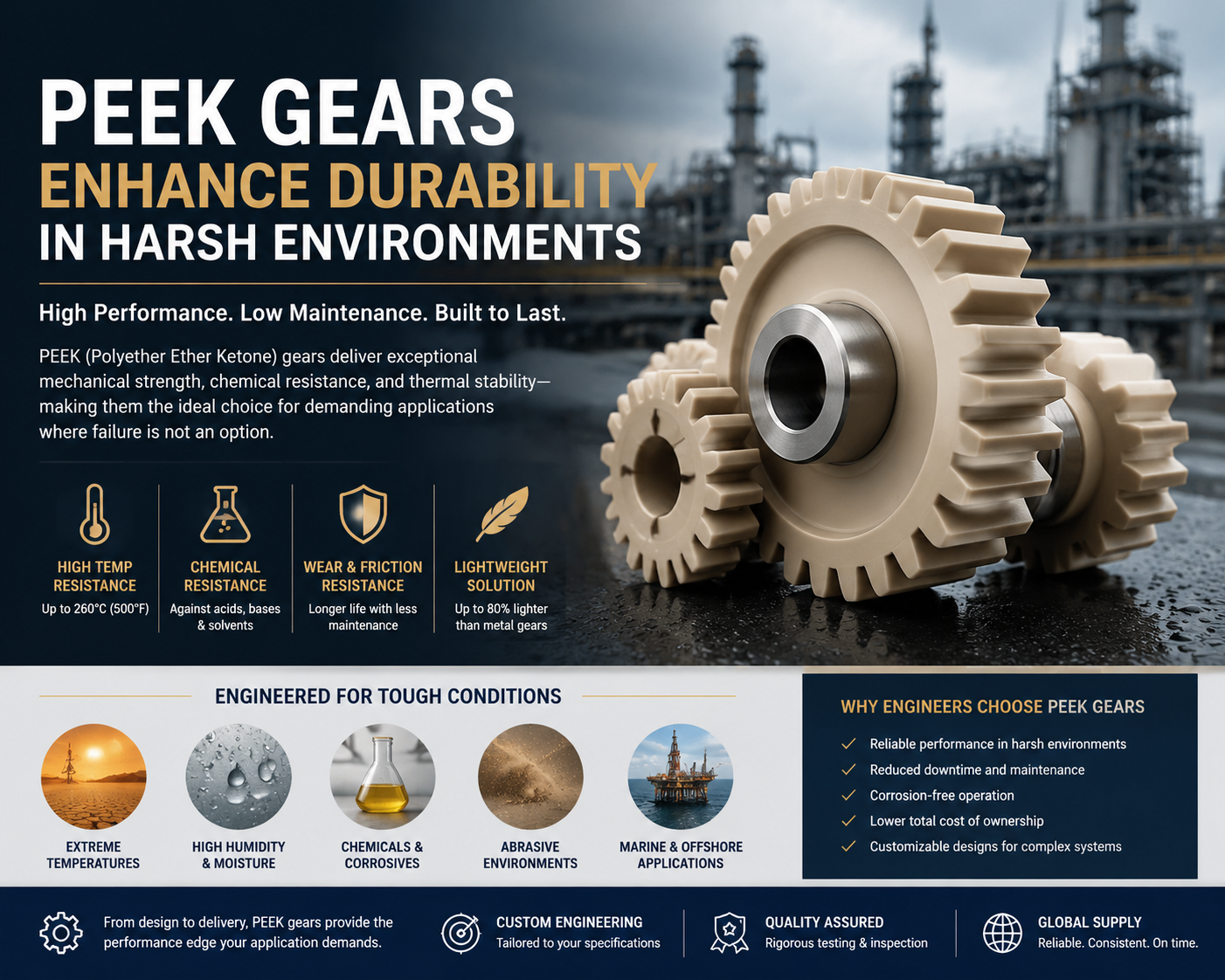
Lightweight composites, coated steels, and ceramic inserts promise reduced inertia, better wear resistance, and superior thermal stability, reshaping design paradigms.
AI-Assisted Assembly and Monitoring
Artificial intelligence guides assembly robots, predicts misalignment before it occurs, and dynamically adjusts tolerances for optimal performance under varying load conditions.
Smart Sensors for Real-Time Performance Tracking
Embedded sensors provide live feedback on torque, vibration, temperature, and alignment, allowing instant corrective actions to preserve precision machinery integrity.
16. Conclusion and Key Takeaways
Summary of Gear Assembly Impact on Performance
Gear assembly accuracy is the linchpin of operational efficiency. Misalignment, backlash, or poor tolerances can exponentially degrade system performance, energy efficiency, and component longevity.
Best Practices for Maintaining Accuracy
Maintain strict adherence to ISO/AGMA standards, perform meticulous measurement and alignment checks, and prioritize predictive maintenance. Automation and precision tools are allies, not luxuries.
Recommendations for Engineers and Technicians
Engineers must approach assembly with a methodical, data-driven mindset while leveraging advanced monitoring technologies, ensuring that precision machinery achieves optimal performance, reliability, and lifespan.
This article provides a comprehensive, technical deep dive, highlighting the critical role of gear assembly in precision machinery and strategies for performance optimization.