Table of Contents
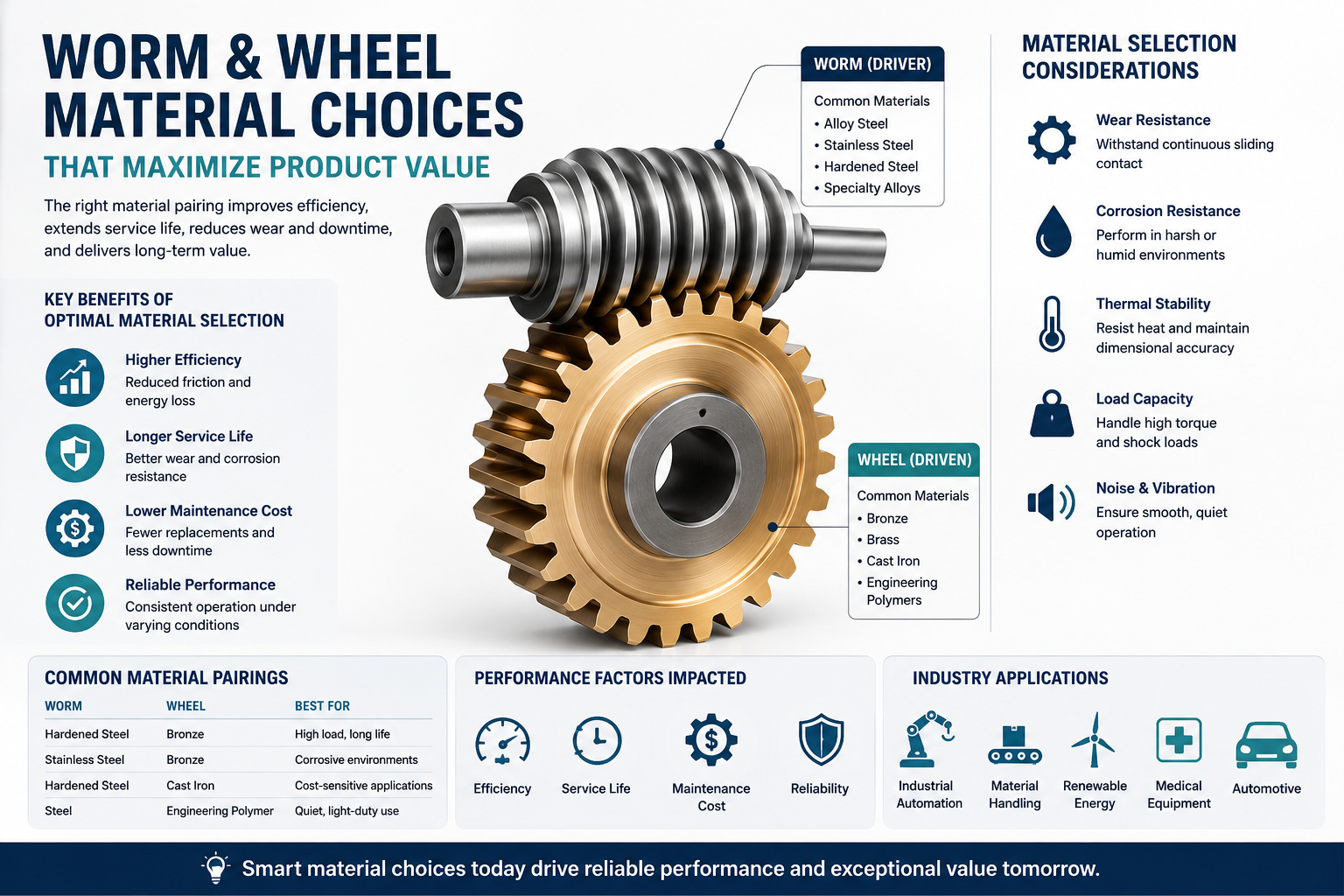
Worm & Wheel Material Choices That Maximize Product Value
1. Introduction to Worm & Wheel Material Selection
1.1 Importance of material choice in worm & wheel performance
Choosing the right material for worm & wheel assemblies is far more than a checkbox on a procurement form—it’s the difference between smooth, long-lasting operation and premature gear failure that can grind your production line to a halt. Materials determine friction coefficients, wear characteristics, and the ability to endure high torque over time. The wrong steel or bronze, for instance, can result in accelerated pitting, galling, or even catastrophic failure under sustained loads. In the world of mechanical engineering and procurement, getting this right upfront saves headaches down the line, ensuring gears mesh seamlessly and the assembly performs like a well-oiled Swiss watch.
1.2 Impact of materials on durability and efficiency
The interplay between material properties and operational longevity cannot be overstated. Harder materials can resist deformation, while softer, lubricious metals can reduce friction and energy loss. When you optimize the material pairing, you’re essentially balancing durability with efficiency—minimizing wear while ensuring energy transfer is nearly frictionless. Engineers often describe this as finding the sweet spot where torque transmission efficiency meets maximum service life, which directly influences maintenance cycles and operational uptime.
1.3 How procurement decisions affect overall product value
From a procurement standpoint, material selection isn’t just about price per kilogram—it’s about lifecycle cost, reliability, and risk mitigation. Opting for a slightly more expensive bronze alloy over a standard one can prevent gear failure, reduce downtime, and protect brand reputation. Procurement professionals are essentially strategic gatekeepers: the materials they approve dictate product robustness, warranty claims, and overall market competitiveness. A wise choice today avoids costly rework or recall campaigns tomorrow.
2. Understanding Worm & Wheel Mechanisms
2.1 How worms and wheels interact in gear assemblies
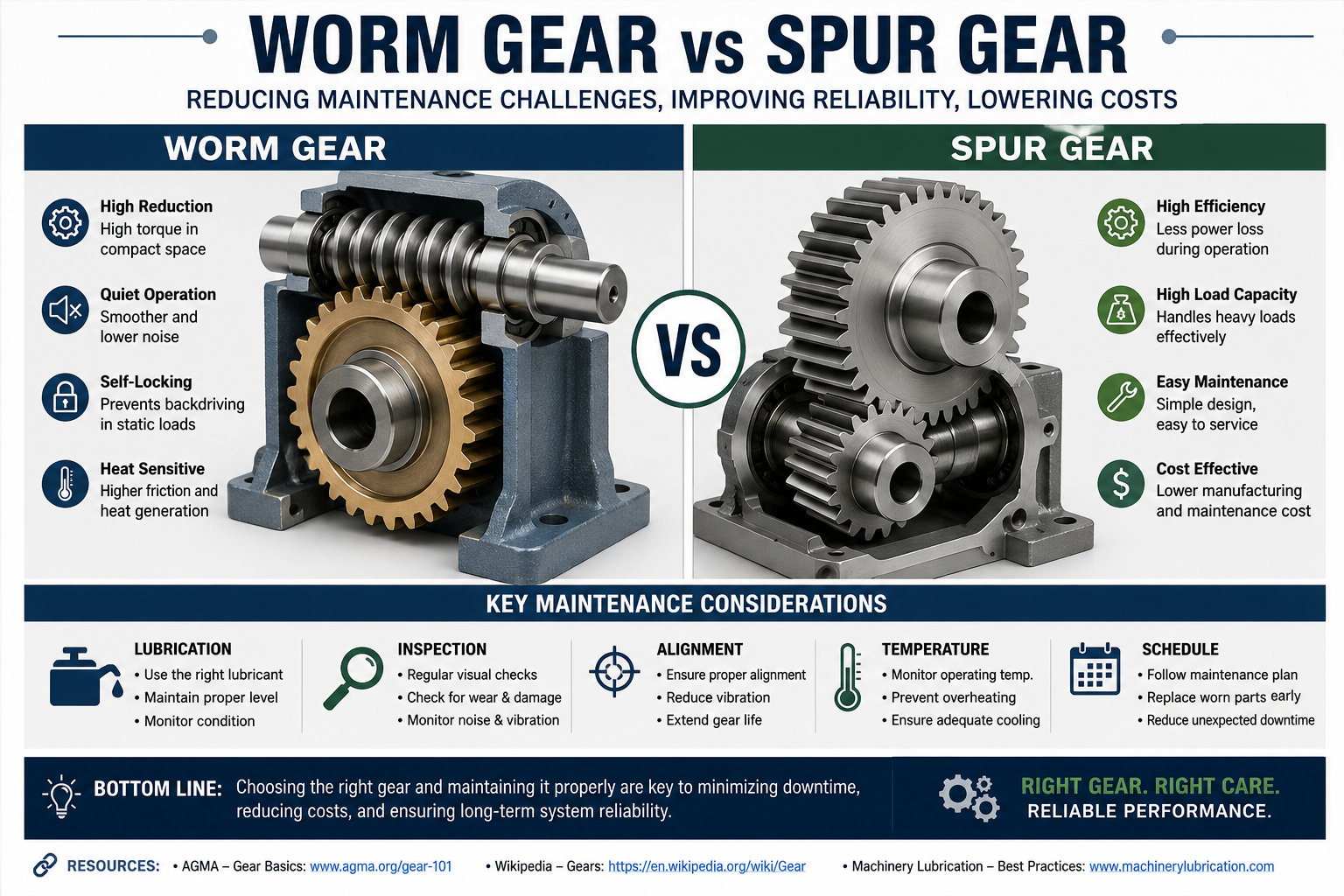
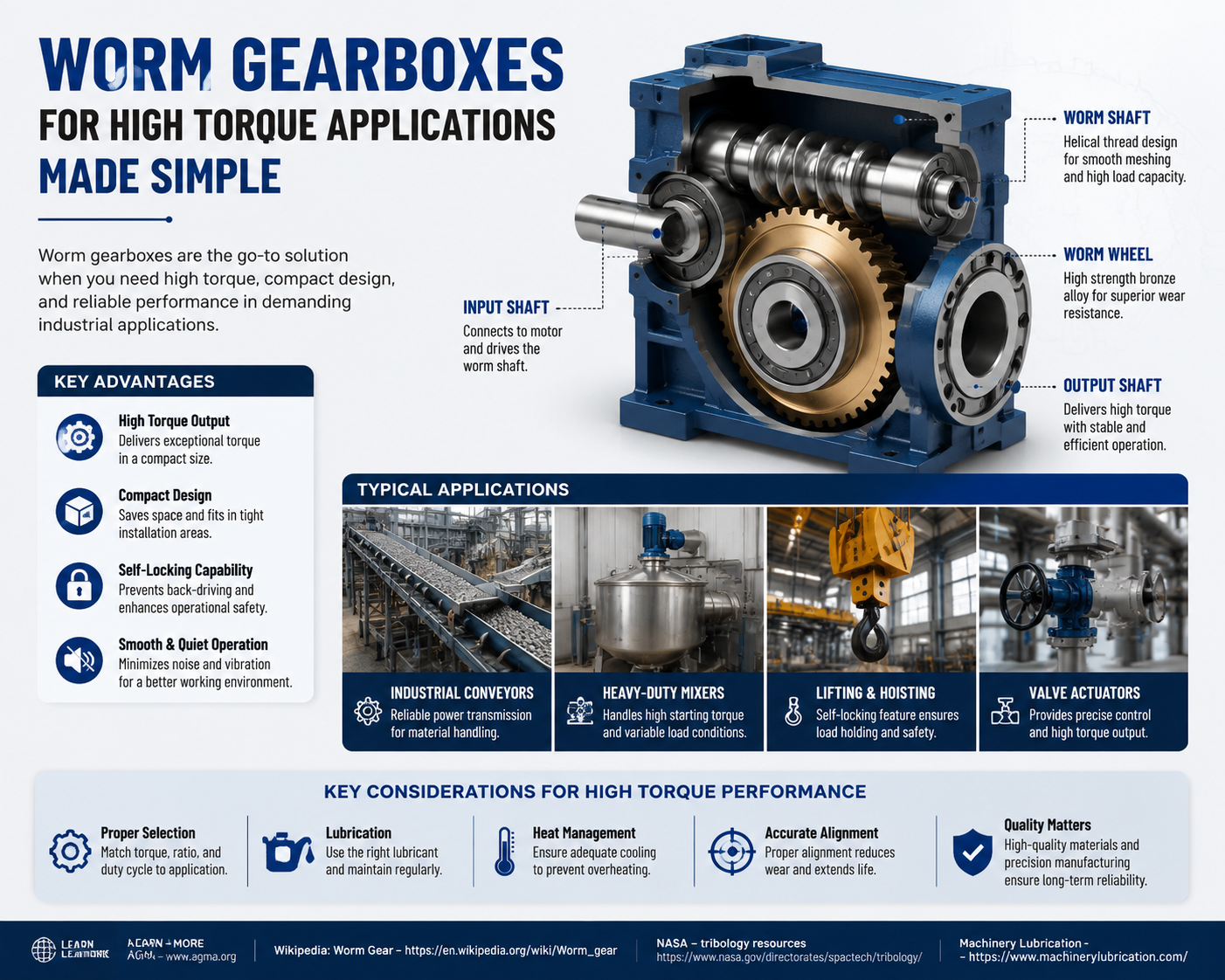
A worm & wheel pair is not your run-of-the-mill gear setup; it’s a right-angle, non-intersecting configuration that converts rotational motion with high reduction ratios. The worm acts like a helical screw, meshing with the wheel’s teeth in a delicate engagement that requires precision tolerances. The angle, pitch, and helix design determine load distribution, contact stress, and back-driving capability. In short, it’s a dance of metallurgy and geometry, where even minor deviations in material properties can have a domino effect on performance. Learn more about worm gears on Wikipedia.
2.2 Common applications and industry use cases
Worm & wheel assemblies are everywhere, though they often hide behind the curtain of industry machinery. They are found in conveyors, packaging machines, automotive steering systems, and robotics, where smooth, high-torque reduction is needed. Their unique advantage lies in self-locking properties, which prevent reverse motion—a feature prized in lifts, hoists, and heavy-duty equipment. Choosing the right materials ensures the assembly can handle variable loads without wearing prematurely, a factor critical for industries where downtime is measured in tens of thousands of dollars per hour.
2.3 Key performance metrics influenced by materials
Several critical parameters hinge directly on material selection: wear resistance, hardness, friction coefficient, and heat tolerance. The efficiency of torque transmission, the tendency for backlash, and the assembly’s ability to endure shock loads are all functions of material composition. Engineers often quantify this using hardness scales (Rockwell, Brinell), tensile strength, and coefficient of friction tests, ensuring the worm & wheel pairing meets operational specifications without compromise.
3. Overview of Common Materials for Worms
3.1 Steel types and their properties
Steel is the workhorse of worm shafts, prized for its tensile strength, fatigue resistance, and machinability. Alloy steels, such as 8620 or 4140, offer superior wear resistance when carburized or nitrided. Heat treatments further tailor hardness and toughness, allowing the worm to withstand high torque without micro-fractures. In heavy-duty applications, steel worms paired with bronze wheels form a classic combination where the hardness of steel drives the softer wheel, minimizing wear on the more expensive component.
3.2 Bronze options and wear resistance
Bronze worms, particularly tin or aluminum bronzes, offer excellent corrosion resistance and a lower friction interface. While not as hard as steel, bronze worms excel in moderate-load applications, reducing galling and vibration. The alloying elements—tin, aluminum, or phosphorus—dictate hardness, machinability, and self-lubricating properties, making them a versatile choice for systems where lubrication may be intermittent or environmental exposure is a concern.
3.3 Specialty alloys for high-performance applications
When the going gets tough, specialty alloys come into play. Nickel-based or cobalt-chrome alloys withstand extreme loads, high temperatures, and corrosive environments, pushing the performance envelope where standard steel or bronze falls short. These high-performance worms often serve in aerospace, military, or precision robotics, where failure is not an option. Cost is higher, but the payoff in longevity and reliability is substantial. Read more about alloy steel applications on AZoM.org.
4. Overview of Common Materials for Wheels
4.1 Cast iron and its cost-effectiveness
Cast iron wheels are the budget-friendly stalwarts of worm & wheel assemblies. Known for compressive strength, vibration damping, and machinability, gray or ductile cast iron is commonly used in moderate-load applications. Its ability to absorb shock loads and resist deformation makes it a practical choice for industrial equipment, though wear rates must be monitored if paired with a hardened worm under heavy torque.
4.2 Bronze and brass wheels for reduced friction
Bronze and brass wheels are a popular choice where friction reduction is paramount. Bronze wheels, when paired with steel worms, deliver an optimal balance of wear resistance and smooth operation. Brass wheels, slightly softer than bronze, offer quieter operation and lower friction, ideal for precision machinery and systems where efficiency and noise control matter. Alloy selection, casting methods, and heat treatment all influence final performance.
4.3 Advanced polymers and composite options
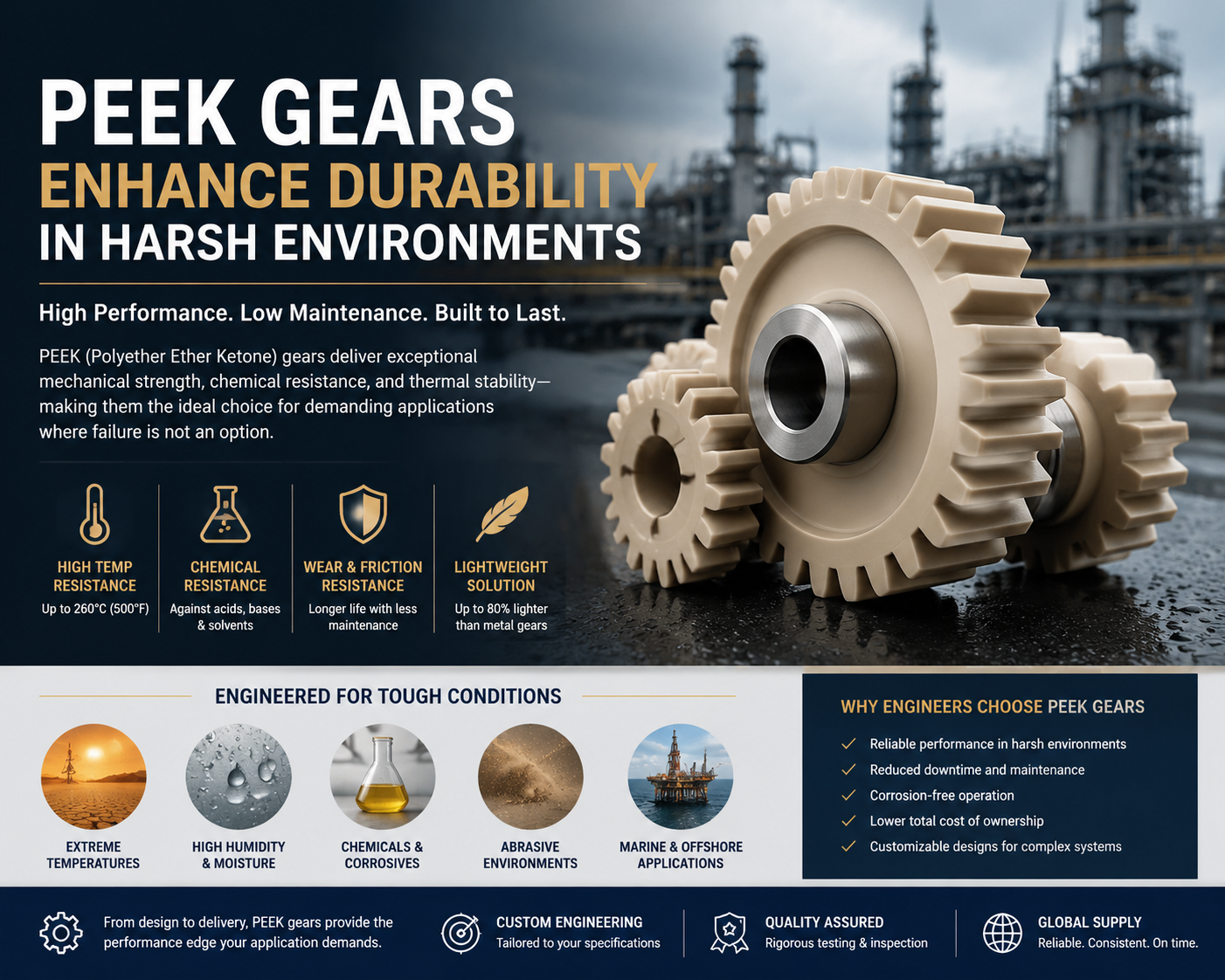
High-performance polymers and fiber-reinforced composites are gaining traction in worm & wheel assemblies, particularly in applications requiring lightweight, corrosion-resistant, and low-noise solutions. Materials like PEEK or reinforced nylon can rival metals in wear resistance under controlled loads, with the added benefits of self-lubrication and reduced maintenance requirements. They are ideal for medical equipment, robotics, or automated conveyor systems where weight and noise reduction are critical.
5. Material Hardness and Wear Resistance
5.1 Measuring hardness for worm & wheel durability
Hardness is the first line of defense against wear. Engineers quantify it using Rockwell, Vickers, or Brinell scales, depending on the material. A harder worm reduces its own wear but accelerates wear on the mating wheel, so the balance between worm and wheel hardness is crucial. Precision hardness testing ensures components meet design tolerances and can withstand operational stresses over time without pitting or scoring.
5.2 Surface treatments to enhance wear resistance
Surface engineering is a secret weapon in gear longevity. Techniques such as carburizing, nitriding, induction hardening, or shot peening increase surface hardness and fatigue resistance without compromising the core’s toughness. Coatings like DLC (diamond-like carbon) or PTFE-infused layers reduce friction and extend service life, particularly in high-speed or high-load environments. The right surface treatment can be the difference between a maintenance nightmare and a decades-long operation.
5.3 Comparing hardness across different materials
Not all hardness is created equal. Steel worms can achieve 55–65 HRC with proper heat treatment, while bronze wheels typically range from 80–120 HB. Composite materials, while softer, distribute stress differently and may tolerate repeated contact without galling. Comparing these properties allows engineers and procurement professionals to predict wear patterns, schedule maintenance, and select material pairings that maximize efficiency while minimizing replacement costs.
6. Corrosion Resistance and Environmental Considerations
6.1 How operating environments affect material choice
Worm & wheel assemblies do not operate in a vacuum—temperature fluctuations, humidity, chemical exposure, and dust all influence material performance. In coastal or chemical processing environments, corrosion can erode even the hardest metals, leading to premature failure. Understanding the operational envelope is essential before locking in materials, as corrosion resistance can make or break a project’s success. Learn more about corrosion-resistant metals at NACE.org.
6.2 Protective coatings and surface treatments
Beyond inherent material resistance, protective coatings extend the life of the assembly. Zinc plating, anodizing, phosphate coatings, or advanced ceramic layers provide barriers against oxidation, moisture, and chemical attack. In some cases, multi-layered coatings combine wear resistance with corrosion protection, ensuring the gear assembly performs consistently in aggressive or unpredictable conditions.
6.3 Selecting materials for humid or corrosive conditions
For humid or chemically aggressive environments, engineers often pair stainless steel worms with bronze or polymer wheels, capitalizing on corrosion resistance while maintaining efficiency. In extreme scenarios, titanium or nickel-based alloys offer unparalleled protection, albeit at a premium. The key is aligning material choice with both operational demands and maintenance budgets, delivering long-term reliability without inflating procurement costs unnecessarily.
7. Friction and Lubrication Performance
7.1 Material impact on friction levels
Friction is the silent saboteur of worm & wheel assemblies; even a slight mismatch in material pairing can generate excessive heat, energy loss, and accelerated wear. Hard steel against bronze, for instance, provides a smooth gliding interface, whereas steel-on-steel without proper lubrication can seize faster than you can say “bearing failure.” Engineers meticulously consider the coefficient of friction, surface finish, and material compliance to minimize energy loss while maintaining precise torque transmission.
7.2 Compatibility with lubricants
Lubrication isn’t just about slapping some oil on the gears and calling it a day. Each material responds differently to synthetic oils, greases, or dry film lubricants. Bronze wheels excel with standard mineral oils, while high-performance polymers may require specialized synthetic or PTFE-based lubricants to prevent wear and thermal degradation. Material-lubricant synergy is critical for longevity, and the wrong combo can lead to micro-pitting, scoring, or even catastrophic galling in high-speed applications.
7.3 Optimizing efficiency through material pairing
Pairing the right worm and wheel materials is like matchmaking for mechanical efficiency. A harder worm against a slightly softer wheel balances wear distribution and frictional losses, extending service life and reducing maintenance downtime. Engineers often simulate contact stress and sliding velocity across the interface, ensuring that the material duo minimizes energy loss while maximizing torque transfer, which translates directly into operational efficiency and lower running costs.
8. Thermal Conductivity and Heat Management
8.1 How material choice affects heat dissipation
Worm & wheel assemblies generate heat through friction, especially under high torque or continuous operation. Metals with higher thermal conductivity, such as bronze or aluminum alloys, dissipate heat more effectively, preventing thermal softening or expansion that could compromise tolerances. Conversely, low-conductivity polymers may require external cooling or intermittent operation to avoid creeping and deformation. Understanding thermal behavior is essential to prevent premature failure.
8.2 Materials suited for high-speed or heavy-load applications
High-speed or heavy-load applications push materials to the limit. Hardened steel worms with bronze wheels remain the go-to combination due to their ability to endure repeated contact stress while maintaining dimensional stability. In aerospace or robotic systems, specialized nickel-chrome alloys and ceramic-coated surfaces further mitigate thermal deformation, enabling the gear pair to run hotter and longer without losing efficacy. Additional information about thermal conductivity in engineering materials can be found on Engineering Toolbox.
8.3 Avoiding thermal deformation in gear assemblies
Thermal expansion can wreak havoc on precision worm & wheel setups. Differential expansion between worm and wheel materials can increase backlash, reduce efficiency, or even cause seizure. Engineers must consider the coefficient of thermal expansion when selecting material pairs, sometimes opting for matched alloys or using pre-stressed designs to compensate for heat-induced dimensional changes, ensuring smooth, reliable operation across varying temperatures.
9. Strength and Load-Bearing Capacity
9.1 Calculating load requirements for worms and wheels
Accurate load analysis is non-negotiable. Engineers calculate tangential, radial, and axial loads on the worm and wheel, factoring in dynamic shocks, acceleration, and operational duration. Misjudging load requirements can lead to tooth breakage, surface fatigue, or permanent deformation, costing downtime and money. Sophisticated software simulations often model real-world stress distributions to optimize material selection for each application.
9.2 Material limits for high-torque applications
Each material has a breaking point. Steel worms can handle high torque but can transfer wear to the mating wheel if paired incorrectly. Bronze wheels absorb some stress through plastic deformation but have lower ultimate strength. Procurement professionals must weigh material cost against operational demands, ensuring that the gear pair handles peak loads without compromising lifespan or safety.
9.3 Balancing strength with cost-effectiveness
High-strength alloys offer longevity but come at a premium. In many industrial applications, a judicious mix of steel worms and bronze wheels achieves the perfect balance: durable enough to withstand operational stress but economical enough to maintain project budgets. This balancing act requires a nuanced understanding of both engineering principles and procurement realities.
10. Noise and Vibration Considerations
10.1 Materials that reduce operational noise
Operational noise is often the unsung metric of mechanical excellence. Polymers, bronze, and brass reduce acoustic resonance compared to steel-on-steel pairings. Noise reduction isn’t just for comfort; in precision instruments, high-frequency vibration can translate into positional errors or wear patterns that degrade performance over time. Choosing materials with inherent damping properties can dramatically improve operational smoothness.
10.2 Minimizing vibration through material selection
Vibration arises from imbalanced forces or microscopic irregularities in gear teeth. Material elasticity, density, and damping characteristics all influence vibrational amplitude. Compliant materials, like bronze or reinforced polymers, absorb energy better than rigid steel, preventing chatter and reducing fatigue on both the assembly and the supporting machinery. Proper material selection can literally make the difference between a whisper-quiet operation and a production-line headache.
10.3 Applications where noise reduction is critical
Noise-sensitive applications—medical devices, robotics, precision packaging, and laboratory equipment—require careful attention to gear materials. In these scenarios, high-density polymers or bronze wheels are preferred, sometimes paired with surface treatments or lubricants designed to further minimize acoustic output, ensuring a quiet, efficient, and reliable machine environment.
11. Cost Analysis of Worm & Wheel Materials
11.1 Comparing raw material costs
Material costs vary widely: steel is affordable and widely available, bronze commands a premium, and specialized alloys or composites can be expensive. Procurement professionals need to look beyond unit price and consider long-term operational impact, maintenance frequency, and potential downtime costs. Sometimes paying more upfront saves tenfold in reduced replacements and machine stoppages.
11.2 Evaluating lifecycle and maintenance costs
Lifecycle cost analysis is critical. A low-cost material that wears quickly may require frequent replacement, downtime, or specialized lubricants, inflating total cost of ownership. Conversely, a slightly more expensive high-performance alloy may last years longer with minimal maintenance. Total cost analysis, factoring in replacement cycles, labor, and downtime, often favors durable, wear-resistant materials over cheaper alternatives.
11.3 ROI considerations for premium materials
Investing in premium materials can be justified by superior efficiency, reduced maintenance, and longer service intervals. ROI calculations often include not only direct savings on replacements but also indirect benefits such as reduced energy consumption, minimized downtime, and enhanced brand reputation due to reliability. Procurement professionals must adopt a holistic view, seeing material choice as a strategic lever rather than a line-item expense.
12. Manufacturing and Machinability
12.1 Ease of machining different materials
Some materials are easier to machine than others. Bronze and softer steels are relatively forgiving, allowing tight tolerances without excessive tool wear. Harder steels, specialty alloys, and composite polymers require precision tooling, slower feed rates, and sometimes specialized cooling techniques. Understanding machinability ensures components are produced efficiently without compromising quality. More information on machining fundamentals is available from SME.org.
12.2 Impact on production timelines
Material choice directly affects lead times. Hard or exotic alloys may require extended machining, heat treatment, or post-processing, delaying production schedules. Polymers or cast bronze may be quicker to produce but may require additional finishing to achieve precise gear geometry. Procurement and engineering teams must coordinate to balance material performance with delivery deadlines.
12.3 Material choice for scalable manufacturing
For OEMs and mass production, materials must support scalability. Consistency in quality, ease of sourcing, and predictable machining outcomes are vital. Materials that are too difficult to machine or inconsistent in supply can bottleneck production, increase scrap rates, and impact overall profitability. Smart material selection ensures not only optimal performance but also reliable, repeatable manufacturing at scale. For additional guidance on manufacturing best practices, see the National Institute of Standards and Technology (NIST).
13. Industry Standards and Compliance
13.1 ISO and ASTM standards for gear materials
Worm & wheel assemblies aren’t free-for-all; adherence to ISO and ASTM standards is essential to ensure reliability, interchangeability, and safety. ISO 6336, for example, governs gear strength and load capacity calculations, while ASTM standards define material composition, hardness, and mechanical properties. Compliance with these standards guarantees that the assembly meets internationally recognized benchmarks, which is particularly critical for OEMs supplying global markets. Learn more about ISO standards at ISO.org.
13.2 Compliance requirements for specific sectors
Different industries have unique compliance demands. Aerospace applications often require traceable certification for every material batch, while medical or food-processing equipment mandates corrosion-resistant, biocompatible alloys. Automotive applications may emphasize fatigue resistance under cyclical loads. Understanding sector-specific standards is critical for procurement teams to avoid costly non-compliance issues or regulatory delays.
13.3 Material certification and quality assurance
Beyond selecting materials that meet standards, verifying certifications is crucial. Mill test reports, chemical composition analysis, and mechanical testing data confirm that the material purchased matches design specifications. Rigorous quality assurance ensures repeatable performance, reduces the risk of warranty claims, and gives procurement professionals confidence that the materials will deliver as promised in real-world applications.
14. Material Pairing Strategies
14.1 Matching worm and wheel materials for longevity
The secret sauce in worm & wheel performance is pairing the right materials. Typically, a hardened steel worm mated with a softer bronze wheel distributes wear optimally, extends service life, and maintains consistent torque transmission. Mismatched pairs—such as two hard metals or two soft materials—can lead to galling, excessive wear, or inefficiency. Thoughtful pairing ensures the assembly endures operational stresses without constant maintenance.
14.2 Reducing wear through complementary material selection
Complementary materials can minimize friction, reduce thermal buildup, and enhance self-lubricating properties. For instance, tin-bronze wheels with steel worms balance load-carrying capability with reduced surface wear. Engineers also leverage polymer composites as wheels in low-load, high-speed scenarios, capitalizing on their low friction and vibration-damping properties to further prolong assembly life.
14.3 Case studies of successful material pairings
Industry case studies reveal tangible benefits: packaging machinery using steel worms with bronze wheels reported a 35% reduction in maintenance downtime, while robotic assemblies employing PEEK polymer wheels achieved quieter operation with comparable load capacity. Real-world examples demonstrate that strategic material pairing is not just theoretical—it has a measurable impact on operational efficiency and total cost of ownership.
15. Testing and Quality Control
15.1 Methods for testing material performance
Rigorous testing ensures worm & wheel materials can handle operational demands. Techniques include hardness testing, tensile and fatigue tests, wear simulations, and friction coefficient measurements. For high-performance applications, thermal cycling, corrosion testing, and impact resistance evaluations may be required. Testing under real-world conditions verifies that material properties translate into practical reliability. More details are available from ASM International.
15.2 Common failure modes and prevention
Typical failure modes include pitting, galling, tooth breakage, and thermal deformation. By analyzing wear patterns and stress distribution, engineers can identify weak points in material choice or design. Preventative strategies—such as optimizing surface hardness, selecting complementary materials, and employing appropriate lubrication—mitigate failure risks and extend operational life.
15.3 Ensuring consistency in mass production
Quality control in large-scale manufacturing is paramount. Statistical process control, batch testing, and post-machining inspections help maintain consistent material properties and gear geometry. For OEMs and ODMs supplying multiple clients, consistency ensures all assemblies meet stringent operational standards, reduces scrap rates, and maintains brand reputation.
16. Future Trends in Worm & Wheel Materials
16.1 Emerging alloys and composite materials
The horizon of worm & wheel materials is expanding. Advanced alloys, such as nickel-titanium or cobalt-based superalloys, offer unprecedented strength, wear resistance, and temperature tolerance. Composite materials, including carbon-fiber reinforced polymers, promise lightweight, low-friction alternatives for specialized applications, opening the door to innovative machine designs previously constrained by traditional metals.
16.2 Advanced coatings and surface engineering
Surface treatments are evolving beyond conventional nitriding or carburizing. Diamond-like carbon (DLC) coatings, plasma-enhanced ceramics, and nano-lubricant-infused layers enhance wear resistance, reduce friction, and improve corrosion protection. These advances allow existing material combinations to perform at levels that were once only possible with exotic alloys, creating cost-effective pathways for high-performance assemblies.
16.3 Sustainability and environmentally friendly material options
Sustainability is increasingly influencing procurement decisions. Recyclable metals, biocompatible polymers, and low-energy production processes reduce environmental impact. Materials with extended service life and minimal lubrication requirements also contribute to eco-friendly operation. Forward-thinking engineers and procurement teams are now weighing environmental footprint alongside performance and cost, creating assemblies that are both durable and responsible.
17. Conclusion and Procurement Recommendations
17.1 Key takeaways for maximizing product value
Material selection is the linchpin of worm & wheel performance. Correctly matched worms and wheels enhance durability, efficiency, and reliability, directly influencing product value and customer satisfaction. Strategic decisions around hardness, corrosion resistance, lubrication compatibility, and thermal properties ensure assemblies operate optimally over long service intervals.
17.2 Balancing cost, performance, and longevity
Procurement professionals must weigh upfront material costs against operational longevity, maintenance requirements, and total cost of ownership. Investing in slightly higher-cost materials often results in superior ROI through reduced downtime, maintenance, and energy consumption, making careful evaluation a critical part of procurement strategy.
17.3 Actionable steps for procurement professionals
- Conduct a detailed operational analysis to identify load, speed, and environmental requirements.
- Choose complementary material pairs based on hardness, friction, and thermal properties.
- Verify material certifications, quality control reports, and compliance with ISO/ASTM standards.
- Incorporate lifecycle cost analysis, including maintenance and energy efficiency, into procurement decisions.
- Stay informed about emerging materials, coatings, and sustainable alternatives to future-proof assemblies.