Table of Contents
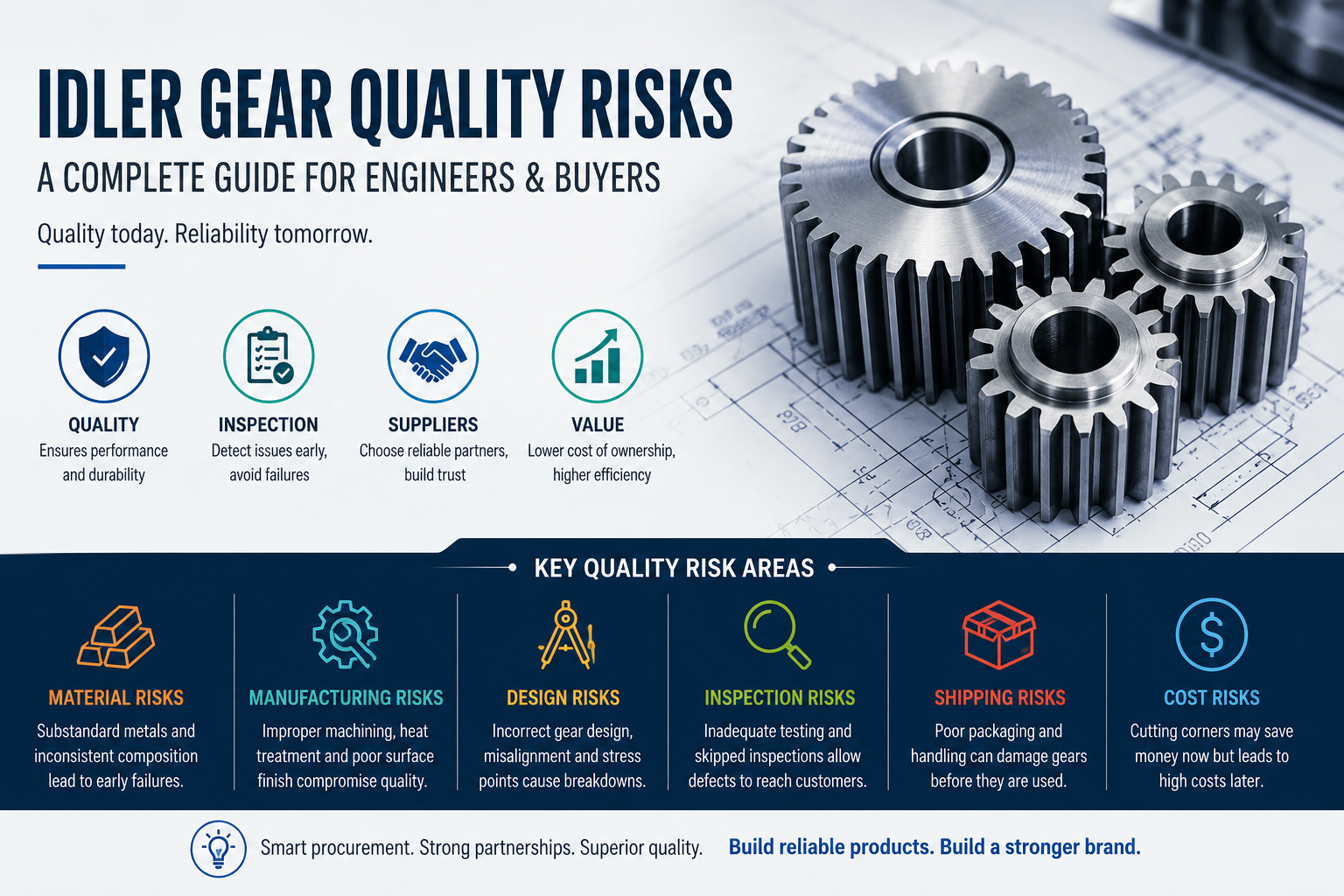
Idler Gear Quality Risks and How Buyers Avoid Them
1. Introduction to Idler Gear Quality Risks
1.1 What is an Idler Gear
An idler gear is a mechanical transmission component positioned between a driving gear and a driven gear to transfer rotational motion without altering the overall gear ratio of the system. While often overlooked, idler gears play a critical role in system reliability, alignment stability, operational smoothness, and long-term performance. They are widely used in industrial machinery, automotive assemblies, robotics, and material handling systems to reverse rotational direction, bridge shaft distances, and optimize transmission layouts.
Idler gears endure repeated cyclic loading, friction, and dynamic vibration. Deficiencies in material, tooth geometry, or heat treatment can propagate through the entire gear train, making procurement vigilance essential. As the saying goes, a chain is only as strong as its weakest link, and idler gears frequently become that weak link.
1.2 Importance of Quality in Idler Gears
High-quality idler gears ensure:
- Consistent power transmission
- Reduced vibration levels
- Lower operational noise
- Extended equipment life
- Improved energy efficiency
- Enhanced system stability
Poorly manufactured gears often exhibit tooth profile deviations, hardness inconsistencies, and dimensional inaccuracies, leading to accelerated wear. Modern industrial environments demand continuous operation under challenging conditions, and even small quality lapses in idler gears can trigger costly downtime and maintenance issues.
1.3 Impact of Poor Quality on Brand Procurement
For global brands, defective idler gears can result in:
- Increased warranty claims
- Product recalls
- Customer dissatisfaction
- Production disruptions
- Higher maintenance costs
- Brand reputation damage
Procurement decisions based solely on price may lead to long-term consequences, as short-term savings are often outweighed by operational costs. Ensuring gear quality safeguards both equipment reliability and brand reputation.
2. Common Types of Idler Gears
2.1 Spur Idler Gears
Spur gears have straight teeth cut parallel to the rotational axis. They are cost-effective, simple to manufacture, and widely used in low-to-moderate speed applications. Quality concerns include tooth spacing errors, profile deviations, and inadequate hardness control, all of which affect load distribution and lifespan.
2.2 Helical Idler Gears
Helical gears have angled teeth that engage gradually, resulting in smoother operation, reduced vibration, and higher load capacity. However, they produce axial thrust and require precise manufacturing to avoid helix angle inaccuracies, tooth lead deviations, and uneven hardness distribution.
2.3 Bevel and Worm Idler Gears
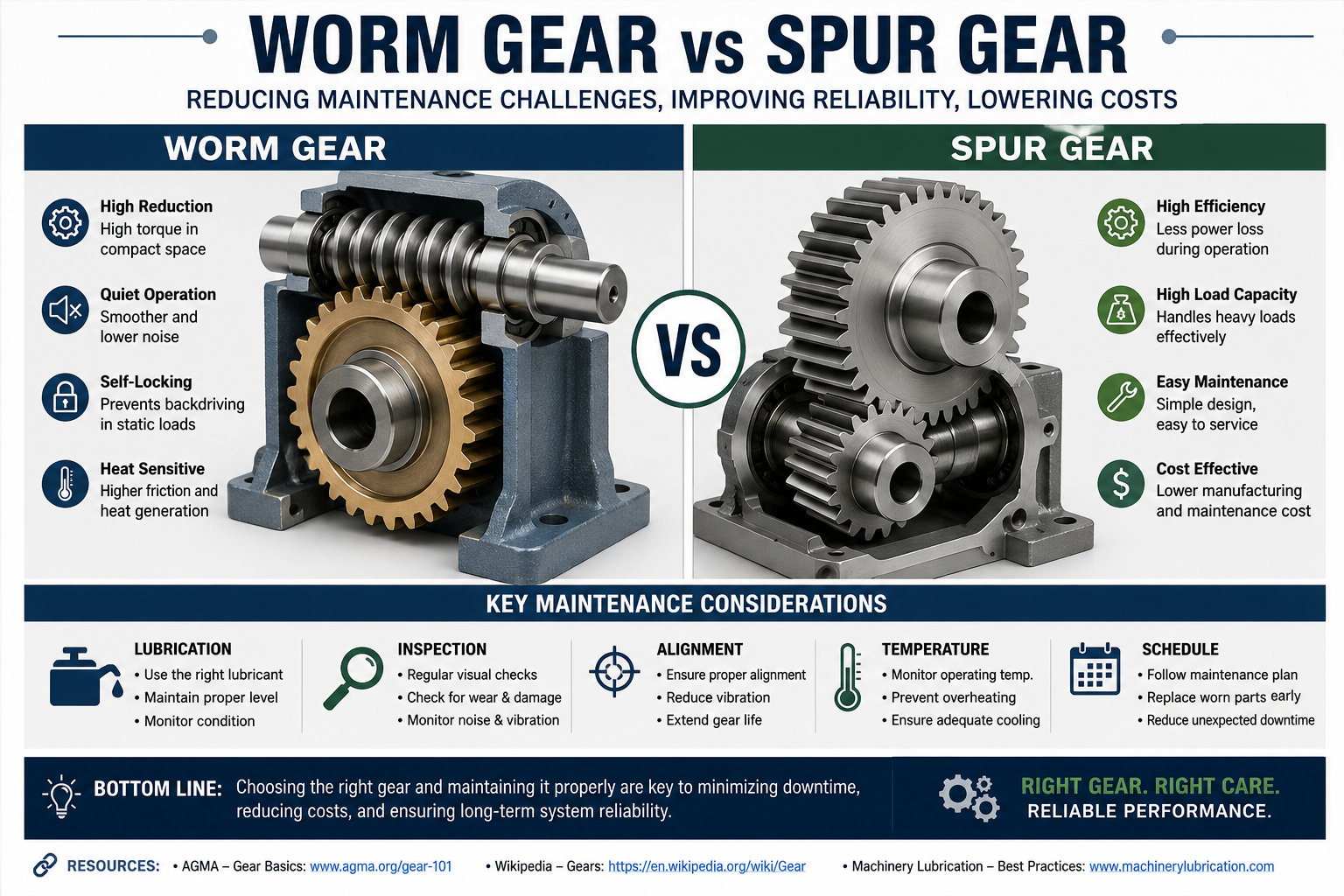
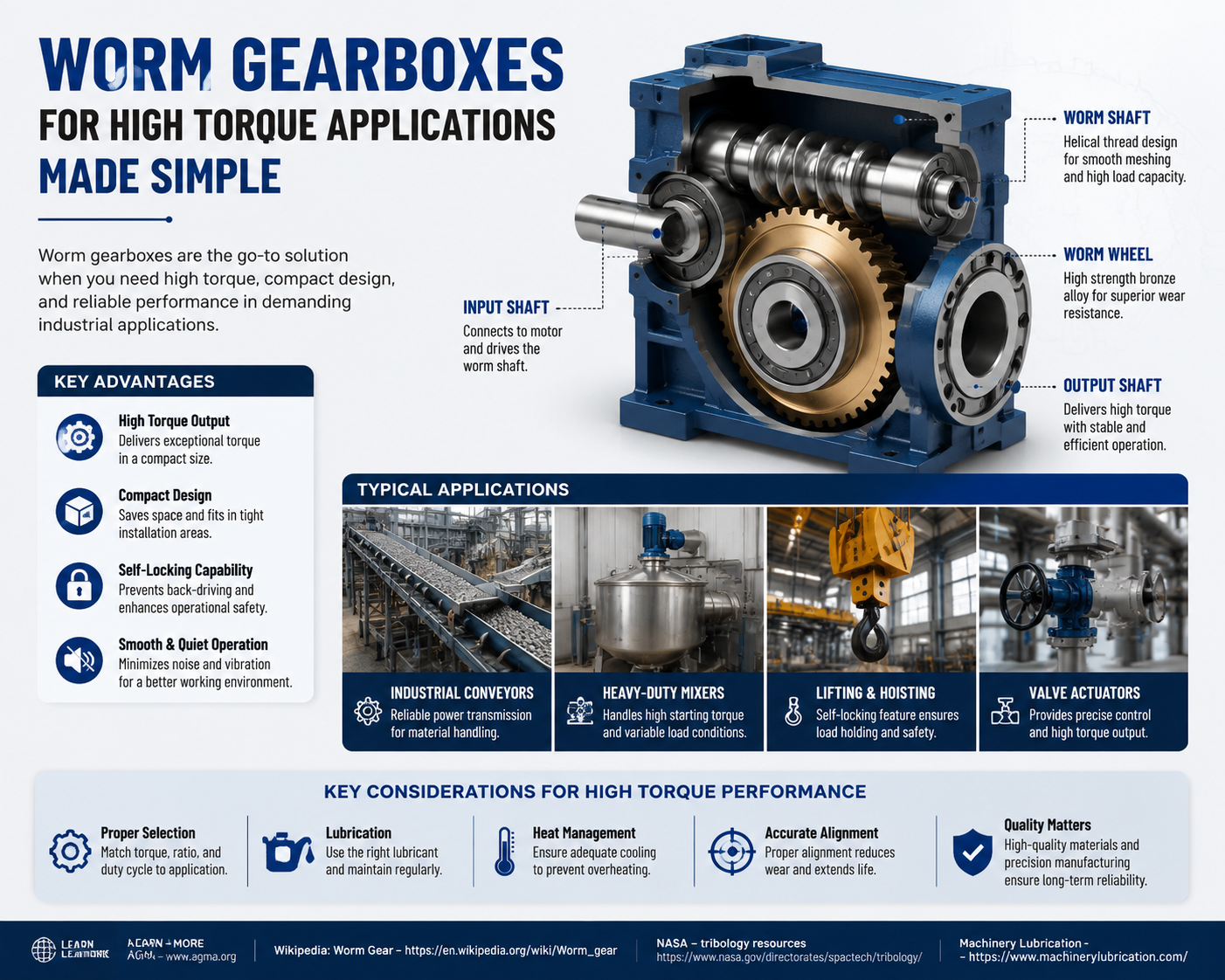
Bevel gears transmit motion between intersecting shafts, commonly at 90 degrees, while worm gears provide high reduction ratios and self-locking capabilities. Both require advanced manufacturing precision and careful material selection. Quality risks include improper tooth geometry, poor lubrication handling, and sliding friction issues.
3. Key Quality Standards for Idler Gears
3.1 ISO Standards for Gears
International standards define gear accuracy, tooth geometry, surface quality, and inspection methods. Compliance with ISO and industry-specific standards ensures consistent quality across suppliers, reduces misunderstandings, and enables objective verification of manufacturing practices.
3.2 Material and Hardness Specifications
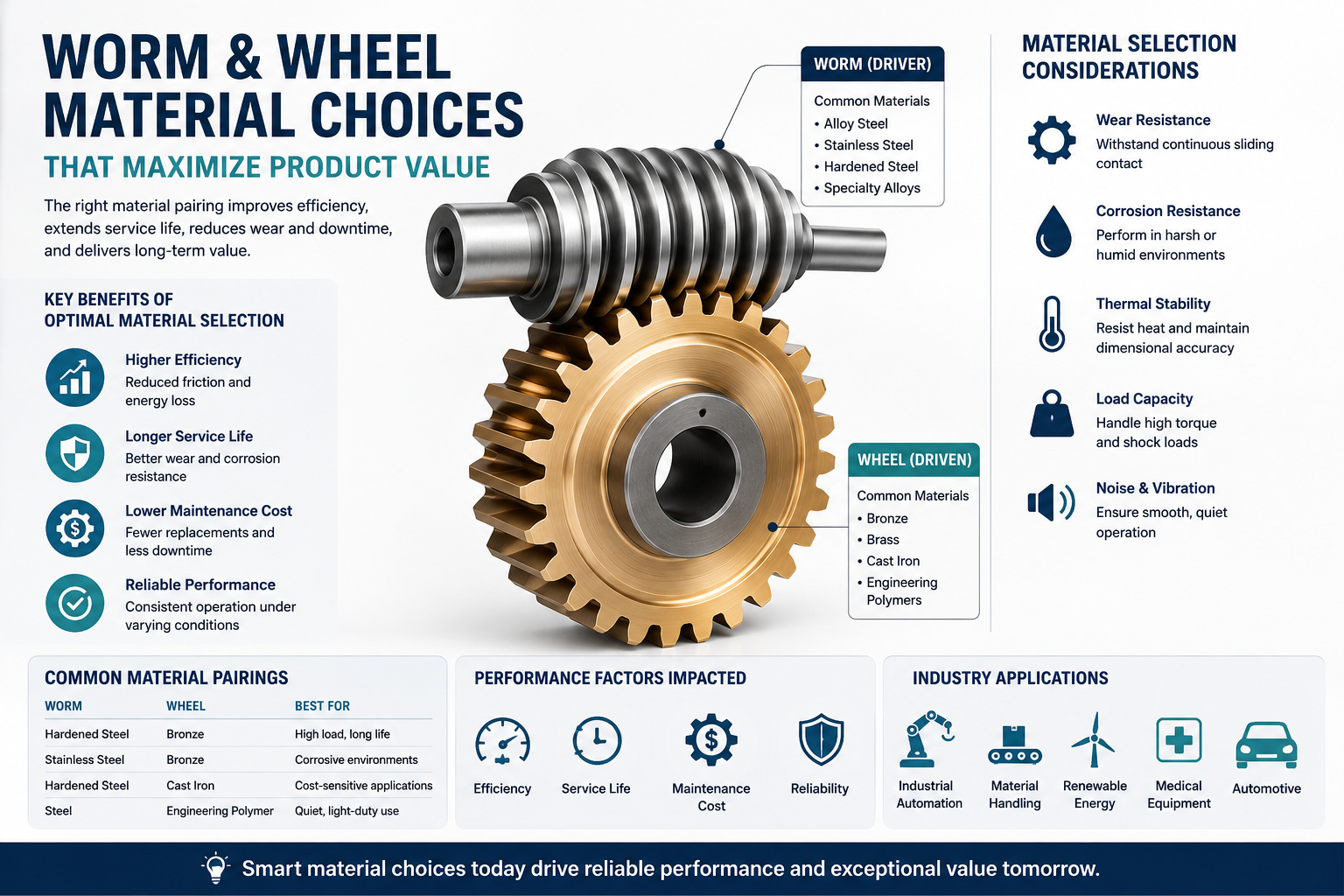
Materials such as carbon steel, alloy steel, stainless steel, and advanced powders must meet strict hardness requirements. Heat treatments—carburizing, nitriding, induction hardening—ensure durability and wear resistance. Maintaining precise surface and core hardness prevents premature failure and enhances fatigue performance.
3.3 Tolerances and Dimensional Accuracy
Accurate dimensions underpin proper tooth contact and load distribution. Critical measurements include pitch diameter, tooth thickness, runout, bore dimensions, and tooth profile. Advanced inspection tools like CMMs and gear analyzers allow for precise verification, preventing misalignment and premature wear.
4. Material-Related Quality Risks
4.1 Using Substandard Metals
Low-grade steel with impurities or inconsistent alloy content compromises fatigue strength, wear resistance, and toughness. Such issues often remain hidden until the gear is in service. Procurement teams should require material certificates and independent verification to mitigate these risks.
4.2 Risks of Inconsistent Alloy Composition
Variations in carbon, chromium, nickel, or molybdenum content affect hardness, heat treatment results, and wear performance. Spectrometric analysis and batch traceability are essential to maintaining consistent mechanical properties and avoiding unpredictable failures.
4.3 Corrosion and Wear Resistance Issues
Environmental exposure to moisture, contaminants, and chemicals can accelerate oxidation, pitting, and wear. Proper material selection, coatings, heat treatment, and lubrication practices are critical to preventing long-term degradation of idler gears.
5. Manufacturing Process Risks
5.1 Improper Machining and Cutting Techniques
Defective machining can produce tooth profile errors, pitch inaccuracies, surface irregularities, and distortions. Worn tools, poor calibration, or incorrect parameters can compromise performance. Advanced CNC machining and statistical process controls help minimize these risks.
5.2 Heat Treatment Failures
Inadequate heat treatment can result in soft spots, excessive hardness, or quench cracking. Documented procedures and hardness verification are essential to ensure the gear achieves the desired balance of surface hardness and core toughness.
5.3 Surface Finish Defects
Surface irregularities such as grinding burns, scratches, or excessive roughness can create stress risers, accelerate fatigue, and reduce lubrication efficiency. Superfinishing processes may be required for high-performance applications.
6. Design-Related Quality Risks
6.1 Incorrect Gear Ratio or Tooth Profile
Errors in gear ratio or tooth geometry can compromise load distribution, efficiency, and noise levels. Proper verification, including load analysis and fatigue assessment, ensures design aligns with operational requirements.
6.2 Misalignment with Mating Gears
Misalignment causes uneven tooth loading, elevated wear, increased vibration, and higher operating temperatures. Correct shaft alignment, housing design, and assembly tolerances are critical for reliable performance.
6.3 Stress Concentration Points
Sharp corners, undercuts, or abrupt section changes create localized stress points, leading to fatigue cracking. Finite element analysis and intelligent design adjustments help reduce these stress concentrations and extend gear life.
7. Supplier Reliability Risks
7.1 Lack of Certification and Audits
One of the earliest warning signs during supplier evaluation is the absence of recognized certifications and structured audit programs. While certification alone does not guarantee superior quality, it demonstrates that a manufacturer has implemented documented systems designed to control processes, monitor performance, and continually improve operations.
Suppliers without formal quality management systems often rely heavily on operator experience rather than standardized procedures. Although experienced personnel can produce acceptable products, the absence of documented controls creates significant risks when production volumes increase, personnel change, or customer requirements become more demanding.
Common certifications reviewed during gear procurement include:
- ISO 9001 Quality Management Systems
- IATF 16949 for automotive applications
- ISO 14001 Environmental Management Systems
- Industry-specific compliance standards
A lack of third-party audits frequently means there is limited external verification of manufacturing practices. Procurement teams should remember that factory brochures and sales presentations rarely reveal operational weaknesses. On-site audits, however, often expose issues involving calibration management, material traceability, equipment maintenance, and process control.
Experienced purchasing engineers frequently adopt the philosophy of trust but verify. A supplier's claims should always be supported by objective evidence.
7.2 Inconsistent Production Quality
Consistency separates professional gear manufacturers from suppliers that merely produce gears.
Many factories can manufacture excellent samples during initial qualification stages. The true challenge lies in maintaining the same quality level across thousands or even millions of units over extended production periods.
Inconsistent production quality may manifest through:
- Variable hardness results
- Dimensional fluctuations
- Surface finish inconsistencies
- Heat treatment deviations
- Material composition variations
Several factors contribute to inconsistency, including inadequate process documentation, insufficient operator training, poor machine maintenance, and ineffective quality monitoring systems.
For procurement organizations supplying global brands, inconsistency creates serious operational complications. Production schedules become unpredictable, incoming inspection costs increase, and customer complaints become more difficult to manage.
Customers expect every gear to perform like the approved sample, not just the first few batches.
7.3 Unclear Quality Control Processes
A reliable supplier should be capable of clearly explaining every stage of its quality control methodology.
When suppliers provide vague answers regarding inspection procedures, testing frequency, measurement methods, or traceability systems, buyers should exercise caution.
Key questions procurement teams should ask include:
- What inspections occur during production?
- Which dimensions are measured?
- How frequently are samples checked?
- What happens when nonconforming parts are identified?
- How is corrective action documented?
Strong suppliers typically possess detailed quality plans covering incoming materials, in-process inspections, final testing, and shipment verification.
Weak suppliers often rely on final inspection alone. This approach is risky because defects introduced early in production may remain undetected until large quantities have already been manufactured.
Quality should be built into the process rather than inspected into the product.
8. Inspection and Testing Risks
8.1 Inadequate Incoming Material Inspection
The quality of an idler gear begins long before machining operations start. Raw material inspection serves as the first line of defense against defects entering the production process.
When incoming material inspections are inadequate, manufacturers risk processing steel that may contain:
- Incorrect chemical composition
- Internal inclusions
- Surface defects
- Hardness variations
- Metallurgical inconsistencies
Once machining, heat treatment, and finishing operations have been completed, identifying the original material issue becomes substantially more difficult and costly.
Best practices for incoming material verification include:
- Reviewing mill certificates
- Conducting chemical analysis
- Performing hardness checks
- Inspecting surface conditions
- Verifying material dimensions
Procurement professionals should verify whether suppliers conduct independent material verification rather than relying exclusively on vendor-provided documentation.
8.2 Limited In-Process Testing
In-process testing functions as a real-time monitoring system throughout manufacturing.
Without sufficient process monitoring, defects may continue undetected for extended production runs, resulting in significant quantities of nonconforming products.
Critical in-process inspections often include:
- Tooth profile measurements
- Pitch verification
- Runout evaluation
- Surface roughness testing
- Dimensional checks
Advanced manufacturers frequently integrate statistical process control techniques that continuously monitor production trends.
This proactive approach enables operators to identify process drift before products fall outside specification limits.
Without effective in-process testing, manufacturers may discover defects only after production has been completed, creating unnecessary waste, delays, and financial losses.
8.3 Skipping Final Acceptance Testing
Final acceptance testing represents the last opportunity to identify quality issues before products reach customers.
Unfortunately, some suppliers reduce testing efforts to save time or lower operating costs. This decision frequently introduces unnecessary risk into the supply chain.
Final acceptance activities may include:
- Dimensional verification
- Hardness testing
- Functional testing
- Surface inspection
- Packaging validation
Depending on application requirements, more sophisticated evaluations may also be necessary, including:
- Noise analysis
- Contact pattern verification
- Load testing
- Fatigue testing
When final acceptance testing is skipped or inadequately performed, defective gears may enter production systems where failures become significantly more expensive to address.
9. Packaging and Shipping Risks
9.1 Damage During Transit
Even perfectly manufactured idler gears can become defective if damaged during transportation.
The logistics environment exposes products to numerous hazards, including:
- Mechanical shock
- Vibration
- Compression loads
- Improper handling
- Accidental impacts
Gear teeth are particularly vulnerable because localized impacts can create nicks, dents, burrs, microcracks, and surface deformation.
Global supply chains often involve multiple transportation stages, including trucking, warehousing, ocean freight, air transport, and local distribution. Each transfer point increases the possibility of handling-related damage.
9.2 Poor Packaging Materials
Packaging is frequently overlooked because it does not directly contribute to gear functionality. However, inadequate packaging remains a surprisingly common source of quality complaints.
Common packaging deficiencies include:
- Weak cartons
- Insufficient cushioning
- Inadequate separators
- Low-quality pallets
- Poor load securing methods
Without proper protection, gears may contact one another during transit, resulting in tooth damage and cosmetic defects.
Effective packaging systems typically incorporate shock-absorbing materials, moisture barriers, corrosion inhibitors, and proper labeling to ensure product integrity.
9.3 Moisture and Environmental Exposure
Environmental exposure during storage and transportation can significantly affect gear quality.
Common threats include:
- Humidity
- Salt-laden air
- Temperature fluctuations
- Condensation
- Industrial contaminants
Moisture exposure may lead to oxidation, corrosion initiation, coating degradation, and lubrication contamination.
To mitigate these risks, suppliers often utilize vacuum packaging, desiccants, vapor corrosion inhibitors, protective oils, and sealed containers.
10. Cost-Driven Quality Risks
10.1 Cutting Corners to Reduce Price
Aggressive cost reduction initiatives often create unintended quality consequences.
When procurement decisions focus exclusively on unit price, suppliers may feel pressured to reduce manufacturing costs through methods that compromise performance.
Common shortcuts include:
- Reduced inspection frequency
- Lower-grade materials
- Simplified heat treatment processes
- Less precise machining operations
- Reduced quality control staffing
While such measures may reduce immediate production expenses, they frequently increase long-term ownership costs and operational risks.
10.2 Using Cheaper Materials
Material costs often represent a significant portion of total manufacturing expenses. Consequently, some suppliers attempt to substitute specified materials with lower-cost alternatives possessing inferior mechanical properties.
Potential consequences include:
- Reduced fatigue strength
- Lower wear resistance
- Increased deformation
- Poor heat treatment response
- Shortened service life
Procurement contracts should clearly define material grades, certification requirements, testing protocols, and traceability expectations.
10.3 Ignoring Long-Term Reliability
Short-term procurement savings often obscure long-term operational risks.
Reliability should be evaluated over the entire service life of the gear rather than solely during initial acquisition.
Factors influencing long-term reliability include:
- Fatigue resistance
- Wear performance
- Corrosion protection
- Dimensional stability
- Manufacturing consistency
A slightly more expensive gear capable of operating reliably for years frequently delivers greater economic value than a cheaper alternative requiring frequent replacement.
11. Wear and Performance Risks
11.1 Premature Tooth Wear
Premature wear represents one of the most common failure mechanisms affecting idler gears.
Contributing factors include:
- Insufficient hardness
- Poor lubrication
- Surface roughness
- Contamination
- Misalignment
As wear progresses, tooth geometry changes, altering load distribution and reducing transmission efficiency.
Several wear mechanisms may occur simultaneously, including abrasive wear, adhesive wear, surface fatigue, and fretting wear.
11.2 Noise and Vibration Issues
Noise and vibration frequently serve as early indicators of quality problems.
Although some level of mechanical noise is unavoidable, excessive vibration often suggests underlying issues involving:
- Tooth profile errors
- Pitch inaccuracies
- Runout deviations
- Surface defects
- Alignment problems
Beyond creating discomfort, excessive vibration accelerates wear and increases fatigue loading throughout the system.
11.3 Reduced Load Capacity
Load capacity determines the maximum force a gear can reliably transmit without failure.
Factors reducing load capacity include:
- Material defects
- Improper heat treatment
- Dimensional inaccuracies
- Surface imperfections
- Design deficiencies
Reduced load capacity increases the likelihood of tooth breakage, plastic deformation, surface pitting, and fatigue cracking.
12. How to Conduct Supplier Audits
12.1 On-Site Quality Checks
On-site audits provide invaluable insight into actual manufacturing practices.
Areas commonly evaluated include:
- Machine condition
- Tool management
- Calibration systems
- Material storage
- Employee training
- Inspection procedures
Auditors should pay particular attention to housekeeping standards because organized facilities frequently reflect disciplined operational practices.
12.2 Reviewing Supplier Certifications
Certification review should extend beyond simply confirming certificate validity.
Procurement teams should evaluate:
- Scope of certification
- Expiration dates
- Audit history
- Corrective action records
- Continuous improvement initiatives
Strong suppliers generally demonstrate a culture of quality that extends beyond compliance requirements.
12.3 Evaluating Production Processes
Production process evaluation represents one of the most important aspects of supplier auditing.
Auditors should assess each manufacturing stage, including:
- Raw material handling
- Machining operations
- Heat treatment processes
- Surface finishing
- Inspection activities
- Packaging procedures
The objective is not merely to determine whether a supplier can manufacture acceptable gears today, but whether they can consistently manufacture acceptable gears tomorrow, next year, and throughout the duration of a long-term business relationship.
13. Inspection Techniques for Idler Gears
13.1 Visual and Dimensional Inspection
Visual inspection represents the first line of defense against obvious defects, while dimensional inspection ensures gears conform to precise specifications. Trained inspectors examine each gear for surface imperfections, including burrs, nicks, scratches, dents, and micro-cracks that could compromise meshing performance and fatigue life.
Dimensional inspection verifies critical characteristics such as:
- Pitch diameter
- Tooth thickness
- Runout
- Bore dimensions
- Concentricity
- Tooth profile geometry
Common measurement tools include calipers, micrometers, dial indicators, and coordinate measuring machines (CMMs). Combining visual and dimensional inspections allows manufacturers to identify irregularities early, preventing defective gears from advancing further into production or reaching customers.
For procurement professionals, dimensional inspection reports provide valuable evidence that suppliers are maintaining process consistency and adhering to specified tolerances.
13.2 Hardness and Material Testing
Hardness testing confirms that gears possess the mechanical properties required for wear resistance, fatigue strength, and long-term durability.
Common hardness testing methods include:
- Rockwell hardness testing
- Vickers hardness testing
- Brinell hardness testing
Depending on application requirements, both surface hardness and core hardness may need verification. Case-hardened gears often require additional testing to confirm effective case depth and hardness distribution.
Material testing is equally important and may involve:
- Chemical composition analysis
- Spectrometric testing
- Metallographic examination
- Tensile strength verification
- Impact testing
Metallographic analysis can reveal grain structure quality, inclusions, decarburization, and heat treatment effectiveness. Without proper hardness and material verification, even visually perfect gears may fail prematurely under operational loads.
13.3 Gear Tooth Measurement Tools
Accurate gear tooth geometry is fundamental to smooth power transmission and reliable load distribution.
Specialized gear measurement equipment includes:
- Gear analyzers
- Profile projectors
- Lead measurement systems
- Involute inspection equipment
- Rolling test machines
These tools evaluate critical parameters such as:
- Tooth profile accuracy
- Lead deviation
- Pitch variation
- Runout
- Contact pattern quality
Even seemingly minor tooth geometry errors can increase localized stress concentrations, elevate vibration levels, and accelerate wear. Advanced measurement systems enable suppliers to maintain high-quality standards and provide documented evidence of compliance.
14. Risk Mitigation Strategies
14.1 Standardizing Supplier Agreements
One of the most effective ways to reduce quality-related risks is through well-structured supplier agreements.
Standardized agreements should clearly define:
- Material specifications
- Dimensional requirements
- Inspection criteria
- Testing procedures
- Certification requirements
- Corrective action expectations
Clearly documented expectations minimize ambiguity and reduce the likelihood of misunderstandings between buyers and suppliers.
Procurement organizations often include quality performance metrics, traceability requirements, and nonconformance management procedures within supplier contracts. These provisions establish accountability and provide a framework for resolving issues should quality problems arise.
14.2 Implementing Quality Assurance Protocols
Quality assurance protocols create a systematic approach to monitoring and controlling gear quality throughout the manufacturing process.
Effective quality assurance programs typically include:
- Incoming material inspection
- In-process monitoring
- Final product verification
- Statistical process control
- Corrective action systems
- Continuous improvement initiatives
Rather than relying solely on final inspections, quality assurance focuses on preventing defects from occurring in the first place.
Organizations that implement comprehensive quality assurance systems generally experience lower defect rates, improved consistency, and stronger supplier performance over time.
14.3 Building Strong Supplier Relationships
Successful procurement extends beyond negotiating prices and placing purchase orders. Long-term supplier relationships often play a crucial role in achieving consistent quality.
Strong supplier relationships encourage:
- Open communication
- Collaborative problem-solving
- Process improvement initiatives
- Greater transparency
- Faster issue resolution
When suppliers are viewed as strategic partners rather than transactional vendors, they are often more willing to invest in process improvements, quality upgrades, and technical support.
In competitive global supply chains, strong relationships frequently become a valuable competitive advantage.
15. Cost vs Quality Considerations
15.1 Balancing Price and Reliability
One of the most challenging responsibilities for procurement professionals is balancing cost objectives with reliability requirements.
While lower prices may appear attractive during sourcing evaluations, purchase price alone rarely reflects the true value of a component.
Factors influencing reliability include:
- Material quality
- Manufacturing precision
- Heat treatment consistency
- Inspection effectiveness
- Supplier process capability
A slightly higher-priced gear that consistently delivers reliable performance often generates significantly greater value than a cheaper alternative that introduces maintenance issues and operational disruptions.
15.2 Understanding Total Cost of Ownership
Total Cost of Ownership (TCO) provides a more comprehensive framework for evaluating procurement decisions.
TCO considerations include:
- Purchase price
- Transportation costs
- Inspection expenses
- Installation costs
- Maintenance requirements
- Downtime costs
- Replacement expenses
- Warranty exposure
Procurement professionals who incorporate TCO analysis into supplier evaluations often make more informed sourcing decisions and reduce long-term operational risks.
Looking beyond the invoice price helps reveal the true economic impact of gear quality.
15.3 Avoiding Short-Term Savings Traps
Short-term savings can be deceptively attractive, particularly when procurement teams face cost reduction targets.
However, selecting suppliers solely based on low prices may result in:
- Increased failure rates
- Higher maintenance costs
- Production downtime
- Warranty claims
- Customer dissatisfaction
Experienced purchasing engineers recognize that sustainable cost savings come from improving efficiency and quality rather than sacrificing reliability.
In many cases, what appears to be a bargain initially becomes a costly problem later.
16. Case Studies of Quality Failures
16.1 Real-World Idler Gear Failures
Numerous real-world examples demonstrate the significant consequences of gear quality failures.
In one industrial conveyor system, inadequate heat treatment resulted in accelerated tooth wear. The gears failed well before their expected service life, causing unexpected downtime and disrupting production schedules.
Another example involved automotive transmission components where dimensional inaccuracies created excessive vibration and noise. The resulting warranty claims increased costs and negatively affected customer satisfaction.
These examples illustrate that even relatively small gear components can have substantial impacts on equipment reliability and operational performance.
16.2 Lessons Learned for Procurement Teams
Quality failures often provide valuable lessons for procurement professionals.
Key lessons include:
- Never rely solely on price comparisons
- Conduct thorough supplier evaluations
- Verify material certifications
- Review manufacturing processes
- Require documented inspection results
- Monitor supplier performance continuously
Organizations that proactively apply these lessons generally experience fewer quality-related disruptions and stronger supplier relationships.
16.3 How Brands Improved Supplier Selection
Many brands have significantly improved product reliability by strengthening supplier qualification processes.
Common improvements include:
- Formal supplier scorecards
- Regular factory audits
- Enhanced technical reviews
- Stricter quality requirements
- Improved traceability systems
These initiatives often result in reduced defect rates, improved consistency, and stronger confidence in the supply chain.
Supplier selection has evolved from a simple purchasing activity into a strategic business function that directly influences product quality and customer satisfaction.
17. Future Trends in Idler Gear Quality
17.1 Advanced Materials and Coatings
Advancements in material science continue to improve gear performance and durability.
Emerging technologies include:
- High-performance alloy steels
- Powder metallurgy materials
- Nano-engineered coatings
- Diamond-like carbon (DLC) coatings
- Advanced nitriding processes
These innovations enhance wear resistance, fatigue performance, and corrosion protection while extending service life.
Procurement professionals should monitor these developments closely, as they may provide significant competitive advantages in demanding applications.
17.2 Automated Inspection Technologies
Automation is transforming quality control throughout the gear manufacturing industry.
Advanced inspection technologies include:
- Machine vision systems
- Laser scanning equipment
- Automated gear analyzers
- Artificial intelligence-assisted inspection
- Real-time process monitoring systems
These technologies improve measurement accuracy, reduce human error, and enable faster detection of manufacturing defects.
As automation becomes increasingly accessible, suppliers capable of leveraging these technologies may achieve substantial quality advantages.
17.3 Predictive Maintenance for Reliability
Predictive maintenance is becoming an increasingly important component of modern reliability strategies.
By combining sensors, data analytics, and monitoring software, organizations can identify potential gear issues before failures occur.
Benefits include:
- Reduced unplanned downtime
- Extended equipment life
- Lower maintenance costs
- Improved operational efficiency
- Enhanced reliability forecasting
High-quality idler gears with consistent manufacturing characteristics provide a stronger foundation for predictive maintenance programs and long-term operational success.
18. Conclusion and Key Takeaways
18.1 Summary of Major Risks
Idler gear quality risks encompass a wide range of factors, including material defects, manufacturing inconsistencies, design shortcomings, supplier reliability issues, inspection gaps, and transportation-related damage.
Each risk has the potential to compromise performance, reduce service life, increase maintenance costs, and negatively affect customer satisfaction.
Understanding these risks enables procurement professionals and engineers to make better sourcing decisions and strengthen supply chain resilience.
18.2 Best Practices for Buyers
Successful procurement strategies typically incorporate the following best practices:
- Conduct comprehensive supplier audits
- Verify material certifications
- Require detailed inspection reports
- Implement quality assurance protocols
- Evaluate total cost of ownership
- Establish long-term supplier partnerships
These practices help reduce quality risks and improve overall product reliability.
18.3 Ensuring Long-Term Gear Performance
Long-term gear performance requires a balanced combination of sound engineering, disciplined manufacturing, effective quality control, and strategic procurement management.
Organizations that prioritize quality throughout the supply chain are better positioned to achieve reliable equipment performance, lower lifecycle costs, reduced downtime, and stronger customer satisfaction.
Ultimately, successful idler gear procurement is not simply about purchasing components. It is about building a reliable foundation for operational excellence, product quality, and long-term business success.