Table of Contents
1. Introduction to Gear Worm Drive Innovations
1.1 What Is a Gear Worm Drive
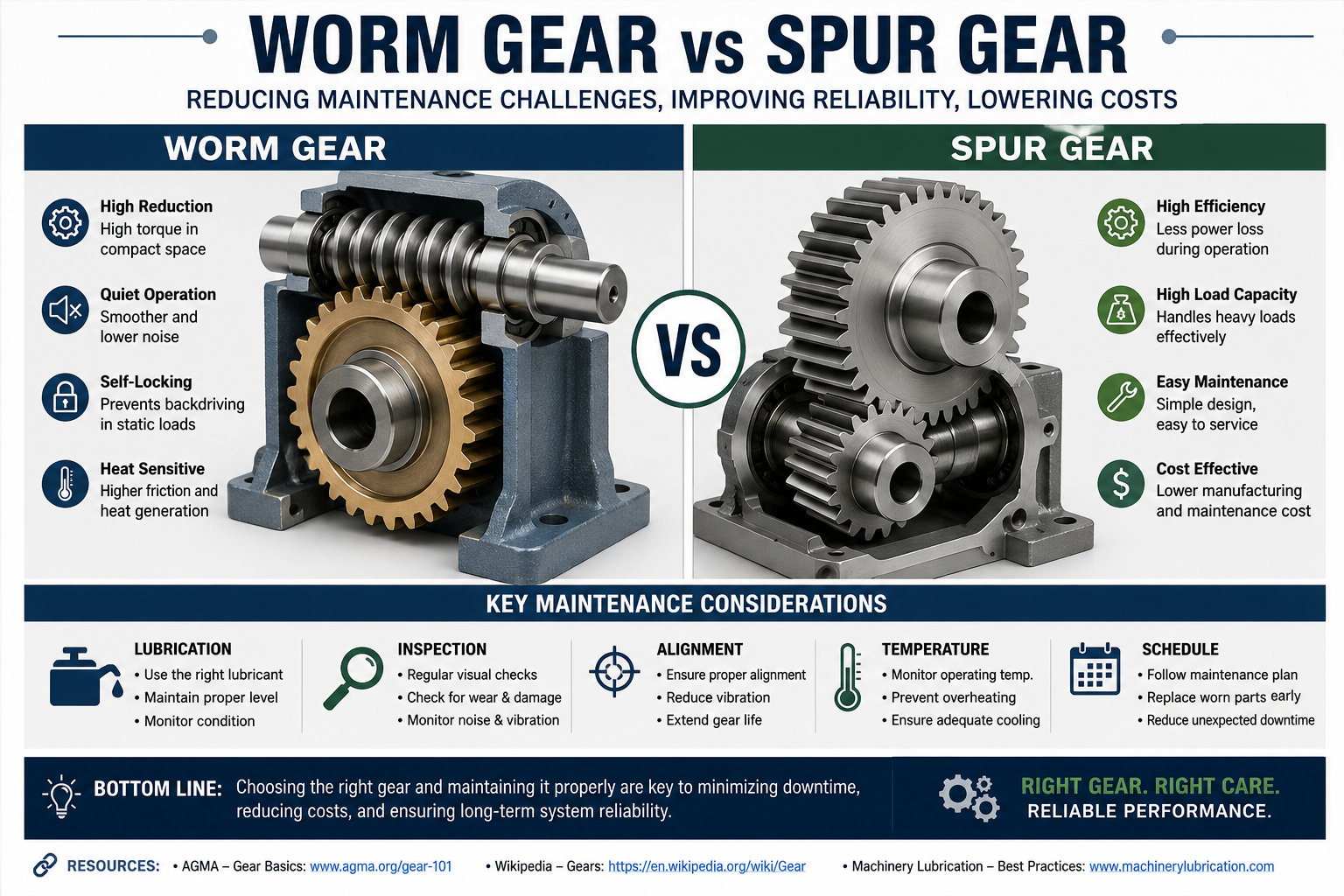
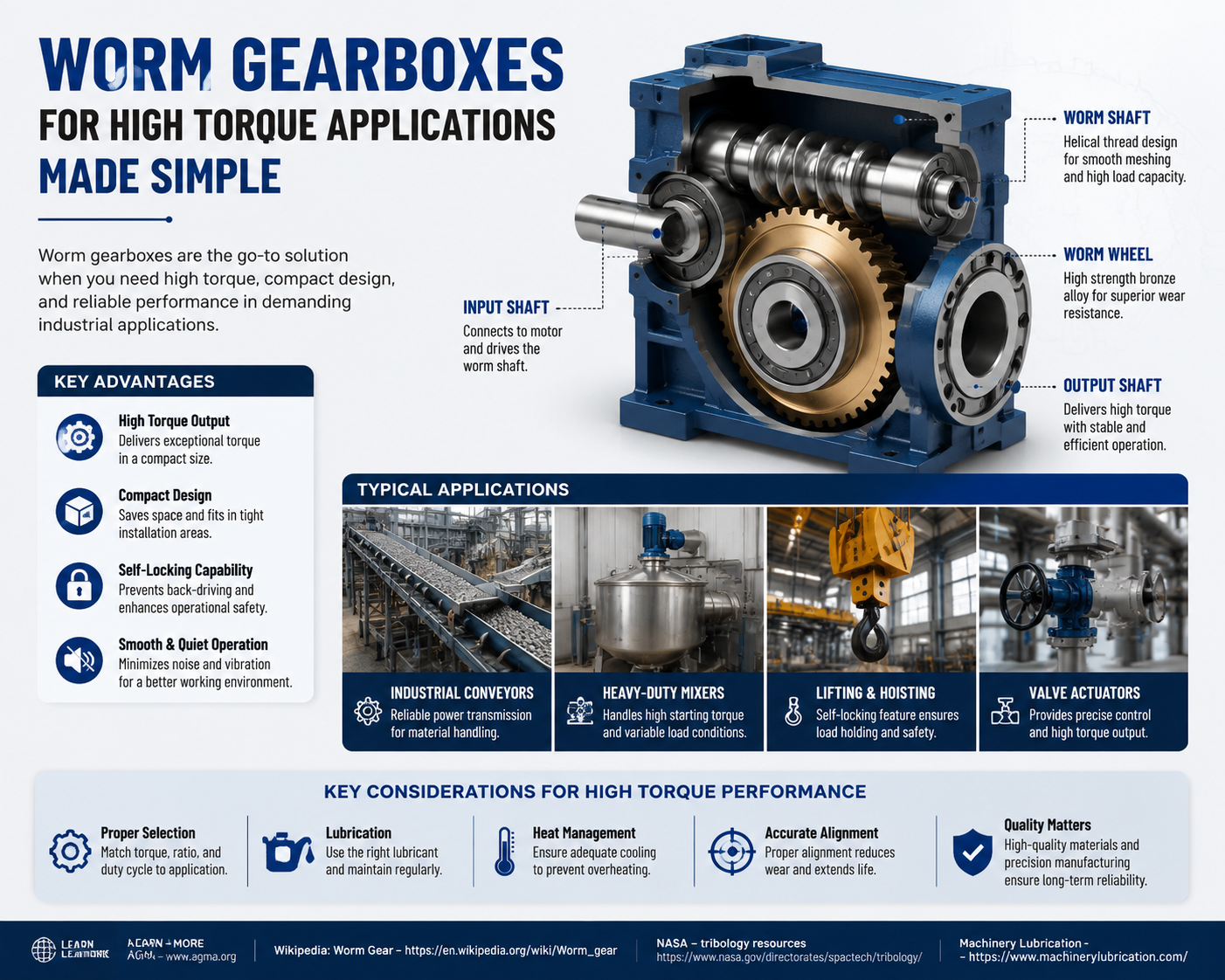
A gear worm drive is a marvel of mechanical ingenuity, a compact power transmission system that allows rotary motion between non-intersecting shafts, usually at a right angle. Essentially, it consists of a worm—a screw-like component—and a worm wheel, a toothed gear that meshes with the worm in a manner that transforms rotational energy into controlled torque with remarkable precision. Unlike spur or helical gears, the worm drive delivers high reduction ratios in a single stage, making it indispensable in applications ranging from conveyors to robotics. For engineers and procurement specialists, understanding the nuance of these drives—beyond the surface-level mechanics—can unlock both performance gains and cost efficiencies that are often overlooked in conventional sourcing strategies. Learn more about worm drives.
1.2 Why Innovation Matters in Modern Power Transmission
Innovation in gear worm drives isn’t just a buzzword; it’s the lifeblood of modern mechanical systems. As machinery becomes more compact, faster, and smarter, traditional designs simply cannot keep pace with the demands of higher efficiency, longer service life, and precision control. Innovative solutions, from advanced metallurgy to sensor-integrated components, help engineers overcome longstanding challenges such as backlash, heat buildup, and material fatigue. For procurement engineers, staying ahead of innovation translates directly into acquiring equipment that not only performs better but also reduces operational risks and total cost of ownership—a win-win in today’s competitive manufacturing landscape.
1.3 How Competitive Advantage Is Created Through Engineering
Competitive advantage in manufacturing isn’t built on assembly lines alone; it’s engineered into the core components. Gear worm drives, when optimized through innovation, enable brands to differentiate their products with higher torque density, smoother operation, and reduced maintenance intervals. From a procurement perspective, sourcing these advanced components allows companies to offer more reliable machinery, improve throughput, and strengthen client trust. Engineering ingenuity, therefore, becomes a strategic lever, giving companies an edge that resonates across performance, cost, and market credibility.
2. Understanding the Evolution of Gear Worm Drive Technology
2.1 Traditional Worm Drive Designs
Traditional worm drives were simple yet effective, featuring bronze or steel worm wheels paired with hardened steel worms. They offered high torque reduction in a single stage but were often plagued by inefficiencies due to frictional losses and heat generation. Early designs were robust but lacked the precision and adaptability required for modern automation. Their simplicity was both a strength and a limitation, highlighting the need for continual evolution in design, materials, and manufacturing techniques.
2.2 Key Technological Milestones
The journey from rudimentary worm drives to today’s high-precision units has been punctuated by several milestones. Case-hardened worms, helical worm teeth, and the introduction of computer-aided gear profile optimization transformed performance metrics significantly. Each innovation addressed limitations of the previous generation, whether it was reducing noise, enhancing load capacity, or increasing lifespan. Recognizing these milestones helps procurement engineers appreciate the value behind advanced worm drives and the potential return on investment for their applications.
2.3 Emerging Trends Shaping the Industry
Emerging trends include the integration of smart sensors, high-performance polymers, and additive manufacturing. These developments are reshaping expectations for efficiency, reliability, and maintainability. The industry is moving toward more digitally connected and environmentally friendly gear systems, with performance parameters that were once thought unattainable. For global procurement teams, understanding these trends is critical to sourcing components that not only meet today’s needs but are future-proofed for the next wave of industrial automation. NIST Manufacturing Innovation Blog
3. Market Demand Driving Gear Worm Drive Innovation
3.1 Industrial Automation Growth
Industrial automation has skyrocketed in the last decade, creating demand for gear worm drives that can operate continuously under high loads while maintaining precision. From robotic arms to automated assembly lines, these drives are the silent workhorses, and innovations in materials and design directly impact throughput and system reliability. The pressure to keep up with automation growth drives both manufacturers and procurement teams to prioritize high-performance, low-maintenance solutions.
3.2 Rising Performance Expectations
Modern machinery is expected to perform faster, with tighter tolerances and higher energy efficiency. Gear worm drives are under constant scrutiny for their torque capacity, backlash, and thermal behavior. Procurement engineers are tasked with sourcing drives that not only meet these specifications but also anticipate evolving performance standards, ensuring that investments remain viable over the product lifecycle.
3.3 Procurement Challenges in Global Markets
Global procurement introduces complexities such as supply chain variability, quality assurance across borders, and differing regulatory standards. Sourcing innovative gear worm drives requires due diligence, including verification of material quality, precision manufacturing capabilities, and adherence to international certifications. These challenges underscore the importance of partnering with suppliers who not only innovate but can consistently deliver to exacting standards. Chartered Institute of Procurement & Supply
4. Advanced Materials Revolutionizing Gear Worm Drives
4.1 High-Strength Alloy Developments
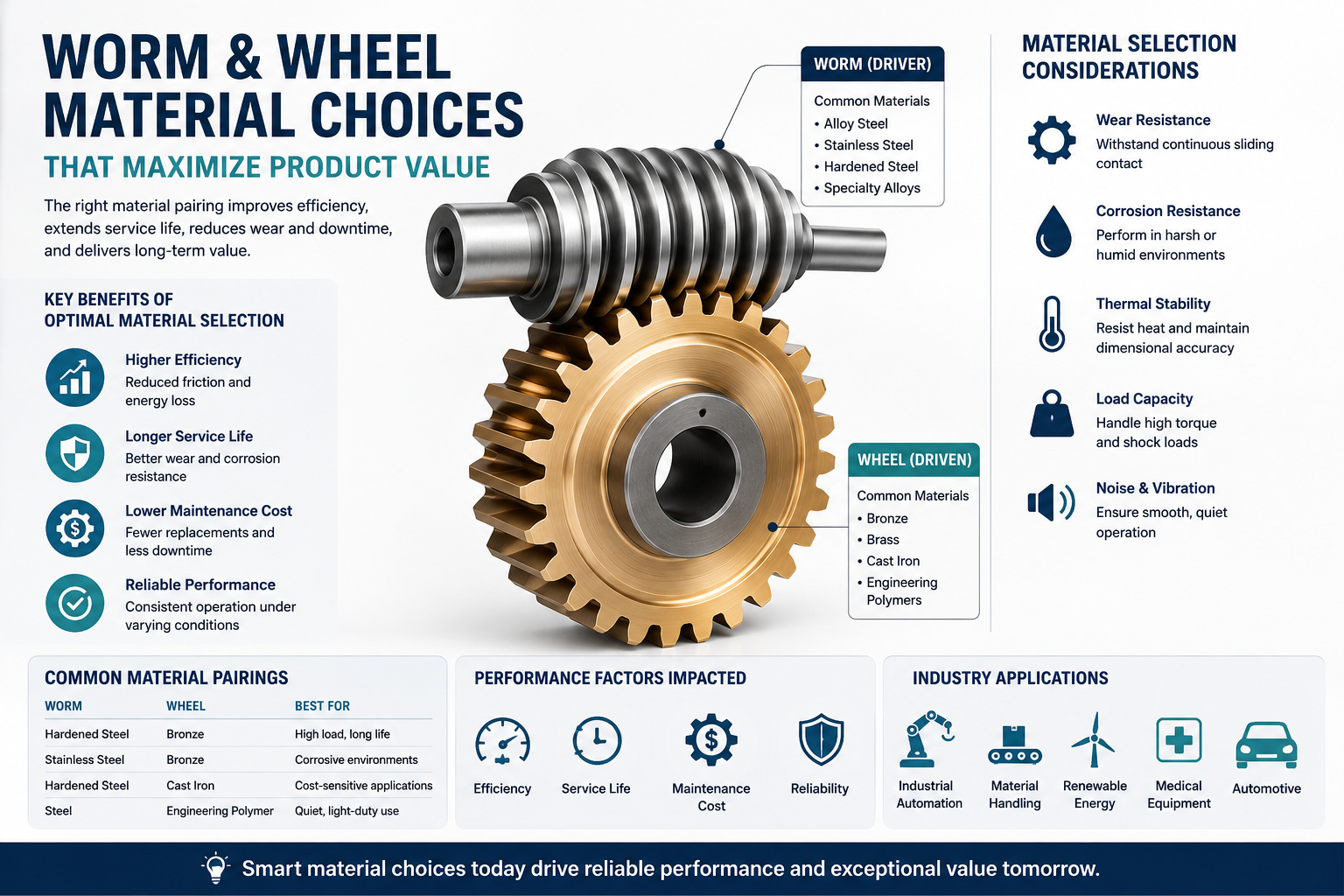
High-strength alloys, including case-hardened steels and advanced bronze formulations, provide worm drives with exceptional load-bearing capacity while resisting deformation under stress. For procurement teams, the choice of alloy directly influences both durability and cost-effectiveness, making it a critical factor in supplier selection.
4.2 Wear-Resistant Material Innovations
Wear resistance is a perpetual concern, especially in high-load applications. Coatings like nitriding, phosphating, and DLC (diamond-like carbon) enhance the longevity of gears, reducing downtime and replacement frequency. This is particularly valuable in industrial settings where maintenance costs can escalate rapidly.
4.3 Lightweight Materials for Improved Efficiency
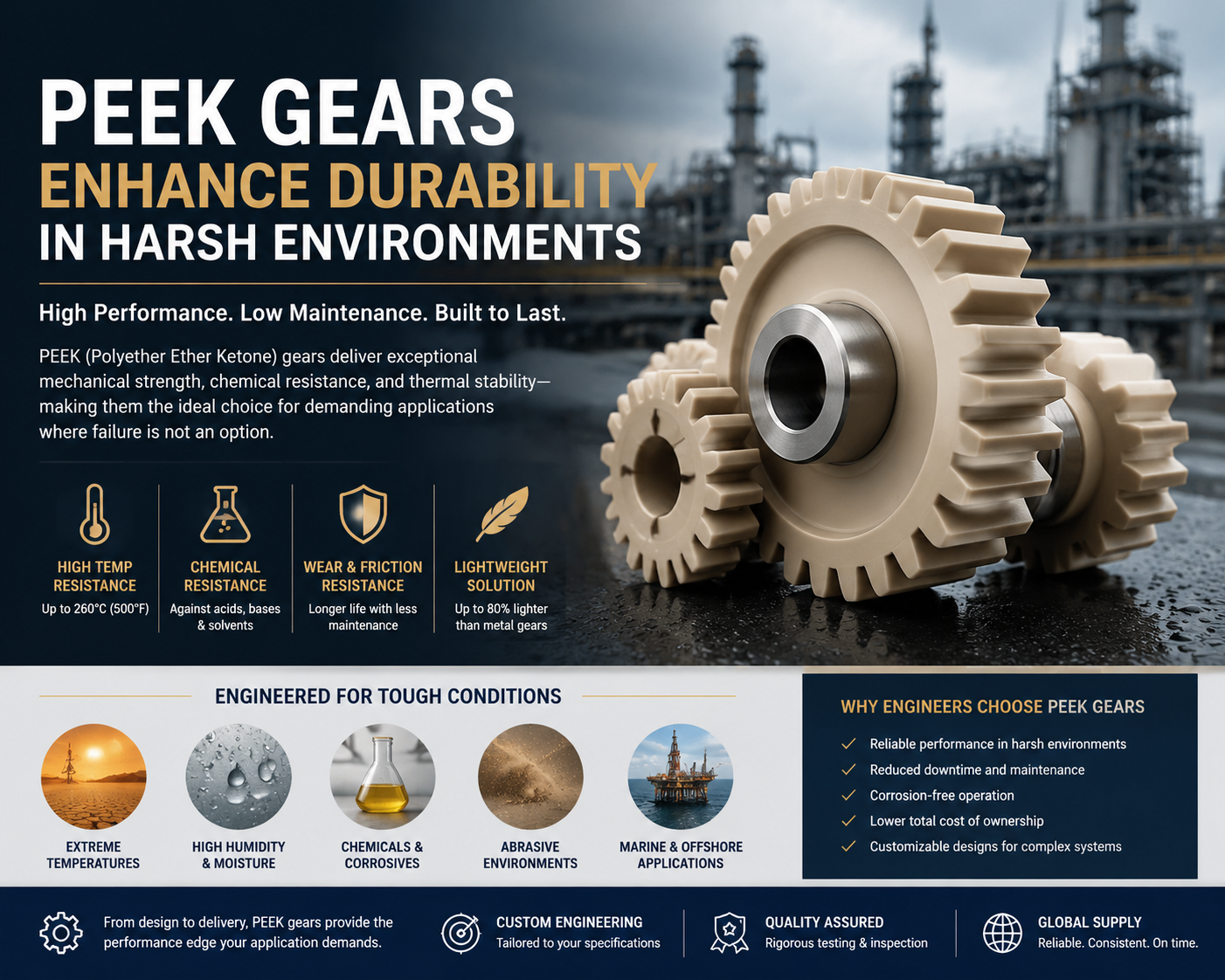
Lightweight composites and engineered polymers are being introduced to reduce inertia and energy consumption without compromising strength. By decreasing rotational mass, these materials contribute to higher efficiency and lower operational costs, a key consideration for procurement engineers looking to maximize value.
5. Precision Manufacturing Technologies
5.1 CNC Machining Advancements
Modern CNC machining allows for micron-level tolerances in worm and worm wheel manufacturing, ensuring consistent performance and minimal backlash. Automated toolpath optimization and multi-axis machining are pivotal in producing complex geometries that were once impractical, directly impacting both product reliability and supplier credibility.
5.2 High-Precision Gear Cutting Methods
Techniques such as hobbing, shaping, and grinding have evolved with numerical control, enabling ultra-precise tooth profiles. These methods reduce vibration and noise while improving torque transmission efficiency, providing measurable benefits to both mechanical engineers and procurement teams aiming to source top-tier drives.
5.3 Automated Quality Control Systems
Automated inspection systems using laser scanning, CMM (coordinate measuring machines), and AI-driven visual analysis ensure each gear meets stringent specifications. This level of quality assurance reduces rework, guarantees performance consistency, and provides procurement engineers with verifiable assurance of supplier reliability.
6. Surface Engineering and Coating Innovations
6.1 Anti-Wear Surface Treatments
Surface treatments such as induction hardening, carburizing, and advanced coating technologies prolong gear life by mitigating abrasive wear and reducing the risk of pitting. For procurement, these treatments are critical differentiators when evaluating suppliers, as they correlate directly with reduced lifecycle costs.
6.2 Friction Reduction Technologies
Innovations in low-friction coatings and lubricants, including solid-film and nanocomposite layers, help reduce energy losses and heat buildup. This translates to smoother operation, lower power consumption, and improved efficiency, all of which are highly valued by engineers and procurement professionals alike.
6.3 Corrosion Protection Solutions
Industrial environments often expose gears to moisture, chemicals, and temperature fluctuations. Corrosion-resistant coatings and surface modifications extend operational life and reduce the frequency of replacements, an essential factor in both cost optimization and supply chain planning.
7. Efficiency Improvements in Modern Gear Worm Drives
7.1 Reducing Energy Losses
By minimizing friction and optimizing tooth engagement, modern worm drives achieve higher mechanical efficiency. Reduced energy losses not only improve performance but also contribute to sustainability targets, aligning with both engineering goals and procurement objectives.
7.2 Optimizing Gear Geometry
Advanced software enables precise calculation of worm and worm wheel profiles, improving load distribution and reducing stress concentrations. Optimized geometry results in smoother torque transmission and less wear, directly benefiting operational uptime and reliability.
7.3 Enhancing Mechanical Performance
Combining material science, surface treatments, and precision manufacturing culminates in drives
7.3 Enhancing Mechanical Performance
Combining material science, surface treatments, and precision manufacturing culminates in drives that are more robust, quieter, and longer-lasting. These enhancements provide measurable returns in industrial settings, where downtime equates to lost revenue and operational headaches.
8. Smart Gear Worm Drives and Digital Integration
8.1 Sensor-Enabled Monitoring Systems
Embedded sensors provide real-time feedback on torque, temperature, and vibration. This data enables engineers to detect anomalies before failures occur, creating a proactive maintenance culture that reduces unplanned downtime.
8.2 Predictive Maintenance Capabilities
Machine learning algorithms analyze sensor data to predict wear patterns and service intervals, allowing maintenance teams to intervene precisely when needed. This reduces unnecessary inspections and ensures components are replaced before they compromise system performance.
8.3 IoT Connectivity in Industrial Applications
Integration with IoT platforms allows gear drives to communicate with broader industrial control systems. Engineers can monitor multiple units remotely, gather performance metrics, and optimize operations at a scale previously unattainable, giving brands a technological edge. Industrial IoT Overview
9. Noise and Vibration Reduction Innovations
9.1 Advanced Tooth Profile Design
Tooth profiles are now engineered to minimize meshing vibrations, resulting in quieter operation without sacrificing torque capacity. Such designs are particularly important in applications requiring low acoustic signatures, such as robotics and medical devices.
9.2 Precision Assembly Techniques
Accurate alignment and assembly reduce dynamic imbalances that cause vibration. Automated assembly lines with integrated inspection ensure every unit meets the tightest specifications, translating to longer lifespan and smoother operation.
9.3 Performance Benefits for End Users
From the end user's perspective, reduced noise and vibration are not merely comfort-related advantages; they are tangible operational benefits that directly influence equipment longevity, workplace safety, and overall productivity. Machinery equipped with advanced worm drive systems experiences lower dynamic loads, resulting in diminished fatigue on bearings, shafts, couplings, and surrounding structural components.
In highly automated facilities, where machines often run around the clock, even small reductions in vibration can significantly decrease maintenance interventions over the equipment lifecycle. Production managers frequently describe this advantage as saving headaches down the road because fewer mechanical disturbances translate into more predictable production schedules and fewer unexpected shutdowns.
Additionally, quieter machinery contributes to improved working environments, especially in industries where personnel remain in close proximity to equipment. Lower acoustic emissions can help organizations meet occupational safety requirements while simultaneously enhancing operator satisfaction and productivity.
10. Thermal Management Advancements
10.1 Heat Generation Challenges
Heat generation has always been one of the most significant engineering challenges associated with worm gear drives. Unlike rolling contact gear systems, worm drives rely heavily on sliding contact between the worm and worm wheel. While this characteristic provides exceptional torque multiplication and smooth operation, it also creates substantial friction.
As operating speeds increase and transmitted loads become more demanding, thermal accumulation can quickly become problematic. Excessive temperatures may degrade lubricants, alter material properties, increase wear rates, and ultimately shorten service life.
Mechanical engineers understand that thermal management is not merely a secondary consideration; it is a primary design parameter. Procurement engineers evaluating suppliers should carefully assess thermal performance data because inadequate heat dissipation often becomes the hidden culprit behind premature field failures.
10.2 Innovative Cooling Solutions
Modern worm drive manufacturers are implementing increasingly sophisticated cooling strategies to combat thermal challenges.
- Integrated cooling fins with optimized airflow geometries
- High-performance synthetic lubricants
- Oil circulation systems
- Forced-air cooling configurations
- Liquid-cooled gearbox housings
- Thermally conductive housing materials
Advanced computational fluid dynamics simulations allow engineers to visualize heat transfer pathways and identify thermal bottlenecks before production begins. This analytical approach significantly improves cooling efficiency while reducing design iteration cycles.
Some cutting-edge systems even incorporate smart temperature sensors that continuously monitor operating conditions and alert maintenance personnel when thermal thresholds are approached.
10.3 Impact on Equipment Lifespan
Effective thermal management extends equipment lifespan in profound ways.
- Preserve lubricant integrity
- Reduce oxidation rates
- Minimize material fatigue
- Protect seals and gaskets
- Maintain dimensional stability
A common saying among experienced maintenance professionals is that heat is the silent killer of machinery. This observation remains remarkably accurate. Even modest temperature reductions can dramatically increase component life expectancy.
For procurement teams focused on lifecycle costs rather than acquisition costs alone, thermal optimization often delivers one of the highest returns on investment available in modern gear technology.
11. Customization as a Competitive Advantage
11.1 OEM-Specific Design Solutions
Modern OEMs rarely operate under identical requirements. Each application presents unique challenges involving torque, speed, environmental conditions, installation constraints, and operating cycles.
Consequently, customized worm drive solutions have become a major source of competitive differentiation.
- Custom reduction ratios
- Specialized housing geometries
- Unique shaft configurations
- Proprietary mounting interfaces
- Enhanced sealing arrangements
Instead of forcing machinery designs to accommodate standard components, customized drives allow components to adapt to machinery requirements.
This engineering flexibility often results in superior product performance and improved market positioning.
11.2 Industry-Specific Performance Requirements
Different industries impose dramatically different demands on worm drive systems.
- Food processing equipment prioritizes hygiene and corrosion resistance.
- Mining equipment demands exceptional durability and shock-load resistance.
- Robotics applications require precision and low backlash.
- Packaging machinery focuses on speed and positioning accuracy.
- Renewable energy systems emphasize efficiency and reliability.
Suppliers capable of tailoring products to these sector-specific requirements often become strategic partners rather than simple component vendors.
11.3 Flexible Manufacturing Capabilities
Flexible manufacturing represents a significant competitive advantage in today's rapidly evolving marketplace.
Modern facilities equipped with advanced CNC systems, digital production planning, and automated tooling can accommodate customized orders without excessive lead times or cost penalties.
For procurement professionals, supplier flexibility reduces risk by enabling:
- Faster design modifications
- Shorter development cycles
- Improved responsiveness to market changes
- Lower inventory requirements
In an era where agility often determines market success, manufacturing flexibility has become a strategic asset.
12. Sustainability and Environmental Considerations
12.1 Energy-Efficient Gear Systems
Energy efficiency is no longer optional. It has become a fundamental expectation across virtually every industrial sector.
Modern worm drive innovations focus heavily on reducing friction losses and maximizing mechanical efficiency. Improved tooth geometries, advanced lubricants, and optimized material combinations all contribute to lower power consumption.
Although efficiency improvements may appear incremental on paper, their cumulative impact across thousands of operating hours can be substantial.
Organizations seeking to reduce carbon footprints increasingly recognize that energy-efficient power transmission systems represent low-hanging fruit for sustainability initiatives.
12.2 Sustainable Manufacturing Practices
Leading manufacturers are implementing sustainability practices throughout the production process.
- Recycling machining scrap
- Reducing coolant consumption
- Utilizing renewable energy sources
- Optimizing logistics networks
- Implementing closed-loop manufacturing systems
Sustainable manufacturing not only reduces environmental impact but often improves operational efficiency and cost competitiveness.
Procurement teams increasingly include sustainability metrics within supplier evaluation frameworks, reflecting growing stakeholder expectations.
12.3 Regulatory Compliance Requirements
Environmental regulations continue to evolve worldwide.
Manufacturers must navigate numerous requirements involving material restrictions, waste management, emissions control, product safety standards, and energy efficiency directives.
Compliance failures can result in supply disruptions, financial penalties, and reputational damage.
Therefore, procurement engineers should prioritize suppliers with demonstrated expertise in global regulatory compliance and documentation management.
13. Quality Assurance Innovations
13.1 Advanced Inspection Technologies
Quality assurance has evolved far beyond traditional manual inspections.
Today's leading manufacturers employ sophisticated technologies such as:
- Coordinate Measuring Machines (CMMs)
- Laser scanning systems
- Optical inspection equipment
- Surface roughness analyzers
- Gear measurement centers
These tools enable precise verification of dimensional accuracy, tooth geometry, and surface integrity.
The result is greater consistency and significantly reduced variation between production batches.
13.2 Data-Driven Quality Management
Modern quality systems leverage vast quantities of manufacturing data.
Statistical process control, machine learning algorithms, and predictive analytics allow manufacturers to identify trends before defects occur.
Rather than reacting to quality problems, organizations can proactively prevent them.
This shift from reactive quality management to predictive quality management represents one of the most significant advancements in modern manufacturing.
13.3 International Certification Standards
International certifications provide important benchmarks for quality and operational excellence.
Common certifications include:
- ISO 9001
- IATF 16949
- ISO 14001
- ISO 45001
While certifications alone do not guarantee superior products, they provide valuable evidence that suppliers maintain disciplined management systems and standardized operational procedures.
For global procurement teams, certifications often serve as an essential qualification criterion during supplier selection.
For additional information on international standards, visit ISO – International Organization for Standardization.
14. Cost Reduction Through Innovation
14.1 Lower Total Cost of Ownership
Savvy procurement professionals understand that purchase price represents only one component of total ownership cost.
Innovative worm drive technologies contribute to lower ownership costs through:
- Extended service life
- Reduced maintenance requirements
- Improved efficiency
- Lower energy consumption
- Greater reliability
Over the lifespan of industrial equipment, these benefits frequently outweigh initial acquisition costs by a substantial margin.
14.2 Reducing Maintenance Expenses
Maintenance expenditures can quietly erode profitability.
Advanced materials, improved lubrication systems, predictive maintenance technologies, and enhanced wear resistance all help reduce maintenance frequency and associated labor costs.
The best maintenance event is often the one that never occurs.
This principle has become increasingly important as skilled maintenance personnel become more difficult to recruit and retain.
14.3 Improving Production Efficiency
Reliable gear systems directly contribute to higher production efficiency.
Reduced downtime, smoother operation, and improved process stability enable manufacturers to maximize equipment utilization rates.
When production lines operate without interruption, organizations can achieve higher output volumes, better delivery performance, and improved customer satisfaction.
In highly competitive industries, these advantages can make all the difference between market leaders and market followers.
15. Supply Chain Advantages for Global Procurement Teams
15.1 Faster Lead Times Through Modern Manufacturing
Advanced manufacturing technologies are transforming lead-time performance across the gear industry.
Digital production planning systems, automated machining centers, and integrated supply chain platforms enable manufacturers to respond more quickly to customer requirements.
Traditional lead times that once stretched for months can now often be reduced dramatically.
For procurement teams, shorter lead times mean greater flexibility, reduced inventory exposure, and improved responsiveness to customer demand fluctuations.
15.2 Supplier Reliability and Risk Reduction
Supplier reliability has become one of the most critical evaluation criteria in modern procurement strategies. In an increasingly interconnected global economy, disruptions can originate from geopolitical tensions, raw material shortages, transportation bottlenecks, labor constraints, or regulatory changes. Consequently, selecting a reliable worm drive supplier extends far beyond comparing quotations.
Leading manufacturers mitigate risk through diversified sourcing networks, robust inventory management systems, vertically integrated production capabilities, and comprehensive quality assurance programs. Procurement engineers should investigate supplier performance metrics, including on-time delivery rates, corrective action responsiveness, capacity utilization, and historical quality consistency.
Risk reduction strategies should also include supplier audits, dual-source arrangements, and contingency planning. Organizations that proactively address supply chain vulnerabilities often avoid costly production interruptions and maintain stronger customer relationships during periods of market volatility.
A frequently overlooked aspect of supplier reliability is engineering support. Suppliers with experienced design teams can rapidly resolve technical issues, recommend design improvements, and provide troubleshooting assistance, creating substantial value throughout the product lifecycle.
15.3 Inventory Optimization Strategies
Inventory optimization is a balancing act that every procurement professional understands well. Excess inventory ties up working capital, while insufficient inventory exposes operations to production delays and customer dissatisfaction.
Innovative gear worm drive suppliers increasingly support inventory optimization through:
- Vendor-managed inventory programs
- Forecast-based production scheduling
- Strategic safety stock planning
- Digital inventory visibility tools
- Just-in-time delivery systems
These collaborative approaches allow buyers to maintain adequate supply levels without excessive inventory carrying costs.
Advanced demand forecasting models further enhance inventory efficiency by incorporating historical consumption patterns, seasonal fluctuations, and market trends. As a result, procurement teams can make more informed purchasing decisions and reduce the likelihood of stockouts or overstock situations.
In highly competitive industries, effective inventory management can provide a meaningful financial advantage while improving operational agility.
16. Industry Applications Benefiting from Innovation
16.1 Robotics and Automation Equipment
The robotics sector represents one of the most demanding environments for gear worm drive technology. Robotic systems require precise motion control, compact designs, high torque density, and exceptional reliability.
Innovative worm drives contribute significantly to robotic performance through:
- Reduced backlash
- Enhanced positional accuracy
- Compact transmission packages
- Smooth motion characteristics
- Lower maintenance requirements
Industrial robots often perform thousands of repetitive cycles daily. Any inconsistency in motion transmission can compromise product quality and production efficiency.
Modern worm drive innovations help manufacturers achieve increasingly stringent accuracy requirements while supporting the rapid expansion of automation across industries ranging from automotive manufacturing to semiconductor production.
16.2 Material Handling Systems
Material handling equipment operates at the heart of warehouses, logistics centers, airports, distribution hubs, and manufacturing facilities.
Applications include:
- Conveyor systems
- Automated storage systems
- Lifting mechanisms
- Pallet transport equipment
- Sortation systems
These environments demand gear drives capable of continuous operation under varying load conditions.
Innovative worm drives provide excellent torque multiplication, compact installation footprints, and dependable performance, making them particularly suitable for material handling applications.
As e-commerce continues to expand globally, the demand for highly reliable and efficient material handling systems will likely accelerate, further driving innovation in worm drive technology.
16.3 Packaging and Processing Machinery
Packaging and processing equipment requires precise synchronization, repeatability, and operational consistency.
Even minor transmission inaccuracies can lead to:
- Product defects
- Material waste
- Reduced throughput
- Increased downtime
Advanced worm drives help maintain precise motion control while supporting high-speed production environments.
Food processing, pharmaceutical manufacturing, beverage production, and consumer goods packaging facilities increasingly rely on innovative gear systems to achieve higher productivity while maintaining stringent quality standards.
The ability to deliver smooth, controlled motion under demanding operating conditions makes modern worm drives indispensable in these applications.
17. Evaluating Innovative Gear Worm Drive Suppliers
17.1 Technical Capability Assessment
Evaluating supplier technical capability is one of the most important responsibilities for procurement engineers.
A thorough assessment should examine:
- Engineering expertise
- Product development capabilities
- Material selection knowledge
- Manufacturing technologies
- Quality control systems
- Testing facilities
Suppliers that invest heavily in research and development often possess a stronger ability to support evolving customer requirements.
Technical competence should not be judged solely by marketing materials. Procurement teams should request engineering documentation, testing reports, design validation data, and case studies demonstrating real-world performance.
Strong technical capabilities often indicate a supplier's ability to adapt to future challenges and provide long-term value.
17.2 Manufacturing Capacity Evaluation
Manufacturing capacity directly influences a supplier's ability to meet delivery commitments.
Key evaluation criteria include:
- Production volume capability
- Equipment utilization rates
- Automation levels
- Workforce expertise
- Facility expansion capacity
- Supply chain resilience
Procurement professionals should verify whether suppliers can accommodate both current requirements and future growth projections.
Factory audits provide valuable insight into actual production conditions, allowing buyers to evaluate operational discipline, process control, and manufacturing maturity.
A supplier may offer an attractive price today, but insufficient production capacity can create significant risks tomorrow.
17.3 Long-Term Partnership Considerations
The most successful supplier relationships evolve into strategic partnerships rather than transactional arrangements.
Long-term partnerships often deliver advantages such as:
- Faster product development
- Improved communication
- Greater supply stability
- Reduced procurement costs
- Enhanced technical collaboration
Trust and transparency become increasingly important as business relationships mature.
When suppliers and customers work collaboratively toward shared objectives, innovation tends to accelerate, operational risks decline, and both organizations become more competitive.
As the old manufacturing saying goes, “A good supplier helps build products; a great supplier helps build businesses.”
18. Future Technologies in Gear Worm Drive Development
18.1 AI-Assisted Engineering Design
Artificial intelligence is beginning to transform gear design methodologies.
Advanced AI systems can analyze thousands of design variables simultaneously, identifying optimization opportunities that may not be immediately apparent to human engineers.
Potential applications include:
- Tooth profile optimization
- Material selection analysis
- Thermal performance prediction
- Wear pattern forecasting
- Manufacturing process optimization
AI-assisted engineering significantly reduces development cycles while improving design performance.
As computational capabilities continue to advance, AI will likely become a standard tool within gearbox design and development environments.
Additional information about artificial intelligence in manufacturing can be found at MIT and NIST Artificial Intelligence Resources.
18.2 Next-Generation Materials Research
Material science continues to push the boundaries of mechanical performance.
Researchers are actively exploring:
- Nanostructured alloys
- Advanced composites
- Self-lubricating materials
- High-performance ceramics
- Hybrid metal-polymer systems
These materials promise improvements in strength, wear resistance, thermal conductivity, and weight reduction.
While some technologies remain in development, many are expected to enter commercial applications within the coming years.
Organizations that monitor material advancements closely may gain early access to substantial competitive advantages.
18.3 Smart Factory Integration
Industry 4.0 principles are reshaping manufacturing operations worldwide.
Smart factories integrate:
- Connected machinery
- Real-time monitoring
- Predictive analytics
- Automated decision-making
- Digital twins
Future gear worm drives will increasingly function as intelligent components within broader manufacturing ecosystems.
Rather than simply transmitting power, these systems will generate valuable operational data that supports continuous improvement initiatives.
This convergence of mechanical engineering and digital technology represents one of the most exciting developments in modern industrial manufacturing.
19. Procurement Checklist for Selecting Advanced Gear Worm Drives
19.1 Performance Evaluation Criteria
Before selecting a gear worm drive supplier, procurement teams should establish clear performance criteria.
Important considerations include:
- Torque capacity
- Efficiency ratings
- Backlash performance
- Noise levels
- Thermal characteristics
- Load capacity
- Service life expectations
Performance specifications should align closely with actual application requirements rather than relying solely on catalog data.
A comprehensive evaluation process reduces the likelihood of costly design revisions and operational problems later.
19.2 Quality and Compliance Verification
Quality verification should extend beyond certificates and promotional literature.
Effective verification methods include:
- Factory audits
- Product testing
- Material certification review
- Process documentation assessment
- Quality system evaluation
- Sample inspections
Compliance verification is equally important, particularly for organizations operating across multiple international markets.
A disciplined verification process helps ensure consistency, reliability, and regulatory conformity.
19.3 Supplier Comparison Framework
An effective supplier comparison framework evaluates both technical and commercial factors.
| Category | Key Factors |
|---|---|
| Quality | Inspection systems, defect rates |
| Engineering | Design support, innovation capability |
| Manufacturing | Capacity, automation, flexibility |
| Cost | Pricing structure, ownership cost |
| Delivery | Lead time performance, logistics |
| Service | Technical support, responsiveness |
| Sustainability | Environmental initiatives, compliance |
Using a structured framework helps procurement teams make objective decisions while minimizing supplier selection risk.
20. Conclusion: Turning Gear Worm Drive Innovation into Competitive Advantage
20.1 Key Innovation Takeaways
The evolution of gear worm drive technology demonstrates how continuous innovation can transform a mature mechanical component into a powerful source of competitive advantage.
Advancements in:
- Materials science
- Precision manufacturing
- Surface engineering
- Digital integration
- Quality management
have dramatically improved performance, reliability, and efficiency.
Organizations that embrace these innovations position themselves to achieve superior operational outcomes while reducing long-term ownership costs.
20.2 Strategic Benefits for Global Brands
For global brands, innovative gear worm drives offer benefits that extend far beyond mechanical performance.
These advantages include:
- Enhanced product reliability
- Improved customer satisfaction
- Lower warranty costs
- Greater operational efficiency
- Stronger market differentiation
- Increased profitability
In highly competitive markets, even incremental improvements can create meaningful strategic advantages.
Procurement decisions therefore play a pivotal role in determining long-term business success.
20.3 Building Long-Term Market Leadership Through Technology Adoption
Market leadership rarely emerges from cost-cutting alone. It is typically achieved through a combination of innovation, operational excellence, and strategic decision-making.
Organizations that proactively adopt advanced gear worm drive technologies gain access to superior performance capabilities, improved manufacturing efficiency, and stronger competitive positioning.
As automation expands, sustainability requirements intensify, and customer expectations continue to rise, the importance of innovative power transmission solutions will only grow.
Companies that invest in advanced gear worm drive technologies today are not simply purchasing components; they are building the foundation for future growth, resilience, and long-term market leadership. In an increasingly demanding industrial landscape, staying ahead of the curve is not just smart engineering—it is smart business.
For further reading on gear technology and industrial power transmission, visit: