
Mark
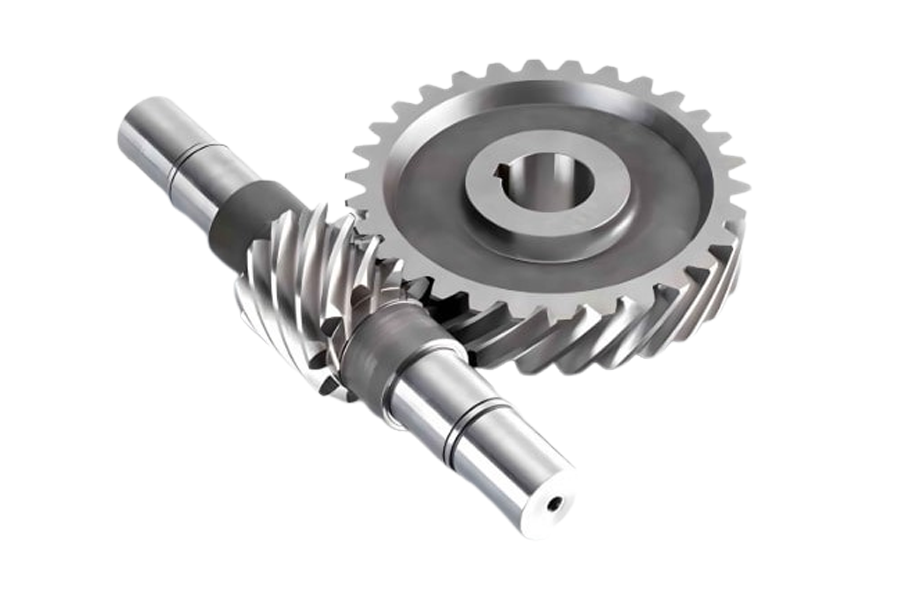
Spiral Bevel Gear: Boost Your Machine Efficiency Today
What Are Spiral Bevel Gears and How Do They Work?
Spiral bevel gears are one of the most important mechanical transmission components used in modern industrial machinery, automotive systems, aerospace equipment, robotics, and heavy-duty power transmission applications. These gears are specifically engineered to transmit motion and torque between intersecting shafts, typically at a 90-degree angle.
Unlike straight bevel gears, spiral bevel gears feature curved and oblique teeth, allowing smoother tooth engagement, reduced vibration, quieter operation, and improved load carrying capability.
Reference: Wikipedia – Spiral Bevel Gear
What Is a Spiral Bevel Gear?
A spiral bevel gear is a bevel gear with curved helical teeth formed on a conical pitch surface. The spiral-shaped teeth allow gradual engagement during meshing, which significantly improves transmission smoothness compared with straight bevel gears.
Spiral bevel gears are commonly used where:
- High torque transmission is required
- Noise reduction is important
- Smooth rotational motion is necessary
- High-speed operation is involved
- Direction of power transmission must change
These gears are frequently installed in:
- Automotive differentials
- Industrial gearboxes
- Marine propulsion systems
- Aerospace transmissions
- Mining equipment
- Construction machinery
- Robotic drive systems
Basic Structure of Spiral Bevel Gears
Conical Geometry
Spiral bevel gears are built on a conical geometry where the pitch surfaces form imaginary cones. The shafts intersect at a specific angle, usually 90 degrees.
Curved Teeth Design
The defining feature of spiral bevel gears is their curved tooth profile. Unlike straight bevel gears that engage suddenly, spiral bevel teeth gradually mesh from one end to the other.
This gradual engagement provides:
- Smoother power transmission
- Reduced impact loading
- Lower operational noise
- Higher durability
- Improved load distribution
Left-Hand and Right-Hand Spiral
Spiral bevel gears are manufactured in left-hand and right-hand spiral orientations. A mating gear set must always use opposite hand spirals to mesh correctly.
How Spiral Bevel Gears Work
Spiral bevel gears transfer mechanical power between intersecting shafts by means of meshing curved teeth.
When the driving gear rotates:
- The curved teeth gradually engage with the mating gear
- Torque transfers progressively across the tooth surface
- The driven gear rotates in the desired direction
- Rotational speed and torque ratio depend on gear tooth count
The progressive tooth contact minimizes shock loads and distributes stress more evenly across the tooth surface.
Compared with straight bevel gears, spiral bevel gears generate significantly less vibration and noise.
Additional technical reference: ScienceDirect – Spiral Bevel Gears Overview
Main Advantages of Spiral Bevel Gears
Smooth Operation
The curved tooth geometry enables gradual engagement, reducing impact during meshing and ensuring smooth rotational transmission.
Lower Noise
Spiral bevel gears are much quieter than straight bevel gears because the teeth engage progressively instead of instantaneously.
High Load Capacity
The larger tooth contact area improves load distribution and allows higher torque transmission.
Higher Efficiency
Properly designed spiral bevel gear systems can achieve transmission efficiencies exceeding 95%.
Improved Durability
Reduced vibration and smoother engagement decrease wear, extending gear service life.
Disadvantages of Spiral Bevel Gears
Complex Manufacturing
The manufacturing process is significantly more complex than straight bevel gears and requires specialized CNC gear cutting machines.
Higher Production Cost
Precision machining and inspection increase manufacturing costs.
Difficult Alignment
Installation requires precise alignment and mounting adjustment to maintain proper tooth contact patterns.
Replacement Limitations
Spiral bevel gears are usually manufactured and lapped in matched pairs, meaning both gears should be replaced together.
Applications of Spiral Bevel Gears
Automotive Industry
One of the most common applications is automotive differential systems, where spiral bevel gears transfer power from the driveshaft to the axle shafts.
Industrial Gearboxes
Heavy-duty industrial machinery uses spiral bevel gears for efficient right-angle power transmission.
Aerospace Systems
Aircraft and helicopter transmissions require smooth, reliable, and high-load gear systems.
Marine Equipment
Marine propulsion systems often use spiral bevel gears to transfer power efficiently under heavy load conditions.
Robotics and Automation
Robotic motion systems benefit from the precision and low-noise characteristics of spiral bevel gears.
Manufacturing Process of Spiral Bevel Gears
Gear Cutting
Specialized Gleason or Klingelnberg machines are commonly used to generate spiral bevel gear tooth geometry.
Heat Treatment
After machining, gears are heat treated to improve hardness, wear resistance, and fatigue strength.
Grinding
Precision grinding improves tooth accuracy, surface finish, and contact performance.
Inspection
Advanced inspection systems verify:
- Tooth profile accuracy
- Pitch accuracy
- Runout
- Contact pattern
- Surface quality
Additional industry resource: Gear Technology – Basics of Spiral Bevel Gears
Contact Pattern in Spiral Bevel Gears
Tooth contact pattern is one of the most critical performance indicators for spiral bevel gears.
An ideal contact pattern:
- Appears centered on the tooth surface
- Distributes load evenly
- Prevents edge loading
- Improves gear life
- Reduces vibration
Improper contact patterns can lead to:
- Premature wear
- Noise
- Excessive heat generation
- Tooth breakage
Comparison Between Spiral Bevel Gears and Straight Bevel Gears
| Feature | Spiral Bevel Gear | Straight Bevel Gear |
|---|---|---|
| Tooth Shape | Curved | Straight |
| Noise Level | Low | High |
| Load Capacity | High | Moderate |
| Operation Smoothness | Excellent | Moderate |
| Manufacturing Complexity | High | Low |
| Cost | Higher | Lower |
| Speed Capability | High Speed | Lower Speed |
Difference Between Spiral Bevel Gears and Hypoid Gears
Although spiral bevel gears and hypoid gears appear similar, they have important differences.
Spiral Bevel Gear
- Shafts intersect
- Higher efficiency
- Less sliding motion
- Common in industrial equipment
Hypoid Gear
- Shafts are offset
- Higher torque capacity
- More sliding contact
- Common in automotive rear axles
Reference: IQS Directory – Bevel Gear Types and Applications
Lubrication Requirements
Proper lubrication is essential for spiral bevel gear performance and durability.
Lubricants help:
- Reduce friction
- Minimize wear
- Dissipate heat
- Prevent corrosion
- Extend service life
Extreme-pressure gear oils are commonly used in heavy-duty applications.
Maintenance of Spiral Bevel Gears
Regular Inspection
Operators should inspect:
- Tooth wear
- Lubrication condition
- Noise levels
- Vibration
- Contact patterns
Alignment Verification
Improper shaft alignment can cause uneven loading and premature failure.
Lubricant Replacement
Gear oil should be replaced periodically according to operating conditions and manufacturer recommendations.
Future Development Trends
Modern spiral bevel gear technology continues evolving through:
- Advanced CNC manufacturing
- Precision grinding technologies
- Simulation software
- Digital inspection systems
- Improved heat treatment methods
- Lightweight high-strength materials
Industries such as electric vehicles, robotics, aerospace, and renewable energy continue driving demand for high-performance spiral bevel gears.
YouTube Video Reference
Recommended video about spiral bevel gear manufacturing and operation:
Watch Spiral Bevel Gear Manufacturing Videos on YouTube
Conclusion
Spiral bevel gears are highly efficient and reliable power transmission components used across numerous industries. Their curved tooth geometry allows smoother engagement, quieter operation, and higher load capacity compared with straight bevel gears.
Although they require more sophisticated manufacturing and precise alignment, spiral bevel gears provide outstanding performance in demanding applications involving intersecting shafts and high torque transmission.
As manufacturing technology continues advancing, spiral bevel gears will remain essential components in modern mechanical systems, including automotive drivetrains, aerospace transmissions, robotics, industrial automation, and renewable energy equipment.