Table of Contents
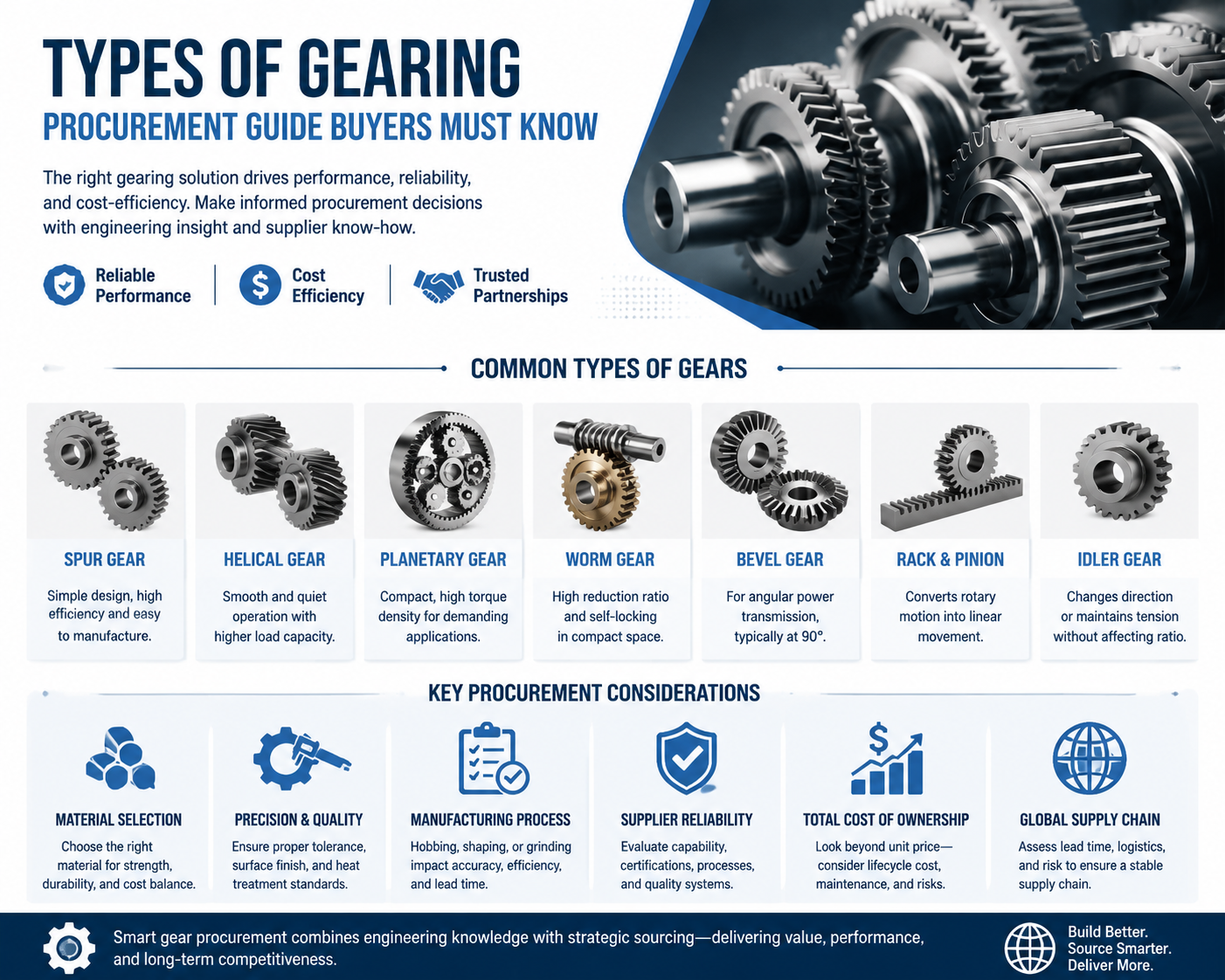
High Torque Gear Systems: Engineering & Procurement Deep Dive
1. Introduction: Why High Torque Survival Matters in Gearing
High torque survival in gearing is not just an engineering metric, it is the difference between a machine that runs smoothly for years and one that chews through maintenance budgets like there is no tomorrow. In industrial environments where loads fluctuate like a stormy sea, gears are expected to hold their nerve and transmit power without flinching. For procurement professionals, this is where technical specs meet real-world pain points, because downtime is never just downtime—it is lost production, lost contracts, and reputational friction.
What high torque means in industrial applications
High torque in industrial systems refers to the sustained or peak rotational force transmitted through mechanical interfaces under load-intensive conditions such as conveyors, crushers, wind turbines, and heavy robotics. In practical terms, it is not just about maximum torque ratings printed on datasheets, but about how systems behave when those limits are repeatedly approached or exceeded. Engineers often say, if the gear survives the worst day of operation, it will likely survive everything else.
Why failure modes matter for procurement decisions
Failure modes are the silent language of mechanical systems, telling buyers where things will eventually go wrong if design or material choices are misaligned. A procurement engineer who understands whether a gear fails by fatigue, pitting, or shear is already three steps ahead in supplier negotiations. This is where Types of gearing becomes critical, because different configurations distribute stress in fundamentally different ways, shaping long-term reliability.
How gearing selection impacts lifecycle cost
Lifecycle cost is where the real financial story unfolds, far beyond the initial purchase order. A cheaper gear set that fails under torque spikes can end up costing multiples more in downtime, replacements, and labor interventions. In procurement circles, the saying goes: you do not buy gears, you buy uptime, and gearing selection is the backbone of that equation.
2. Defining High Torque in Mechanical Systems
Torque thresholds across industries
Different industries interpret high torque in very different ways, with automotive drivetrains, mining equipment, and wind energy systems all operating in distinct torque regimes. What qualifies as high torque in a packaging machine might be considered moderate in heavy earth-moving equipment. This variability makes standardized selection difficult, pushing engineers to rely on application-specific validation rather than generic ratings.
Static vs dynamic torque conditions
Static torque refers to steady-state loading conditions where the gear transmits constant force without abrupt variations, while dynamic torque introduces fluctuating loads caused by acceleration, deceleration, or external disturbances. In real-world systems, dynamic torque is often the true killer, because it introduces cyclic stress that accelerates fatigue failure. Engineers often describe it as the difference between carrying a load and being repeatedly hit with it.
Load spikes and shock torque behavior
Load spikes are short-duration torque surges that can exceed nominal design limits by several multiples, often occurring during machine start-up or sudden load engagement. Shock torque is particularly dangerous because it bypasses gradual stress distribution and directly impacts tooth root integrity. In procurement discussions, ignoring shock loading is like buying insurance and not reading the fine print.
3. Key Factors That Determine Gear Survival
Material strength and fatigue resistance
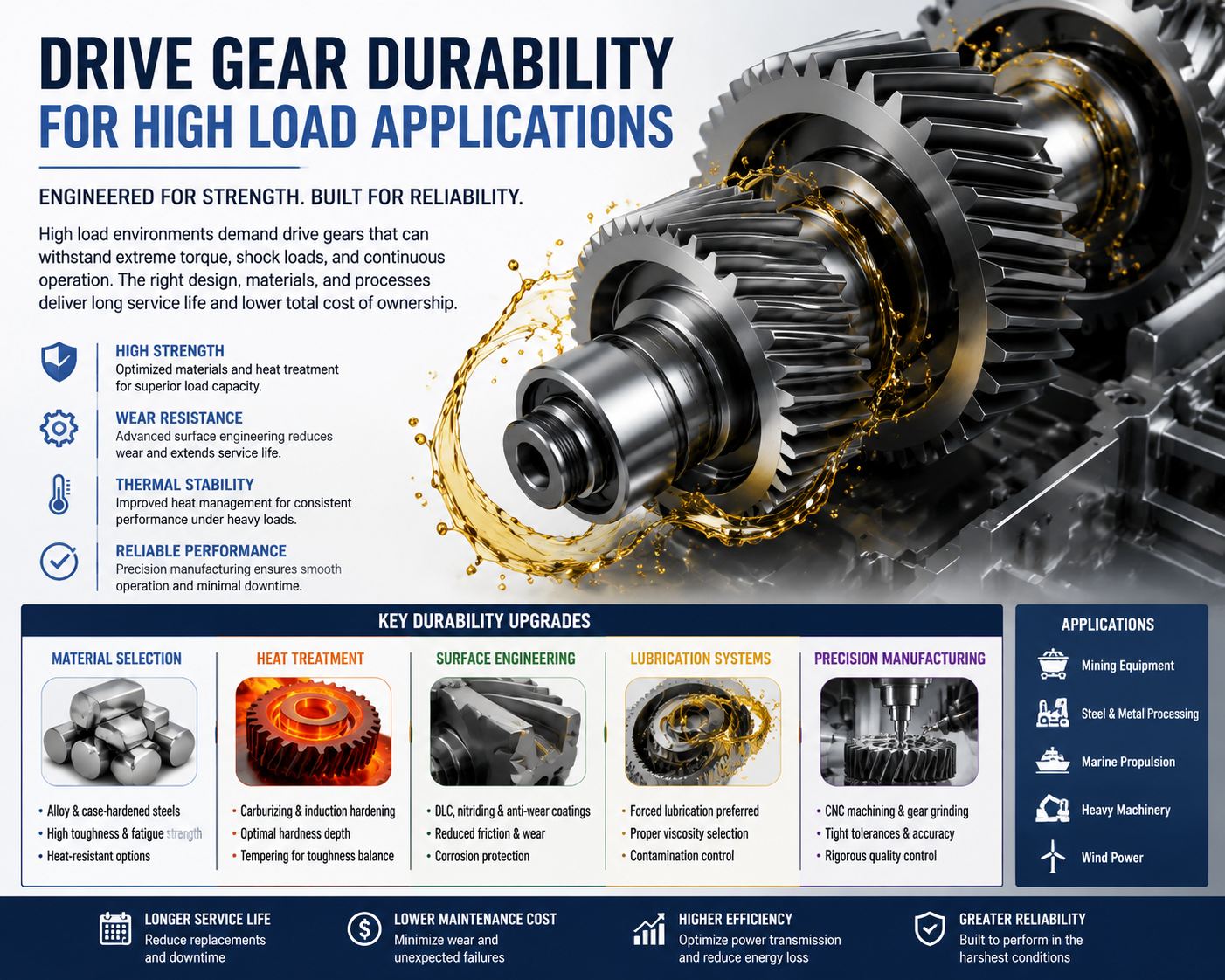
Material selection dictates whether a gear survives millions of cycles or fractures under repetitive stress. High strength alloy steels are commonly used because they offer a balance between toughness and fatigue endurance. In engineering slang, if the material is wrong, everything else is just decoration.
Heat treatment and surface hardness
Heat treatment processes such as carburizing or induction hardening dramatically enhance surface hardness while maintaining a tougher core structure. This dual-property configuration allows gears to resist wear while absorbing shock loads without cracking. Buyers often underestimate this step, but experienced engineers know it is where durability is quietly forged.
Lubrication and thermal stability
Lubrication is the unsung hero of high torque systems, forming a microscopic film that prevents metal-to-metal contact under extreme pressure. When thermal stability is compromised, lubrication breaks down and friction skyrockets, leading to rapid degradation. In field operations, insufficient lubrication is often described as the “slow burn failure mode” that nobody notices until it is too late.
4. Spur Gears Under High Torque Loads
Load distribution characteristics
Spur gears transmit torque through straight tooth engagement, which results in high instantaneous load transfer across a single line of contact. This makes them efficient but also more vulnerable to stress concentration under high torque conditions. They are simple, robust, and widely used, but they do not hide their limitations.
Common failure points in heavy duty use
Under heavy torque, spur gears typically fail at the tooth root due to bending fatigue or surface pitting from repeated stress cycles. Misalignment exacerbates these issues, causing uneven load distribution that accelerates wear. In industry terms, spur gears are honest performers—they tell you exactly when they are being overworked.
Best-use scenarios in OEM applications
Spur gears are best suited for low to moderate speed applications where torque loads are predictable and alignment can be tightly controlled. They are often found in gear pumps, conveyors, and simple transmission systems where cost efficiency matters. For OEM buyers, they are the “no drama” option in the Types of gearing family.
5. Helical Gears and Torque Handling Capability
Axial load considerations
Helical gears introduce axial thrust due to their angled teeth, which adds complexity to bearing design and system support. However, this same geometry allows multiple teeth to engage simultaneously, improving load distribution. It is a classic engineering trade-off: more smoothness, but more structural responsibility.
Smooth engagement under stress
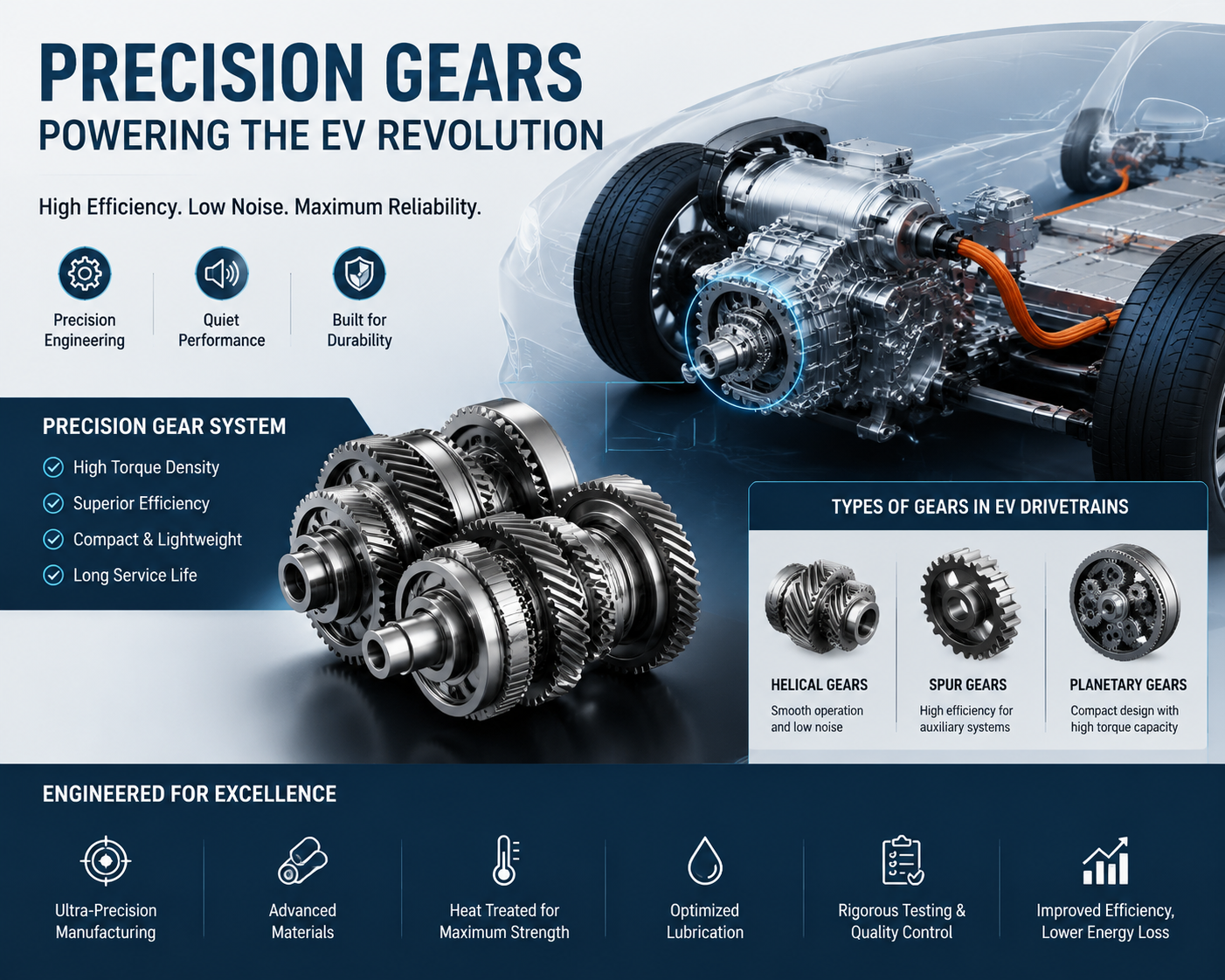
One of the biggest advantages of helical gears is their gradual tooth engagement, which reduces impact loading and improves torque transmission stability. Even under high load, they run quieter and smoother than spur gears, earning them a reputation for “civilized torque handling.” This makes them highly desirable in precision industrial systems.
Efficiency trade-offs at high load
At elevated torque levels, sliding contact increases friction losses, which slightly reduces efficiency compared to spur gears. However, this loss is often acceptable given the gain in durability and noise reduction. Procurement teams often accept this trade because reliability tends to outweigh marginal efficiency penalties in real-world operations.
6. Bevel Gears in Angular High Torque Transmission
Stress concentration at tooth edges
Bevel gears operate at intersecting shafts, which naturally concentrates stress at tooth edges due to geometric tapering. This makes them more sensitive to alignment errors and manufacturing precision. In high torque systems, even small deviations can escalate into significant wear patterns.
Performance in directional power transfer
Bevel gears excel at redirecting torque flow between non-parallel shafts, making them essential in differential systems and angular drives. Their ability to maintain torque transmission efficiency across directional changes is a key engineering advantage. In the Types of gearing landscape, they are the directional specialists.
Maintenance sensitivity under heavy load
Under continuous high torque operation, bevel gears require meticulous maintenance and lubrication management. Any neglect quickly manifests as surface pitting or edge wear. Engineers often joke that bevel gears are “high maintenance but high performance,” and that is not far from the truth.
7. Worm Gears and Extreme Reduction Torque
Self-locking advantages in load holding
Worm gears provide high reduction ratios with inherent self-locking capability, preventing back-driving under load. This makes them ideal for lifting systems and holding applications where safety is critical. In procurement terms, they are the “built-in brake” solution.
Heat generation challenges
The sliding contact between worm and wheel generates significant heat, especially under high torque conditions. Without effective cooling or lubrication, thermal buildup can rapidly degrade efficiency and material integrity. This is one of the most well-known trade-offs in worm gear systems.
Efficiency limits in continuous operation
Worm gears are not known for high efficiency, particularly at elevated loads where friction losses increase substantially. They perform best in intermittent duty cycles rather than continuous high-speed operation. Despite this, they remain widely used due to their compact torque multiplication capabilities within the Types of gearing spectrum.
8. Planetary Gear Systems for Maximum Torque Density
Load sharing across multiple planets
Planetary gear systems distribute torque across multiple planet gears, significantly reducing individual tooth stress. This load sharing mechanism is what allows them to achieve extremely high torque density in compact spaces. Engineers often describe them as “team players” in mechanical design.
Compact design advantages for OEMs
Their coaxial configuration allows high power transmission in minimal space, which is a major advantage for modern OEM product design. This compactness enables integration into robotics, automotive transmissions, and heavy-duty machinery. For procurement teams, this means more power per cubic centimeter.
Common industrial use cases
Planetary systems are widely used in excavators, wind turbines, and automatic transmissions where both torque and compactness are essential. Their versatility makes them one of the most valuable Types of gearing in modern engineering. They are essentially the heavyweight champions in a small package.
9. Rack and Pinion Systems in Heavy Load Applications
Linear force conversion efficiency
Rack and pinion systems convert rotational motion into linear displacement with high mechanical efficiency. Under high torque, they deliver consistent force output along a straight path, making them ideal for lifting and positioning systems. They are simple, direct, and highly effective.
Wear patterns under continuous torque
Continuous high torque operation leads to uneven wear along the rack teeth if alignment is not maintained. This can result in backlash and reduced positional accuracy over time. In industrial slang, it is a system that demands respect for alignment discipline.
Structural reinforcement strategies
Reinforced mounting structures and hardened gear materials are essential to maintain performance under heavy loads. Proper support prevents deflection and ensures uniform load distribution. Without these measures, even robust systems degrade quickly.
10. Hypoid Gears in High Load Automotive Systems
Offset shaft advantages
Hypoid gears feature an offset between the input and output shafts, allowing smoother engagement and increased contact area. This geometry improves torque capacity and reduces noise in automotive applications. It is a subtle but powerful engineering enhancement.
Sliding contact implications
The offset design introduces sliding action in addition to rolling contact, increasing frictional heat generation. This requires high-quality lubrication to maintain durability. Without it, wear accelerates rapidly under high torque loads.
Durability in drivetrain applications
Hypoid gears are widely used in vehicle differentials due to their ability to handle high torque with smooth operation. They balance strength and refinement, making them a cornerstone in automotive Types of gearing systems. In real-world terms, they are built for long highway endurance.
11. Material Selection for High Torque Resistance
Alloy steel vs case-hardened steel
Alloy steels offer excellent toughness, while case-hardened steels provide superior surface hardness for wear resistance. The combination of a hard exterior and ductile core is ideal for high torque environments. Choosing between them is rarely simple and often application-driven.
Composite and advanced polymer options
In certain low to medium torque applications, engineering polymers and composites offer weight reduction and corrosion resistance. However, they are limited in extreme torque conditions. They are more niche players in the broader Types of gearing ecosystem.
Impact of grain structure refinement
Refined grain structures improve fatigue resistance and mechanical strength at a microscopic level. This metallurgical optimization significantly enhances gear longevity under cyclic loading. In engineering terms, it is about making the metal “smarter,” not just stronger.
12. Surface Engineering and Hardening Techniques
Carburizing and nitriding effects
Carburizing introduces carbon into the surface layer, increasing hardness while maintaining a tough core. Nitriding achieves similar results using nitrogen diffusion, offering excellent wear resistance. Both processes are essential for high torque gear survival.
Shot peening for fatigue improvement
Shot peening introduces compressive residual stresses on the surface, reducing crack initiation under cyclic loading. This is particularly effective in high stress gear applications. It is like giving the surface a protective pre-stress shield.
Coating technologies for wear reduction
Advanced coatings such as DLC or ceramic layers reduce friction and improve wear resistance. These technologies are increasingly used in premium OEM applications. They extend service life and stabilize performance under harsh conditions.
13. Lubrication Systems for Torque-Heavy Gearing
Oil film strength under pressure
Lubrication must maintain a stable oil film even under extreme contact pressure to prevent direct metal contact. This film acts as a microscopic cushion absorbing load stress. When it fails, damage escalates quickly.
Grease vs oil bath performance
Grease is suitable for sealed, low-maintenance systems, while oil baths provide superior cooling and continuous lubrication. Each has trade-offs depending on load and duty cycle. Engineers often choose based on system accessibility and torque demands.
Thermal breakdown prevention
At high torque, lubrication can degrade thermally, losing viscosity and protective properties. Proper cooling and fluid selection are essential to prevent this breakdown. In industry, this is often called managing the “invisible failure driver.”
14. Common Failure Modes in High Torque Gears
Tooth shear and bending fatigue
Tooth shear occurs when stress exceeds material limits, leading to sudden catastrophic failure. Bending fatigue develops gradually through repeated loading cycles. Both are critical concerns in high torque environments.
Pitting and surface spalling
Pitting is caused by surface fatigue, while spalling involves material flaking due to subsurface cracks. These defects gradually degrade performance and efficiency. They are early warning signs of deeper mechanical distress.
Misalignment-induced overload
Even minor misalignment can cause uneven load distribution, drastically increasing localized stress. This often leads to premature wear or failure. In practice, alignment is everything in high torque systems.
15. Design Optimization Strategies for OEM Buyers
Safety factor selection principles
Selecting appropriate safety factors ensures gears operate reliably under unexpected load spikes. Overdesign increases cost, while underdesign increases risk. Balancing this is where engineering meets procurement strategy.
Gear geometry optimization
Optimized tooth profiles reduce stress concentration and improve load distribution. Modifications such as crowning and profile shifting enhance performance. This is a core aspect of modern gear engineering.
Cost-performance balancing strategies
OEM buyers must balance performance requirements with budget constraints. Overengineering can inflate costs unnecessarily, while underengineering risks failure. The sweet spot lies in application-specific optimization.
16. Manufacturing Precision and Quality Control
Tolerances affecting torque capacity
Small deviations in tolerances can significantly impact load distribution and torque handling capability. Precision manufacturing ensures consistent performance across batches. In gearing, microns matter more than most expect.
Gear inspection and metrology methods
Advanced measurement techniques such as coordinate measuring machines and gear analyzers ensure compliance with specifications. These tools detect deviations before products reach the field. Quality control is the gatekeeper of reliability.
Batch consistency in mass production
Consistency across production batches ensures predictable performance in OEM applications. Variability can lead to unpredictable failure rates. Procurement teams often prioritize suppliers with proven process stability.
17. Testing Standards for High Torque Performance
Load testing methodologies
Load testing simulates real-world operating conditions to validate gear performance under stress. It helps identify weak points before deployment. This is where theory meets reality.
ISO and AGMA reference standards
International standards provide benchmarks for gear design, testing, and performance evaluation. They ensure consistency across global supply chains. Compliance is often a prerequisite for OEM partnerships. For further reference, see the ISO 6336 standard and AGMA.
Endurance and fatigue testing cycles
Long-duration testing evaluates how gears perform under repeated stress over time. This reveals fatigue behavior and lifecycle expectations. It is the ultimate durability check in engineering validation.
18. Procurement Considerations for Global Buyers
Supplier capability evaluation
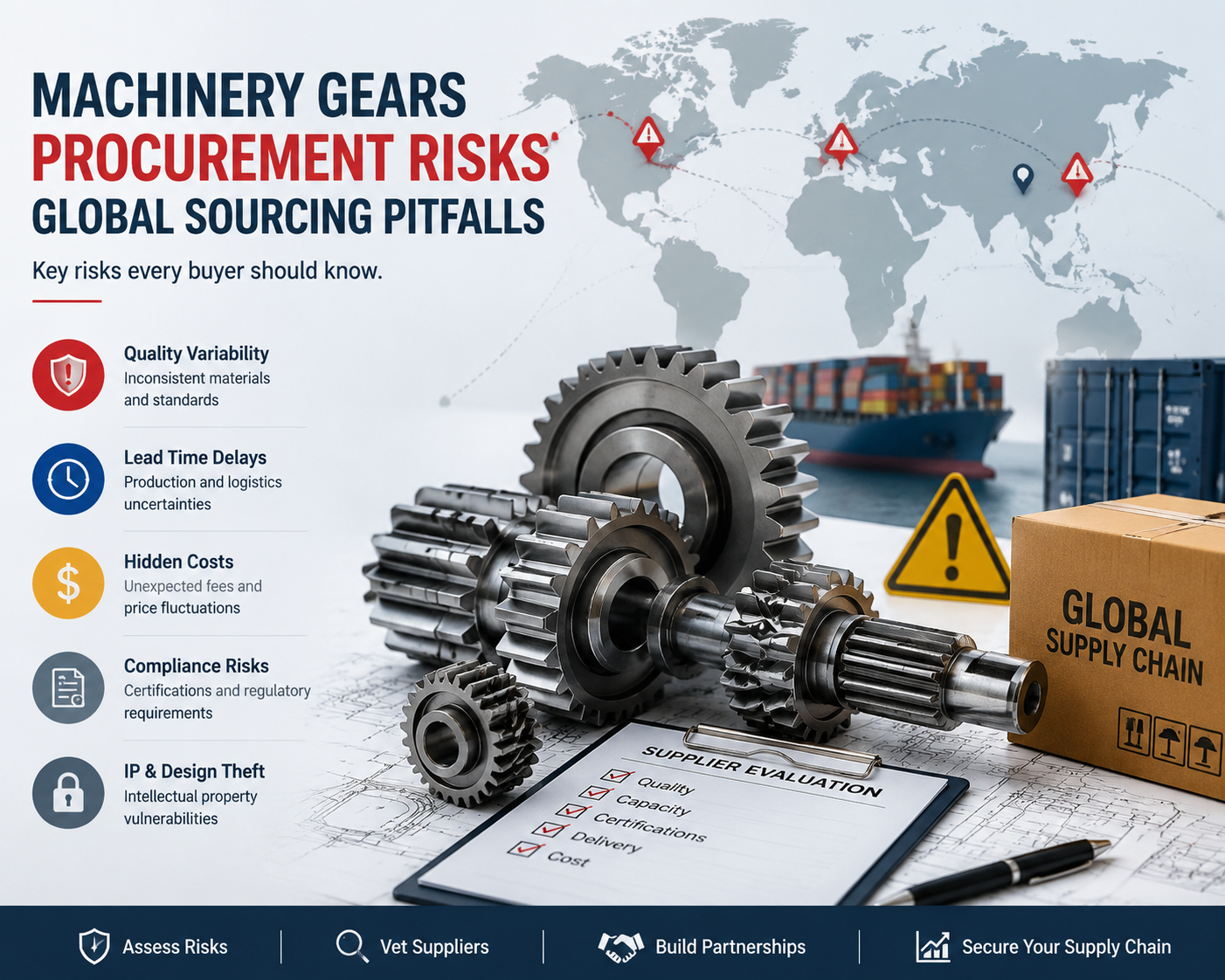
Evaluating supplier capability involves assessing technical expertise, production consistency, and quality systems. Not all manufacturers can handle high torque specifications reliably. Due diligence is essential in global sourcing.
Risk management in supply chains
Supply chain risks include material shortages, process variability, and logistical disruptions. Diversification and supplier audits help mitigate these risks. Procurement teams must think beyond unit price.
Total cost of ownership assessment
Total cost of ownership includes maintenance, downtime, replacement cycles, and operational efficiency. A cheaper gear today may become expensive tomorrow. Smart buyers always look at the full lifecycle picture when evaluating Types of gearing.