Table of Contents
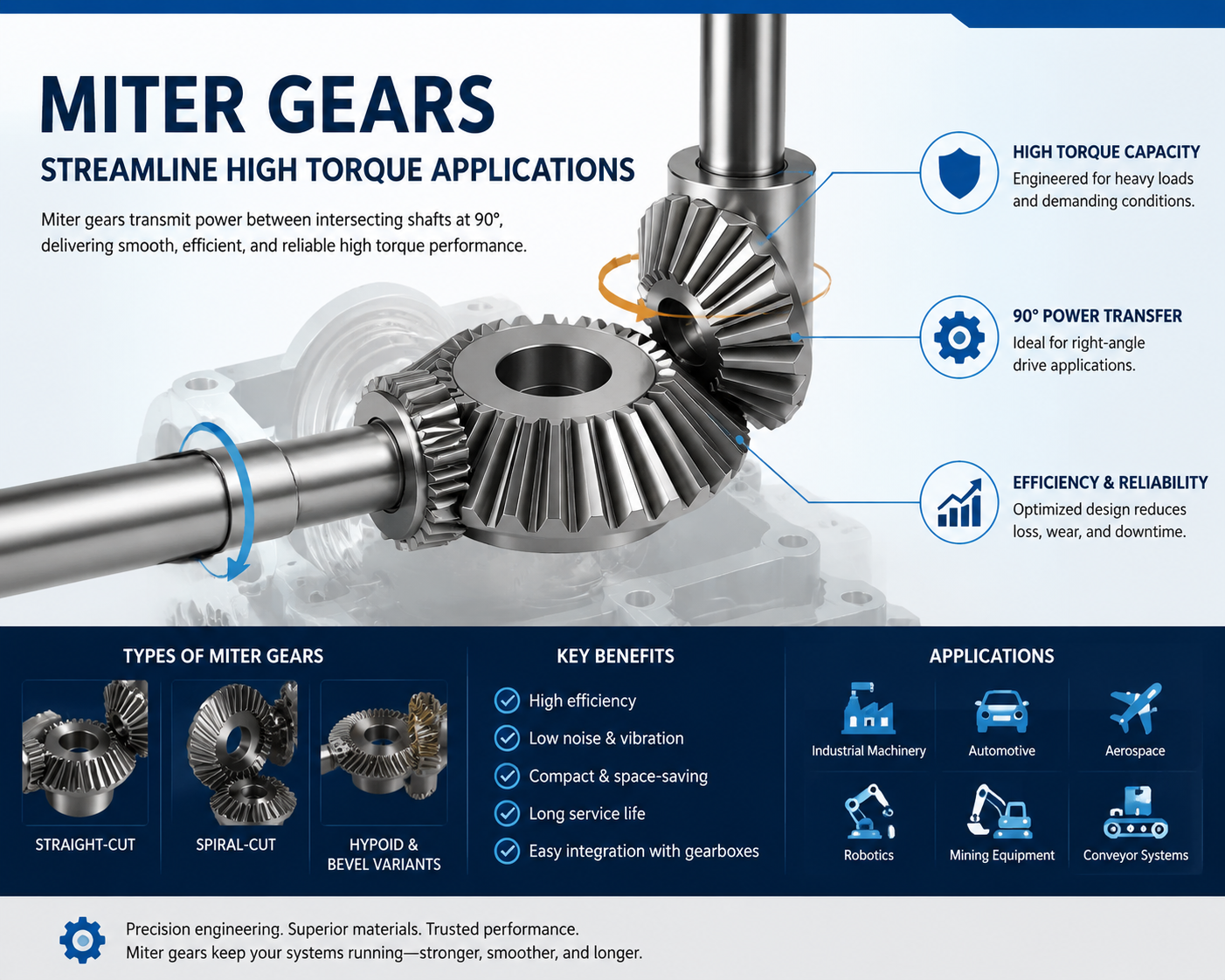
Miter Gears Streamline High Torque Applications
1. Introduction to Miter Gears
1.1 Definition and Function of Miter Gears
Miter gears are specialized bevel gears characterized by a 1:1 gear ratio that allows them to transfer rotational motion between shafts intersecting at a precise 90-degree angle. They serve as a mechanical bridge, converting torque while maintaining angular integrity, making them indispensable in scenarios where space constraints and directional changes converge. In essence, these gears act as the unsung heroes of mechanical assemblies, quietly ensuring that power flows seamlessly, even under significant loads, without the drama of slipping or backlash.
1.2 Importance in Mechanical Systems
In high-stakes industrial machinery, where precision and reliability are non-negotiable, miter gears are pivotal. They underpin the efficiency of gear trains, support torque redistribution, and prevent misalignment issues that could cascade into costly downtime. From conveyor systems to precision lathes, the ability of miter gears to harmonize rotational axes while sustaining substantial torque makes them a linchpin in high-performance mechanical networks. Simply put, without them, your gearbox setup could be a house of cards waiting for the first high-torque push to tumble it.
1.3 Overview of High Torque Applications
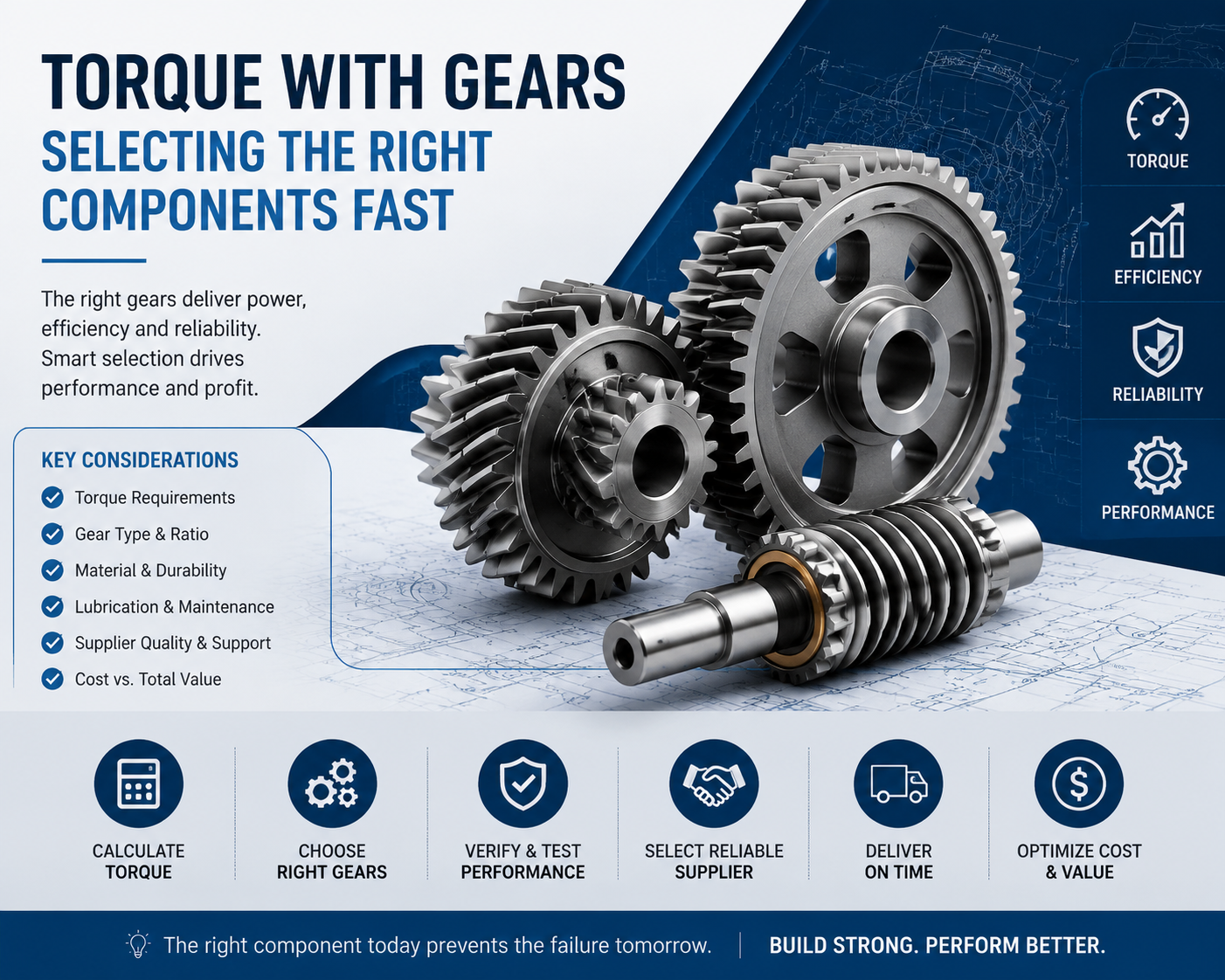
High torque applications demand components that can withstand immense rotational stress without succumbing to deformation or wear. Miter gears excel in scenarios such as industrial presses, mining equipment, heavy-duty conveyors, and large-scale robotics. Their geometry and material selection enable them to transmit power efficiently, reducing energy loss and mechanical strain. In environments where a single failure can halt an entire production line, integrating miter gears is akin to placing a safety net beneath the heavy hitters of your machinery fleet.
2. History and Evolution of Miter Gears
2.1 Early Uses in Machinery
The inception of miter gears traces back to rudimentary mechanical systems where bevel gears facilitated angular motion transfer. Early engineers, constrained by limited metallurgy and manufacturing precision, relied on wooden or cast-iron gears to direct force around corners. Despite rudimentary materials, these initial designs set the stage for modern torque-handling capabilities, showcasing the timeless principle that geometry often triumphs over brute material strength. Learn more about bevel gear history on Wikipedia.
2.2 Technological Advancements
With the Industrial Revolution came precision machining, alloy steel, and hardened surfaces, which catapulted miter gear performance into new realms. Modern CNC milling, hobbing, and grinding techniques allow for near-perfect tooth profiles and tolerances measured in microns. Engineers today can design gears to handle loads that would have been unthinkable a century ago, and suppliers can meet exacting specifications without leaving a smidgeon to chance.
2.3 Modern Industrial Applications
Fast forward to the present day, and miter gears are embedded in everything from automated assembly lines to aerospace actuation systems. Their versatility has expanded, accommodating everything from micro-scale robotics requiring surgical precision to massive mining shovels where torque could rival that of small engines. Modern applications emphasize not just strength but noise reduction, thermal stability, and minimal maintenance—factors that today’s procurement engineers weigh heavily when selecting suppliers. Check out industrial applications on Machine Design.
3. Basic Mechanics of Miter Gears
3.1 Gear Tooth Geometry
The geometry of miter gear teeth is critical, encompassing pitch, pressure angle, and module dimensions that dictate smooth meshing and torque transfer. Unlike spur gears, miter gears’ teeth are angled to optimize contact across the face width, reducing stress concentrations and mitigating premature wear. Understanding tooth geometry is like reading a roadmap of mechanical efficiency: misalignment or incorrect profiling can turn a high-performance gear into a squealing, inefficient nightmare.
3.2 Torque Transmission Principles
Torque is transferred through the precise engagement of gear teeth, where each contact point must bear a portion of the load while minimizing shear and bending stress. In miter gears, this means that even slight inaccuracies in tooth form or assembly can amplify forces, leading to wear patterns that mimic battle scars on an overworked warrior. Proper alignment and lubrication ensure that torque flows cleanly, without generating excessive heat or vibration that can propagate through the system.
3.3 Angle and Alignment Considerations
The quintessential feature of miter gears—the 90-degree shaft intersection—necessitates meticulous attention to alignment. Even minor deviations can produce uneven tooth loading, accelerated wear, and, in worst-case scenarios, catastrophic failure. Engineers often employ dial indicators, laser alignment tools, and sophisticated CAD simulations to guarantee that the angular relationships are maintained, ensuring long-term reliability under punishing torque conditions.
4. Types of Miter Gears
4.1 Straight-Cut Miter Gears
Straight-cut miter gears feature teeth aligned parallel to the axis of rotation. They are simpler to manufacture, provide predictable load distribution, and excel in low to moderate speed applications. While noisier under high RPMs, their simplicity makes them cost-effective and easy to integrate into legacy machinery, serving as the workhorse in many mechanical setups.
4.2 Spiral-Cut Miter Gears
Spiral-cut gears employ curved teeth, providing smoother engagement, reduced backlash, and enhanced torque transmission. They are ideal for high-speed, high-torque scenarios where vibration reduction is paramount. The tradeoff lies in manufacturing complexity, requiring precision milling and heat treatment to achieve the correct tooth profile.
4.3 Hypoid and Bevel Variants
Hypoid and specialized bevel variants allow for offset shafts or non-standard angles, expanding design flexibility. These gears handle torque exceptionally well, with hypoid designs also offering advantages in quiet operation and surface durability. They are frequently found in automotive differentials and aerospace assemblies, where both efficiency and longevity are non-negotiable. Learn more about gear types at Gear Technology.
5. Materials Used in Miter Gear Manufacturing
5.1 Common Metals and Alloys
Steel alloys dominate, particularly high-carbon and alloy steels that can be heat-treated for superior hardness. Case-hardened and carburized options resist surface fatigue while maintaining a tough core to absorb dynamic loads. Stainless steel variants address corrosion concerns in aggressive environments, ensuring longevity even under harsh operational conditions.
Material selection often begins with a careful assessment of torque requirements, operating temperatures, environmental exposure, and anticipated service life. Alloy steels such as 4140, 4340, and 8620 are widely utilized because they offer an excellent balance between strength, toughness, and machinability. When subjected to processes such as carburizing or nitriding, these alloys develop exceptionally hard surfaces capable of withstanding repeated contact stress.
Procurement professionals frequently prioritize suppliers capable of providing full material traceability and certification documentation. Reliable material sourcing helps ensure consistency across production batches and minimizes the risk of unexpected performance variations in critical industrial applications.
For additional information on steel properties and metallurgy, visit AZoM Materials Engineering Resources.
5.2 Polymer and Composite Options
For lighter-duty or specialized applications, high-strength polymers and fiber-reinforced composites provide reduced weight, corrosion resistance, and low friction. These materials are increasingly popular in robotics, medical devices, and situations where minimizing inertia or acoustic signature is critical.
Engineering plastics such as PEEK, nylon, acetal, and reinforced thermoplastics have demonstrated remarkable performance characteristics in select gear applications. Their lightweight nature reduces rotational inertia, contributing to faster acceleration and improved energy efficiency in automated systems.
Composite materials reinforced with glass fibers or carbon fibers further enhance mechanical properties while maintaining excellent corrosion resistance. In environments where exposure to chemicals, moisture, or aggressive cleaning agents is common, polymer-based miter gears may offer advantages over traditional metallic alternatives.
While these materials typically cannot match the torque-handling capability of hardened steel gears, they continue to gain traction in specialized industries where noise reduction, weight savings, and corrosion resistance outweigh maximum load requirements.
5.3 Material Selection for High Torque
Material choice is crucial in high torque applications. Engineers must balance hardness, toughness, thermal expansion, and machinability. A misstep in selection can lead to catastrophic failures, so analysis of operating conditions, load cycles, and environmental factors is non-negotiable before committing to a procurement decision.
Successful material selection often involves evaluating several interconnected variables:
- Maximum operating torque
- Shock loading conditions
- Operating temperatures
- Lubrication methods
- Corrosion exposure
- Expected service life
- Maintenance intervals
Engineers frequently use finite element analysis and fatigue modeling to predict how different materials will perform under real-world operating conditions. This analytical approach helps reduce uncertainty and supports informed purchasing decisions.
Additional guidance on engineering materials can be found through ASME.
6. Design Considerations for High Torque Applications
6.1 Load Distribution Analysis
Accurate load analysis ensures that teeth share the load evenly, preventing localized overstress. Finite element analysis (FEA) and other simulation tools allow engineers to predict failure points and optimize tooth design for maximum longevity under peak torque conditions.
Uneven load distribution remains one of the most common causes of premature gear failure. When individual teeth experience excessive stress concentrations, microscopic cracks may begin to develop and propagate over time.
Advanced simulation tools allow designers to visualize stress patterns throughout the gear mesh cycle. By identifying regions of elevated stress, engineers can refine tooth geometry, optimize face width, and improve overall load-sharing characteristics.
Proper load distribution ultimately contributes to longer service life, improved efficiency, and reduced maintenance requirements.
6.2 Gear Size and Ratio Selection
Selecting the appropriate gear size and ratio directly impacts torque multiplication, efficiency, and shaft speed. A well-chosen ratio balances output torque with input speed, reducing unnecessary stress on adjacent components and improving overall system reliability.
Engineers must consider:
- Input speed requirements
- Output torque demands
- Available installation space
- Shaft dimensions
- Bearing capacities
- System efficiency targets
An undersized gear may initially reduce costs but can introduce excessive stress levels that significantly shorten component lifespan. Conversely, oversized gears may increase weight, space requirements, and overall system costs.
Finding the optimal balance is often the hallmark of effective mechanical design.
6.3 Stress and Fatigue Factors
High torque applications inherently introduce cyclic loading, making fatigue a critical concern. Gear designers must consider material endurance limits, surface treatments, and lubrication strategies to mitigate micro-cracking and ensure consistent performance over the gear’s lifecycle.
Repeated loading cycles generate microscopic structural changes within the material. Over time, these changes can evolve into fatigue cracks that eventually compromise gear integrity.
Several strategies help combat fatigue-related failures:
- Optimized tooth geometry
- Heat treatment processes
- Surface hardening technologies
- Improved lubrication systems
- Accurate load calculations
- Routine condition monitoring
By addressing fatigue early in the design process, engineers can significantly improve gear reliability and operational longevity.
7. Precision and Tolerance in Miter Gears
7.1 Importance of Manufacturing Accuracy
Even micron-level deviations in tooth profile can result in torque fluctuations, excessive noise, or accelerated wear. Precision manufacturing ensures that gears mesh smoothly, sustaining high loads without the drama of unpredictable failures.
Modern industrial applications increasingly demand exceptional precision. Automated manufacturing systems, robotics platforms, and aerospace assemblies often operate with extremely narrow tolerance windows where even minor inaccuracies can affect overall system performance.
Manufacturing accuracy directly influences:
- Load distribution
- Noise generation
- Vibration levels
- Efficiency
- Service life
- Operational reliability
As many experienced engineers appreciate, precision is not merely a quality metric—it is an investment in long-term performance.
7.2 Methods to Achieve Tight Tolerances
CNC milling, hobbing, and grinding, coupled with heat treatment and inspection via coordinate measuring machines (CMM), allow manufacturers to hit tight tolerances consistently. This guarantees repeatable performance across multiple gear sets, which is crucial for mass production and high-volume procurement.
State-of-the-art manufacturing facilities frequently employ:
- Multi-axis CNC machining
- Gear hobbing equipment
- Precision grinding systems
- Automated inspection stations
- Laser measurement technologies
- Coordinate measuring machines
These technologies work together to ensure dimensional consistency while minimizing production variability.
Organizations sourcing gears for mission-critical equipment often place significant emphasis on suppliers with advanced quality control capabilities.
7.3 Impact on Performance and Efficiency
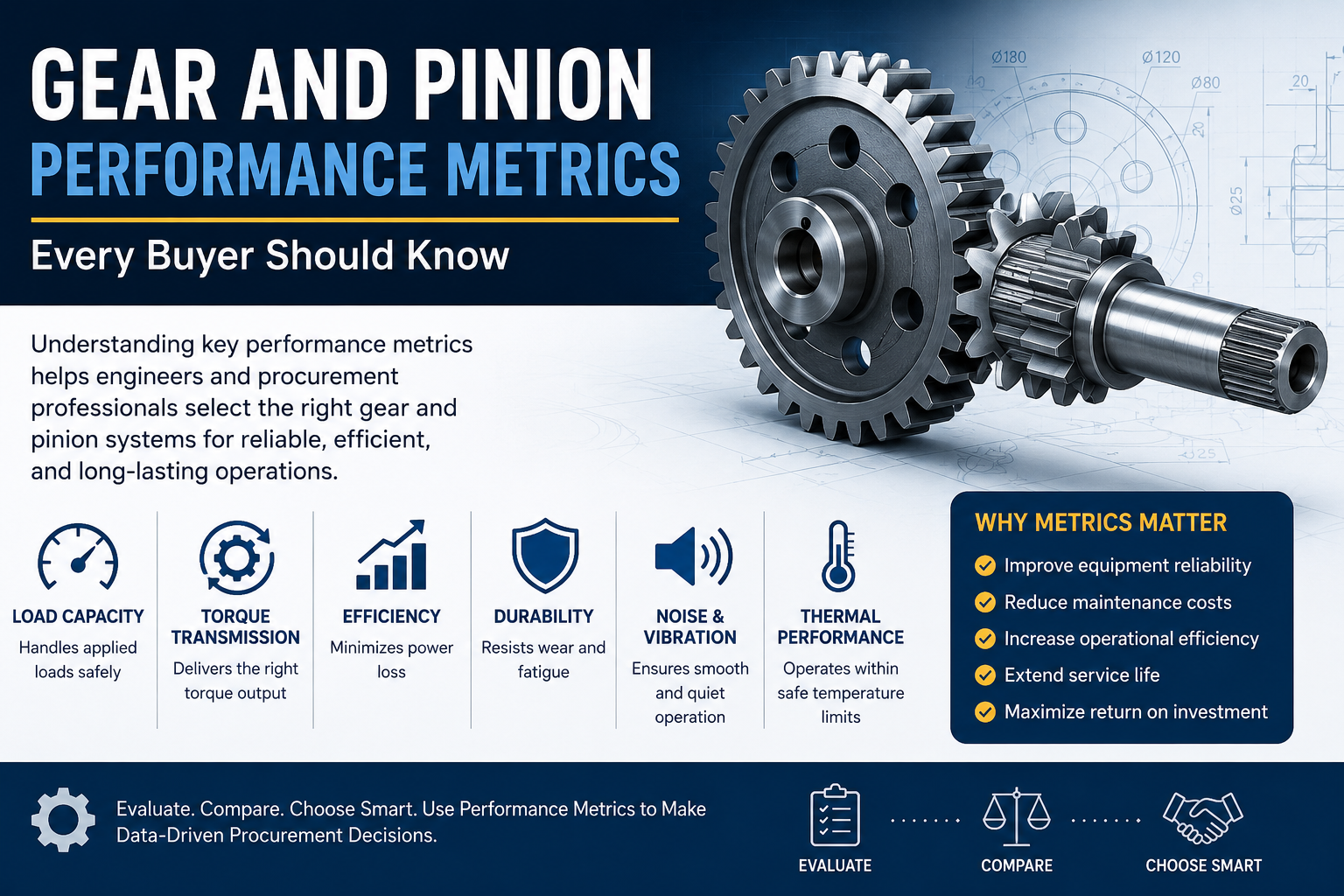
Tight tolerances reduce backlash, improve torque transmission efficiency, and minimize vibration. For procurement engineers, specifying precise tolerance ranges ensures that the gears will integrate seamlessly into existing systems, delivering predictable performance with minimal post-installation adjustments.
Precision-engineered gears typically demonstrate:
- Smoother operation
- Reduced energy loss
- Lower maintenance requirements
- Longer service life
- Improved reliability
- Enhanced system efficiency
Although achieving tighter tolerances may increase manufacturing costs, the resulting operational benefits frequently justify the investment through lower lifecycle expenses.
8. Lubrication and Maintenance
8.1 Recommended Lubricants for High Torque
High-viscosity synthetic oils, extreme-pressure greases, and specialized gear oils minimize friction, dissipate heat, and prevent metal-to-metal contact under high torque. Selection must consider operating temperature, load, and speed to ensure optimal protection.
Lubrication serves multiple critical functions:
- Reducing friction
- Preventing wear
- Dissipating heat
- Protecting against corrosion
- Extending service life
- Improving efficiency
Synthetic lubricants are often preferred in demanding industrial environments because they maintain stable performance characteristics across broader temperature ranges than conventional mineral oils.
Detailed lubrication resources are available through Noria Corporation, a recognized authority in lubrication engineering and reliability practices.
8.2 Maintenance Schedules and Practices
Routine inspection, timely lubrication, and monitoring for wear or misalignment are essential. Preventive maintenance extends gear life, reduces downtime, and mitigates the risk of sudden, catastrophic failures in critical machinery.
Effective maintenance programs typically include:
- Regular visual inspections
- Lubricant analysis
- Vibration monitoring
- Temperature measurement
- Alignment verification
- Wear pattern evaluation
Facilities that implement structured maintenance programs often experience improved equipment availability and lower repair costs.
Rather than reacting to failures after they occur, modern maintenance strategies emphasize early detection and proactive intervention.
8.3 Troubleshooting Common Issues
Common issues include tooth pitting, backlash increase, and abnormal noise. Rapid identification through vibration analysis or visual inspection allows engineers to intervene before small problems escalate into expensive repairs or production stoppages.
Typical warning signs include:
- Abnormal vibration
- Unusual noise
- Elevated operating temperatures
- Lubricant contamination
- Irregular wear patterns
- Reduced transmission efficiency
Experienced maintenance personnel understand that gear systems rarely fail without warning. Monitoring key performance indicators enables organizations to identify developing problems early and implement corrective actions before major failures occur.
A disciplined troubleshooting process ultimately protects equipment investments while maintaining production continuity and operational reliability.
9. Efficiency Optimization Techniques
9.1 Minimizing Energy Loss
In high-torque transmission systems, every percentage point of efficiency matters. Even seemingly insignificant energy losses can accumulate into substantial operating costs over the lifespan of industrial equipment. Miter gears contribute to efficient power transfer when manufactured with precise tooth geometry and installed correctly.
Engineers frequently focus on reducing parasitic losses by optimizing tooth contact patterns, improving lubrication systems, and maintaining accurate shaft alignment. Modern simulation software allows designers to visualize power flow throughout the drivetrain and identify areas where frictional losses occur. This proactive approach ensures that torque reaches the intended output with minimal waste.
From a procurement perspective, selecting gears manufactured to stringent quality standards often results in lower lifecycle costs. While premium components may carry a higher initial price tag, their superior efficiency can deliver measurable energy savings over years of operation.
9.2 Reducing Friction and Wear
Friction is the silent productivity killer in gear systems. Excessive friction generates heat, accelerates material degradation, and shortens component life. Reducing friction requires a holistic strategy involving material selection, lubrication, surface finishing, and manufacturing precision.
Advanced grinding techniques create smoother tooth surfaces, allowing gear teeth to mesh with minimal resistance. Proper lubricant selection forms a protective film that separates contacting surfaces, preventing direct metal-to-metal interaction.
As many seasoned maintenance engineers say, A gear rarely fails overnight—it leaves clues. Excessive temperature, unusual vibration, and increasing noise levels often indicate growing friction issues that should be addressed before they escalate into costly failures.
9.3 Using Advanced Coatings and Treatments
Surface engineering has become a game changer in modern gear manufacturing. Treatments such as carburizing, nitriding, induction hardening, and specialized coatings significantly enhance wear resistance and fatigue strength.
Physical Vapor Deposition (PVD) coatings and Diamond-Like Carbon (DLC) treatments provide exceptional surface hardness while maintaining low friction coefficients. These technologies are particularly valuable in high-load environments where traditional lubrication alone may not provide sufficient protection.
For procurement specialists evaluating suppliers, understanding available surface treatment options can reveal substantial differences in product longevity and performance. More technical insights can be found at Wikipedia Gear Article.
10. Integration with Gearboxes
10.1 Compatibility with Various Gearbox Types
Miter gears can be integrated into numerous gearbox configurations, including right-angle drives, custom power transmission units, industrial reducers, and specialized motion control assemblies.
Compatibility depends on several critical parameters:
- Shaft diameter
- Mounting configuration
- Torque requirements
- Gear ratio specifications
- Lubrication methods
- Housing dimensions
Successful integration requires engineers to evaluate the entire drivetrain rather than focusing solely on the gear set itself. A well-designed miter gear can only perform optimally when the surrounding components support its operating requirements.
10.2 Custom Gearbox Solutions
Standard products do not always satisfy demanding industrial applications. This is particularly true in industries such as mining, aerospace, marine engineering, and heavy manufacturing.
Custom gearbox solutions often incorporate miter gears designed specifically for:
- Unique torque requirements
- Restricted installation spaces
- Specialized environmental conditions
- Extreme temperature ranges
- Continuous-duty operations
OEM and ODM manufacturers frequently collaborate with engineering teams to optimize gear geometry, material selection, and housing design. This collaborative process allows companies to develop highly efficient solutions tailored to precise operational needs.
10.3 Case Studies of Effective Integration
Numerous manufacturing facilities have achieved significant performance improvements by integrating properly engineered miter gear assemblies into their equipment.
In one heavy-duty conveyor application, upgrading from a conventional gear arrangement to a precision-ground spiral miter gear system reduced vibration levels while increasing overall transmission efficiency. Maintenance intervals were extended, resulting in lower operational costs and improved production uptime.
Such examples demonstrate that gearbox integration should be viewed as a strategic engineering decision rather than merely a component replacement exercise.
11. Noise and Vibration Management
11.1 Sources of Noise in Miter Gears
Noise generation in gear systems originates from several factors:
- Tooth impact during engagement
- Surface irregularities
- Misalignment
- Backlash variations
- Lubrication deficiencies
- Manufacturing inaccuracies
Under high torque conditions, these factors become increasingly pronounced. Even small deviations in tooth geometry can generate significant acoustic emissions during operation.
11.2 Techniques to Reduce Vibration
Effective vibration control begins during the design stage. Engineers commonly employ:
- Precision tooth grinding
- Dynamic balancing
- Improved bearing support
- Optimized housing stiffness
- Accurate shaft alignment
Spiral miter gears generally provide smoother engagement than straight-cut alternatives, resulting in lower vibration levels and improved operating characteristics. Condition monitoring systems can further assist by identifying vibration anomalies before they develop into major mechanical issues.
11.3 Acoustic Benefits of Proper Design
A quieter machine is often a healthier machine. Reduced noise levels frequently indicate improved tooth engagement, lower friction, and better overall system efficiency.
For manufacturing facilities, quieter equipment offers additional benefits including enhanced workplace comfort, easier fault detection, and compliance with occupational noise regulations.
Investing in premium gear design often delivers dividends far beyond simple torque transmission.
12. Applications in Industrial Machinery
12.1 Heavy Equipment and Manufacturing
Heavy industrial machinery relies extensively on miter gears for directional power transmission. Common applications include:
- Material handling systems
- Steel processing equipment
- Mining machinery
- Industrial mixers
- Packaging systems
These environments demand exceptional durability because equipment frequently operates around the clock under substantial loads.
12.2 Automotive and Aerospace Uses
Automotive systems utilize miter gear technology in steering assemblies, drivetrain components, and specialized transmission systems.
In aerospace applications, the stakes are even higher. Components must deliver exceptional reliability while minimizing weight. Precision-engineered miter gears provide the necessary balance between performance, efficiency, and structural integrity.
Stringent quality control procedures ensure these gears meet demanding industry standards. For further insights into aerospace gear applications, refer to NASA Engineering Resources.
12.3 Robotics and Automation Systems
The rapid growth of automation has expanded demand for highly precise gear systems. Robotics applications require:
- Minimal backlash
- High positioning accuracy
- Smooth motion control
- Compact packaging
Miter gears enable efficient right-angle power transfer while maintaining the precision necessary for advanced robotic operations. As automation continues to evolve, demand for high-performance gear solutions is expected to grow significantly.
13. Procurement Considerations for Engineers
13.1 Evaluating Quality Standards
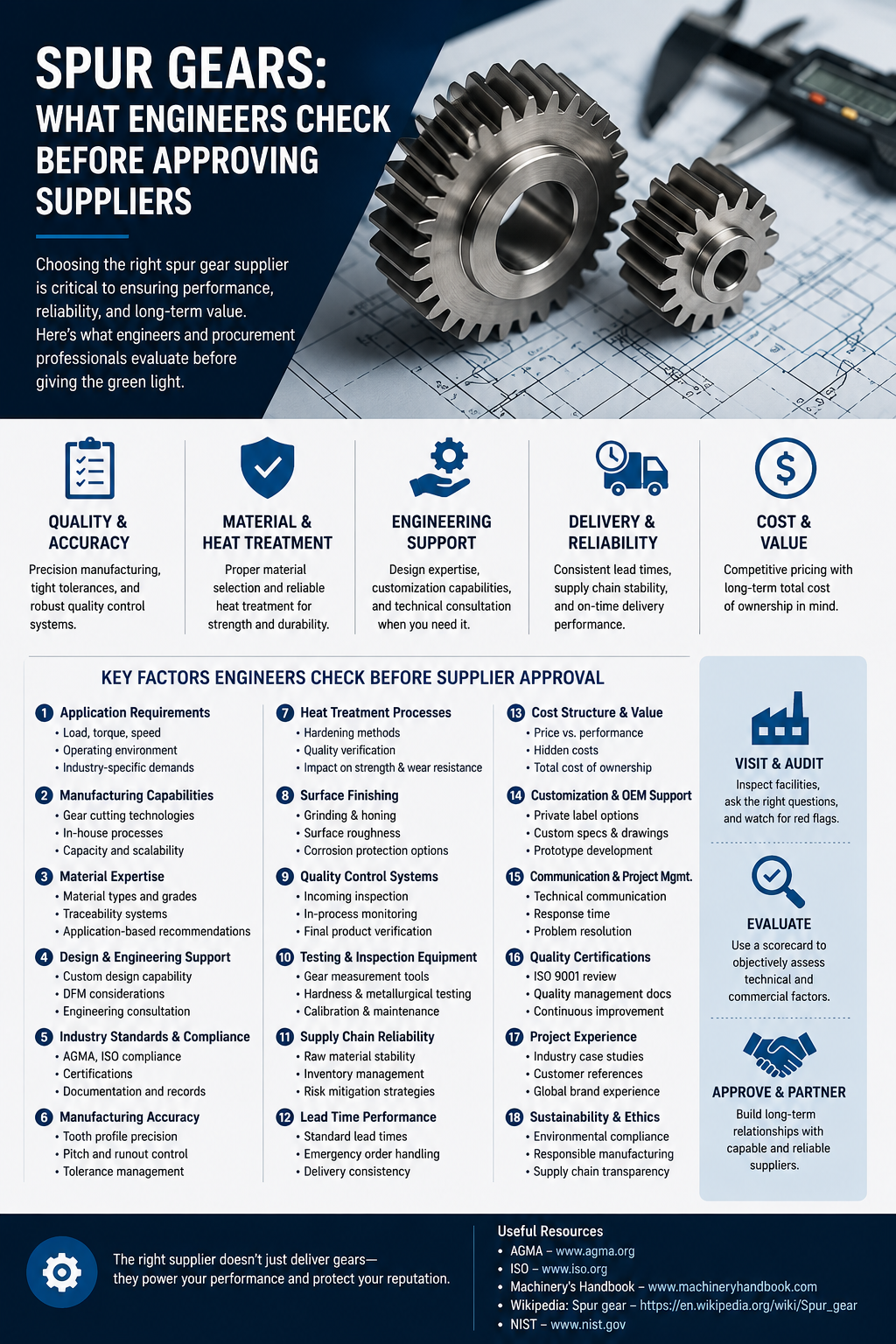
Procurement professionals must carefully assess supplier capabilities before making purchasing decisions. Key evaluation criteria include:
- Material certifications
- Inspection reports
- Heat treatment documentation
- Dimensional accuracy records
- Industry certifications
- Traceability systems
Reliable suppliers consistently provide transparent documentation that supports product quality claims. For reference on quality standards in mechanical components, see ASME Standards.
13.2 Sourcing from OEM/ODM Manufacturers
Working directly with OEM and ODM manufacturers offers several advantages:
- Customization flexibility
- Competitive pricing
- Streamlined communication
- Faster engineering support
- Better quality control visibility
Experienced manufacturers often possess extensive application knowledge, allowing them to recommend design improvements that enhance performance and reduce costs. For procurement teams, establishing long-term supplier partnerships frequently yields significant strategic benefits.
13.3 Cost vs Performance Analysis
The lowest purchase price does not always represent the best value. Procurement engineers should evaluate:
- Service life
- Maintenance requirements
- Energy efficiency
- Downtime risk
- Replacement frequency
- Total ownership cost
A premium gear set that operates reliably for years may ultimately cost far less than a cheaper alternative requiring frequent replacement. Smart buyers focus on lifecycle economics rather than unit price alone.
14. Innovations in Miter Gear Technology
14.1 Advanced Manufacturing Techniques
Modern manufacturing technologies have dramatically improved gear quality. Innovations include:
- Five-axis CNC machining
- Precision grinding
- Automated inspection systems
- Additive manufacturing support
- Digital quality monitoring
These technologies enable tighter tolerances, improved consistency, and greater production efficiency.
14.2 Smart Monitoring and IoT Integration
Industrial equipment is becoming increasingly intelligent. Sensors embedded within gearboxes can monitor:
- Temperature
- Vibration
- Lubrication condition
- Load fluctuations
- Rotational speed
Real-time data enables predictive maintenance strategies that reduce unexpected downtime and extend component lifespan. This shift from reactive maintenance to predictive maintenance represents one of the most significant advancements in modern industrial operations.
14.3 Future Trends in High Torque Solutions
Future developments are expected to focus on:
- Higher efficiency designs
- Lightweight materials
- Advanced coatings
- AI-assisted monitoring
- Digital twin technology
As industrial systems become more interconnected, miter gears will continue evolving to meet increasingly demanding performance requirements.
15. Case Studies and Real-World Examples
15.1 Industrial Machinery Success Stories
A large manufacturing facility operating heavy conveyor systems experienced repeated gearbox failures due to excessive loading. After implementing custom-engineered spiral miter gears featuring optimized tooth geometry and enhanced heat treatment, the company achieved:
- Increased service life
- Reduced downtime
- Lower maintenance expenses
- Improved operational reliability
The project demonstrated the importance of application-specific engineering.
15.2 Automotive High Torque Applications
Performance vehicle manufacturers frequently rely on precision bevel and miter gear assemblies to manage significant drivetrain loads. Advanced metallurgy and precision manufacturing techniques allow these gears to withstand extreme operating conditions while maintaining smooth power delivery.
Such applications highlight the remarkable strength-to-size ratio achievable with modern gear technology. More information can be found at Automotive World.
15.3 Lessons Learned from Maintenance Data
Maintenance records often reveal valuable insights regarding gear performance. Common findings include:
- Lubrication quality significantly impacts lifespan
- Misalignment accelerates wear
- Temperature monitoring improves reliability
- Predictive maintenance reduces downtime
Organizations that systematically analyze maintenance data frequently achieve superior equipment performance and lower operating costs.
16. Conclusion and Key Takeaways
16.1 Summary of Benefits for High Torque Applications
Miter gears remain one of the most effective solutions for transmitting power between intersecting shafts in high-torque environments. Their ability to combine efficiency, durability, and precision makes them indispensable across numerous industries.
When properly designed and manufactured, they deliver exceptional performance even under demanding operating conditions.
16.2 Best Practices for Procurement Professionals
Procurement teams should prioritize:
- Supplier expertise
- Material quality
- Manufacturing precision
- Inspection capability
- Technical support
- Total lifecycle value
A strategic sourcing approach helps ensure long-term reliability while controlling overall operating costs.
16.3 Final Thoughts on Efficiency and Reliability
In modern industrial environments, equipment reliability directly impacts profitability. Miter gears may appear to be relatively small components within a larger system, but their influence on efficiency, uptime, and maintenance costs is substantial.
For engineers and procurement professionals alike, selecting the right miter gear solution is not merely a purchasing decision—it is an investment in productivity, operational stability, and long-term performance. As technology continues to advance, miter gears will remain a cornerstone of efficient high-torque power transmission systems across the global manufacturing landscape.
For further technical insights on bevel gears, visit ScienceDirect Engineering Resources.