Table of Contents
Worm Gear vs Spur Gear Reducing Maintenance Challenges
1. Introduction to Worm Gear vs Spur Gear Maintenance Challenges
1.1 Overview of Gear Types in Mechanical Systems
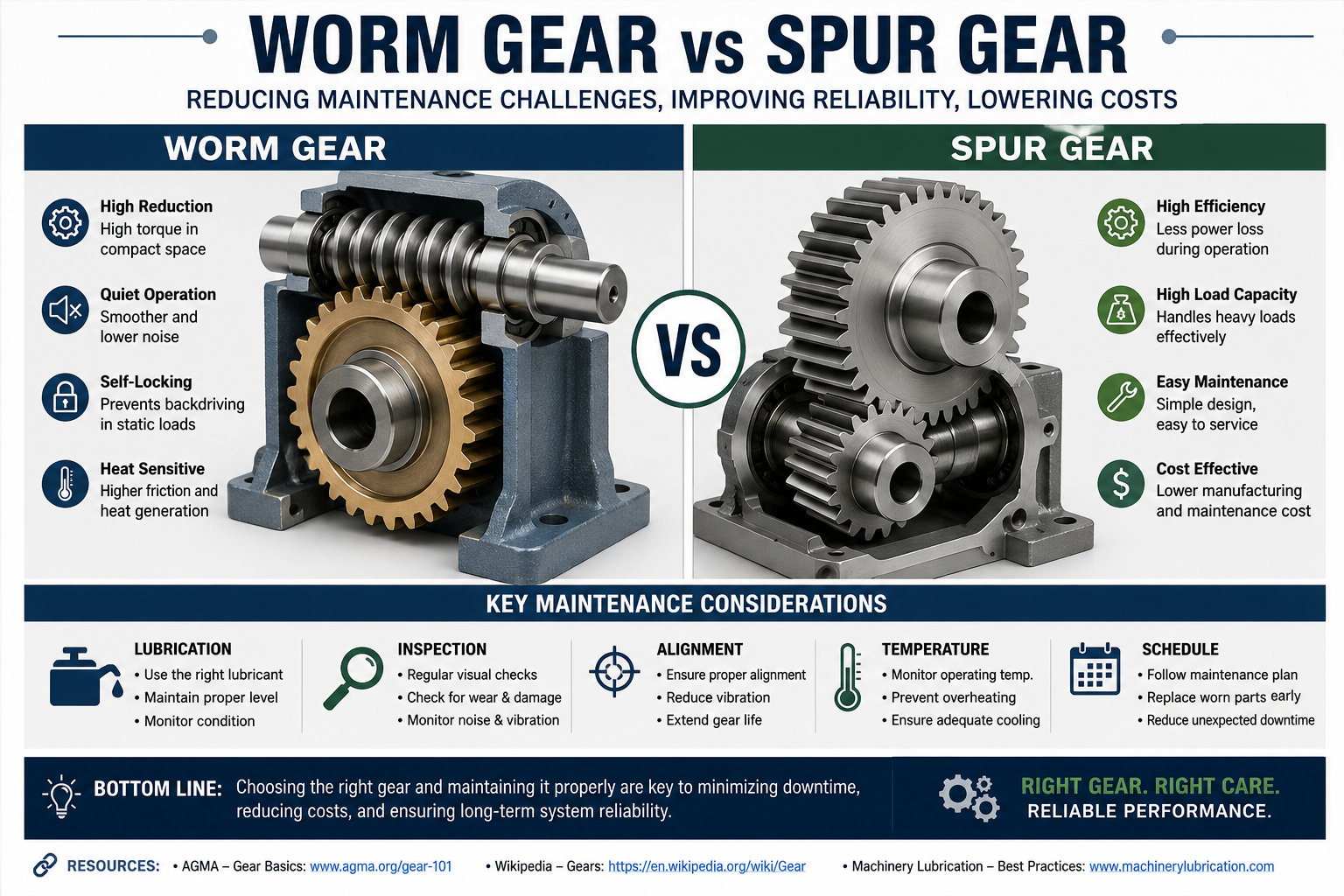
Gears are the unsung heroes of mechanical systems, silently orchestrating torque transmission, speed regulation, and load distribution. Among the myriad types, worm gears and spur gears dominate industrial applications due to their distinct mechanical characteristics and operational versatility. While spur gears boast simplicity with straight teeth aligned parallel to the shaft, worm gears feature a helical, screw-like worm that meshes with a toothed wheel at a perpendicular angle, creating high torque transmission with compact design. Understanding these types is crucial for engineers and procurement specialists seeking efficiency, longevity, and minimal maintenance overhead.
1.2 Importance of Maintenance in Gear Performance
Maintenance is the linchpin that separates a smoothly humming gear train from a grinding, costly nightmare. Proper upkeep extends gear life, preserves torque efficiency, and prevents catastrophic failures that could halt production lines. Neglecting maintenance not only escalates repair costs but also compromises system reliability, creating ripple effects across supply chains and operational throughput. In short, maintenance is the invisible shield safeguarding both performance and profit margins.
1.3 Objectives of Reducing Maintenance Challenges
Reducing maintenance challenges isn’t just about cutting costs; it’s about creating operational resilience. Objectives include extending gear lifespan, preventing unscheduled downtime, minimizing friction-induced energy losses, and streamlining procurement cycles. For procurement engineers, these goals translate into selecting gear types that align with long-term reliability, sourcing high-quality materials, and establishing preventive maintenance frameworks that keep production humming like clockwork.
2. Understanding Worm Gears
2.1 Structure and Function of Worm Gears
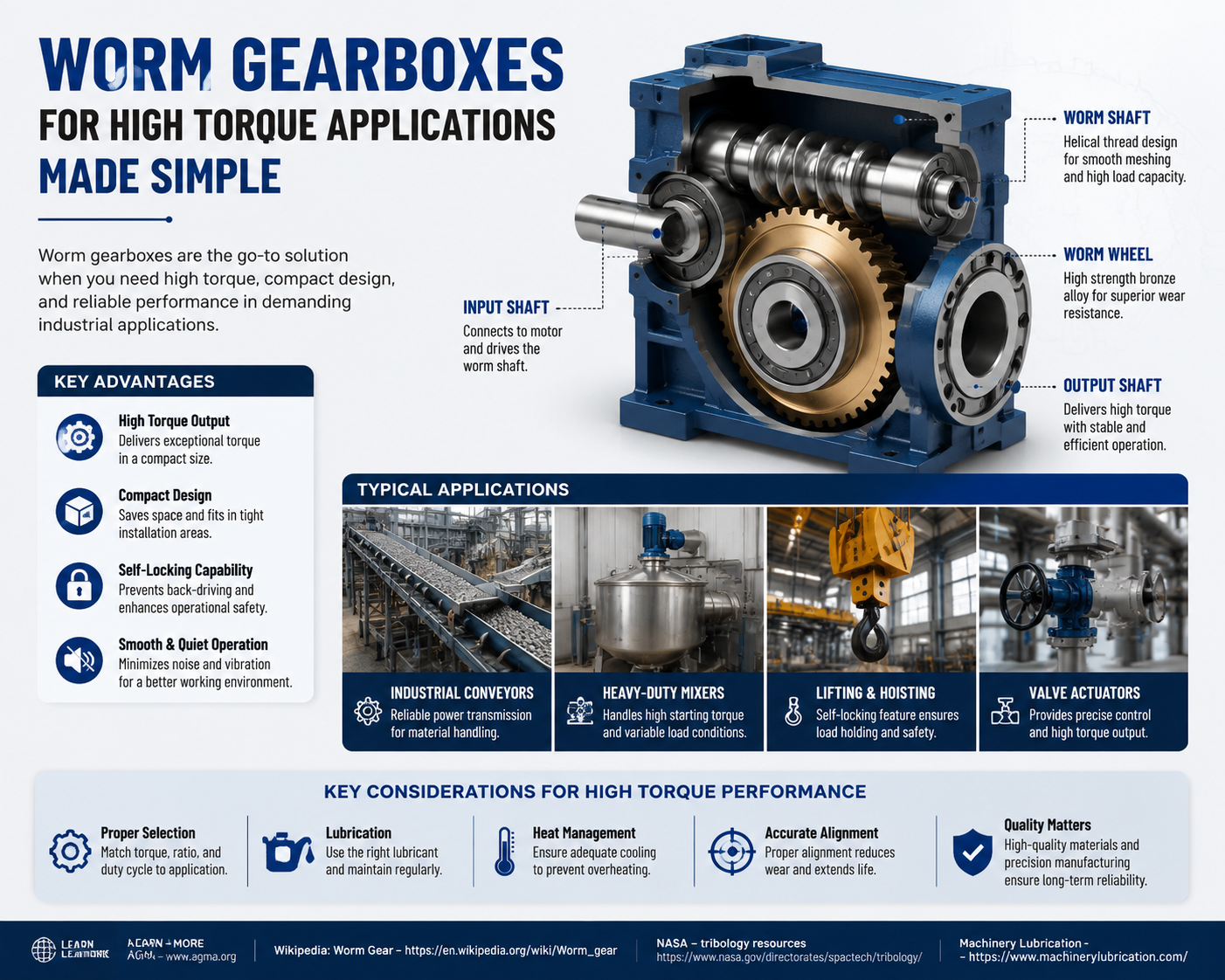
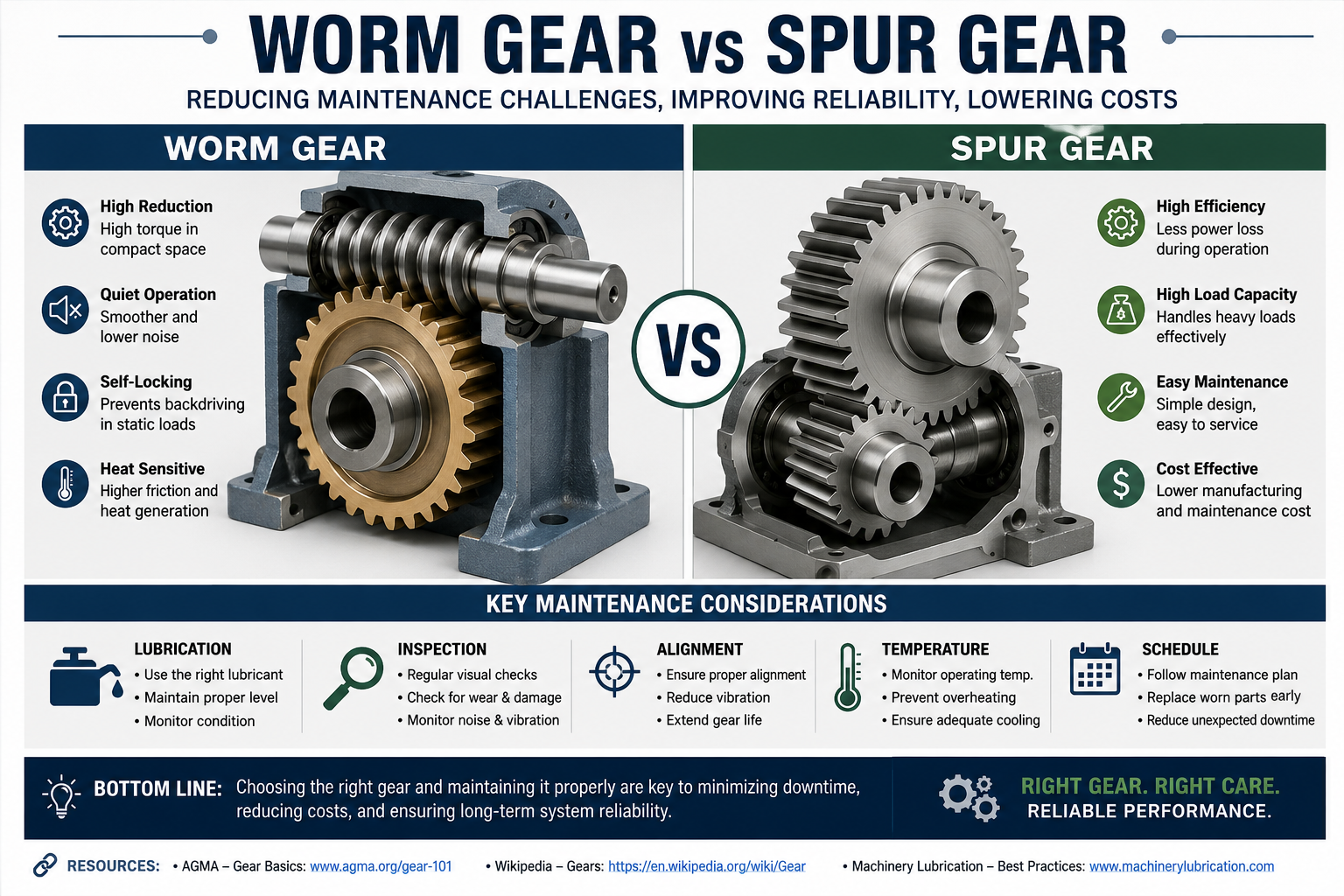
Worm gears consist of a cylindrical worm meshing with a worm wheel, forming a 90-degree transmission axis. Their defining characteristic is the sliding action between worm and wheel teeth, which produces significant mechanical advantage, high torque multiplication, and self-locking capabilities. This makes them ideal for load-heavy applications where precise movement is paramount, but it also introduces wear points requiring meticulous attention.
2.2 Typical Applications in Industry
Industries ranging from heavy-duty conveyors to packaging machinery and elevators rely on worm gears for controlled, high-torque motion. They shine in applications demanding quiet operation and compact footprints. In procurement circles, these applications are scrutinized to ensure gears meet rigorous specifications for load, efficiency, and operational lifespan.
2.3 Common Maintenance Issues with Worm Gears
Worm gears are notorious for lubrication challenges, heat generation, and gradual tooth surface wear. Over time, sliding friction can lead to scoring, material deformation, and increased backlash, which may necessitate costly downtime if left unchecked. For procurement engineers, understanding these failure modes is essential for sourcing gears that mitigate these issues.
3. Understanding Spur Gears
3.1 Structure and Function of Spur Gears
Spur gears are the workhorses of mechanical design, featuring straight teeth cut parallel to the axis of rotation. Their direct engagement ensures high efficiency and minimal sliding friction, resulting in predictable wear patterns and straightforward maintenance protocols. This simplicity makes them the default choice in many medium- to high-speed applications.
3.2 Typical Applications in Industry
From automotive transmissions to industrial mixers, spur gears dominate sectors requiring precise rotational synchronization and efficient power transmission. Their robust design supports high-speed operations with minimal backlash, making them a staple in both OEM and aftermarket supply chains.
3.3 Common Maintenance Issues with Spur Gears
Despite their simplicity, spur gears are not invincible. Tooth chipping, pitting from cyclic stress, and misalignment-induced vibration can degrade performance. Regular inspection, lubrication, and load management are crucial to prevent costly operational interruptions, especially in high-torque environments.
4. Key Differences Between Worm Gears and Spur Gears
4.1 Load Handling Capabilities
Worm gears excel at transmitting high torque at low speeds, whereas spur gears are more suited for moderate torque at higher speeds. Understanding these capabilities helps procurement engineers match gear selection to application demands, avoiding under- or over-specification pitfalls.
4.2 Efficiency and Wear Patterns
Spur gears generally outperform worm gears in efficiency due to reduced sliding friction, but worm gears provide self-locking benefits. This efficiency tradeoff directly influences wear patterns, with worm gears requiring more robust lubrication strategies to combat surface fatigue.
4.3 Impact on Maintenance Frequency
The inherent design differences dictate maintenance intervals. Spur gears often allow extended inspection cycles with routine lubrication, while worm gears necessitate closer monitoring to prevent heat-induced tooth deformation and lubrication breakdown.
5. Identifying Maintenance Challenges in Gear Systems
5.1 Wear and Tear Factors
Both gear types face mechanical fatigue, abrasive wear, and pitting from repeated stress cycles. Environmental conditions, load fluctuations, and misalignment exacerbate these wear phenomena, making proactive monitoring non-negotiable.
5.2 Lubrication and Friction Concerns
Lubrication isn’t just oiling the cogs—it’s a science. Worm gears rely on high-viscosity lubricants to maintain a protective film under sliding conditions, while spur gears require lower-viscosity solutions optimized for rotational efficiency. Neglecting this can turn a precision gear assembly into a squeaky, heat-emitting liability.
5.3 Alignment and Load Distribution Issues
Improper alignment creates uneven load distribution, accelerating tooth wear and increasing vibration. Both worm and spur gears suffer from this, but the consequences are amplified in worm gears due to their sliding contact, making precision alignment a critical procurement and maintenance consideration.
6. Common Failures in Worm Gears
6.1 Tooth Surface Damage
Sliding friction causes gradual surface scoring and pitting, which over time can compromise torque transfer and increase backlash.
6.2 Shaft Misalignment
Even minor misalignment can lead to accelerated wear, noisy operation, and eventual gear seizure.
6.3 Gear Backlash and Noise Issues
Backlash increases with wear and poor lubrication, affecting positional accuracy and introducing unwanted vibration and noise into the system.
7. Common Failures in Spur Gears
7.1 Tooth Breakage and Chipping
Cyclic stress and impact loads can fracture teeth, particularly in high-speed applications or when poorly lubricated.
7.2 Bearing Stress and Wear
Mismanaged loads transmit excessive forces to bearings, shortening their service life and compromising the entire gear assembly.
7.3 Misalignment and Vibration
Even slight angular deviations can induce oscillations, reducing efficiency and potentially causing catastrophic failure.
8. Lubrication Strategies for Worm Gears
8.1 Selecting the Right Lubricant
High-viscosity synthetic oils with anti-wear additives are ideal, forming a durable film under extreme sliding conditions to prevent scoring and metal fatigue. Reference on lubricant selection
8.2 Proper Lubrication Techniques
Direct application to the meshing zone, splash lubrication, or pressurized systems ensures consistent coverage and thermal dissipation, reducing the risk of localized overheating.
8.3 Monitoring Lubricant Condition
Regular analysis of viscosity, contamination, and additive depletion provides early warning signs, allowing timely replacement before irreversible damage occurs.
9. Lubrication Strategies for Spur Gears
9.1 Types of Lubricants Suitable for Spur Gears
Moderate-viscosity oils and greases optimized for rotational efficiency are standard, with extreme-pressure additives deployed for high-load scenarios.
9.2 Applying Lubrication Correctly
Ensure full tooth engagement coverage and avoid over-application, which can attract debris or create churning losses.
9.3 Scheduling Regular Lubrication Checks
Routine checks aligned with operational cycles prevent dryness, pitting, and micro-wear accumulation, preserving both performance and efficiency.
10. Inspection and Monitoring Techniques
10.1 Visual Inspection Methods
Regular hands-on checks for tooth wear, misalignment, and lubrication film integrity help catch problems before they escalate.
10.2 Using Sensors and Condition Monitoring
Vibration sensors, thermal imaging, and acoustic emission monitoring provide real-time insight into gear health, enabling predictive maintenance. ASME Gear Monitoring
10.3 Predictive Maintenance Approaches
Leveraging historical data, AI-driven analysis, and IoT-enabled monitoring allows maintenance to shift from reactive to proactive, reducing unplanned downtime.
11. Reducing Downtime in Worm Gear Systems
11.1 Proactive Replacement of Worn Components
Preemptive swaps of worm or wheel assemblies before end-of-life prevents catastrophic failures and preserves production continuity.
11.2 Optimizing Load Distribution
Load-sharing mechanisms and proper torque alignment extend component life and reduce maintenance frequency.
11.3 Preventing Overheating and Friction
Thermal management, proper lubrication, and ambient monitoring minimize heat-induced stress and sliding wear.
12. Reducing Downtime in Spur Gear Systems
12.1 Timely Repair of Tooth Damage
Small chips or micro-fractures can be addressed immediately, preventing complete gear failure.
12.2 Balancing and Alignment Practices
Ensuring parallelism, shaft alignment, and proper mounting reduces vibration, wear, and bearing strain.
12.3 Implementing Scheduled Maintenance Programs
A regimented inspection and lubrication timetable keeps gears running like clockwork, minimizing unplanned downtime.
13. Material Selection for Longevity
13.1 Worm Gear Materials for Durability
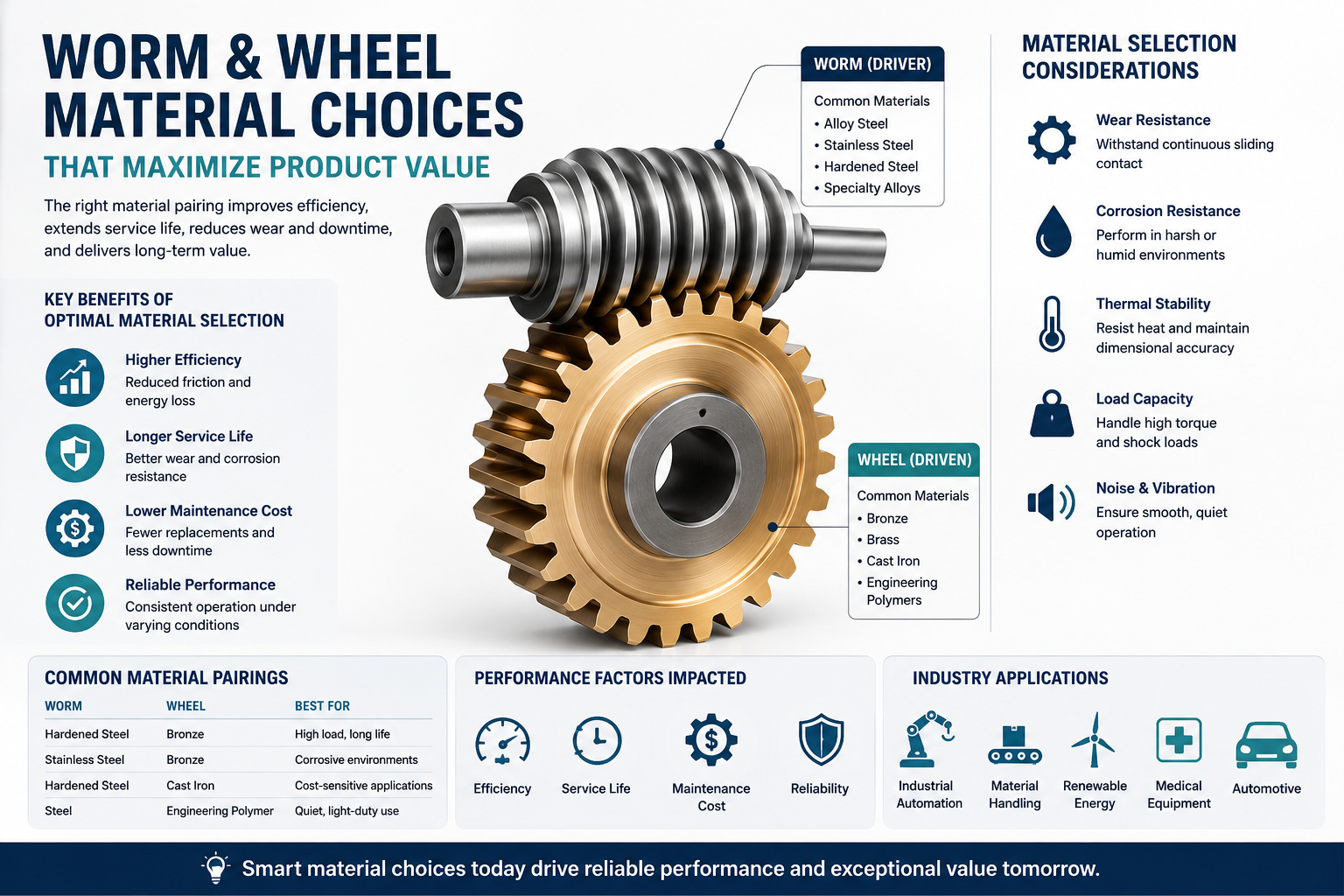
Bronze alloys and case-hardened steels resist wear under sliding stress, extending operational lifespan.
13.2 Spur Gear Materials for Wear Resistance
Alloy steels, carburized and tempered, deliver high fatigue strength and resistance to pitting and chipping.
13.3 Coatings and Treatments to Reduce Maintenance
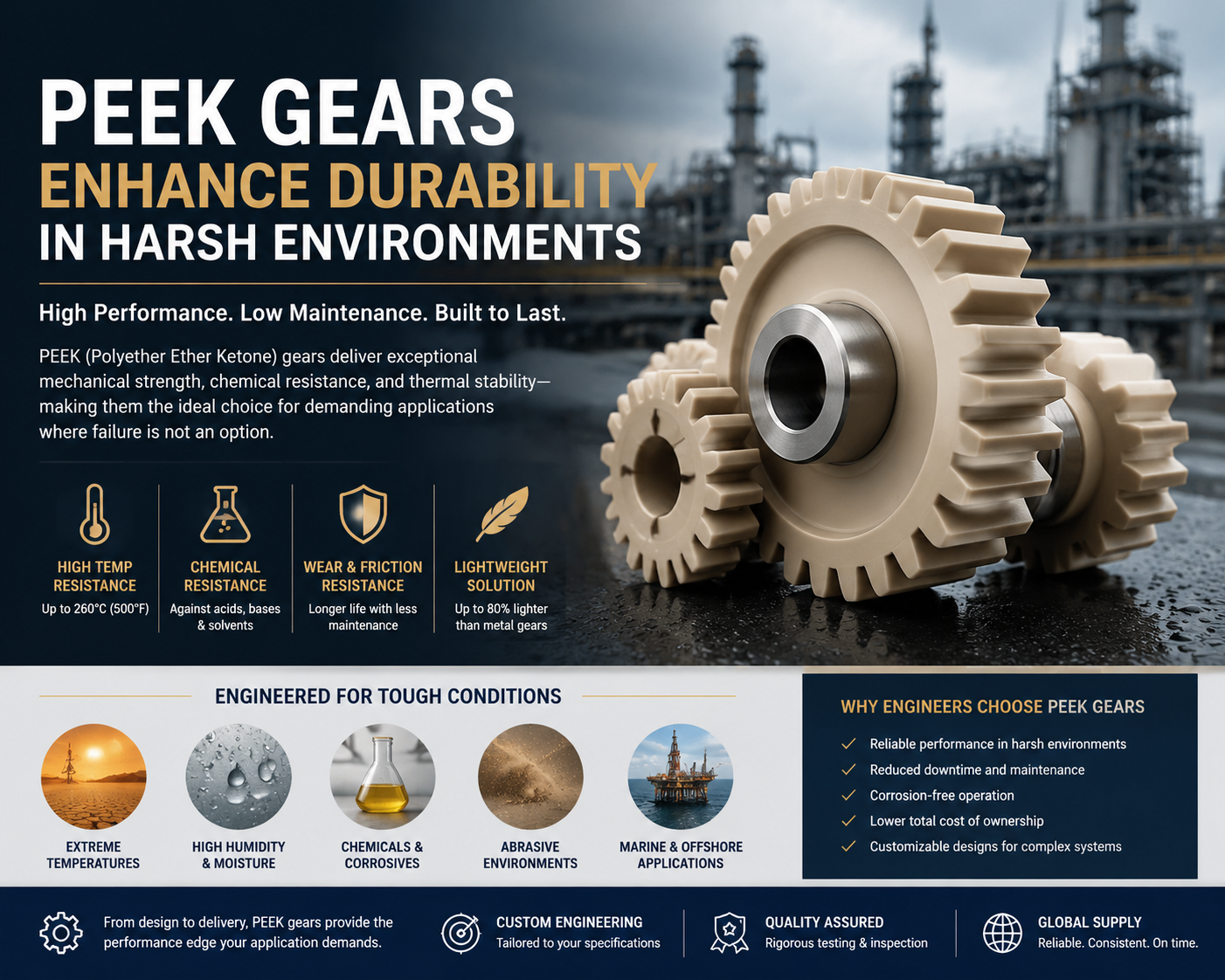
Surface treatments like nitriding, phosphating, or DLC coatings reduce friction, enhance wear resistance, and minimize lubrication demands.
14. Design Considerations to Minimize Maintenance
14.1 Gear Geometry and Load Distribution
Optimized tooth profiles and helix angles improve contact patterns, reducing stress concentrations and wear.
14.2 Tolerance and Fit Optimization
Precision machining and tight tolerances prevent misalignment, backlash, and uneven load distribution.
14.3 Integration of Maintenance-Friendly Features
Features like removable housings, lubrication ports, and modular assemblies facilitate inspections and repairs without major disassembly.
15. Cost Implications of Maintenance Challenges
15.1 Direct Maintenance Costs
Replacement parts, labor, and lubricants constitute immediate costs that can spiral if maintenance is reactive rather than proactive.
15.2 Downtime-Related Losses
Unscheduled production halts translate into lost output, delayed deliveries, and revenue impact, often dwarfing direct maintenance costs.
15.3 Long-Term ROI of Proper Gear Selection
Investing upfront in high-quality, well-suited gears reduces lifecycle costs, downtime, and operational headaches, providing measurable ROI over time.
16. Best Practices for Procurement Professionals
16.1 Selecting the Right Gear Type for Application
Aligning gear selection with operational requirements—torque, speed, environment—ensures longevity and reduces maintenance interventions.
16.2 Partnering with Reliable Manufacturers
Sourcing from trusted OEM/ODM suppliers guarantees adherence to quality standards, material specifications, and tolerance precision.
16.3 Implementing a Maintenance-Focused Procurement Strategy
Procurement teams should consider maintenance needs, total cost of ownership, and replacement cycles to optimize both operational efficiency and budget allocation.
17. Case Studies of Reduced Maintenance Challenges
17.1 Worm Gear Success Stories
Industrial elevators upgraded to bronze-on-steel worm gears with advanced lubrication saw maintenance intervals extended by 40%, eliminating frequent breakdowns.
17.2 Spur Gear Success Stories
High-speed packaging lines using hardened alloy spur gears with predictive vibration monitoring reduced tooth wear failures by 35%, improving throughput.
17.3 Lessons Learned and Key Takeaways
Proactive design, proper lubrication, and precision sourcing consistently translate into reduced maintenance challenges, extended component life, and improved operational efficiency. NASA Gear Case Study
18. Conclusion and Key Recommendations
18.1 Summary of Maintenance Reduction Strategies
A combination of material selection, lubrication, alignment, and monitoring constitutes the bedrock of maintenance reduction for both worm and spur gears.
18.2 Choosing Between Worm Gear and Spur Gear
Decision-making hinges on torque requirements, speed, spatial constraints, and maintenance appetite, balancing efficiency with operational resilience.
18.3 Final Tips for Mechanical Engineers and Procurement Teams
Invest in precision components, establish predictive maintenance protocols, and partner with reliable suppliers—because a gear running smoothly today keeps the engineers and procurement teams out of firefighting mode tomorrow.