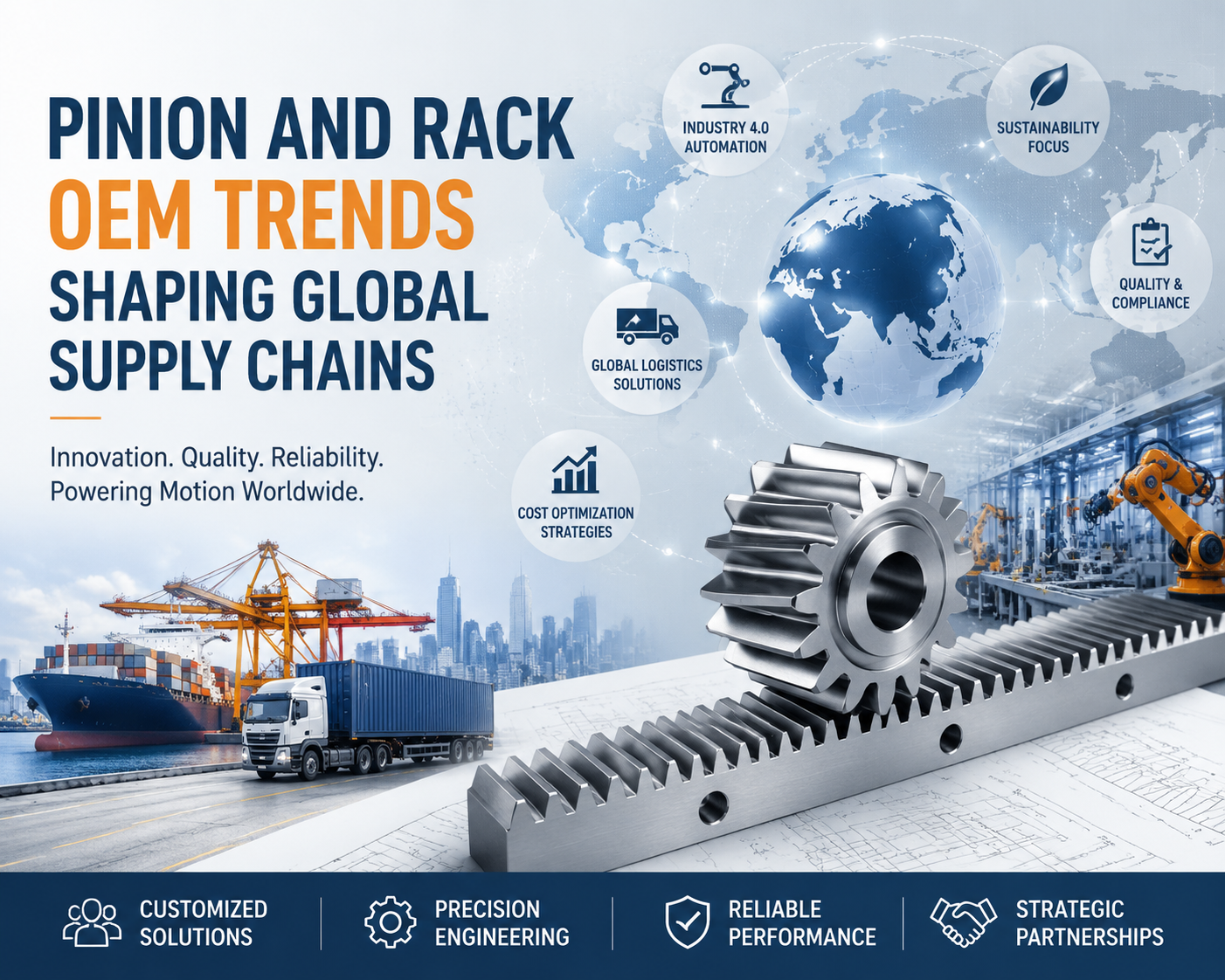

The global manufacturing ecosystem is undergoing profound transformation as automation, robotics, precision engineering, and supply chain diversification continue reshaping industrial production. Within this evolving environment, pinion and rack systems have emerged as mission-critical components supporting modern mechanical infrastructure across automotive, robotics, logistics, aerospace, heavy machinery, and industrial automation sectors.
1. Introduction to the Global Pinion and Rack Market
Growing demand across industrial sectors
The industrial appetite for pinion and rack systems has been nothing short of voracious over the past decade. From automated production lines to massive heavy-equipment assemblies, these systems provide precise linear motion conversion that remains indispensable across countless applications. Procurement professionals are increasingly focused on reliability, tolerance consistency, and long-term durability as operational expectations become more demanding.
Demand growth is heavily driven by electric vehicle production, warehouse automation, robotics, and intelligent manufacturing systems. Even small dimensional inconsistencies can create significant operational inefficiencies, resulting in costly downtime and premature component wear.
Why OEM partnerships matter in modern manufacturing
OEM partnerships have evolved into strategic collaborations rather than simple transactional supplier relationships. Procurement engineers increasingly rely on OEM manufacturers capable of delivering custom-engineered solutions tailored to torque requirements, environmental conditions, and precision specifications.
Direct cooperation with OEM suppliers also improves communication efficiency, accelerates prototype revisions, and minimizes quality inconsistencies commonly associated with secondary trading companies.
How global supply chains are evolving
Global supply chains are becoming increasingly digitized, resilient, and data-driven. Manufacturers and procurement teams now depend on predictive analytics, real-time logistics monitoring, and diversified sourcing strategies to navigate geopolitical instability and transportation disruptions.
Supply chain management has become less about simple purchasing and more about long-term strategic planning designed to maintain uninterrupted production continuity.
2. Understanding Pinion and Rack Systems
Basic structure and working principles
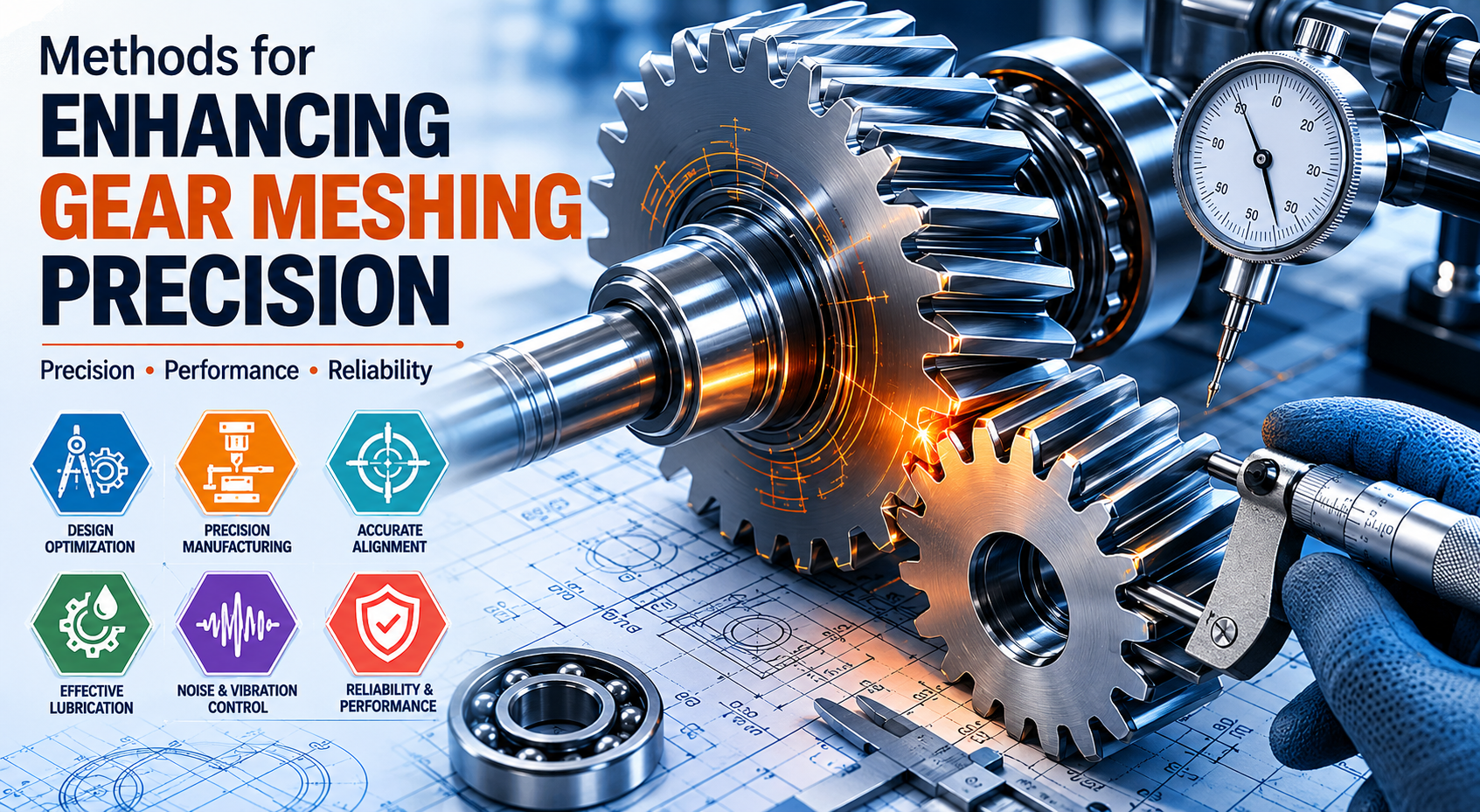
A rack and pinion system converts rotational motion into linear motion through the engagement of a circular gear and a linear toothed rack. Despite the apparent simplicity of this mechanism, engineering precision remains critical for achieving smooth operation and minimizing backlash.
Learn more about rack and pinion mechanisms at Wikipedia Rack and Pinion .
Common materials and manufacturing methods
Alloy steels such as 20CrMnTi, 40Cr, and 42CrMo are frequently selected due to their excellent hardness and fatigue resistance. Manufacturing processes include CNC machining, gear hobbing, grinding, shaving, carburizing, nitriding, and induction hardening.
Material selection directly affects load capacity, wear resistance, operational lifespan, and environmental adaptability.
Key industrial applications worldwide
Pinion and rack systems are extensively used in automotive steering systems, CNC equipment, robotics, logistics conveyors, aerospace systems, and heavy industrial machinery.
Additional manufacturing references are available at National Institute of Standards and Technology .
3. The Rise of OEM and ODM Manufacturing in China
Why global brands choose Chinese manufacturers
Chinese OEM and ODM manufacturers have become dominant players in the global mechanical components market because of their integrated industrial ecosystems, advanced machining capabilities, and scalable production capacity.
Global buyers frequently select Chinese suppliers because they combine competitive pricing with increasingly sophisticated engineering expertise.
Cost advantages versus regional suppliers
Lower labor costs, localized raw material availability, and extensive supplier clustering contribute to lower manufacturing expenses compared to many Western production regions.
Economies of scale further enhance pricing competitiveness, especially for high-volume procurement.
Scalability for high-volume procurement
Chinese OEM suppliers are highly capable of scaling production volumes rapidly without substantial sacrifices in quality or delivery reliability.
This scalability is particularly advantageous for global brands launching new automation, robotics, or EV production programs.
4. Key Industries Driving Pinion and Rack Demand
Automotive and electric vehicle production
Electric vehicles and advanced steering systems require increasingly precise rack and pinion assemblies. Reduced noise, minimized backlash, and long operational life are now baseline requirements.
Industrial automation and robotics
Automated production systems depend heavily on precision linear motion components capable of delivering repeatable accuracy across millions of operational cycles.
Construction and heavy machinery
Heavy-duty industrial equipment requires highly durable pinion and rack systems capable of operating under severe load conditions, abrasive environments, and fluctuating temperatures.
5. Automation Trends Transforming OEM Production
Smart factories and digital manufacturing
Smart manufacturing facilities integrate IoT devices, automated monitoring systems, and real-time data analysis to optimize productivity and minimize downtime.
Learn more about smart manufacturing at McKinsey Smart Manufacturing .
CNC machining advancements
Multi-axis CNC systems now deliver extraordinary dimensional precision while reducing setup time and increasing repeatability across production batches.
AI-powered quality inspection systems
AI-enabled inspection systems use machine vision technology to detect microscopic defects and dimensional deviations with remarkable accuracy.
6. Supply Chain Challenges Facing Global Buyers
Raw material price volatility
Steel and alloy prices continue fluctuating due to geopolitical instability, mining restrictions, energy costs, and changing global demand patterns.
International shipping and logistics delays
Port congestion, freight shortages, customs inspections, and fuel cost increases continue affecting global transportation reliability.
Geopolitical risks and trade regulations
Trade tariffs, export restrictions, and international political tensions increasingly influence procurement strategy and sourcing diversification efforts.
7. How OEM Suppliers Are Improving Lead Times
Localized component sourcing strategies
Suppliers are increasingly developing regional sourcing ecosystems to reduce dependency on imported materials and shorten production cycles.
Lean manufacturing implementation
Lean production methodologies help reduce waste, improve workflow efficiency, and accelerate production throughput.
Inventory forecasting and warehouse optimization
Advanced ERP systems and predictive analytics improve inventory planning and reduce fulfillment delays.
8. Quality Standards Reshaping Procurement Decisions
ISO certifications and compliance requirements
Certifications such as ISO 9001 and IATF 16949 have become essential qualification standards for global OEM suppliers.
Precision testing and inspection processes
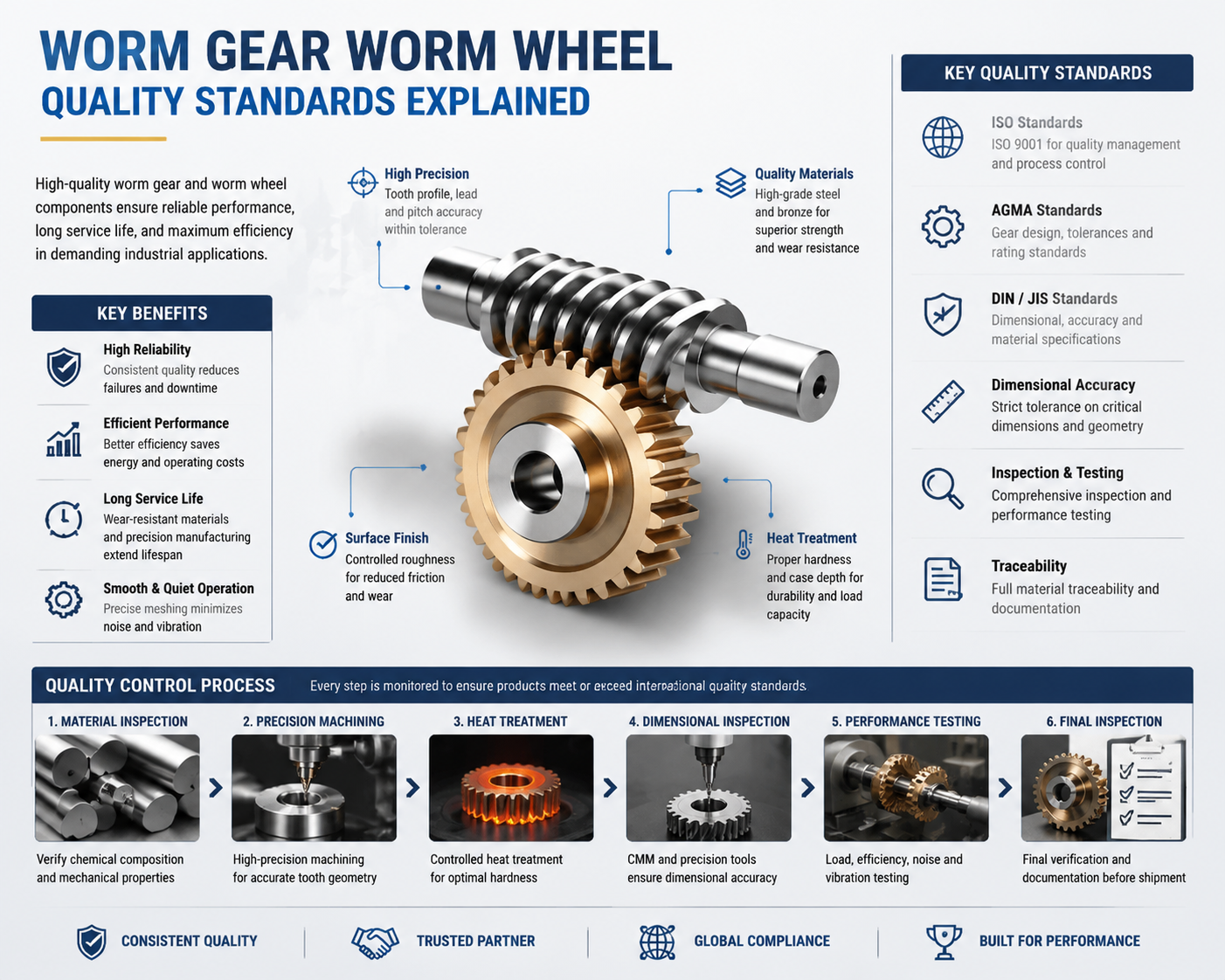
Modern inspection systems include coordinate measuring machines, gear analyzers, hardness testers, and surface roughness measurement equipment.
Traceability and documentation systems
Full production traceability allows buyers to identify material origins, processing history, and batch-specific quality records.
9. Customization Trends in Pinion and Rack Manufacturing
Demand for application-specific designs
Customers increasingly require customized tooth profiles, backlash settings, and corrosion-resistant finishes for specialized industrial applications.
OEM branding and private labeling services
OEM manufacturers increasingly provide private labeling, laser engraving, and branded packaging solutions for global distributors.
Flexible production for low and high MOQ orders
Flexible manufacturing systems allow suppliers to efficiently handle both prototype quantities and high-volume production orders.
10. Sustainability Trends in Global Manufacturing
Eco-friendly material sourcing
Manufacturers are increasingly prioritizing recyclable materials and environmentally responsible steel sourcing practices.
Energy-efficient production systems
Modern CNC machinery and intelligent production systems significantly reduce energy consumption and operational waste.
Carbon reduction expectations from global brands
Global buyers increasingly expect suppliers to provide carbon reduction initiatives, sustainability documentation, and emissions transparency.
11. The Impact of Industry 4.0 on Supply Chains
Real-time production monitoring
Real-time monitoring systems improve production visibility and help manufacturers identify equipment deviations before quality issues occur.
Data-driven procurement decisions
Procurement teams increasingly rely on analytics platforms to evaluate supplier performance, forecast inventory demand, and reduce sourcing risk.
Predictive maintenance in manufacturing
Predictive maintenance systems reduce unexpected downtime by monitoring equipment performance and anticipating maintenance requirements before failures occur.
12. Regional Shifts in Global Supply Chains
China’s continued manufacturing dominance
China remains a dominant global manufacturing hub due to its mature supplier ecosystem, infrastructure investment, and extensive industrial capacity.
Emerging manufacturing hubs in Southeast Asia
Vietnam, Thailand, Malaysia, and Indonesia are becoming increasingly important alternative sourcing regions for global buyers.
Nearshoring trends in Europe and North America
Nearshoring strategies help reduce transportation lead times and improve supply chain resilience.
13. Cost Optimization Strategies for Procurement Teams
Balancing quality and unit pricing
Procurement teams must carefully balance pricing competitiveness with long-term quality reliability and operational performance.
Reducing total landed costs
Freight expenses, tariffs, warehousing costs, and customs duties all contribute to total procurement costs.
Long-term supplier partnership benefits
Stable supplier relationships often improve pricing consistency, production priority, and engineering support.
14. Risk Management Strategies for OEM Buyers
Multi-supplier sourcing approaches
Multi-supplier sourcing strategies reduce operational vulnerability and improve procurement flexibility.
Supplier audits and factory evaluations
Factory audits help buyers evaluate manufacturing maturity, quality systems, and process discipline.
Managing currency and tariff fluctuations
Procurement teams increasingly use hedging strategies and diversified sourcing to minimize financial exposure.
15. Logistics Innovations Supporting Faster Delivery
Digital freight management systems
Digital logistics systems provide real-time shipment visibility and improve transportation coordination across global supply chains.
Cross-border warehousing solutions
Regional warehouse networks help reduce lead times and improve fulfillment responsiveness.
Improved port and shipping infrastructure
Investments in automated ports and intelligent logistics systems continue improving international transportation efficiency.
16. Technology Innovations in Pinion and Rack Design
Lightweight and high-strength materials
Advanced alloys and engineered materials improve performance while reducing system weight.
Precision engineering for automation systems
Finite element analysis and advanced CAD/CAM software optimize tooth geometry, strength, and motion precision.
Advanced surface treatment technologies
Surface treatments such as nitriding and carburizing improve wear resistance and operational longevity.
17. What Global Brands Expect from OEM Partners
Transparent communication and reporting
Buyers expect proactive updates regarding production schedules, quality performance, and logistics status.
Stable production capacity and consistency
Consistent manufacturing output remains essential for maintaining uninterrupted downstream production operations.
Faster response to engineering changes
Agile suppliers capable of quickly adapting to design modifications maintain stronger long-term partnerships.
18. Future Trends Shaping the Pinion and Rack Industry
Increased demand from robotics and AI industries
Robotics and AI-driven automation continue increasing global demand for ultra-precise linear motion systems.
Expansion of smart manufacturing ecosystems
Fully integrated digital manufacturing networks are improving operational visibility and supply chain responsiveness.
Growing focus on resilient supply chains
Companies increasingly prioritize diversified sourcing strategies and operational resilience planning.
19. How to Select the Right OEM Manufacturer
Evaluating manufacturing capabilities
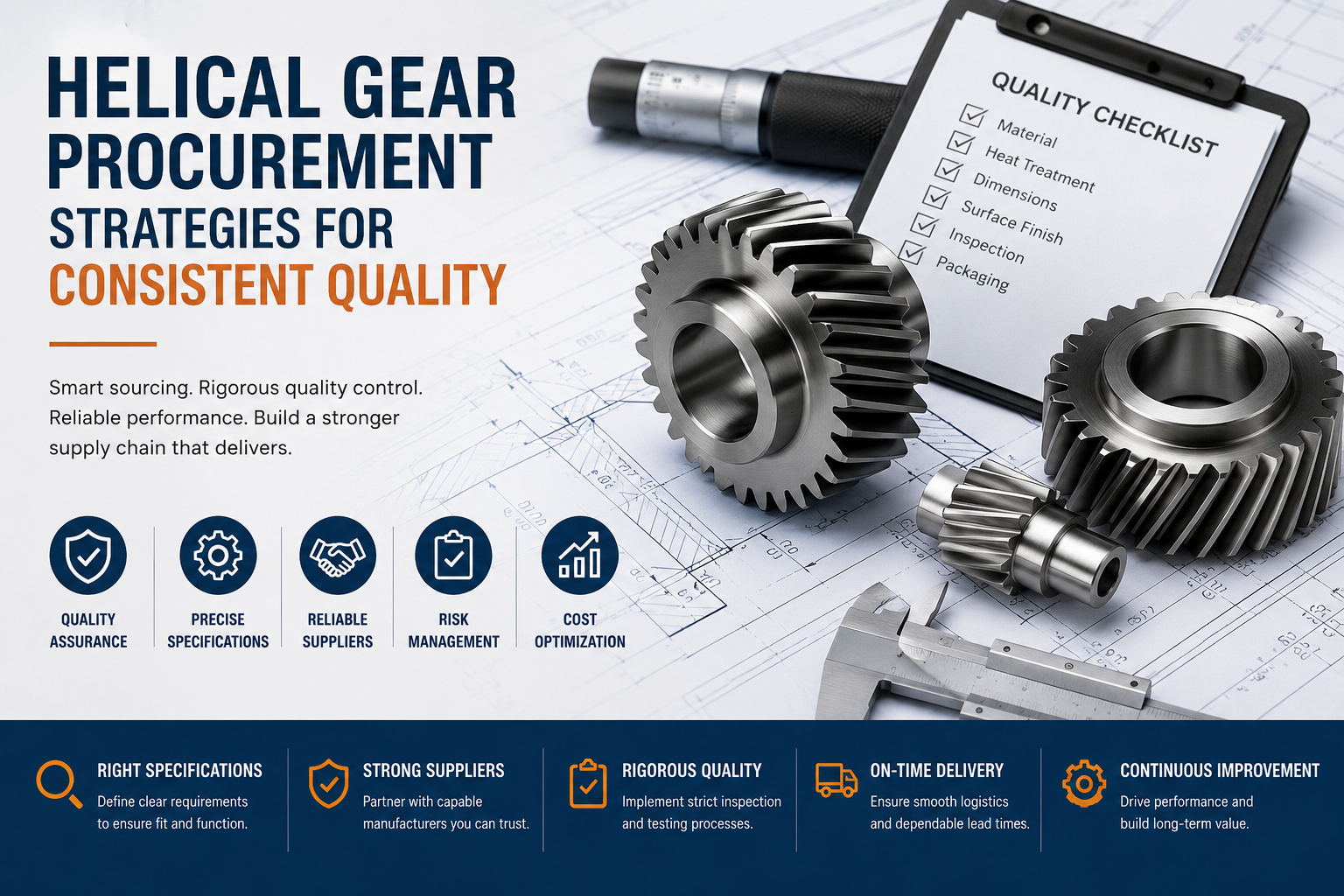
Buyers should carefully assess machining precision, heat treatment consistency, inspection capability, and production scalability.
Assessing engineering and R&D support
Strong engineering collaboration helps optimize product performance and reduce lifecycle costs.
Reviewing quality control and certifications
Comprehensive quality systems and internationally recognized certifications remain essential supplier qualification criteria.
20. Conclusion
Key takeaways for procurement professionals
Modern procurement requires balancing technical precision, supplier reliability, logistics efficiency, and long-term strategic planning.
Long-term opportunities in global sourcing
Global sourcing continues creating opportunities for cost optimization, innovation, and supply chain scalability.
Preparing supply chains for future market changes
Companies that prioritize resilience, supplier collaboration, and technological adaptability will remain competitive in evolving industrial markets.
Additional information about industrial automation can be found at American Society of Mechanical Engineers .