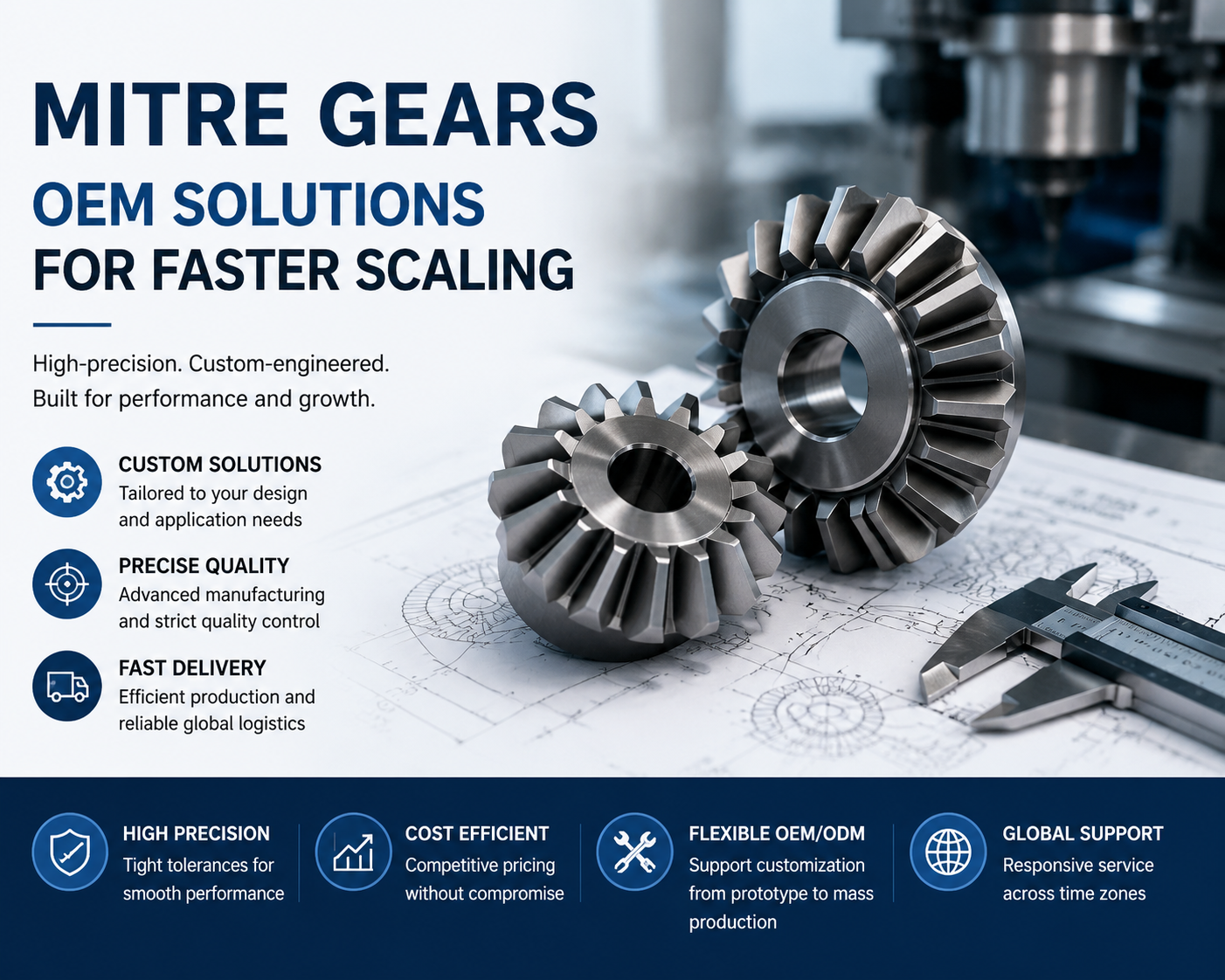
Mitre Gears OEM Solutions for Faster Scaling
1. Introduction to Mitre Gears in Modern Manufacturing
1.1 What Are Mitre Gears
Mitre gears are a specialized type of bevel gear designed to transmit motion between intersecting shafts at a 90-degree angle...
1.2 Key Applications Across Industries
Mitre gears are found in automotive differentials, robotics actuators, conveyor systems, and industrial printing presses...
1.3 Why Global Brands Depend on OEM Suppliers
Global brands rely on OEM suppliers to mitigate risks associated with inconsistent quality and delayed delivery...
2. The Growing Demand for Mitre Gears in Global Markets
2.1 Market Trends Driving Higher Demand
The global appetite for mitre gears is growing due to automation, electrification, and expansion of precision machinery markets...
2.2 Expansion of Automation and Robotics
Robotics and automated production lines increasingly depend on mitre gears for precise angular power transfer...
2.3 Rising Need for Custom Power Transmission Solutions
Brands require tailored solutions to meet unique torque, speed, and spatial requirements, achievable via OEM mitre gears...
3. Why OEM Mitre Gear Solutions Support Faster Business Scaling
3.1 Reducing Production Bottlenecks
OEM suppliers reduce bottlenecks by delivering high-volume, precision-machined mitre gears on schedule...
3.2 Accelerating Product Launch Timelines
Time-to-market is accelerated as OEMs provide production-ready components that meet exacting specifications...
3.3 Supporting Flexible Manufacturing Strategies
OEMs offer agility for flexible manufacturing, allowing quick adjustments to batch sizes, materials, and coatings...
4. Key Advantages of Partnering With a China OEM Manufacturer
4.1 Competitive Production Costs
China-based OEMs leverage economies of scale to deliver mitre gears at competitive price points...
4.2 Large-Scale Manufacturing Capacity
Extensive facilities allow handling large-scale orders, ensuring supply meets rising demand...
4.3 Faster Turnaround for Bulk Orders
Expedited production and shipping for bulk orders ensure timely fulfillment even for urgent projects...
5. Customization Options for OEM Mitre Gears
5.1 Material Selection and Performance Requirements
OEMs offer materials like hardened steel alloys and composites to optimize wear resistance and load capacity...
5.2 Custom Dimensions and Gear Ratios
Custom pitch diameters, tooth profiles, and ratios ensure optimal torque transmission for specific applications...
5.3 Surface Treatments and Heat Treatment Options
Heat treatments like carburizing, nitriding, and specialized coatings enhance gear lifespan and efficiency...
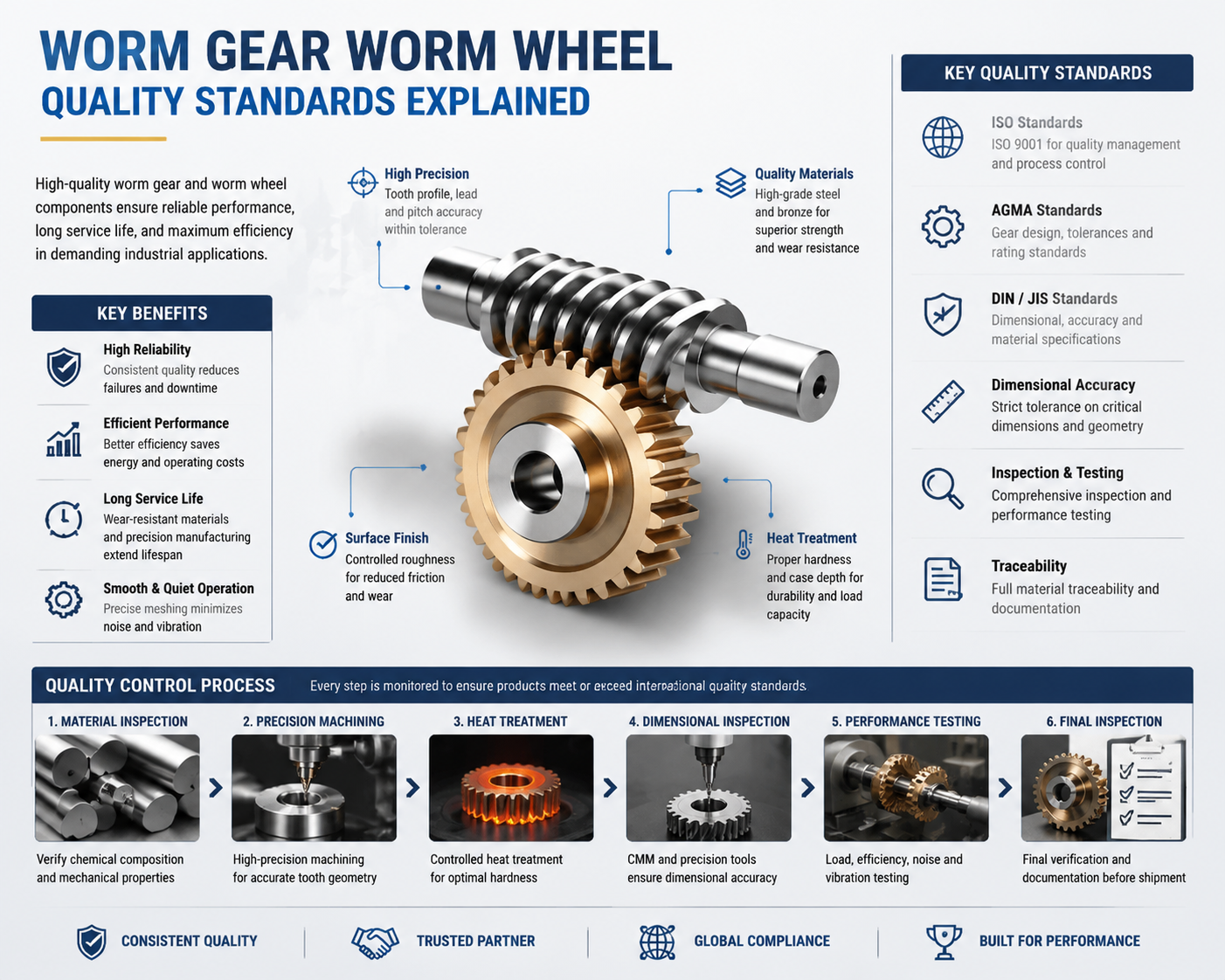
6. Quality Control Standards in Mitre Gear Manufacturing
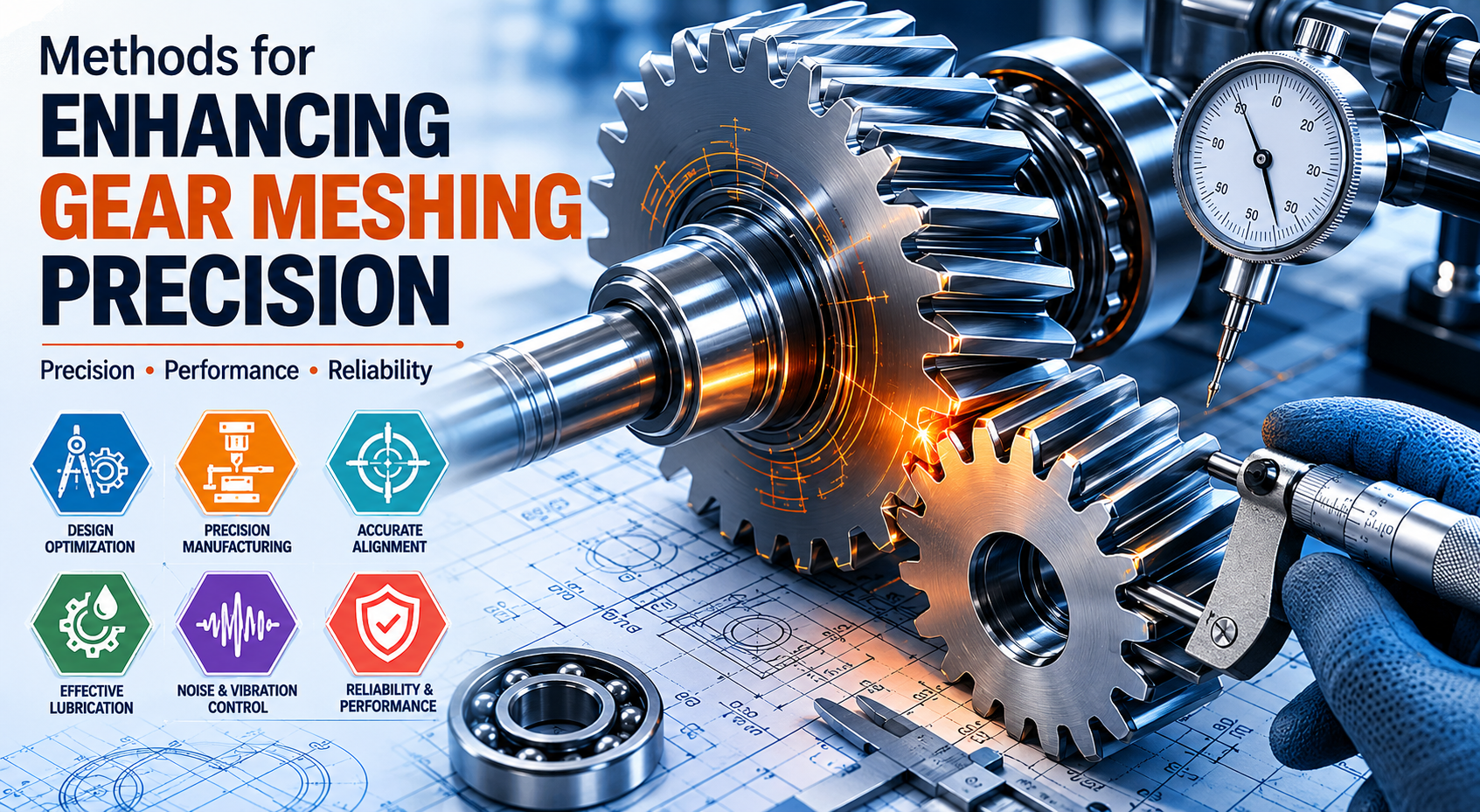
6.1 Precision Machining and Tolerance Control
Advanced CNC machinery ensures tooth profiles, pitch angles, and shaft interfaces are within micrometer-level tolerances...
6.2 Inspection Processes and Testing Equipment
Inspection technologies such as CMM and ultrasonic testing guarantee consistent gear performance...
6.3 International Certifications and Compliance
Compliance with ISO and AGMA standards ensures global quality and safety benchmarks are met...
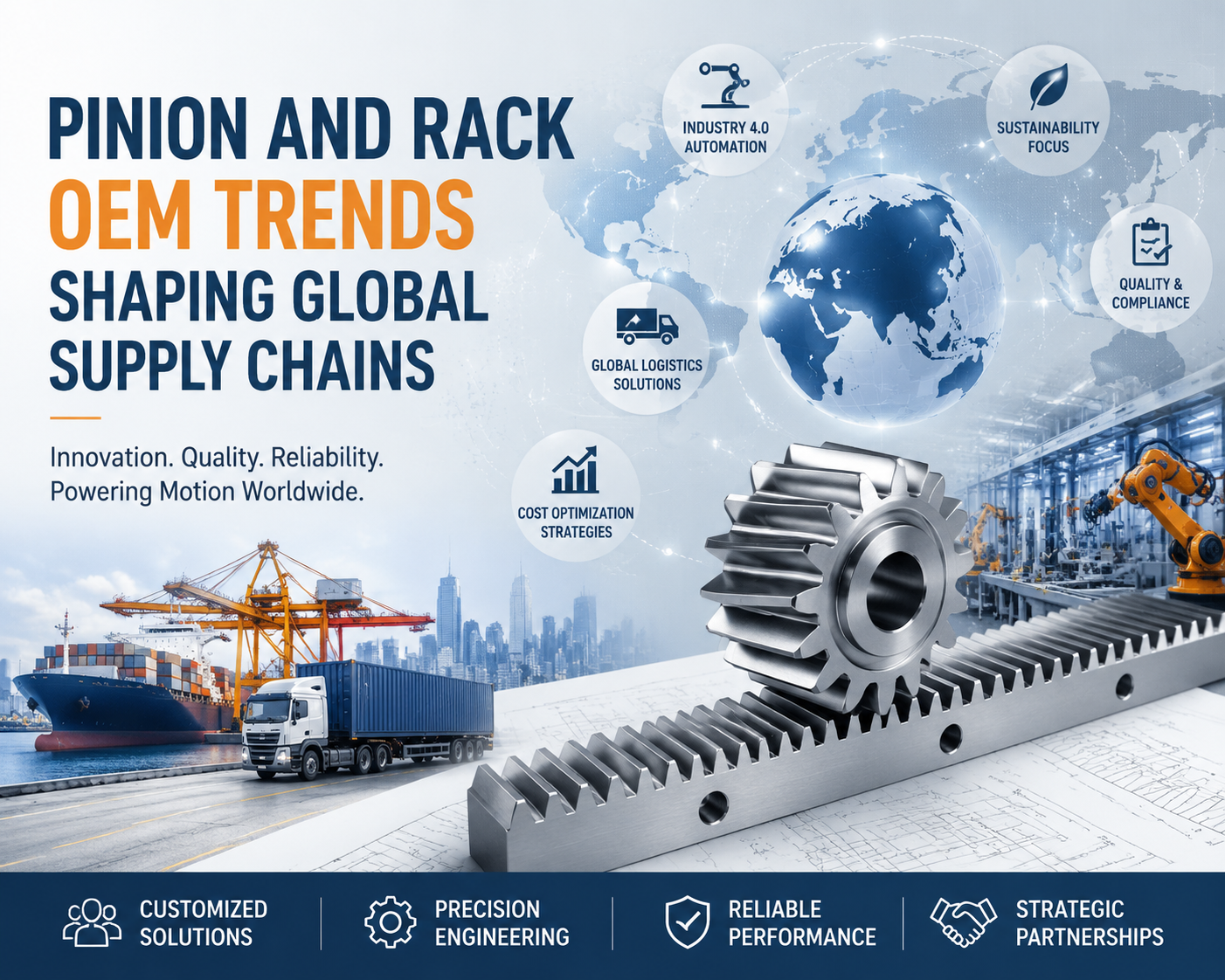
7. How OEM Suppliers Improve Supply Chain Efficiency
7.1 Streamlined Procurement Processes
ERP integration and real-time order tracking simplify procurement for engineers and managers...
7.2 Inventory Management and Safety Stock
OEMs manage buffer inventories and coordinate just-in-time deliveries to reduce downtime...
7.3 Global Shipping and Logistics Support
Experienced OEMs handle customs and international logistics for timely global delivery...
8. Industries That Benefit Most From OEM Mitre Gears
8.1 Automotive and Electric Vehicles
EV drivetrains, hybrid systems, and automotive differentials rely on precision mitre gears...
8.2 Industrial Machinery and Automation
CNC machines, conveyors, and robotic assemblies require compact, high-efficiency motion solutions...
8.3 Agricultural and Construction Equipment
Heavy-duty machinery benefits from mitre gears designed to withstand shock loads and harsh environments...
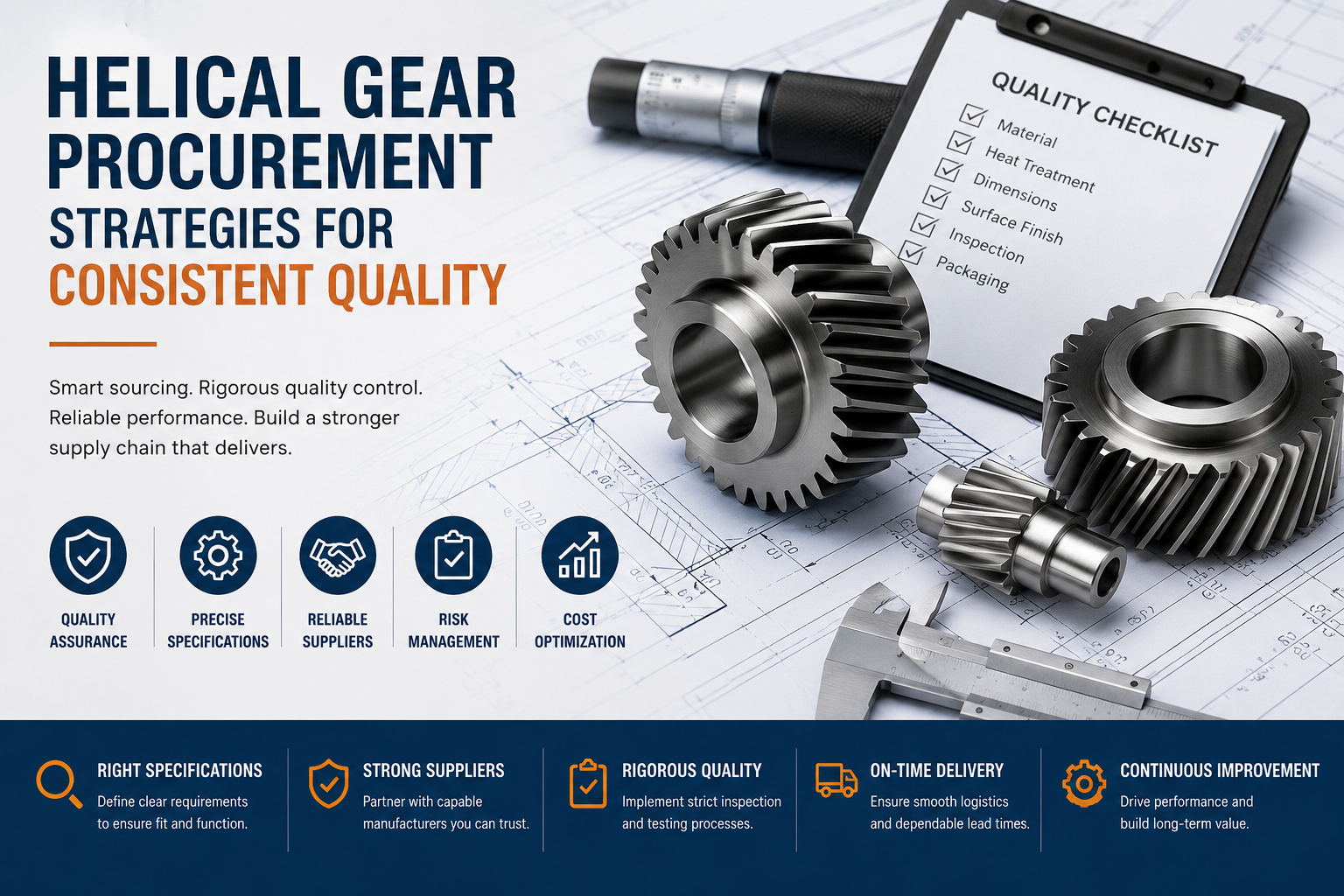
9. Factors Procurement Professionals Should Evaluate
9.1 Supplier Production Capacity
Assess OEM production capacity to ensure supply meets peak demand and scaling goals...
9.2 Engineering and Technical Support
Evaluate the supplier’s technical support and ability to optimize materials and processes...
9.3 Long-Term Reliability and Communication
Consistent communication and a history of reliability are key for long-term partnerships...
10. Common Challenges in Mitre Gear Sourcing
10.1 Inconsistent Product Quality
Variability in machining or heat treatment can lead to premature failures...
10.2 Delayed Delivery Schedules
Shipping delays and production bottlenecks can impact project timelines...
10.3 Hidden Costs in International Procurement
Tariffs, customs fees, and unexpected shipping costs must be considered during procurement...
11. Strategies for Building Long-Term OEM Partnerships
11.1 Establishing Clear Technical Specifications
Precise specs ensure batches meet engineering requirements and reduce rework...
11.2 Creating Stable Forecasting Plans
Sharing production forecasts allows OEMs to allocate resources efficiently...
11.3 Strengthening Collaboration Through Continuous Improvement
Regular review cycles and process optimizations enhance quality and operational efficiency...
12. Technology Innovations in Mitre Gear Manufacturing
12.1 CNC Automation and Smart Manufacturing
Automated CNC machining and real-time monitoring ensure consistent precision...
12.2 Advanced Gear Grinding Techniques
Face hobbing and precision grinding improve gear smoothness and load capacity...
12.3 Digital Quality Monitoring Systems
IoT sensors and digital inspection tools detect deviations early and enable proactive maintenance...
13. Sustainability and Environmental Considerations
13.1 Energy-Efficient Manufacturing Processes
Optimized machining cycles and renewable energy sources reduce environmental impact...
13.2 Sustainable Material Sourcing
Alloys from responsible suppliers and scrap recycling improve sustainability...
13.3 Reducing Waste Through Precision Engineering
High-precision cutting minimizes material waste and reduces disposal costs...
14. Cost Optimization Strategies for Bulk Procurement
14.1 Balancing Price and Product Quality
Negotiating costs without compromising material integrity ensures reliable performance...
14.2 Optimizing Packaging and Shipping Costs
Efficient packing, consolidated shipments, and strategic routing reduce shipping expenses...
14.3 Leveraging Long-Term OEM Contracts
Multi-year agreements secure pricing stability and preferential production slots...
15. Future Trends in the Mitre Gear Industry
15.1 Smart Equipment and Industry 4.0 Integration
Sensors, predictive maintenance, and automated data capture transform manufacturing...
15.2 Increasing Demand for High-Precision Components
Smaller devices and variable loads require ultra-precision mitre gears...
15.3 Global Supply Chain Diversification
Multi-supplier sourcing mitigates risks from tariffs, political instability, or shipping disruptions...
16. Conclusion
16.1 Key Takeaways for Procurement Professionals
Mitre gears influence efficiency, reliability, and scalability; OEM selection ensures quality and timely delivery...
16.2 How OEM Solutions Drive Faster Scaling
OEMs provide custom solutions, manage bulk production, and offer technical expertise to accelerate growth...
16.3 Choosing the Right Mitre Gear Manufacturing Partner
Select a partner with precision engineering, scalable capacity, quality assurance, and responsive communication...