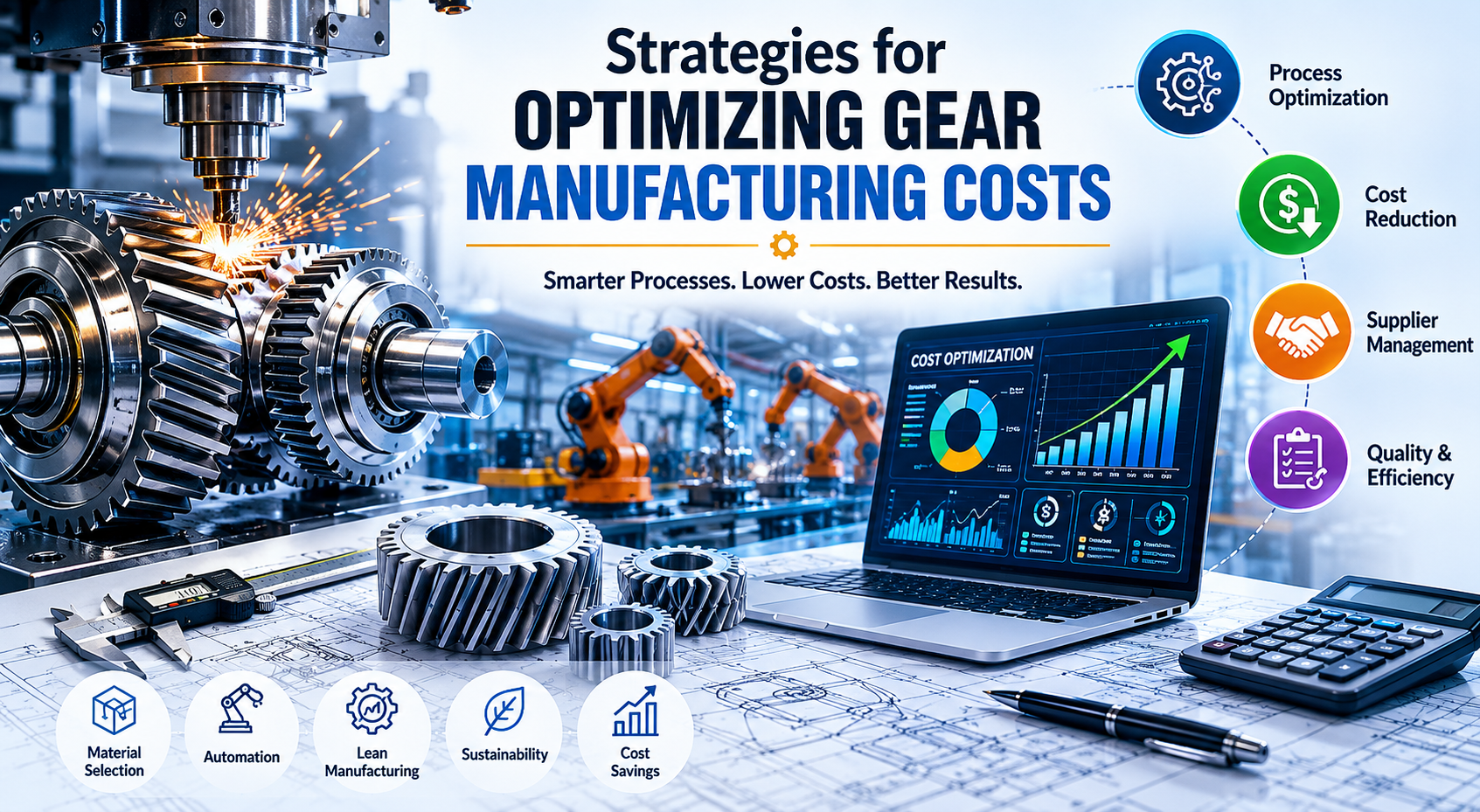
Gear Manufacturing Cost Optimization Strategies
1. Introduction to Gear Manufacturing Cost
1.1 Overview of the Gear Manufacturing Industry
The gear manufacturing industry forms the mechanical backbone of countless industrial sectors, ranging from automotive drivetrains and aerospace propulsion systems to mining conveyors, wind turbines, and precision robotics. Gears are not merely rotating components with teeth; they are meticulously engineered power transmission elements designed to sustain torque, minimize frictional losses, and maintain synchronization under punishing operational conditions. Whether producing spur gears, helical gears, bevel gears, worm gears, or planetary assemblies, manufacturers constantly wrestle with the balancing act between precision, durability, and economic feasibility.
Modern gear manufacturing has evolved into a technologically intensive discipline where micron-level tolerances, thermal stability, and metallurgical integrity dictate market competitiveness. CNC hobbing machines, multi-axis grinding centers, induction hardening systems, and coordinate measuring machines have transformed traditional workshops into highly automated production ecosystems. Yet, despite these advancements, one old-school reality still rings true on every factory floor: if the production cost spirals out of control, margins disappear faster than coolant on a hot cutter.
Global competition has intensified procurement scrutiny as B2B buyers increasingly demand lower pricing, faster delivery schedules, and uncompromised quality assurance. Consequently, manufacturers are under relentless pressure to optimize every variable within the production chain while preserving operational reliability and customer satisfaction.
1.2 Importance of Cost Optimization for B2B Enterprises
For B2B enterprises, gear manufacturing costs directly influence profitability, pricing flexibility, and long-term market sustainability. Procurement departments are no longer concerned solely with obtaining the lowest quote; instead, they focus on total lifecycle value, encompassing durability, maintenance frequency, downtime reduction, and supply chain resilience. In practical engineering terms, a cheaper gear that fails prematurely is nothing more than a costly headache wrapped in shiny steel.
Cost optimization enables organizations to strengthen competitive positioning without eroding product integrity. Reduced manufacturing expenditure translates into enhanced quotation flexibility during contract negotiations, particularly in industries where bulk procurement and long-term supply agreements dominate purchasing decisions. Enterprises capable of maintaining cost discipline while delivering dimensional precision often become preferred vendors within strategic sourcing programs.
Moreover, optimized manufacturing economics improve capital allocation efficiency. Lower operational waste, improved machine utilization, and intelligent material procurement collectively create stronger cash flow conditions, allowing manufacturers to reinvest in advanced technologies, workforce development, and automation initiatives.
In the rough-and-tumble world of industrial manufacturing, squeezing unnecessary expenses out of the system is not just good accounting practice—it is survival engineering.
1.3 Key Challenges in Managing Gear Production Expenses
Managing gear production expenses is rarely straightforward because numerous interconnected variables influence the overall manufacturing equation. Raw material price volatility alone can destabilize annual budgeting forecasts, especially when alloy steel markets fluctuate due to geopolitical disruptions, energy shortages, or mining constraints.
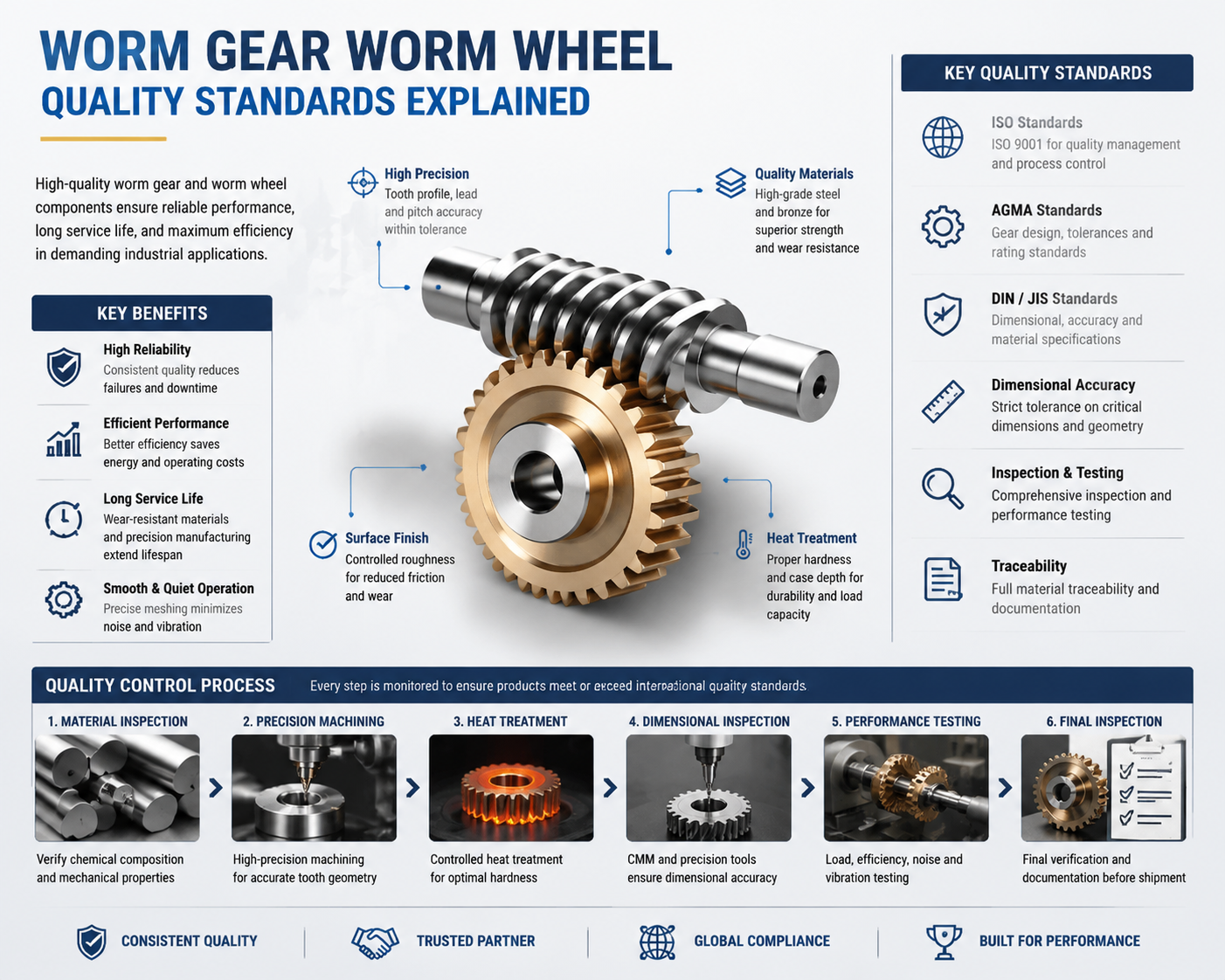
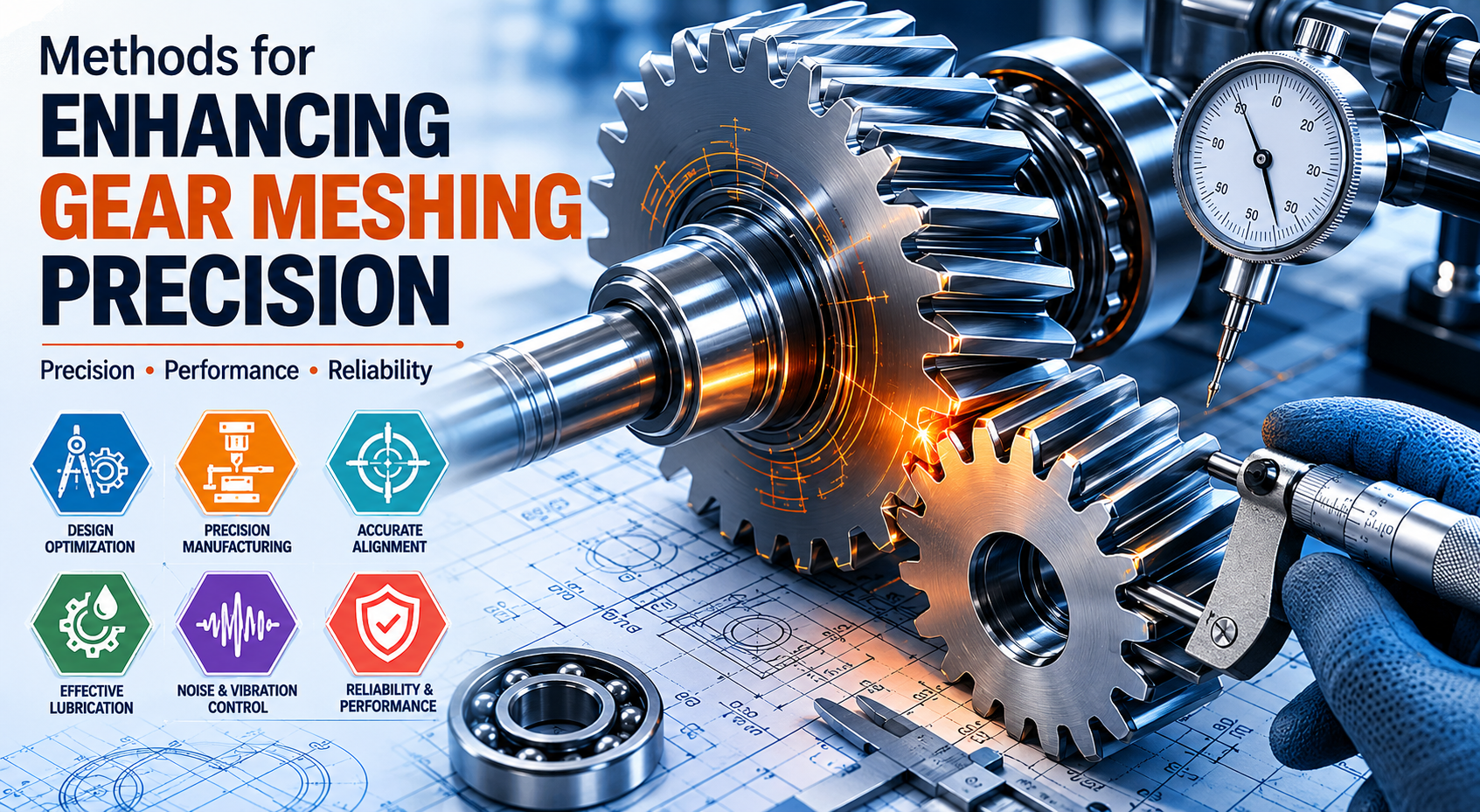
Another persistent challenge involves maintaining ultra-tight tolerances while controlling machining time. Precision grinding operations, heat treatment cycles, and surface finishing procedures significantly increase production costs, particularly for high-performance gears operating under elevated stress conditions.
Labor shortages also continue to plague the industry. Skilled machinists, tool setters, metallurgists, and quality inspectors remain indispensable despite automation advances, and experienced personnel command premium wages. Training inexperienced operators adds another layer of financial strain.
Additionally, equipment downtime, tooling wear, scrap generation, and inventory inefficiencies quietly drain profitability from manufacturing operations. Many facilities discover too late that seemingly minor process inefficiencies accumulate into substantial annual losses.
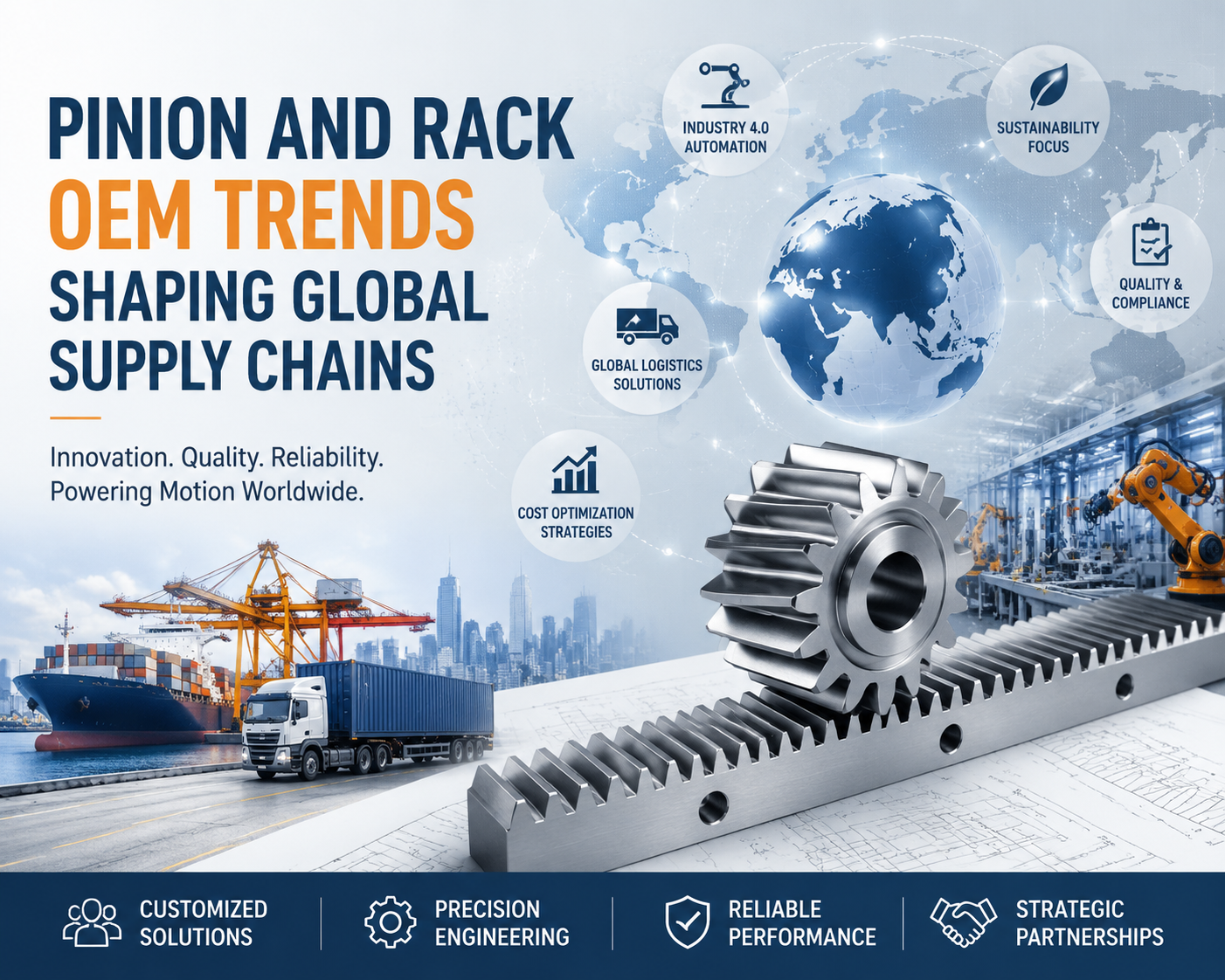
Supply chain unpredictability further complicates cost management. Delayed raw material deliveries, transportation bottlenecks, and fluctuating lead times can disrupt production schedules and inflate emergency procurement expenses. As many purchasing engineers often say on the shop floor, “One delayed bearing can hold an entire gearbox hostage.”
2. Understanding the Components of Gear Costs
2.1 Raw Material Costs and Selection Criteria
Raw material expenditure constitutes one of the most dominant cost contributors in gear manufacturing. Alloy steels such as 8620, 4140, 9310, and stainless variants are commonly selected based on load-bearing requirements, wear resistance, and fatigue endurance. However, selecting premium-grade material without evaluating actual operational necessity often leads to excessive procurement spending.
Material selection criteria typically involve tensile strength, hardness capability, machinability, thermal stability, and resistance to pitting or microfracture formation. Engineers must evaluate whether application conditions genuinely justify expensive metallurgical specifications or whether alternative materials can deliver acceptable performance at lower cost.
For example, carburized alloy steel may be indispensable for aerospace gear systems but economically unjustifiable for moderate-load industrial conveyors. Intelligent material substitution strategies can dramatically reduce procurement expenses without compromising operational longevity.
Material waste also impacts cost structures significantly. Poor nesting strategies, oversized stock procurement, and excessive machining allowances increase scrap generation and reduce material utilization efficiency.
2.2 Labor and Workforce Expenses
Labor expenses extend far beyond hourly wages. Gear manufacturing requires highly specialized expertise involving machine programming, tool calibration, heat treatment supervision, inspection analysis, and process optimization. Skilled labor scarcity has elevated payroll costs across industrial manufacturing sectors worldwide.
Complex gear geometries demand precise machining strategies and experienced operators capable of identifying vibration anomalies, cutter wear patterns, and dimensional inconsistencies before catastrophic quality failures occur. Unfortunately, experienced machinists are not growing on trees these days.
Training costs represent another hidden financial burden. New employees require substantial onboarding periods before achieving operational competency. During this learning phase, production speed often decreases while scrap rates increase.
Overtime scheduling, shift differentials, workplace safety compliance, and employee retention initiatives further contribute to workforce-related expenditures. Organizations that neglect workforce optimization frequently experience declining productivity and escalating operational inefficiencies.
2.3 Overhead and Operational Costs
Operational overhead includes facility maintenance, energy consumption, machine depreciation, coolant systems, compressed air infrastructure, software licensing, quality assurance programs, and administrative support functions. These indirect expenses may appear secondary individually, yet collectively they form a substantial portion of overall manufacturing costs.
Energy-intensive processes such as induction hardening, carburizing, and precision grinding consume enormous electrical power. Older equipment often exacerbates energy inefficiencies through excessive idle consumption and outdated drive systems.
Machine downtime also carries severe operational implications. When critical hobbing machines remain inactive due to maintenance failures or tooling shortages, production schedules collapse while overhead expenses continue accumulating.
Additionally, inventory carrying costs frequently remain underestimated. Overstocked raw materials, surplus spare parts, and obsolete tooling consume warehouse space while immobilizing working capital that could otherwise support strategic investments.
3. Material Selection Strategies
3.1 Cost vs. Performance Trade-offs
Selecting materials purely based on maximum strength characteristics often creates unnecessary financial burdens. Effective engineering demands evaluating operational requirements pragmatically rather than emotionally.
For moderate-load industrial applications, mid-range alloy steels may provide entirely satisfactory performance at substantially reduced cost compared to premium aerospace-grade materials. Engineers must analyze stress distribution, torque transmission requirements, fatigue cycles, and environmental exposure before specifying unnecessarily exotic materials.
The sweet spot lies in achieving acceptable performance margins without overengineering the component. As many seasoned engineers like to say, “Don’t use a sledgehammer to crack a peanut.”
Lifecycle cost analysis becomes crucial in these evaluations. Lower-cost materials may initially reduce procurement expenses but increase maintenance frequency, downtime risk, or replacement cycles. Therefore, procurement decisions should always account for long-term operational economics rather than upfront pricing alone.
3.2 High-Performance Alloys and Alternatives
High-performance alloys offer superior hardness, fatigue resistance, and thermal stability, making them indispensable for heavy-duty applications such as aerospace transmissions, mining equipment, and high-speed industrial gearboxes. Materials like 9310 steel and maraging alloys provide exceptional durability under extreme operating conditions.
However, these materials introduce elevated machining difficulty, increased tooling wear, and more complex heat treatment requirements. Manufacturing costs rise sharply due to prolonged cycle times and expensive finishing operations.
Alternative solutions such as powder metallurgy components, austempered ductile iron, or hybrid composite structures can sometimes deliver competitive performance at lower manufacturing expense. Powder metallurgy, in particular, reduces material waste while enabling near-net-shape production capabilities.
Strategic material innovation allows manufacturers to maintain performance expectations while improving cost efficiency.
3.3 Sustainable and Recyclable Materials
Sustainability initiatives are increasingly influencing procurement strategies across industrial sectors. Recyclable materials and environmentally responsible manufacturing practices no longer serve merely as marketing slogans; they directly impact regulatory compliance, operational reputation, and long-term profitability.
Recycled steel utilization reduces environmental impact while often lowering raw material procurement costs. Additionally, sustainable materials frequently qualify manufacturers for green certification programs that enhance market attractiveness among environmentally conscious clients.
Manufacturers adopting closed-loop recycling systems for metal chips, coolant filtration, and waste recovery improve operational efficiency while reducing disposal expenses. These practices also support corporate sustainability goals without compromising production performance.
In today’s industrial climate, sustainability and profitability are no longer mutually exclusive concepts—they are becoming strategic partners.
4. Manufacturing Process Optimization
4.1 CNC Machining Efficiency Techniques
CNC machining efficiency significantly influences overall production economics. Optimized cutting parameters, advanced toolpath programming, and high-performance tooling systems reduce cycle times while improving dimensional consistency.
Adaptive machining strategies allow equipment to automatically adjust feed rates and spindle loads according to material resistance, minimizing unnecessary tool wear. Multi-axis machining centers further enhance efficiency by consolidating multiple operations into single setups.
Tool life monitoring systems provide additional cost-saving benefits by preventing catastrophic cutter failure and reducing unplanned downtime. Proper coolant delivery systems also improve thermal stability while extending tooling lifespan.
Every unnecessary machine movement, redundant setup, or inefficient tool change quietly drains profitability from the production floor.
4.2 Automation in Gear Production
Automation has transformed modern gear manufacturing from labor-intensive workshops into digitally synchronized production environments. Robotic loading systems, automated inspection stations, and integrated material handling solutions dramatically improve throughput consistency.
Automated production lines reduce labor dependency while minimizing human-induced variability. Precision repeatability improves significantly, particularly in high-volume manufacturing operations where consistency determines profitability.
Although automation requires considerable upfront investment, long-term operational savings frequently justify the expenditure through reduced labor costs, improved productivity, and enhanced quality stability.
Factories unwilling to modernize often find themselves stuck in the slow lane while competitors accelerate ahead with digitally integrated production ecosystems.
4.3 Minimizing Waste in Production Lines
Waste reduction remains one of the most effective cost optimization strategies in manufacturing environments. Excessive scrap generation, redundant processing steps, and inefficient material handling procedures collectively erode profit margins.
Lean production methodologies focus on eliminating non-value-added activities while improving workflow continuity. Better fixture design, optimized material flow, and preventive maintenance programs contribute significantly to waste reduction efforts.
Chip recycling systems, coolant reclamation processes, and statistical monitoring further improve resource efficiency. Even small process refinements can yield substantial annual savings when applied consistently across large-scale production operations.
Sometimes the biggest savings hide in plain sight, buried beneath piles of avoidable scrap and outdated routines.
5. Design Optimization for Cost Reduction
5.1 Simplifying Gear Geometry
Complex gear geometries often increase machining time, inspection difficulty, and tooling expenses without delivering proportional performance benefits. Simplified designs improve manufacturability while reducing production complexity.
Standard tooth profiles, optimized tolerancing, and minimized secondary operations contribute significantly to cost efficiency. Engineers should avoid unnecessary dimensional intricacies unless operational requirements explicitly justify them.
Reducing complexity also accelerates setup procedures and enhances production repeatability, improving overall manufacturing throughput.
5.2 Lightweighting Without Compromising Strength
Lightweight gear design reduces material consumption, lowers rotational inertia, and improves energy efficiency. Advanced finite element analysis enables engineers to remove unnecessary material while maintaining structural integrity.
Hollow shaft designs, optimized web structures, and selective reinforcement techniques allow significant weight reduction without sacrificing load-bearing capability.
In industries such as aerospace and automotive manufacturing, every kilogram removed translates into measurable operational savings over the product lifecycle.
5.3 Standardization of Components
Standardization simplifies procurement, inventory management, and production scheduling. Utilizing common gear dimensions, tooling systems, and material specifications reduces manufacturing variability while improving economies of scale.
Standardized components also reduce maintenance complexity for end users, strengthening customer satisfaction and aftermarket support efficiency.
A standardized production ecosystem is often easier to scale, automate, and optimize compared to fragmented custom manufacturing operations.
18. Conclusion and Actionable Insights
18.1 Summarizing Key Cost Optimization Strategies
Optimizing gear manufacturing costs requires a multidimensional strategy encompassing material selection, process efficiency, design simplification, supplier collaboration, automation integration, and workforce optimization. No single initiative delivers universal savings; instead, sustained profitability emerges through cumulative operational improvements implemented systematically across the manufacturing chain.
Companies that successfully reduce costs without compromising reliability typically focus on data-driven decision-making, lean production principles, preventive maintenance, and intelligent procurement practices.
18.2 Implementing Best Practices in B2B Enterprises
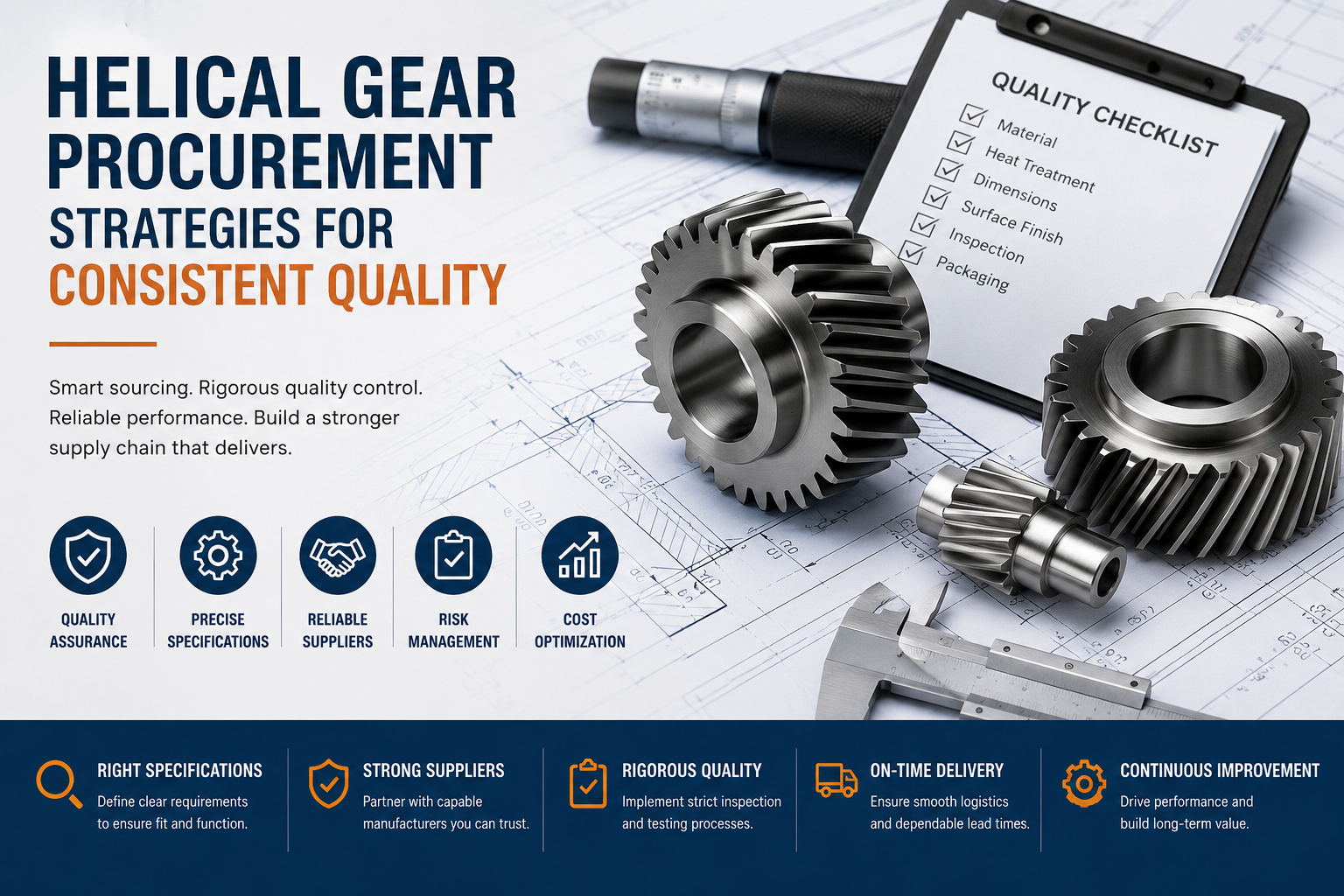
B2B enterprises should establish cross-functional collaboration between engineering, procurement, production, and quality assurance departments to ensure cohesive cost management strategies. Fragmented decision-making often creates operational inefficiencies and conflicting priorities.
Investing in digital manufacturing technologies, supplier relationship management, and workforce training programs strengthens long-term competitiveness while enhancing operational resilience.
Successful implementation also requires continuous monitoring of KPIs, market conditions, and technological advancements. Refer to NIST Industry Alliances for industry best practices and technology standards.
18.3 Steps for Continuous Improvement in Gear Manufacturing
Continuous improvement is not a one-time initiative but an enduring operational philosophy. Manufacturers must regularly evaluate process performance, material utilization, supplier effectiveness, and production efficiency metrics.
Routine audits, predictive analytics, employee feedback systems, and ongoing technology upgrades support sustainable optimization efforts. Incremental refinements, when consistently applied, produce substantial long-term financial benefits.
In the end, the companies that thrive are not necessarily the ones with the biggest factories or the fanciest brochures—they are the ones that relentlessly sharpen efficiency while keeping both engineering precision and procurement discipline firmly in sync. For further guidance, see Automation.com Industry Insights.