HiMaxGear is an integrated custom gear manufacturer and precision machining company serving businesses and individuals throughout North America. The company offers specialized service and precision machined parts for virtually any industrial or commercial application. Our commitment to quality and focus on the individual needs of our customers has earned HiMaxGear the reputation of being one of the most successful and respected manufacturing businesses in shenzhen.
Over the generations, we have focused on manufacturing precision parts, but more importantly, creating trust and value with our customers.
How to Improve Gear Transmission Efficiency
1. Introduction to Gear Transmission Efficiency
1.1 Definition and Importance of Gear Transmission Efficiency
Gear transmission efficiency essentially measures how effectively a gear system converts input power into useful output without unnecessary losses. In industrial machinery, this isn’t just a technical metric—it’s the lifeblood of operational reliability, ensuring that energy is not frittered away in the form of heat, vibration, or micro-friction. Engineers and procurement specialists alike know that every percentage point in efficiency translates directly to operational savings and reduced wear on critical components.
1.2 Impact on Industrial Machinery Performance
Efficiency impacts torque delivery, speed stability, and long-term machine reliability. A low-efficiency gear train can ripple through a production line, causing frequent downtime, higher maintenance costs, and even bottlenecks in throughput. When gear transmission is optimized, machinery operates smoother, quieter, and with a reduced risk of catastrophic failure, essentially turning potential headaches into seamless operations.
1.3 Overview of Energy-Saving Benefits
High-efficiency gears are at the forefront of energy-saving solutions, cutting power consumption and mitigating heat buildup, which in turn reduces energy expenditures. Beyond the economic edge, efficient gear systems also contribute to environmental sustainability—a win-win in modern industrial settings where both cost savings and green credentials are paramount.
2. Understanding High-Efficiency Gears
2.1 Types of High-Efficiency Gears
From helical to bevel to hypoid variants, each high-efficiency gear type brings its own advantages. Helical gears offer smoother engagement and lower noise, while bevel and spiral bevel configurations can manage angular load transmissions more effectively. Selecting the appropriate type is a blend of engineering science and operational pragmatism, ensuring that energy-saving solutions are aligned with machine demands.
2.2 Material Considerations for Efficiency
High-efficiency gears thrive on optimal material selection. Alloy steels with high tensile strength and wear resistance or composites that reduce mass without compromising durability are often employed. Materials are chosen not only for longevity but also for their ability to withstand micro-slip friction and thermal expansion without compromising the torque transfer efficiency.
2.3 Manufacturing Precision and Tolerances
Micron-level precision in gear manufacturing can be the difference between a high-performing transmission and one riddled with energy losses. Accurate tooth profiling, strict adherence to tolerances, and advanced grinding techniques ensure minimal backlash and smoother engagement, translating directly to higher system efficiency.
3. Gear Design Principles for Energy Optimization
3.1 Tooth Profile and Geometry
The involute curve remains king in minimizing friction and wear while maximizing load distribution. Subtle modifications, like profile crowning or optimized addendum adjustments, can significantly reduce contact stress and enhance overall energy transfer. Proper geometry ensures that the gears mesh seamlessly, with minimal slip or localized heating.
3.2 Helical vs. Spur Gears Efficiency Comparison
Spur gears are simpler and cost-effective but can be noisy and prone to vibration at high speeds. Helical gears, with angled teeth, deliver smoother torque and reduced energy losses, though they require careful axial load management. Understanding this trade-off is critical when aiming for industrial machinery optimization.
3.3 Load Distribution and Contact Ratio
The contact ratio—how many teeth are simultaneously in contact—affects both efficiency and wear. Optimized load distribution minimizes peak stress on individual teeth, reduces micro-slippage, and maintains smoother torque flow, which collectively bolsters energy-saving performance across the gear train.
4. Lubrication Strategies to Reduce Friction
4.1 Types of Lubricants for High-Efficiency Gears
Synthetic oils, extreme-pressure lubricants, and advanced greases all have roles to play. The right lubricant reduces friction, prevents metal-to-metal contact, and withstands high temperatures without breakdown, preserving energy and prolonging component life.
4.2 Lubrication Methods and Delivery Systems
From splash lubrication in smaller systems to circulating systems with filtration in large industrial setups, how lubricant reaches gear teeth affects both efficiency and maintenance intervals. Automatic lubrication systems minimize human error and ensure consistent application—a critical factor in industrial machinery performance.
4.3 Maintenance Intervals and Monitoring
Predictive monitoring of lubricant viscosity, contamination, and thermal stability helps prevent energy losses. Scheduled lubricant analysis and timely replenishment prevent subtle efficiency degradation that might otherwise go unnoticed until machinery suffers a catastrophic event.
5. Minimizing Power Loss in Gear Systems
5.1 Identifying Sources of Energy Loss
Losses can originate from friction, misalignment, backlash, and thermal expansion. Detailed system audits using power analyzers and thermography help pinpoint inefficiencies, ensuring targeted improvements rather than blanket fixes.
5.2 Bearing and Shaft Optimization
Bearings, shafts, and housings form the backbone of torque transfer. Optimizing bearing selection and alignment reduces drag and ensures that input energy is fully harnessed for output work, creating a more energy-conscious system.
5.3 Gear Alignment Techniques
Misalignment is a silent killer of efficiency. Laser alignment tools, shim adjustments, and precision assembly practices all contribute to maintaining ideal gear mesh, enhancing energy-saving performance while extending gear life.
6. Material Selection for Energy-Saving Gears
6.1 High-Strength Steel vs. Alloy Options
High-strength steels offer durability under heavy loads, while specialized alloys can reduce mass and minimize inertia losses. Selecting the right combination ensures that energy isn’t wasted in overcoming material inefficiencies.
6.2 Lightweight Materials for Reduced Inertia
Inertia reduction lowers startup energy demand and enhances responsiveness. Composite and hybrid materials are increasingly applied in high-speed industrial machinery to reduce rotational mass without compromising structural integrity.
6.3 Surface Treatments and Coatings
Surface hardening, nitriding, and low-friction coatings not only extend gear life but also enhance energy transfer by minimizing micro-slip and wear, directly contributing to the goals of energy-saving solutions.
7. Gear Manufacturing Techniques Impacting Efficiency
7.1 Precision Machining Processes
CNC milling, hobbing, and gear shaping allow for micrometer-level accuracy, ensuring gears mesh perfectly. This precision directly influences operational smoothness and energy retention.
7.2 Heat Treatment for Enhanced Durability
Controlled quenching, tempering, and induction hardening increase hardness and fatigue resistance. Durable gears maintain high-efficiency performance longer, even under demanding industrial loads.
7.3 Grinding and Finishing for Reduced Friction
Post-heat treatment finishing removes residual stresses and surface imperfections, reducing friction, vibration, and micro-slip, ultimately ensuring that every joule of energy is effectively utilized.
8. Advanced Surface Engineering
8.1 Polishing and Micro-Texturing
Micropolishing and texturing techniques can improve lubricant retention and minimize metal-to-metal contact, enhancing torque transfer efficiency in industrial applications.
8.2 Coatings for Friction Reduction
Diamond-like carbon (DLC) and molybdenum disulfide coatings reduce friction dramatically, creating long-lasting, high-efficiency surfaces for critical gear components.
8.3 Wear Resistance and Longevity
Prolonging gear life indirectly improves energy efficiency by maintaining consistent performance and reducing the frequency of replacements or downtime.
9. Monitoring and Condition Assessment
9.1 Vibration Analysis for Gear Health
Regular vibration monitoring detects misalignment, imbalance, and pitting before they escalate into major inefficiencies, preserving both energy and machinery life.
9.2 Thermal Imaging for Hotspot Detection
Hotspots indicate frictional energy loss. Thermal cameras allow engineers to visualize heat distribution, pinpointing inefficient components for targeted intervention.
9.3 Lubricant Analysis for Performance Insights
Analyzing contamination levels, viscosity, and wear particles informs proactive maintenance strategies, keeping gears operating in their most energy-efficient state.
10. Integration with Industrial Machinery
10.1 Matching Gear Ratios to Motor Efficiency
Aligning gear ratios with motor characteristics ensures that energy is transmitted efficiently, avoiding overspeed or underspeed scenarios that waste power.
10.2 System-Level Energy-Saving Strategies
High-efficiency gears are just one piece; coupling them with efficient drives, reduced backlash couplings, and optimized control systems amplifies energy savings across machinery.
10.3 Case Studies of Optimized Machinery
Examples from automotive manufacturing lines to heavy-duty material handling show that when gears are paired with system-level optimization, energy savings of 5–10% are not uncommon, highlighting tangible benefits.
11. Automation and Control for Efficiency
11.1 Variable Speed Drives and Gearing
VSDs allow industrial machinery to operate closer to optimal efficiency points, reducing unnecessary energy expenditure and extending gear life.
11.2 Smart Sensors for Real-Time Monitoring
Embedded sensors provide real-time insights into torque, vibration, and temperature, allowing engineers to intervene before efficiency losses compound.
11.3 Predictive Maintenance Algorithms
AI-driven predictive maintenance anticipates gear wear patterns, enabling proactive interventions that prevent energy wastage and unplanned downtime.
12. Reducing Noise and Vibration
12.1 Causes of Noise in Gear Systems
Misalignment, poor surface finish, and suboptimal tooth design generate audible and ultrasonic noise, often signaling energy inefficiency.
12.2 Vibration Dampening Techniques
Elastomeric couplings, tuned mass dampers, and precision bearing mounts reduce vibration, preserving both energy efficiency and operator comfort.
12.3 Acoustic Optimization Methods
Noise-reducing gear profiles, helical designs, and sound-deadening housings contribute to smoother, quieter, and more energy-conscious operations.
13. Environmental and
Economic Benefits
13.1 Lower Energy Consumption Metrics
High-efficiency gears reduce overall machine power draw, measurable in kilowatt-hours saved, which translates to significant operational cost reductions over time.
13.2 Cost Savings Through High-Efficiency Gears
Less energy consumption, reduced wear, and longer maintenance intervals all contribute to lowering total cost of ownership, making a solid business case for upgrading gears.
13.3 Sustainability Considerations in Manufacturing
Energy-efficient gears align with green manufacturing initiatives, lowering carbon footprints and meeting increasingly stringent regulatory requirements.
14. Retrofitting Existing Gear Systems
14.1 Assessing Current Transmission Efficiency
Detailed audits, thermography, and power analysis determine which systems are ripe for retrofitting, ensuring targeted improvements.
14.2 Upgrading to Energy-Saving Gears
Replacing older gears with high-efficiency variants improves torque transmission, reduces energy loss, and extends the machinery’s operational lifespan.
14.3 Implementation Challenges and Solutions
Retrofitting may require custom adaptors, shaft alignment, and recalibration, but with careful planning, these challenges are easily mitigated.
15. Standards and Compliance
15.1 ISO and AGMA Standards for High-Efficiency Gears
Compliance with international standards ensures that gear performance, durability, and efficiency meet industry benchmarks, offering peace of mind for engineers and buyers alike.
15.2 Regulatory Requirements for Energy-Saving Machinery
Local and international regulations increasingly mandate energy-efficient machinery; adopting compliant high-efficiency gears future-proofs operations.
15.3 Benchmarking Performance Metrics
Systematic testing and performance benchmarking allow engineers to quantify gains, demonstrating the value of high-efficiency gears and energy-saving solutions in measurable terms.
16. Future Trends in Gear Transmission Efficiency
16.1 Emerging Materials and Manufacturing Technologies
Additive manufacturing, carbon-fiber composites, and nano-coatings promise next-level efficiency gains, revolutionizing how energy is transmitted in industrial machinery.
16.2 Integration with Industry 4.0 and IoT
Smart gear systems with IoT connectivity allow real-time data collection, predictive maintenance, and system-wide energy optimization, aligning perfectly with modern industrial strategies.
16.3 Predicting Next-Generation Energy-Saving Solutions
AI-driven design, adaptive gearing, and self-lubricating materials are on the horizon, offering unprecedented opportunities to maximize gear transmission efficiency while minimizing operational costs.
17. Conclusion and Key Takeaways
17.1 Recap of Efficiency Improvement Techniques
Optimizing gear design, materials, lubrication, alignment, and monitoring collectively drives substantial energy-saving improvements in industrial machinery.
17.2 Long-Term Benefits for Industrial Operations
Higher reliability, reduced maintenance, lower energy costs, and improved throughput make high-efficiency gears a cornerstone of modern industrial strategy.
17.3 Encouraging Adoption of High-Efficiency Practices
For engineers and procurement teams, embracing high-efficiency gears is not just a technical decision—it’s a strategic investment in sustainability, cost reduction, and industrial performance longevity.
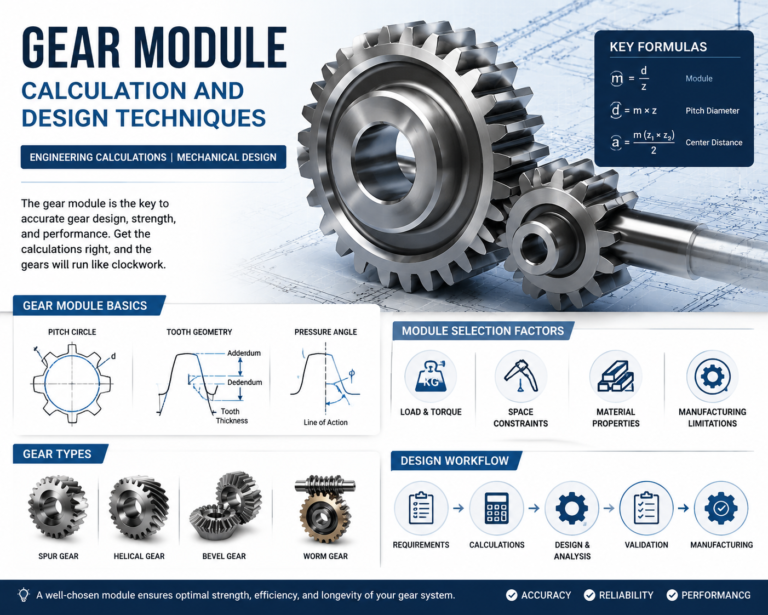
Work with an Experienced Gear Manufacturer
Preparing for backlash is the best way to prevent problems in your gear system. An experienced manufacturer can provide expert guidance and customized solutions to ensure optimal performance and durability for your specific application. If you need help designing and manufacturing gears that account for backlash, contact HiMax Gear today!