
Bevel Gears – Precision Engineering for Industrial Applications
Precision Bevel Gears for Automotive Applications
definition of Our Bevel Gears
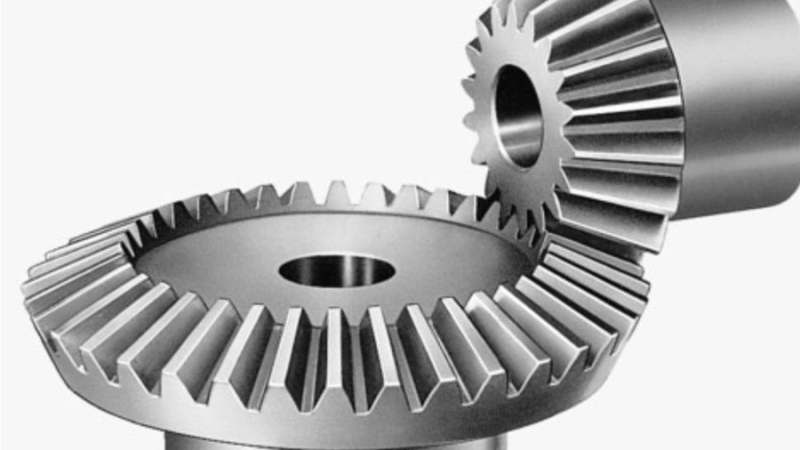
- Definition: Bevel gears are mechanical components used to transfer motion and torque between intersecting shafts, typically at a 90-degree angle. These gears are widely used in applications where space constraints and efficiency are critical.
- Types of Bevel Gears:
- Straight Bevel Gears: Traditional gears with straight teeth.
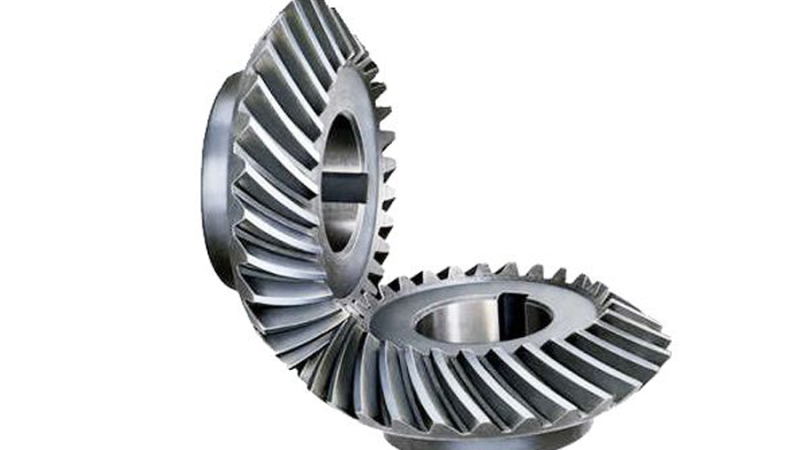
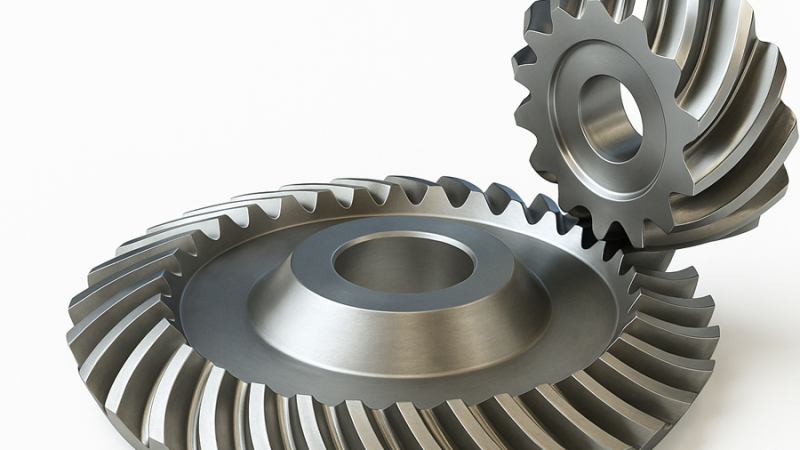
- Spiral Bevel Gears: Gears with angled teeth that offer smoother operation and higher efficiency.
- Hypoid Bevel Gears: A variation of spiral bevels, with offset shafts for reduced friction and smoother operation.
Features of Our Bevel Gears
Features
- High Precision: Manufactured with tight tolerances to ensure smooth and precise power transmission.
- Customizable Designs: Tailored to your specific needs, including material selection (steel, stainless steel, etc.) and coating for enhanced performance.
- Durability: Built to withstand high torque and heavy load conditions in demanding industrial applications.
- Efficiency: Spiral and hypoid bevel gears reduce friction and noise for smoother operation.
- Versatility: Suitable for a wide range of industries, including automotive, aerospace, and industrial machinery.
Applications of Our Bevel Gears

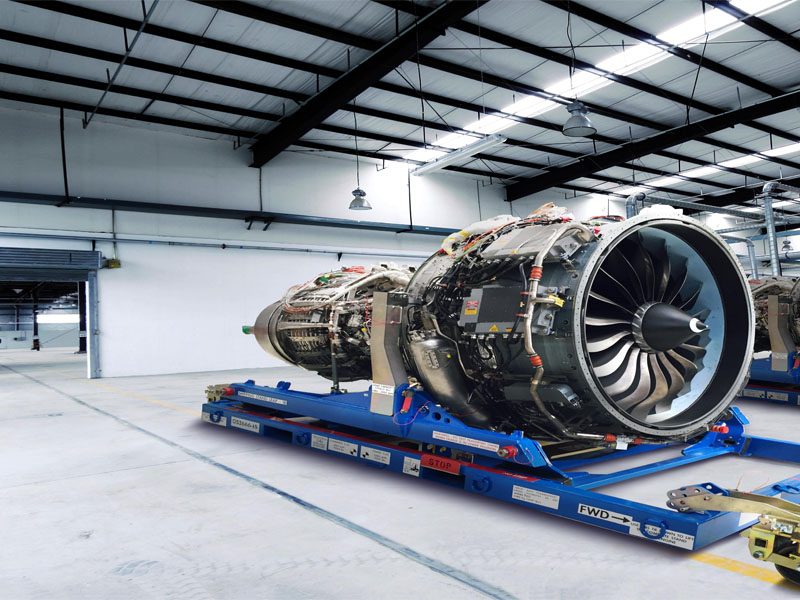
Aerospace Equipment

Agricultural Machinery

Automotive
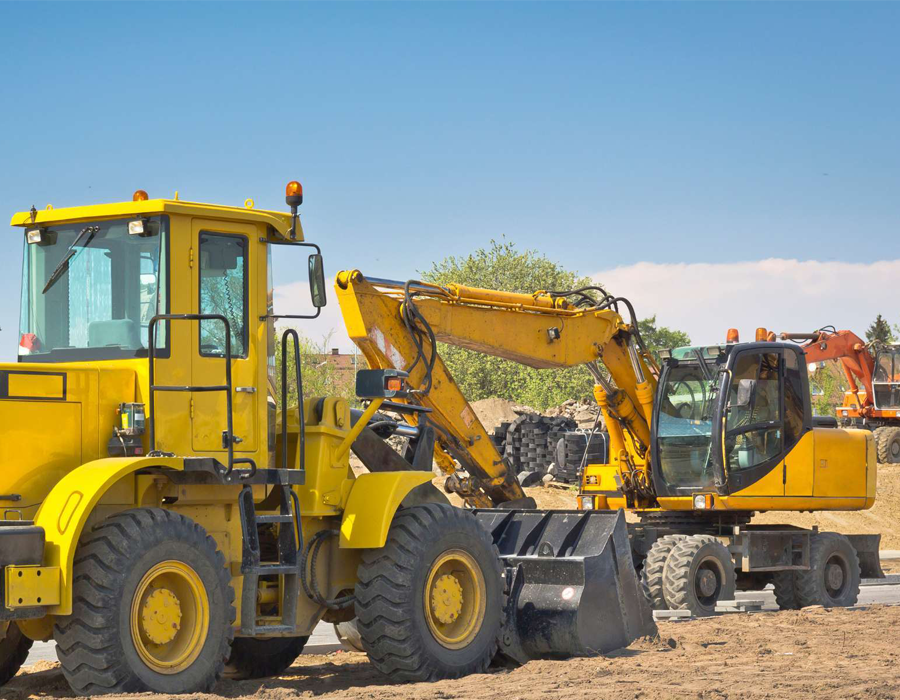
Construction Equipment
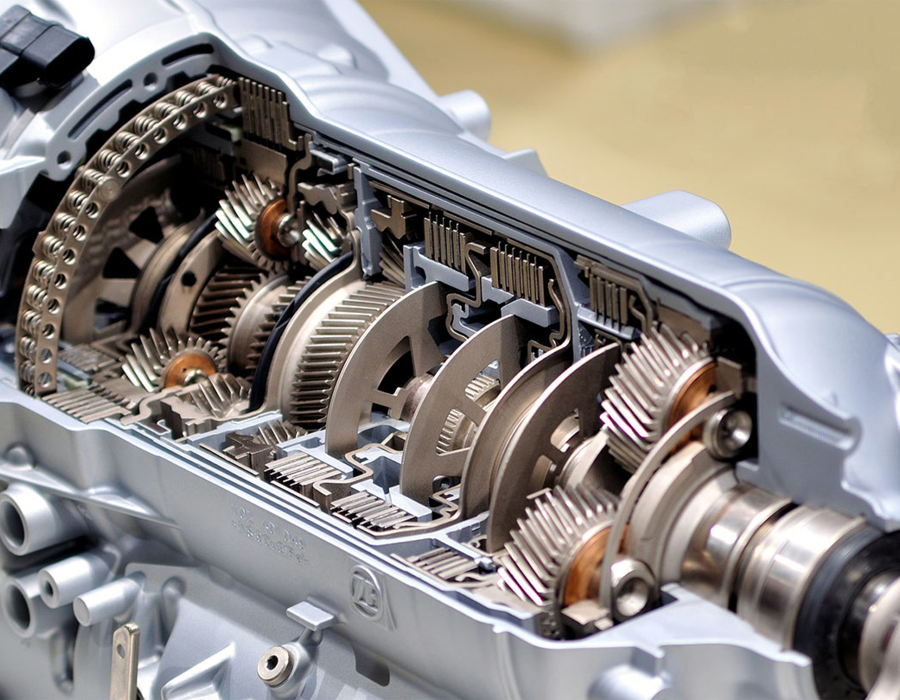
Power Transmission
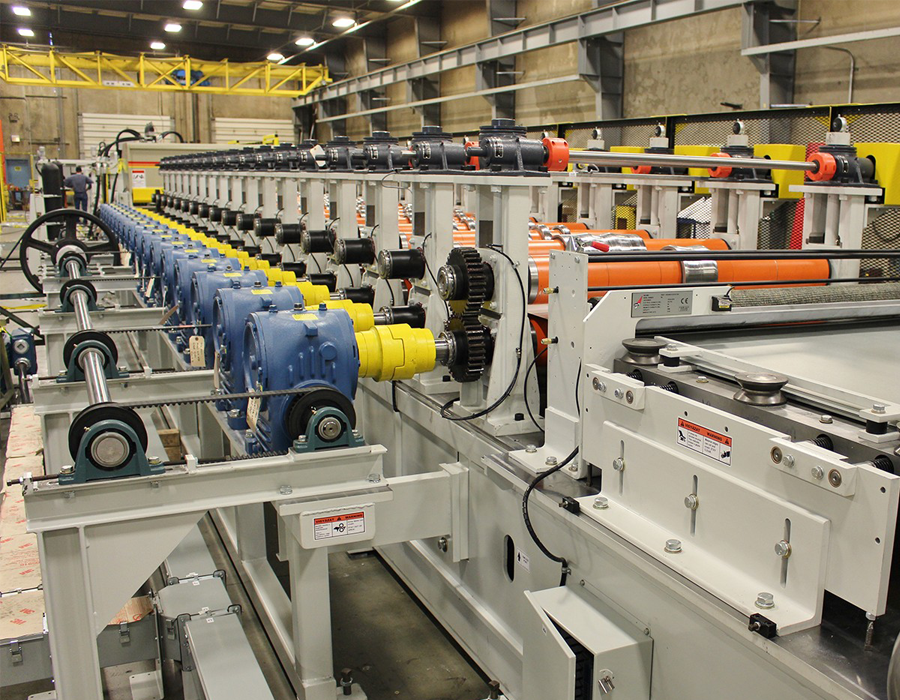
Machine Tools

Robotics

Industrial Equipment
Custom Bevel Gears Service
Custom Bevel Gears Services
HiMaxGear offers extensive manufacturing services for gears, gear parts and assemblies. With highly skilled technicians, manufacturing expertise and a fully equipped facility, we can perform the precision service you need for your custom gear project.
- Hobbing – Worm Gears, Helical Gears, Shafts, Spur Gears, Splined Shafts, Sprockets
- Shaping – Spur Gears, Segments, Internal, External, and Splines
- Gear Grinding – Profile and Generating, Spur Gears, Helical Gears, and Crown Gears
- Thread Milling – Single- and Multi-Start Worms
- Thread Grinding – CNC, Single-Start, Multi-Start, External Worms and Threads
- Broaching
- CNC Machining – Drilling, Milling, and Tapping
- CNC Turning – Vertical and Horizontal
- Grinding – OD, ID, and Surface
- Inspection – Gear Analyzers, 3D Scanners, CMM and Manual Capabilities.
- Assembly
- Protoyping
Ten quality control processes

Incoming material inspection

First inspection of the process

Operator self-inspection

In-process inspection

Specialized inspection

End-of-process inspection

Finished product inspection

package

qa re inspection

Customer feedback improvement
Frequently Asked Questions - FAQ
What is the difference between straight bevel gears and spiral bevel gears?
Straight bevel gears have straight teeth and are typically used in lower-speed applications, while spiral bevel gears have angled teeth for smoother, quieter operation at higher speeds.
How do I determine the correct bevel gear ratio for my application?
Gear ratio is calculated based on the input and output speed. It’s important to match the ratio with your system’s torque and speed requirements.
Can bevel gears be customized?
Yes, bevel gears can be designed and manufactured to your specifications, including material, size, and gear ratio.
What materials are bevel gears made from?
Bevel gears can be made from various materials, including carbon steel, stainless steel, and other high-strength alloys, depending on your application’s requirements.
How do I maintain bevel gears?
Regular lubrication and inspection are crucial for maintaining bevel gears. Make sure the gear teeth are free from dirt and wear to ensure smooth operation.
What industries use bevel gears?
Bevel gears are used in automotive, aerospace, industrial machinery, mining, and many other sectors that require power transmission at angled shafts.
What is the lead time for custom bevel gears?
Lead times vary depending on the complexity of the design and the quantity needed, but typically range from a few weeks to a few months.
Are bevel gears suitable for high-torque applications?
Yes, bevel gears, especially spiral and hypoid bevel gears, are designed to handle high-torque and heavy-duty applications efficiently.
How do bevel gears compare to other types of gears, such as helical or spur gears?
Bevel gears are specifically designed for transferring power between intersecting shafts, while helical and spur gears are typically used for parallel shafts. Bevel gears are ideal for space-constrained applications with non-parallel shafts.
Can I get a sample of the bevel gears before placing a bulk order?
Yes, we offer prototypes and small batch runs for evaluation before proceeding with a full order.