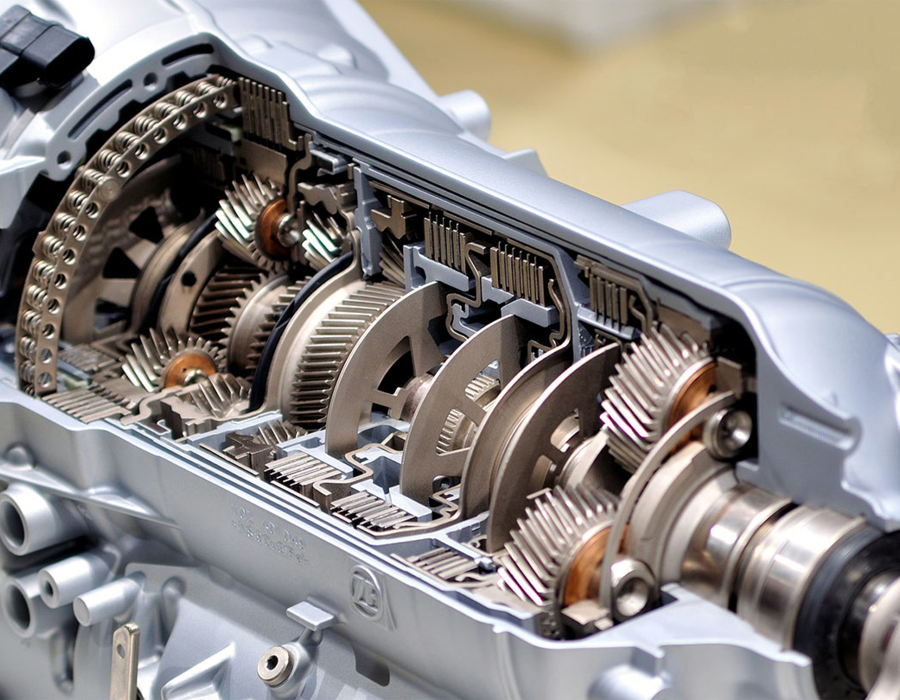
HiMaxGear offers extensive manufacturing services for gears, gear parts and assemblies. With highly skilled technicians, manufacturing expertise and a fully equipped facility, we can perform the precision service you need for your custom gear project.
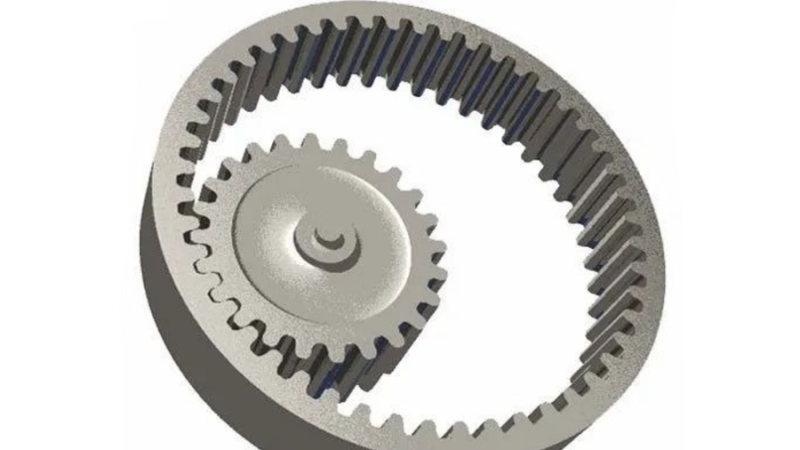
Internal gears are primarily used in gear reduction systems, machinery, and applications requiring compact designs and high torque transmission.
What materials are internal gears made from?
They can be made from various materials, including steel, stainless steel, aluminum, and specialized alloys, depending on the application’s requirements.
How do internal gears compare to external gears?
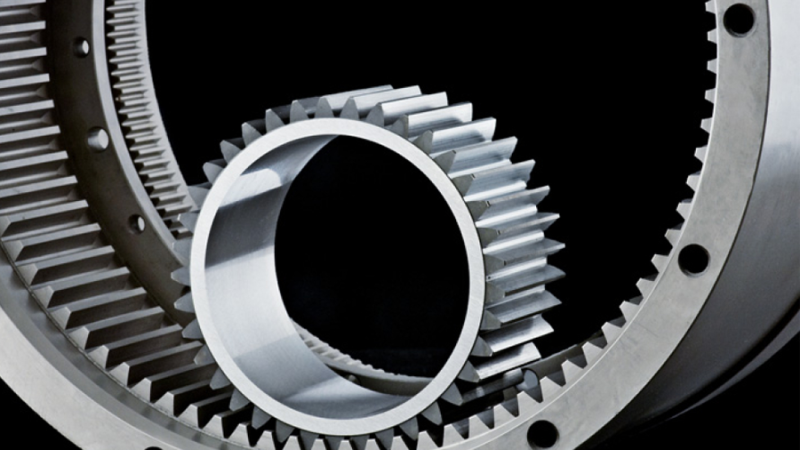
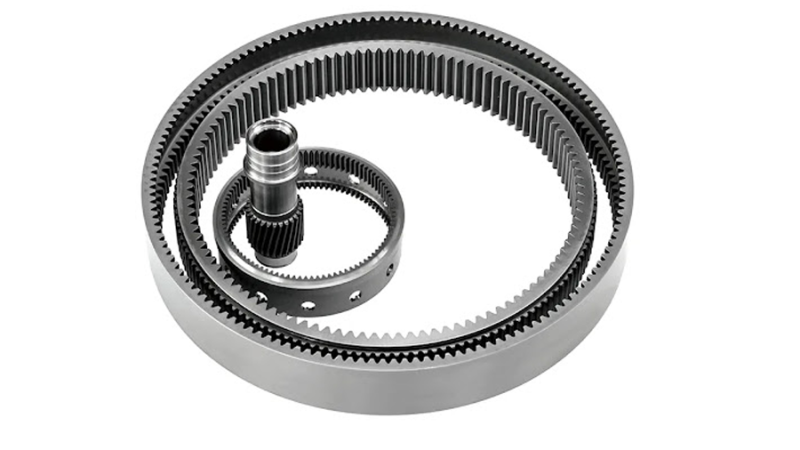
Internal gears have teeth on the inside of the gear, making them more compact and capable of handling higher loads with less noise compared to external gears.
Can internal gears be customized for specific needs?
Yes, they can be tailored in terms of size, material, and tooth design for specific applications.
What industries use internal gears?
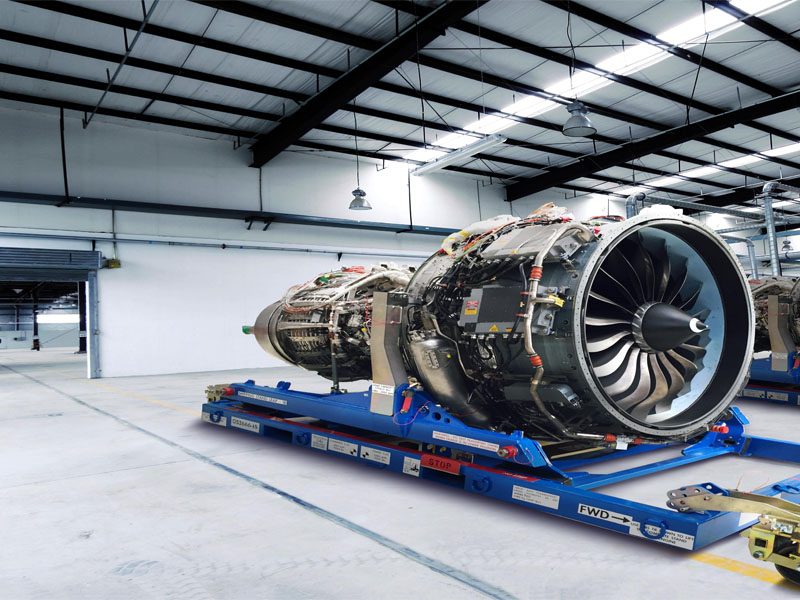
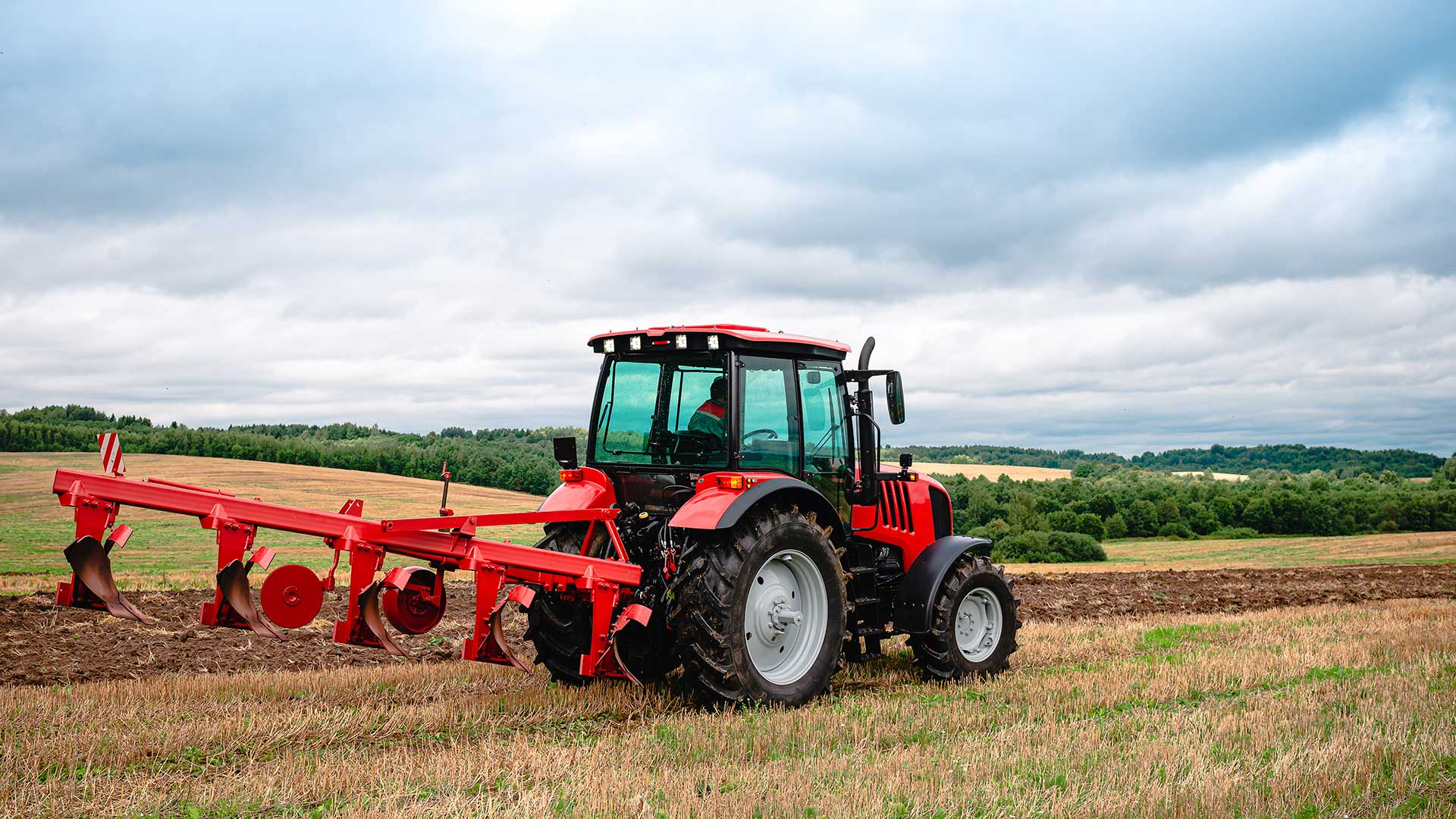
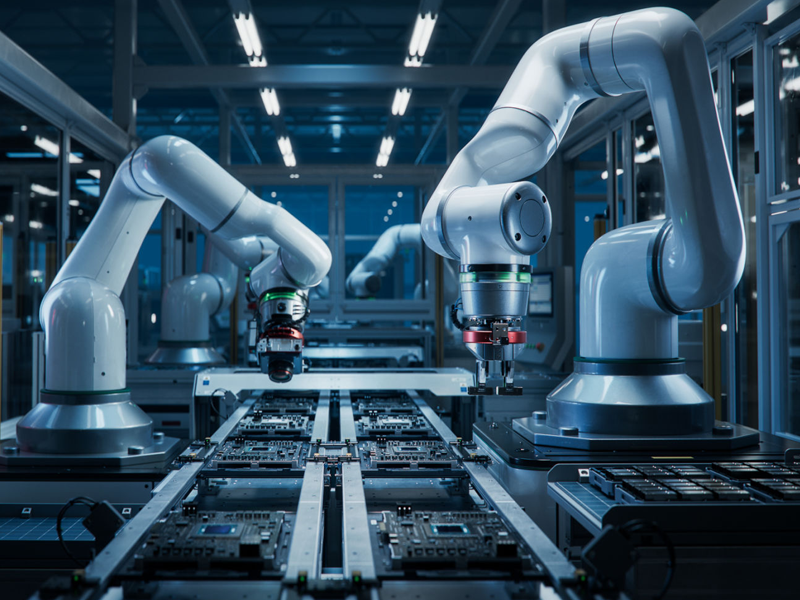
They are commonly used in robotics, automotive, aerospace, and heavy machinery industries.
Are internal gears more durable than external gears?
Generally, internal gears are more durable because they distribute the load more evenly, reducing wear.
What is the difference between helical and straight-cut internal gears?
Helical internal gears have angled teeth that provide smoother engagement, while straight-cut gears have teeth that are aligned parallel to the gear axis, which can create more noise but are more simple and cost-effective.
Can internal gears be used in high-speed applications?
Yes, but specific considerations, like lubrication and gear material, are important in high-speed applications to ensure optimal performance.
How do I know if internal gears are suitable for my project?
Our engineering team can assist you in selecting the best internal gear for your needs based on your system’s specifications.
What is the lead time for custom internal gears?
Lead times vary depending on customization requirements, but typical production times range from a few weeks to several months.